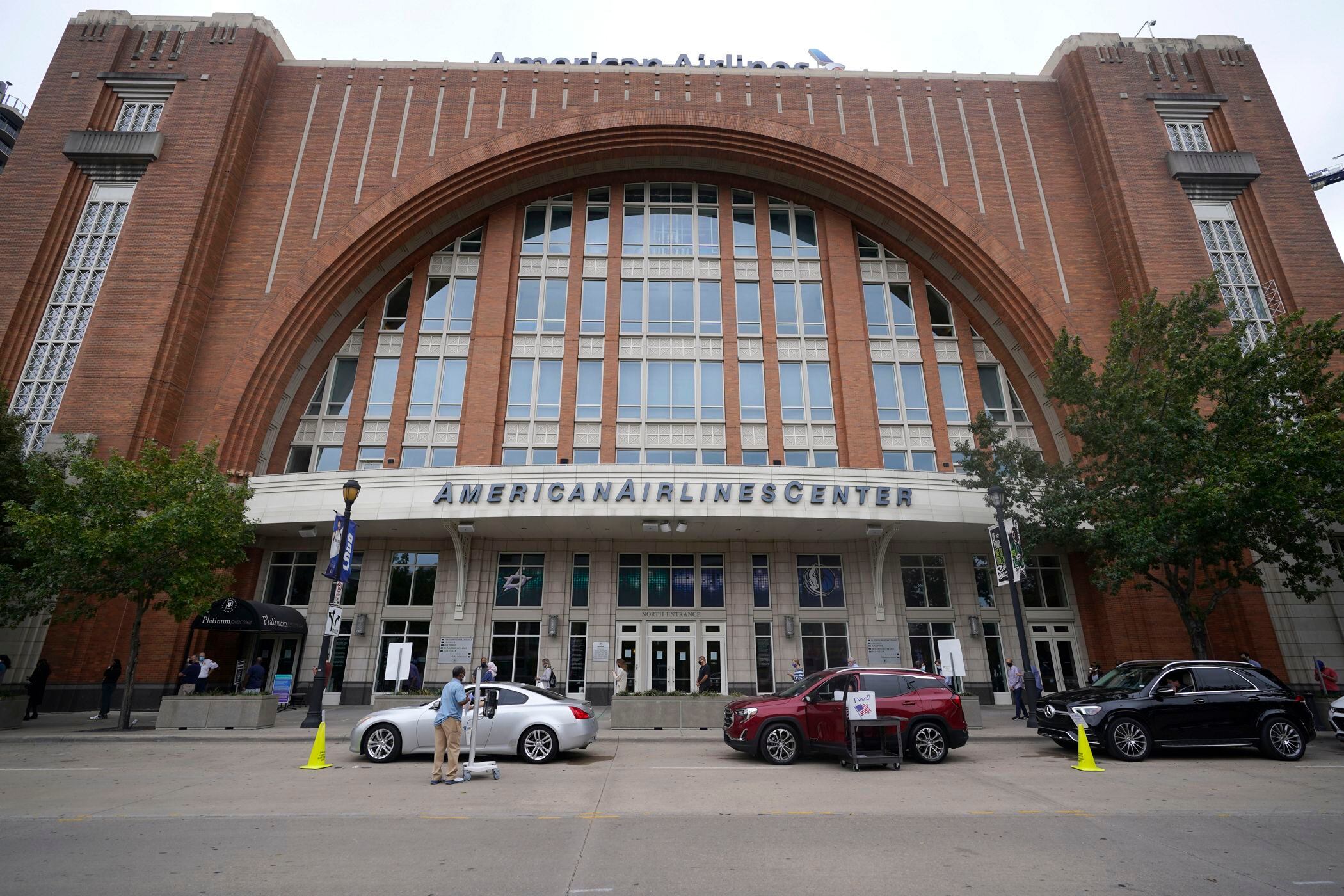
Voters cast their ballot from their vehicles as others line up and wait outside the American Airlines Center during early voting Thursday, Oct. 15, 2020, in Dallas. (AP Photo/LM Otero)
By Will Weissert and Paul J. Weber
Texans have already cast more ballots in the presidential election than they did during all of 2016, an unprecedented surge of early voting in a state that was once the country's most reliably Republican, but may now be drifting toward battleground status.
More than 9 million ballots have been cast as of Friday morning in the nation's second most-populous state, exceeding the 8,969,226 cast in 2016, according to an Associated Press tally of early votes from data provided by Texas officials.
Texas is the first state to hit the milestone. This year's numbers were aided by Democratic activists challenging in court for, and winning, the right to extend early voting by one week amid the coronavirus pandemic.
Texas also offers only limited vote-by-mail options when compared to the rest of the country, meaning casting in-person, early ballots is the primary way to vote for people who don't want to line up and do so on Election Day.
Voters in Texas do not register by party affiliation, meaning no one can be sure until the ballots are counted whether one party or the other will benefit from the surge in turnout.
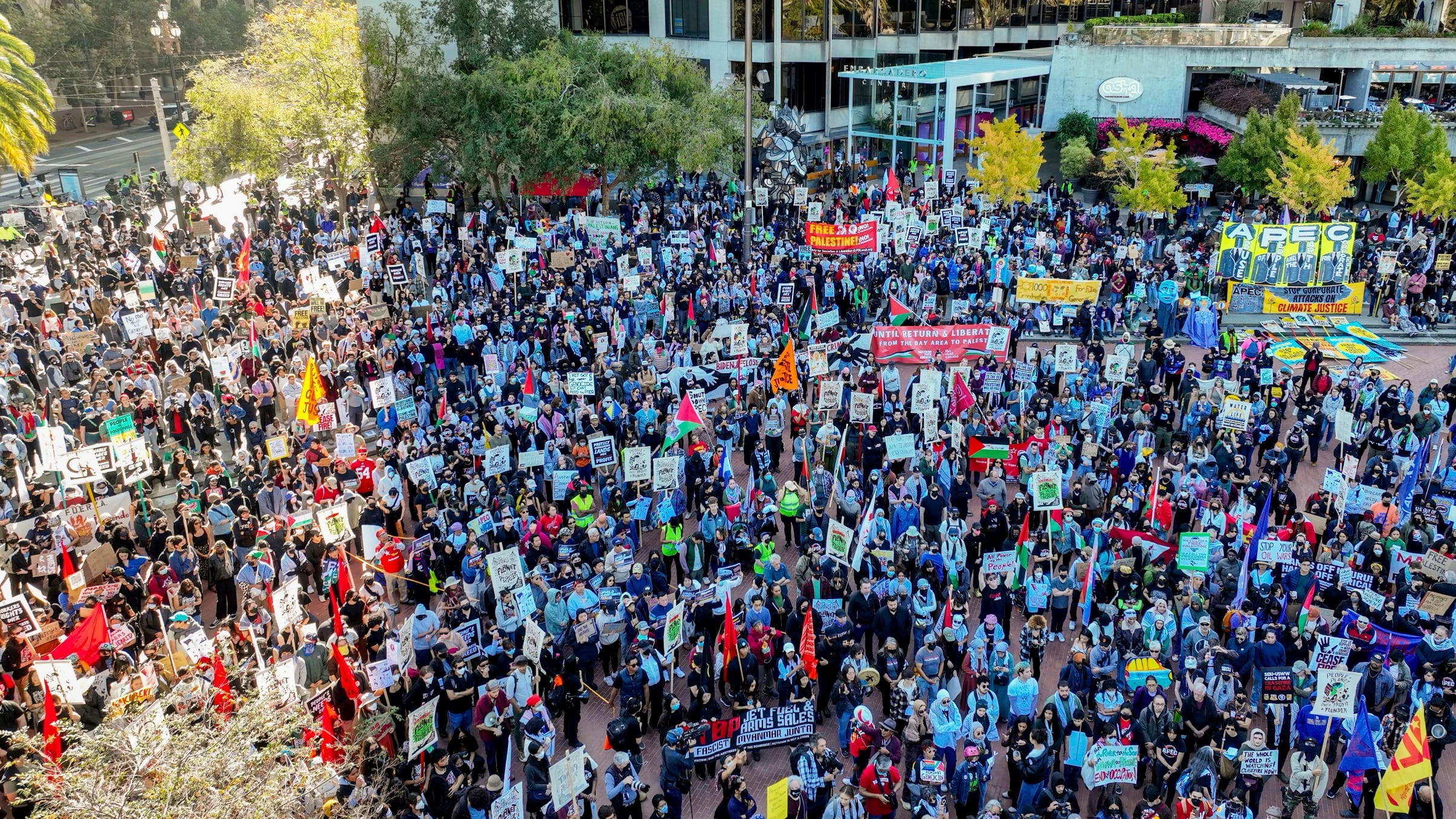
Battles between Israel and Hamas around hospitals forced thousands of Palestinians to flee from some of the last perceived safe places in northern Gaza, stranding critically wounded patients, newborns and their caregivers with dwindling supplies and no electricity, health officials said Monday.
Secret Service agents protecting President Joe Biden’s granddaughter opened fire after three people tried to break into an unmarked Secret Service vehicle in the nation’s capital, a law enforcement official told The Associated Press.
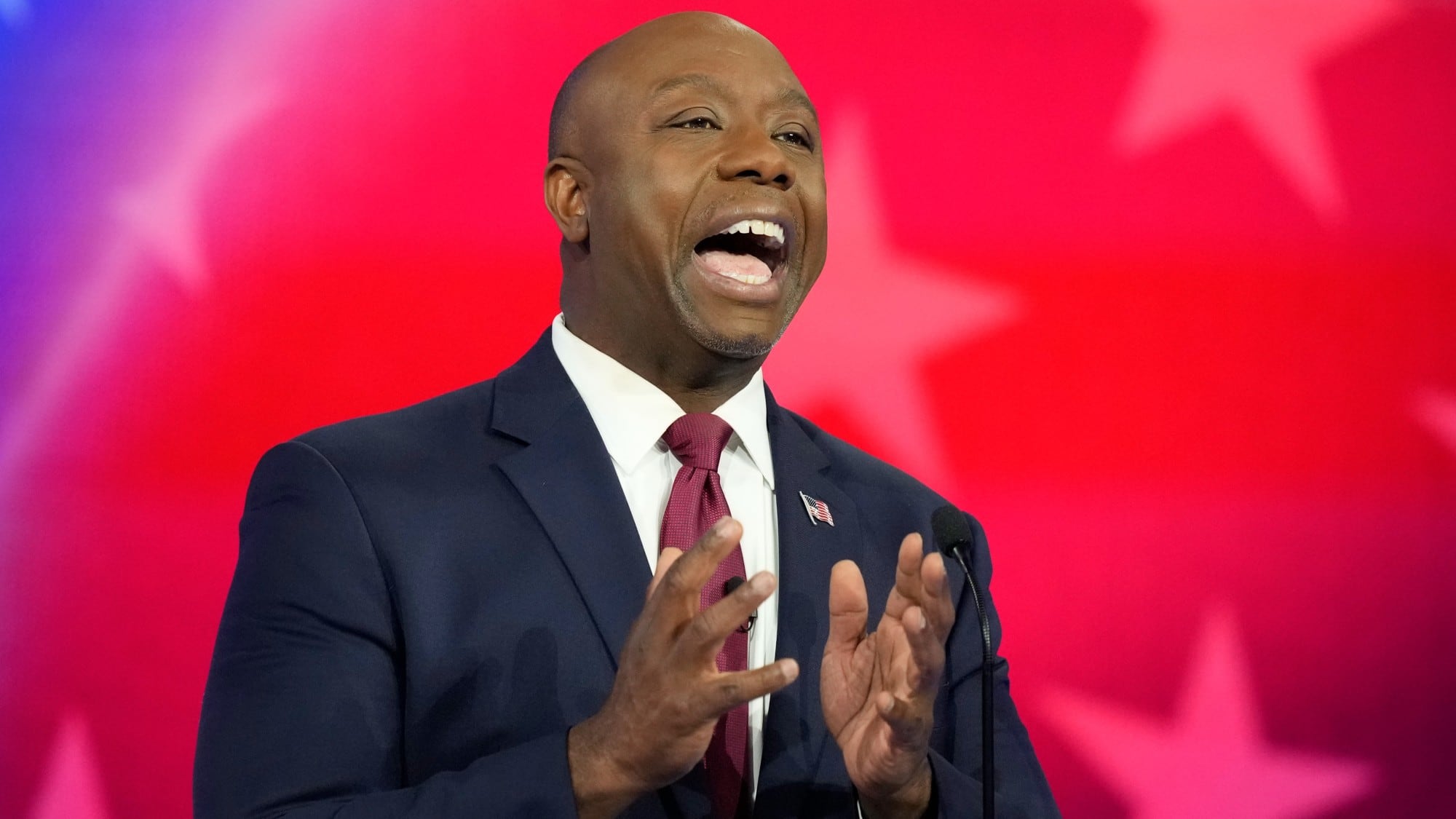
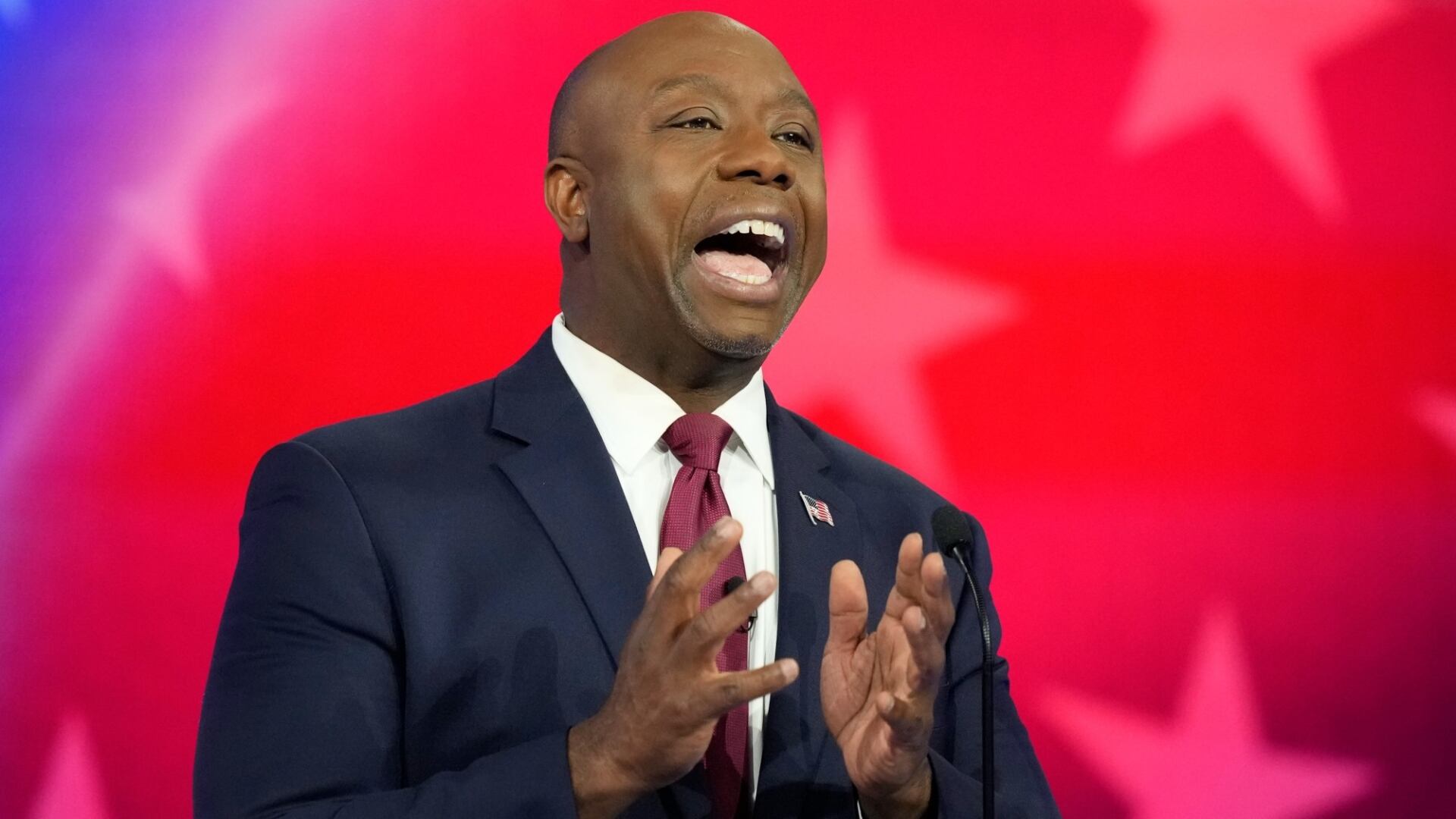
Republican presidential candidate Tim Scott says he is ending his 2024 bid for president in a move that surprised his donors and stunned his campaign staff.
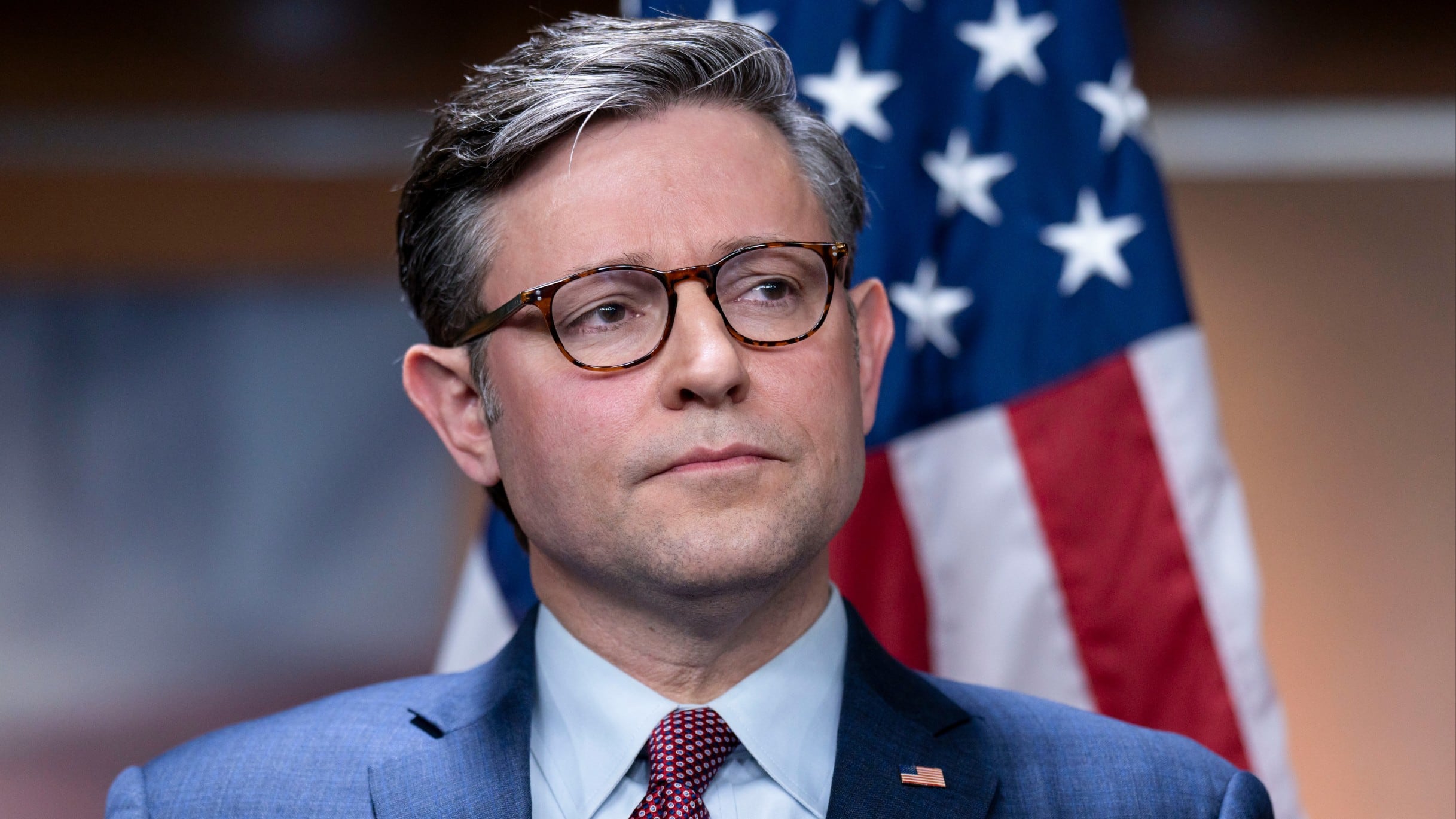
House Speaker Mike Johnson unveiled his proposal on Saturday to avoid a partial government shutdown by extending government funding for some agencies and programs until Jan. 19 and continuing funding for others until Feb. 2.