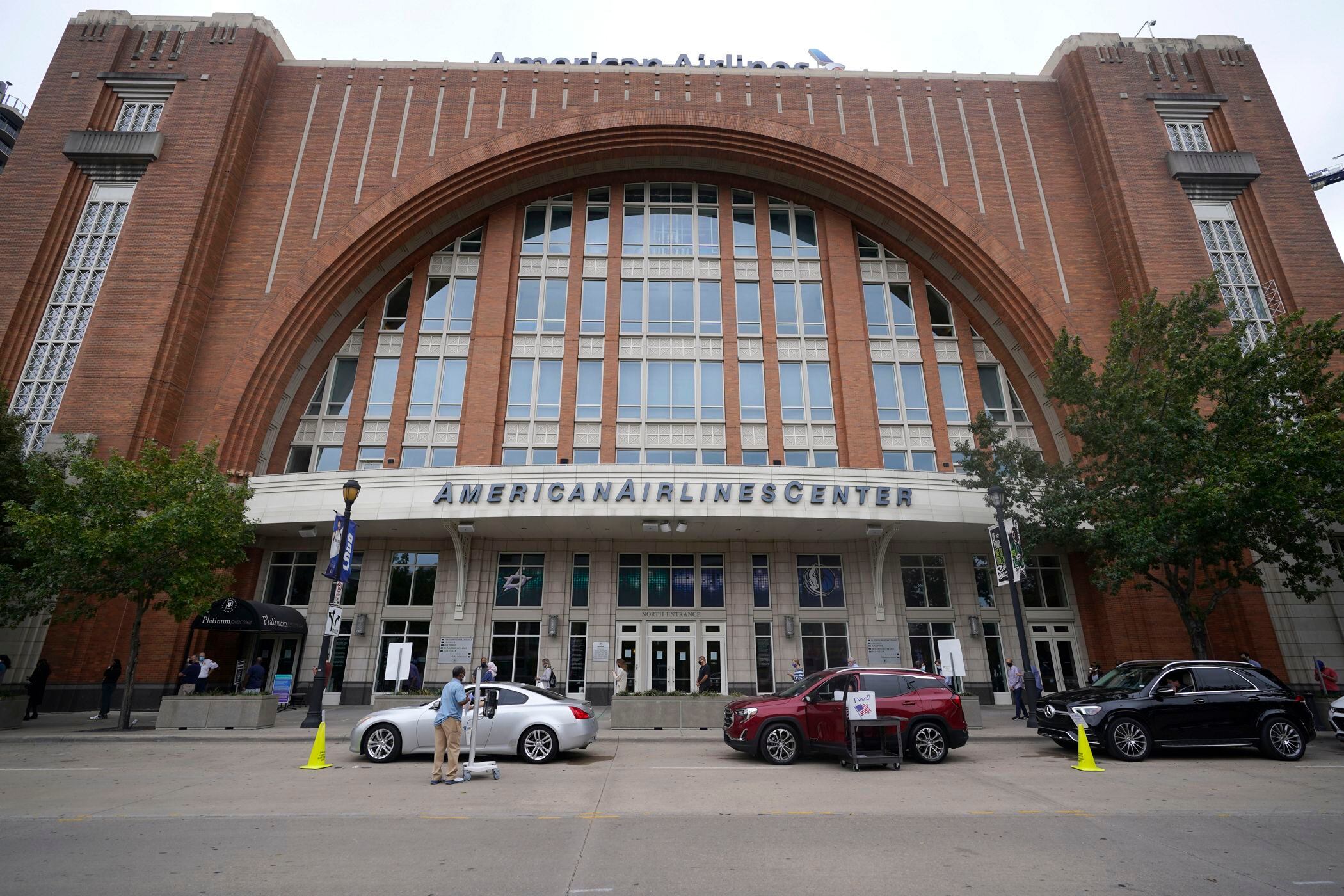
Voters cast their ballot from their vehicles as others line up and wait outside the American Airlines Center during early voting Thursday, Oct. 15, 2020, in Dallas. (AP Photo/LM Otero)
By Will Weissert and Paul J. Weber
Texans have already cast more ballots in the presidential election than they did during all of 2016, an unprecedented surge of early voting in a state that was once the country's most reliably Republican, but may now be drifting toward battleground status.
More than 9 million ballots have been cast as of Friday morning in the nation's second most-populous state, exceeding the 8,969,226 cast in 2016, according to an Associated Press tally of early votes from data provided by Texas officials.
Texas is the first state to hit the milestone. This year's numbers were aided by Democratic activists challenging in court for, and winning, the right to extend early voting by one week amid the coronavirus pandemic.
Texas also offers only limited vote-by-mail options when compared to the rest of the country, meaning casting in-person, early ballots is the primary way to vote for people who don't want to line up and do so on Election Day.
Voters in Texas do not register by party affiliation, meaning no one can be sure until the ballots are counted whether one party or the other will benefit from the surge in turnout.
Hackers have broken into a Washington, D.C. health insurance marketplace and stolen sensitive personal data including Social Security numbers and home addresses of members of Congress, their employees and family members.
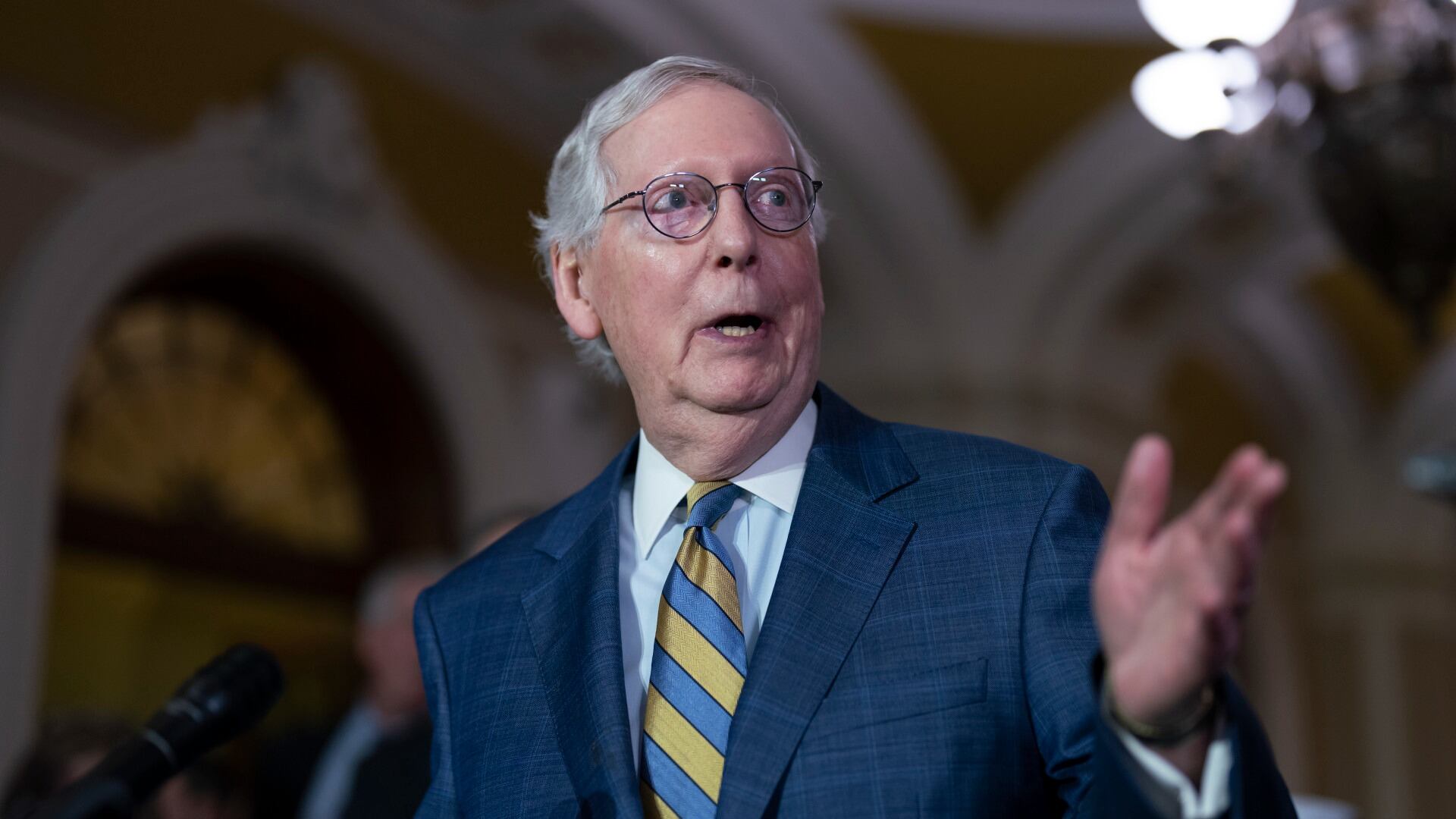
Senate Republican leader Mitch McConnell suffered a concussion after a fall at a local hotel and remains hospitalized “for a few days of observation and treatment,” a spokesman said Thursday.
Norfolk Southern's CEO is apologizing to Congress on Thursday and pledging millions of dollars to help East Palestine, Ohio, recover from the fiery hazardous materials train derailment as senators investigate.
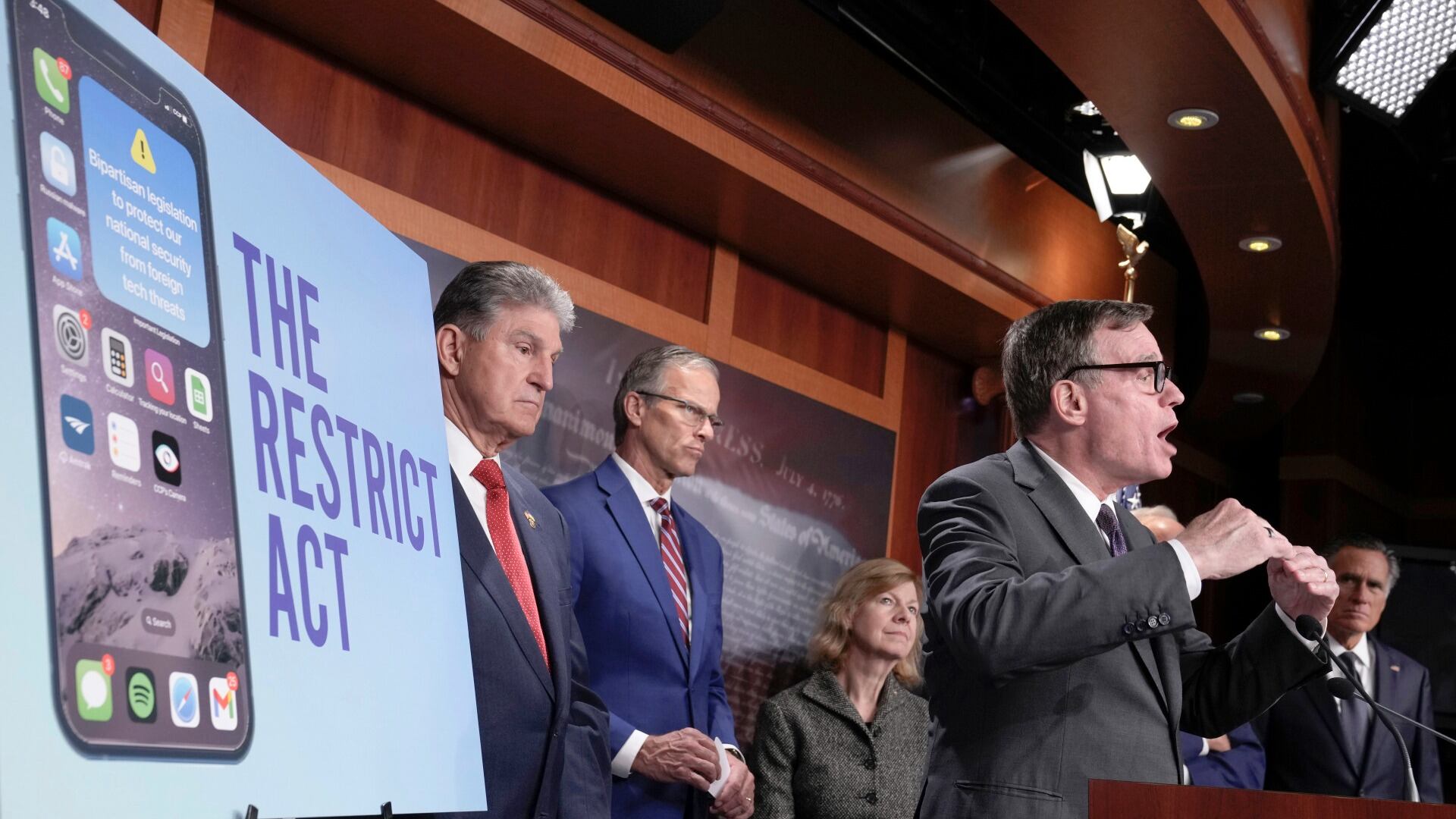
The RESTRICT Act seeks to proactively tackle dangerous technology, including TikTok, according to a bipartisan group of senators that includes Mark Warner (D-Va.).