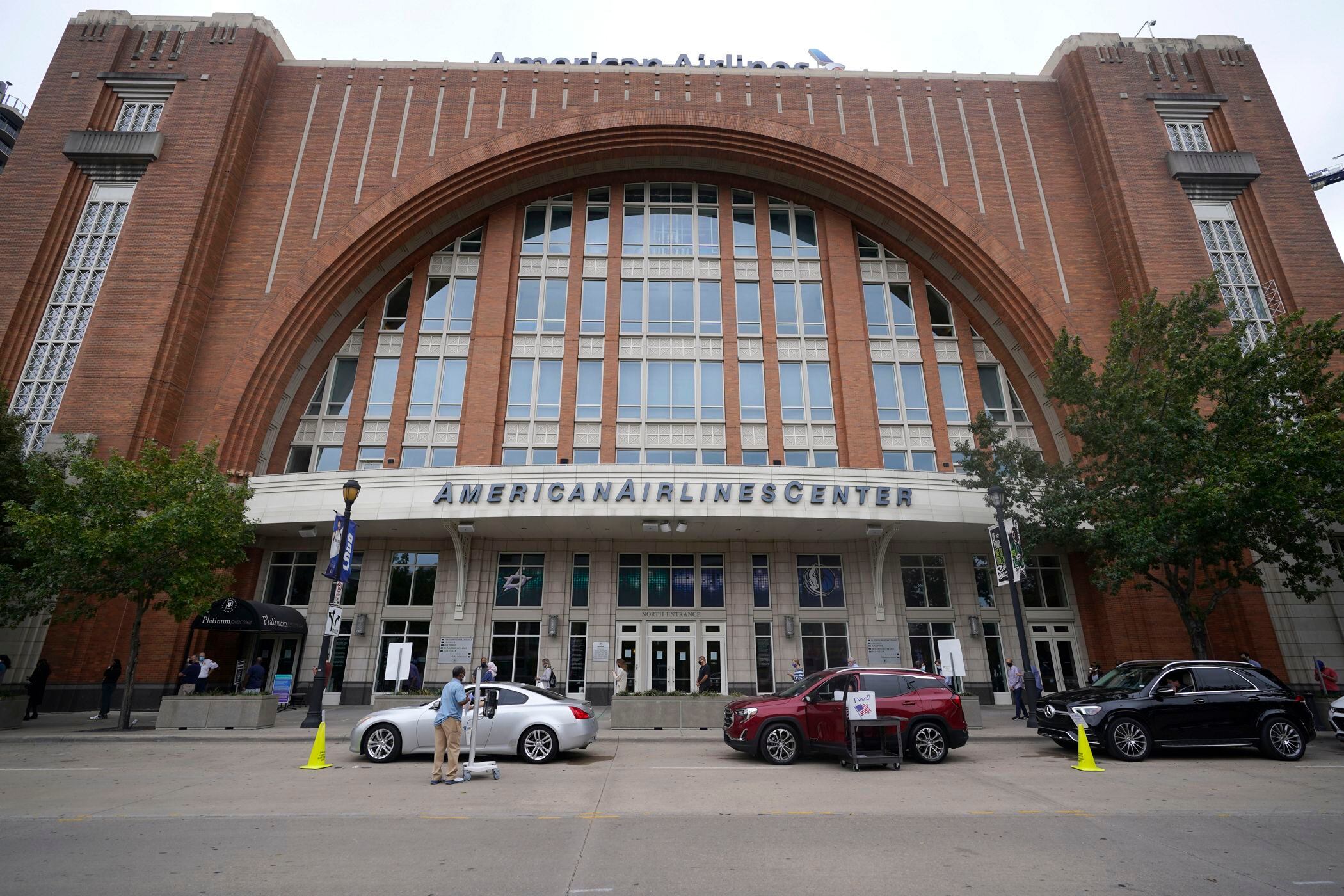
Voters cast their ballot from their vehicles as others line up and wait outside the American Airlines Center during early voting Thursday, Oct. 15, 2020, in Dallas. (AP Photo/LM Otero)
By Will Weissert and Paul J. Weber
Texans have already cast more ballots in the presidential election than they did during all of 2016, an unprecedented surge of early voting in a state that was once the country's most reliably Republican, but may now be drifting toward battleground status.
More than 9 million ballots have been cast as of Friday morning in the nation's second most-populous state, exceeding the 8,969,226 cast in 2016, according to an Associated Press tally of early votes from data provided by Texas officials.
Texas is the first state to hit the milestone. This year's numbers were aided by Democratic activists challenging in court for, and winning, the right to extend early voting by one week amid the coronavirus pandemic.
Texas also offers only limited vote-by-mail options when compared to the rest of the country, meaning casting in-person, early ballots is the primary way to vote for people who don't want to line up and do so on Election Day.
Voters in Texas do not register by party affiliation, meaning no one can be sure until the ballots are counted whether one party or the other will benefit from the surge in turnout.
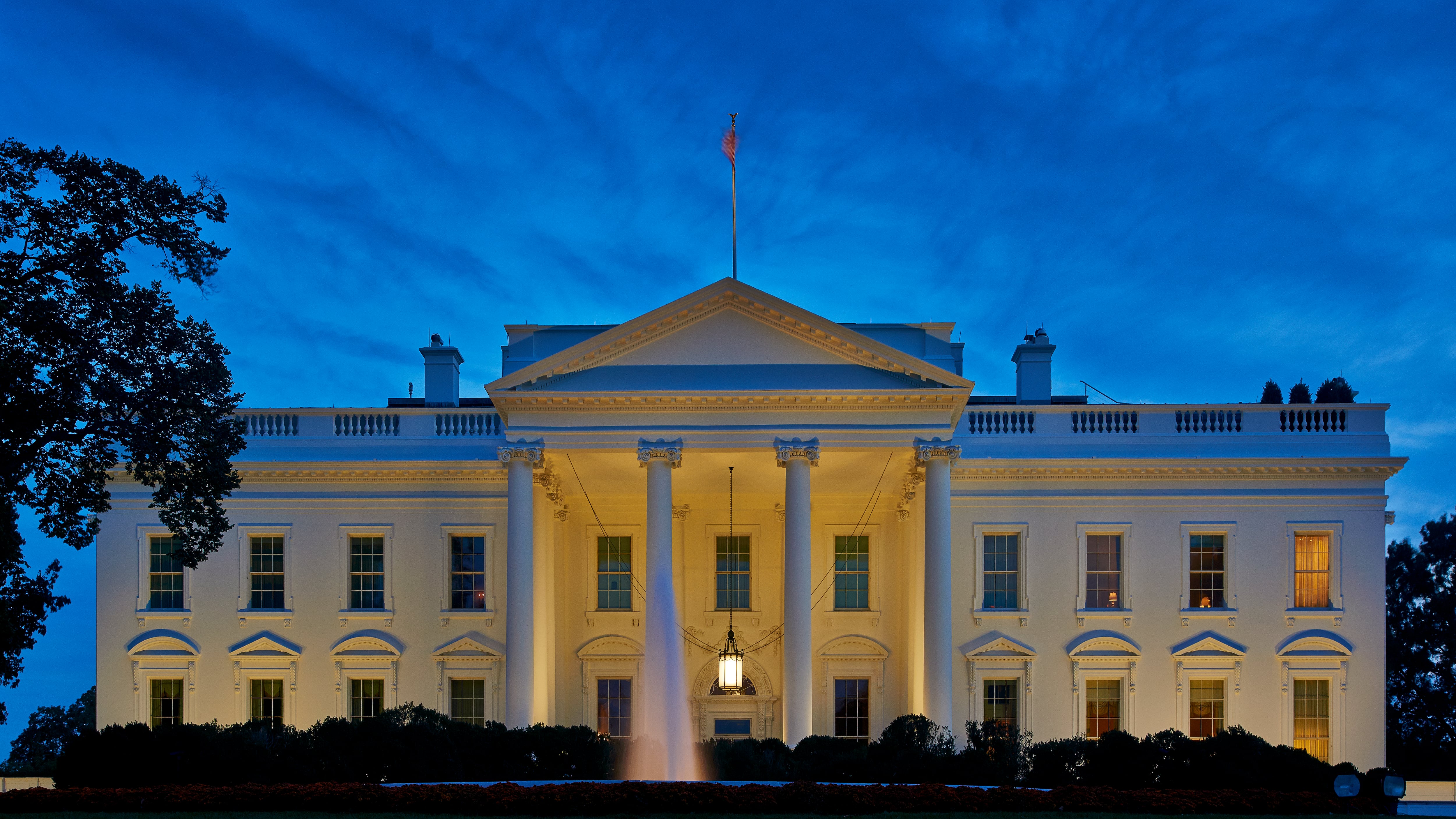
No fingerprints or DNA turned up on the baggie of cocaine found in a lobby at the White House last week despite a sophisticated FBI crime lab analysis, and surveillance footage of the area didn’t identify a suspect, according to a summary of the Secret Service investigation obtained by The Associated Press. There are no leads on who brought the drugs into the building.
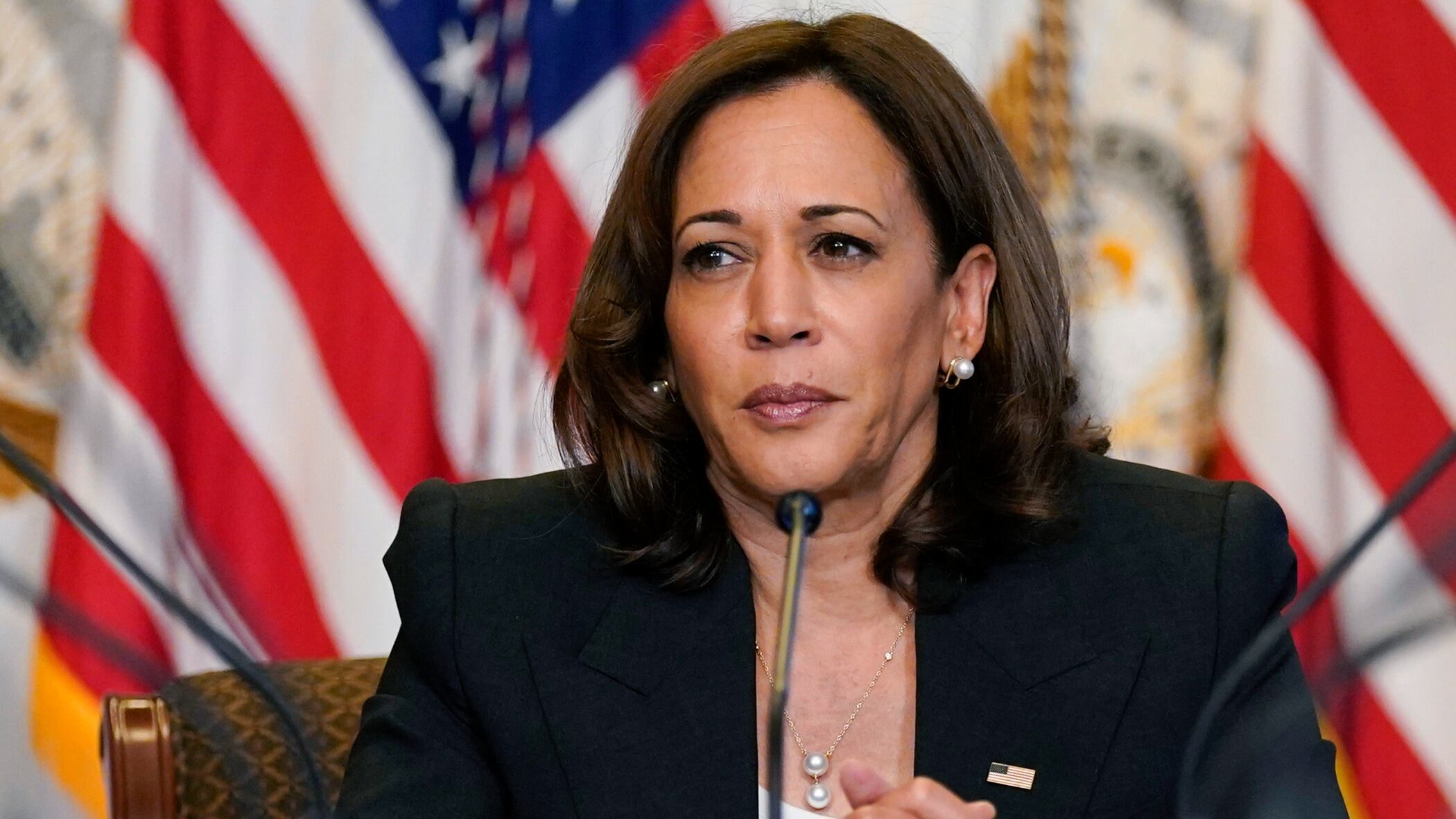
Kamala Harris, who made history as the first woman or person of color to serve as vice president, has made history again by matching the record for most tiebreaking votes in the Senate.
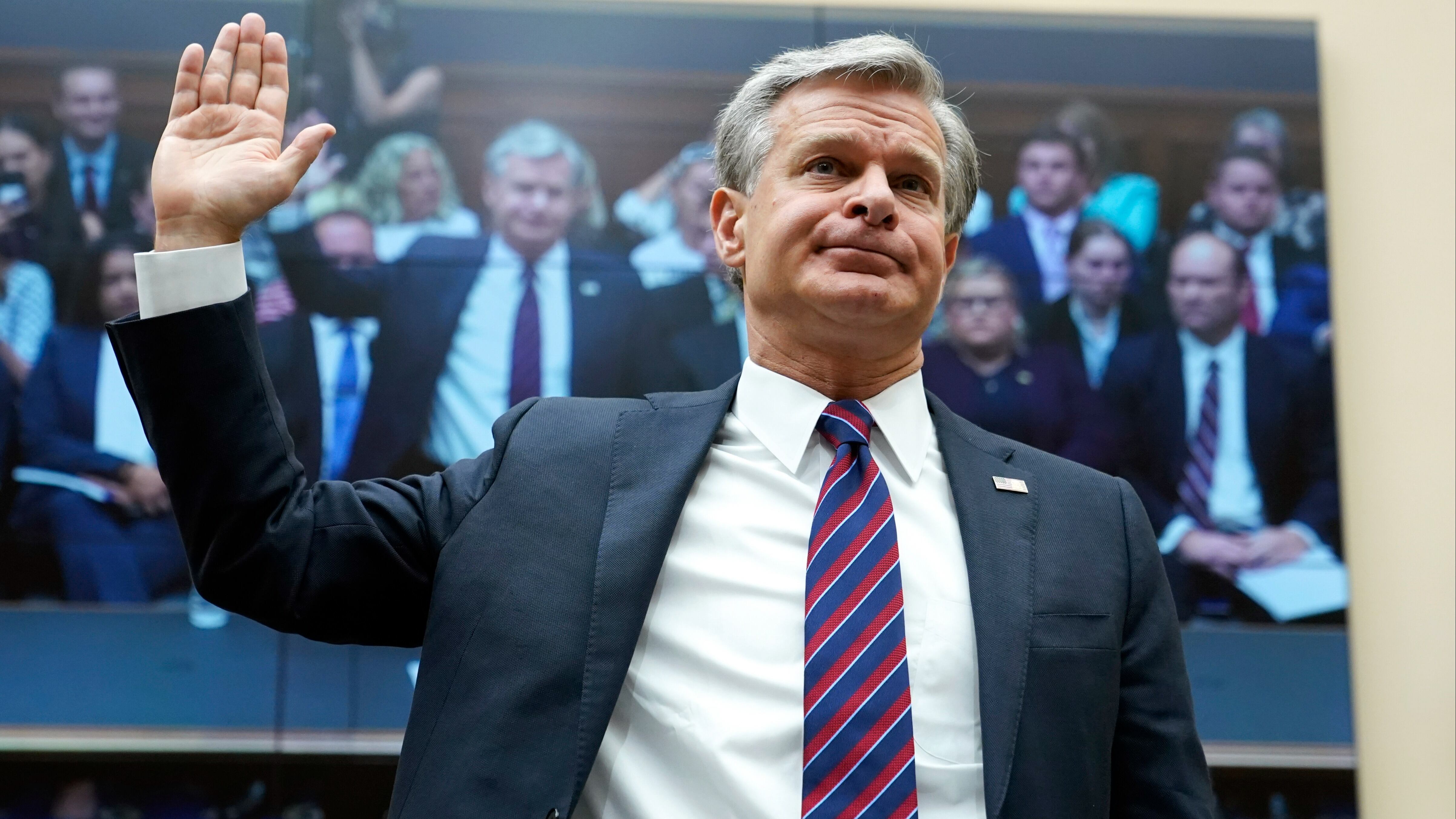
Republicans on the House Judiciary Committee accused the agency of targeting conservatives, suppressing evidence that Covid-19 came from a lab leak and abusing its surveillance powers.
The Biden administration calls it a “student loan safety net.” Opponents call it a backdoor attempt to make college free. And it could be the next battleground in the legal fight over student loan relief.
Nearly 30,000 people in Mississippi were dropped from the state's Medicaid program after an eligibility review that the government ended during the pandemic.
Members of a deeply conservative Amish community in Minnesota don't need to install septic systems to dispose of their “gray water,” the state Court of Appeals ruled Monday in a long-running religious freedom case that went all the way up to the U.S. Supreme Court.