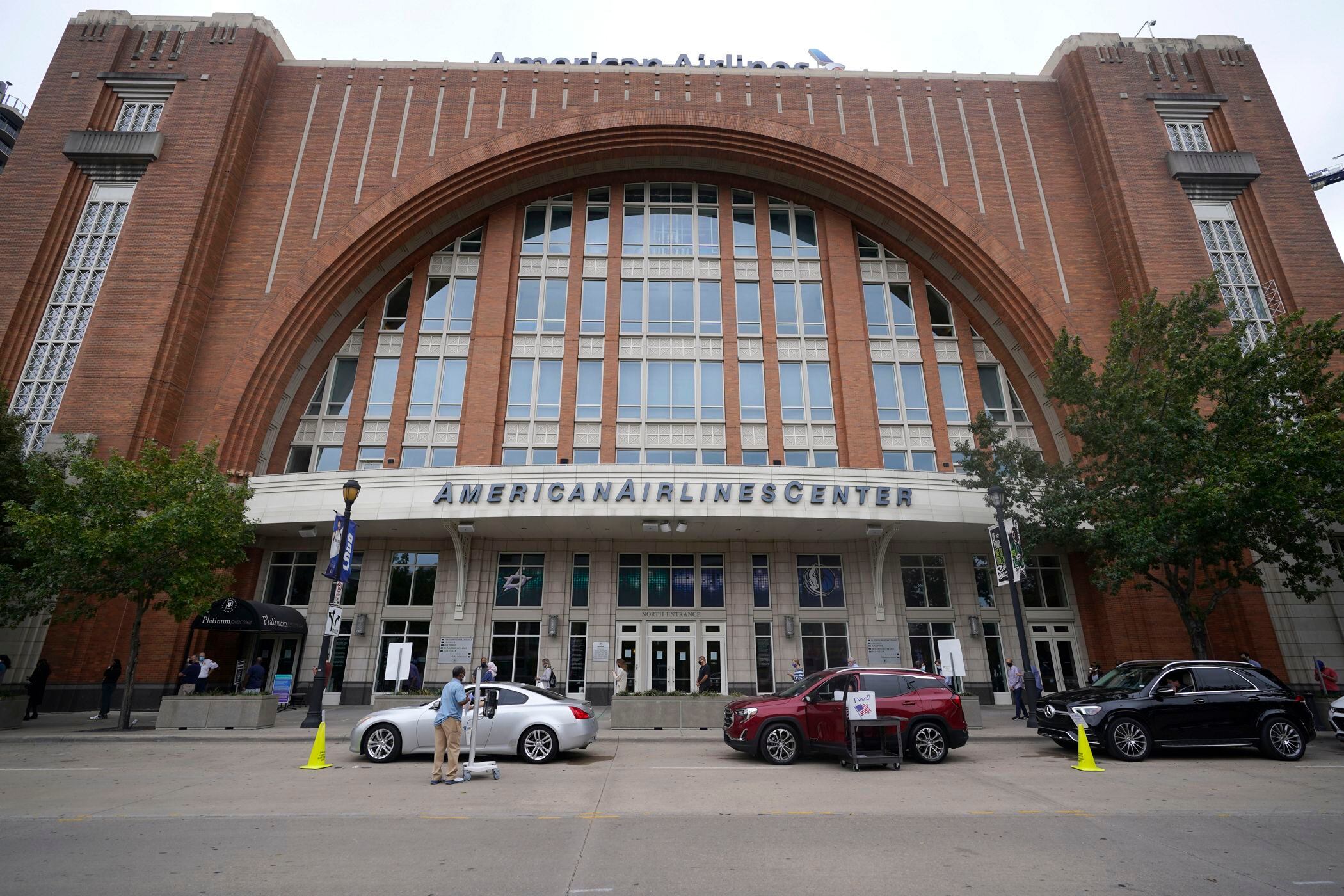
Voters cast their ballot from their vehicles as others line up and wait outside the American Airlines Center during early voting Thursday, Oct. 15, 2020, in Dallas. (AP Photo/LM Otero)
By Will Weissert and Paul J. Weber
Texans have already cast more ballots in the presidential election than they did during all of 2016, an unprecedented surge of early voting in a state that was once the country's most reliably Republican, but may now be drifting toward battleground status.
More than 9 million ballots have been cast as of Friday morning in the nation's second most-populous state, exceeding the 8,969,226 cast in 2016, according to an Associated Press tally of early votes from data provided by Texas officials.
Texas is the first state to hit the milestone. This year's numbers were aided by Democratic activists challenging in court for, and winning, the right to extend early voting by one week amid the coronavirus pandemic.
Texas also offers only limited vote-by-mail options when compared to the rest of the country, meaning casting in-person, early ballots is the primary way to vote for people who don't want to line up and do so on Election Day.
Voters in Texas do not register by party affiliation, meaning no one can be sure until the ballots are counted whether one party or the other will benefit from the surge in turnout.
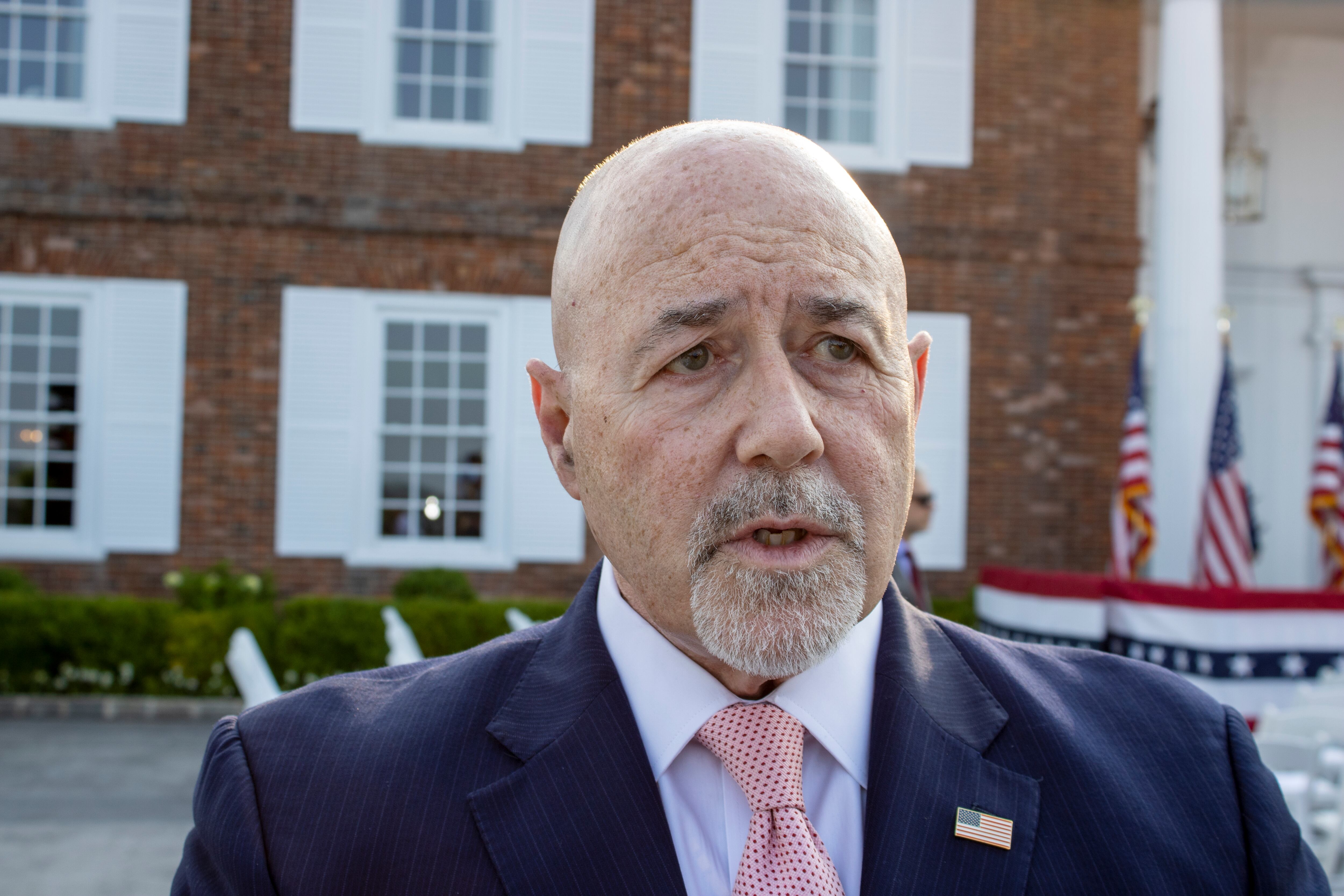
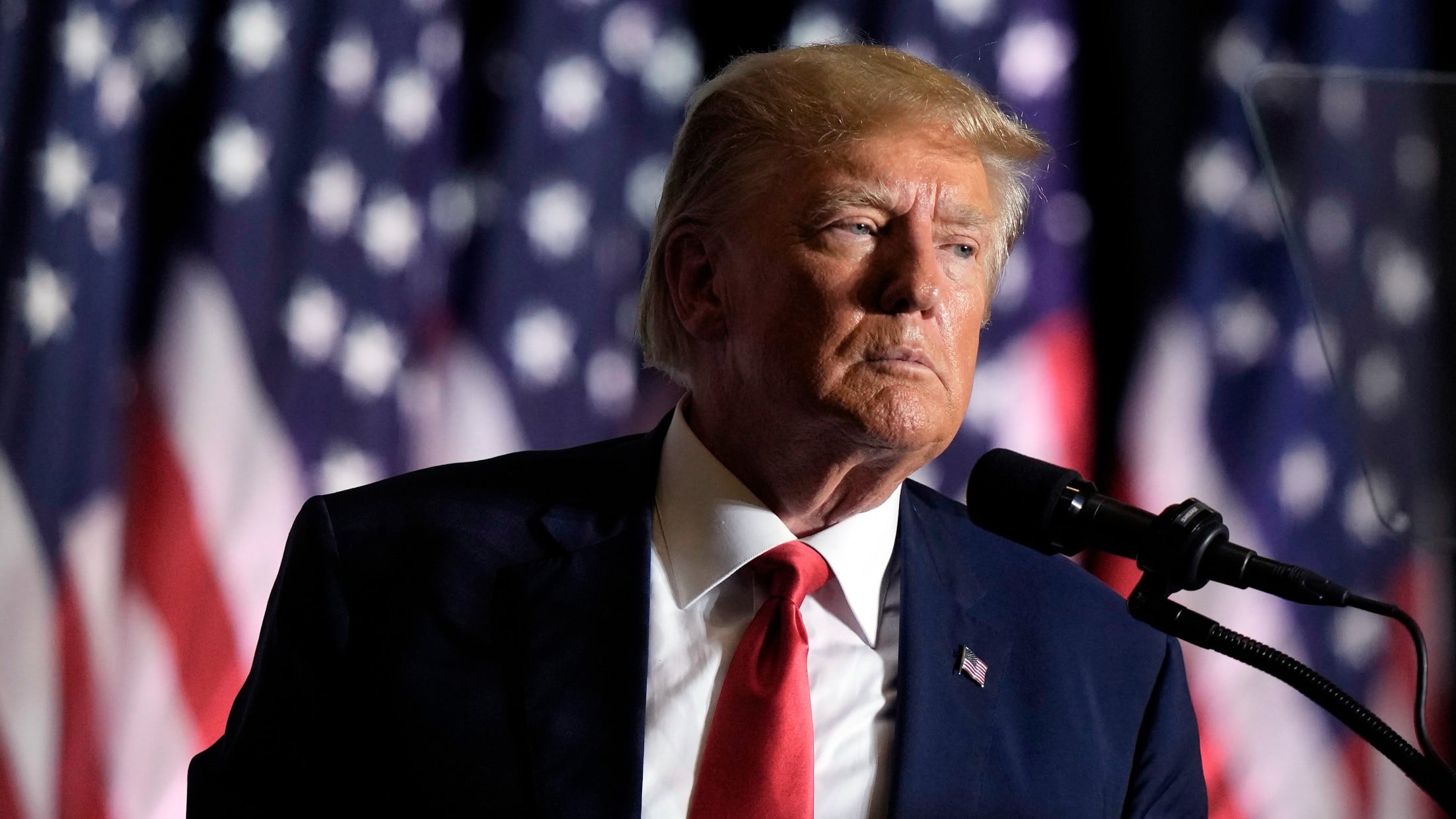
The lawyer for former NYPD commissioner Bernard Kerik turned over thousands of pages and documents to a special counsel as part of an investigation into Kerik's alleged involvement to overturn the results of the 2020 election.
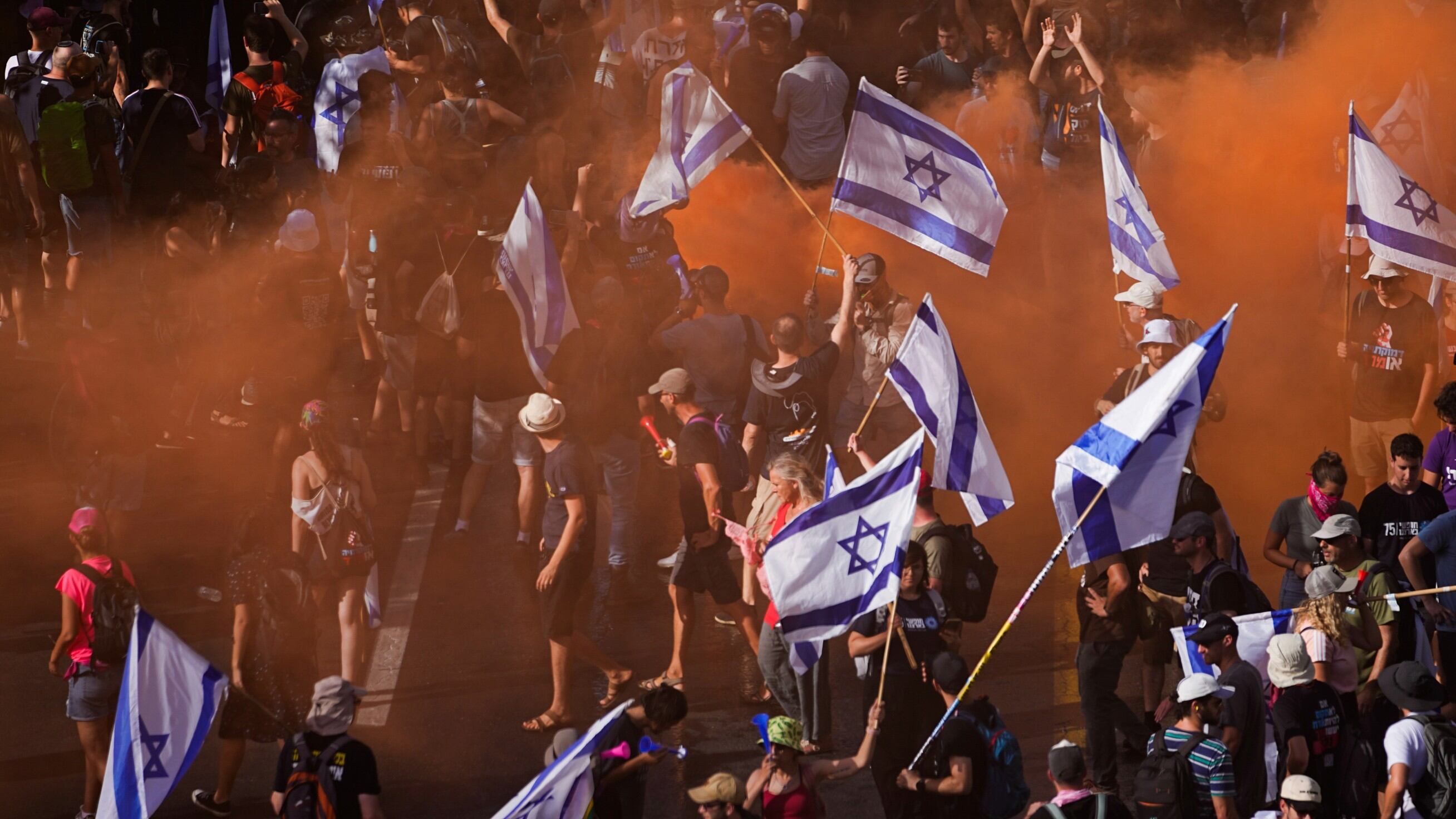
Israel’s parliament on Monday approved the first major law in Prime Minister Benjamin Netanyahu’s contentious plan to overhaul the country’s justice system, triggering a new burst of mass protests and drawing accusations that he was pushing the country toward authoritarian rule.
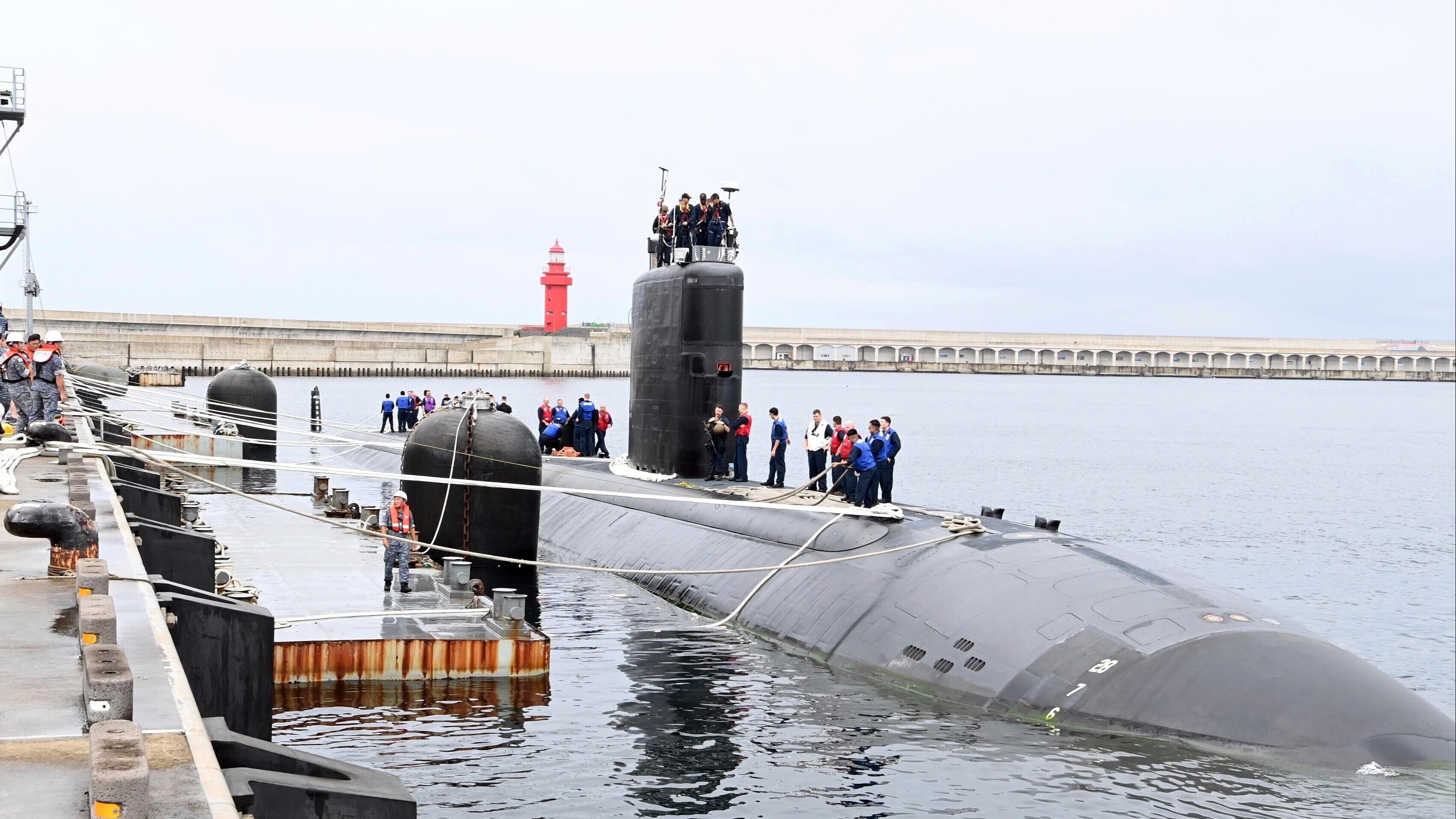
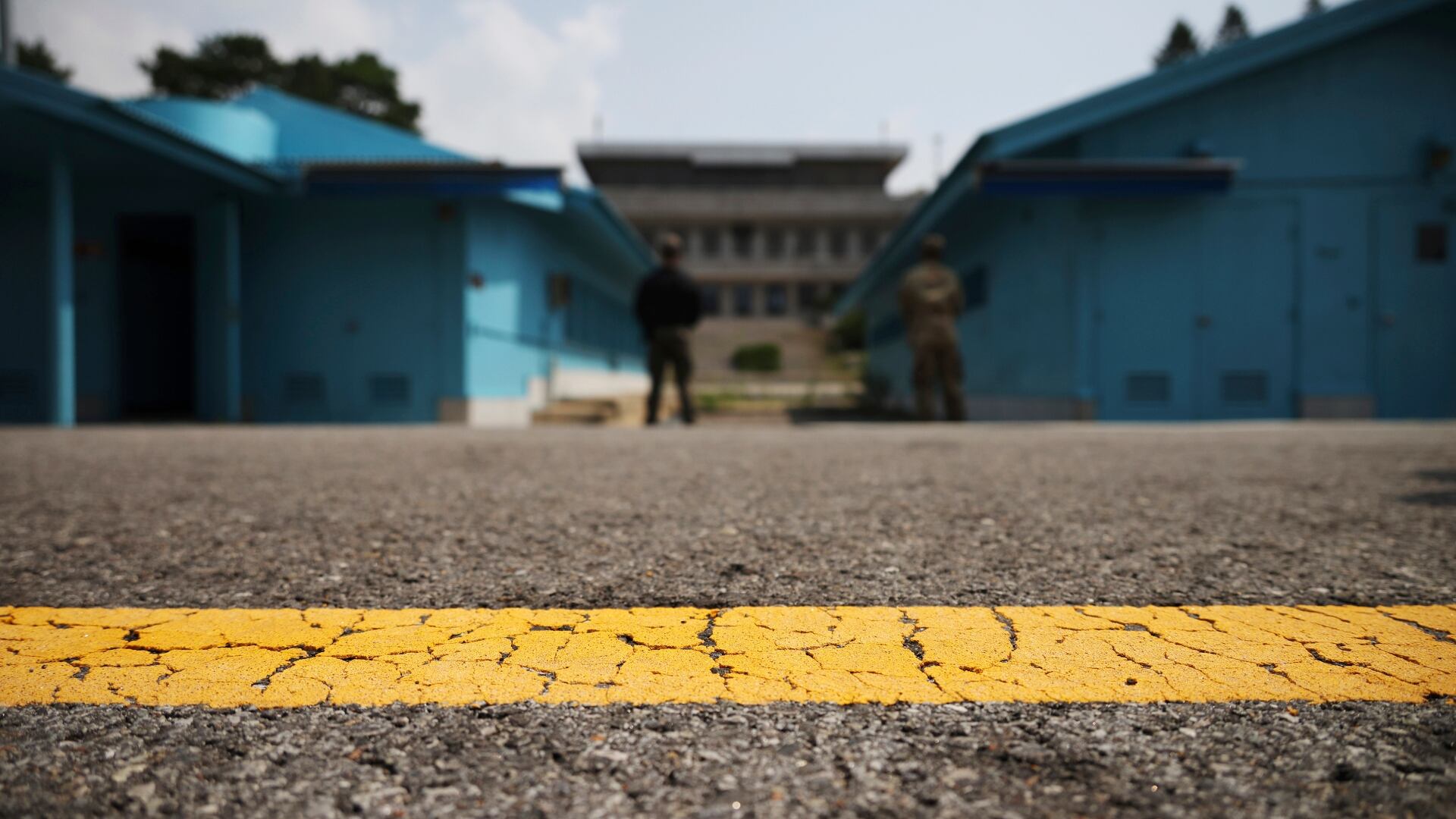
North Korea fired two short-range ballistic missiles into its eastern sea, South Korea’s military said Tuesday, adding to a recent streak in weapons testing that is apparently in protest of the U.S. sending major naval assets to South Korea in a show of force.
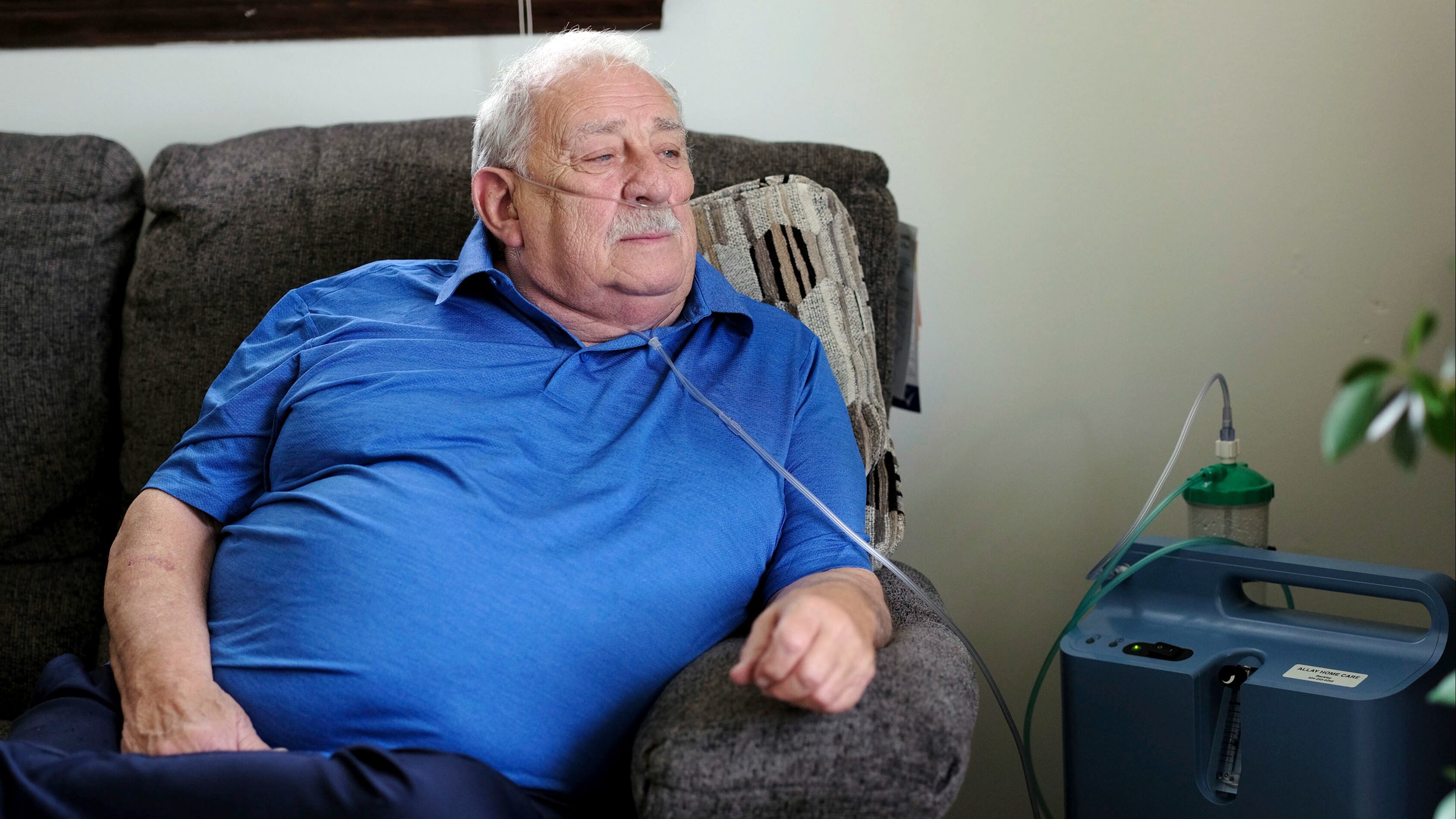
Now the federal Mine Safety and Health Administration has proposed a rule that would cut the current limit for silica exposure by half — a major victory for safety advocates. But there is skepticism and concern about the government following through after years of broken promises and delays.
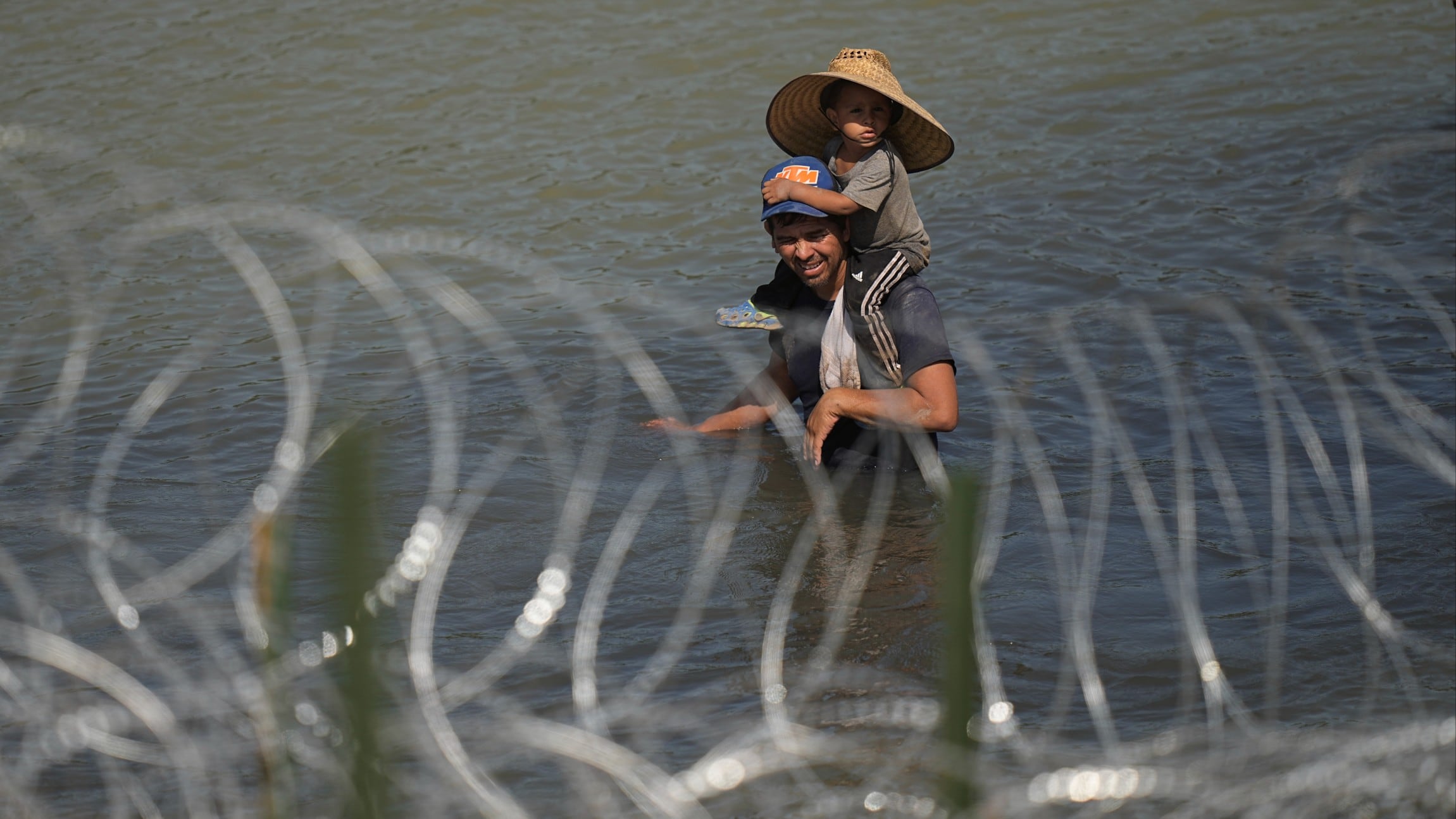
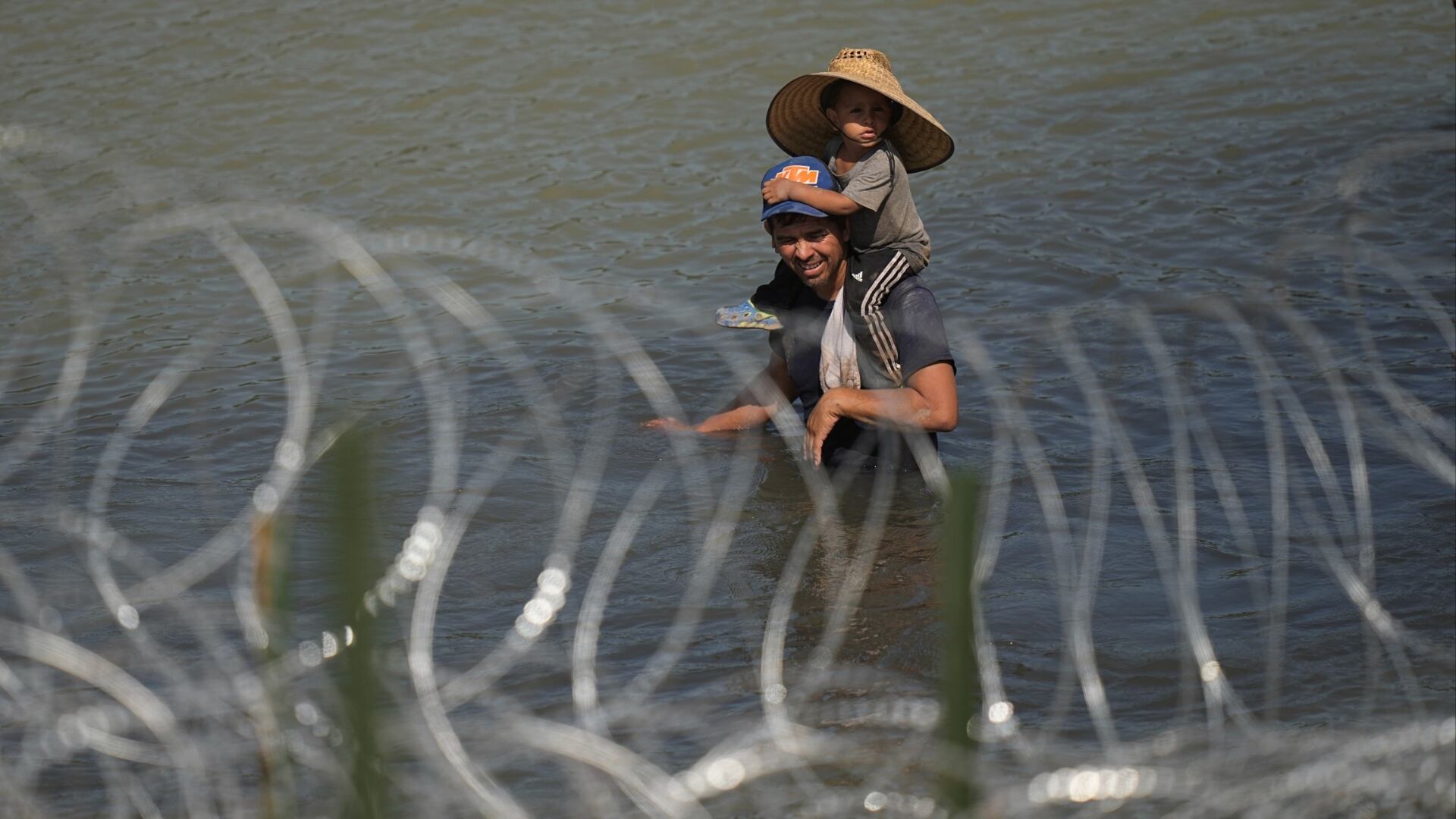
A state trooper's account of officers denying migrants water in 100-degree Fahrenheit (37.7 Celsius) temperatures and razor wire leaving asylum-seekers bloodied has prompted renewed criticism.