Tesla says its first production Cybertruck electric pickup has rolled off the assembly line, nearly two years behind the original schedule.
The company tweeted a photo on Saturday showing scores of workers in helmets and yellow vests surrounding the truck.
“First Cybertruck built at Giga Texas!” Tesla tweeted, including a cowboy hat-wearing emoji. Owner Elon Musk retweeted the post.
Musk unveiled the truck in late 2019, and Tesla had said production would start in late 2021, although the company has since cautioned that production would begin slowly and in smaller numbers than Tesla's other vehicles.
With its wedge shape and stainless-steel body — which Tesla calls the exoskeleton — the Cybertruck looks nothing like a traditional pickup. Some analysts have panned it as a niche product that won't have broad appeal.
Musk said in April that the company expected to deliver the first truck probably in the July-through-September quarter. He said that as with other new products, production would start slowly and then speed up.
“It takes time to get the manufacturing line going,” he said, “and this is really a very radical product. It’s not made in the way that other cars are made. So let’s see.”
The truck's 2019 unveiling veered off course when a window that was touted as unbreakable was spider-cracked when hit by a big metal ball, which prompted an expletive from Musk.
Tesla originally said it would make three versions of the truck, ranging from about $40,000 to $70,000. Later the company removed prices from the page where customers can decide whether to plunk down $100 and place an order.
Competitors have rushed into the electric truck market, including the Ford F-150 Lightning and Rivian Automotive's R1T. Both look like conventional pickups.
Tesla is scheduled to report second-quarter financial results on July 19.
Adtalem CEO Steve Beard addresses a report from Safkhet Capital taking the short position on the for-profit education giant, plus why he believes there should be financial recourse for student loan borrowers misled by their institutions.
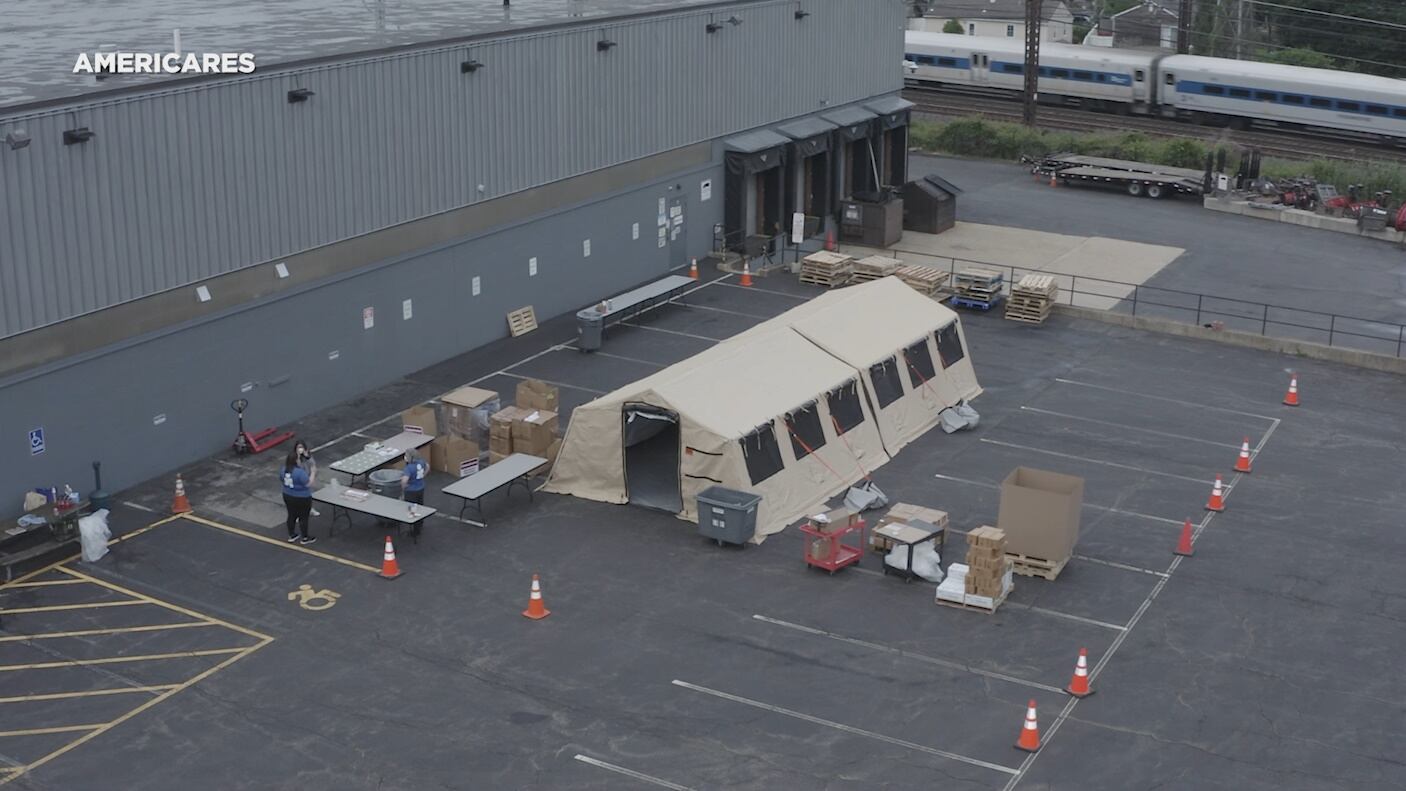
CEO of Americares Christine Squires shares how the organization is helping provide medical assistance in a time of increasing instability, war, and climate-related disaster.
Doug Clinton, Deepwater Asset Management managing partner, shares tips for investors looking to take advantage of the massive boom in artificial intelligence beyond Microsoft and Nvidia.
Jason Moser, analyst and adviser at the Motley Fool, shares thoughts on recent tech earnings, including what’s behind Google’s share price drop and why A.I. could be Microsoft’s ‘iPhone moment.’
CEOs of social media platforms like Facebook, TikTok, and more meet with lawmakers Wednesday about how they are protecting children from sexual exploitation.
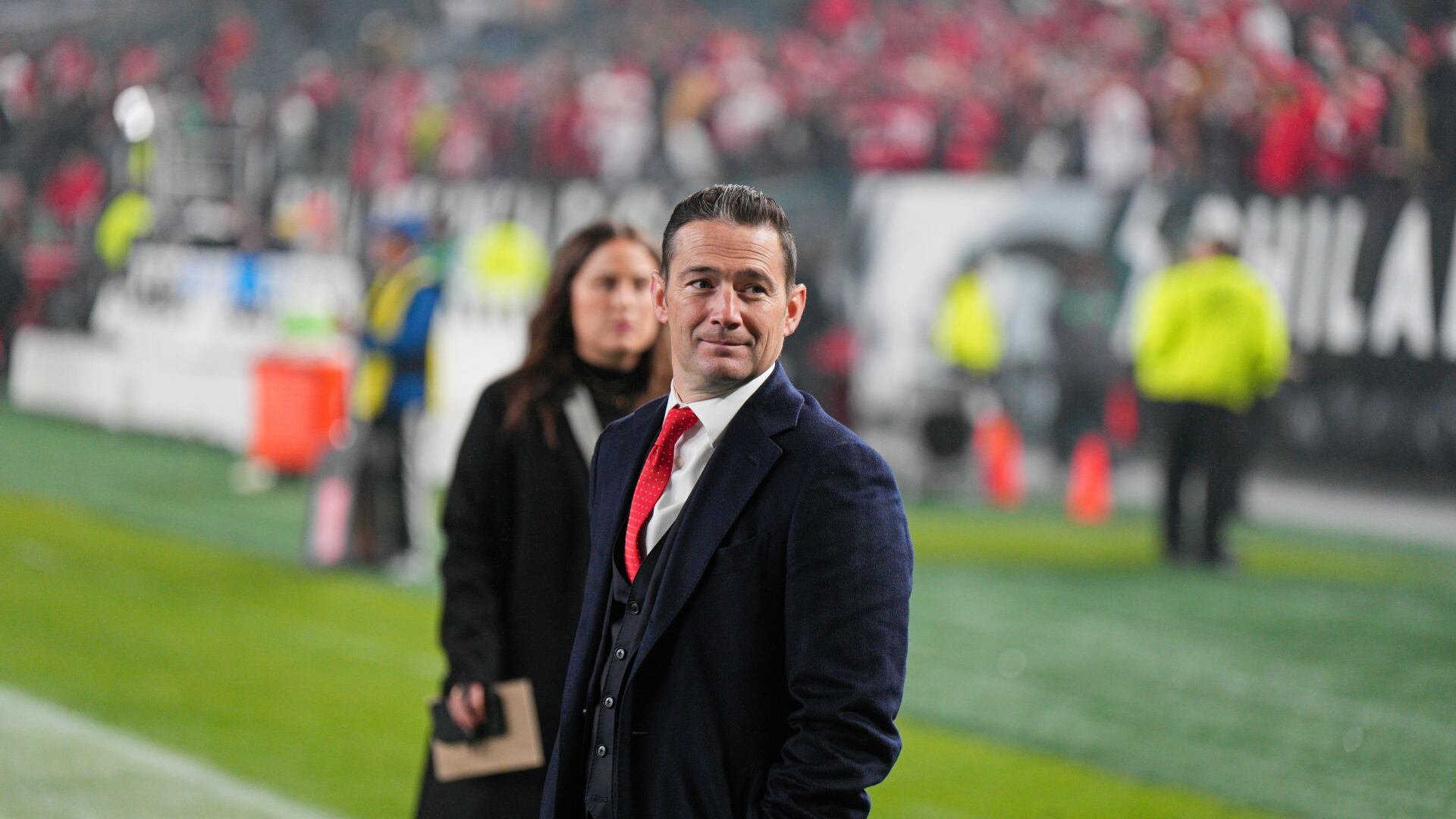
San Francisco 49ers president Al Guido discusses what goes into preparing for Super Bowl LVIII, building a championship-ready team, and how Taylor Swift and streaming are both bringing new fans to the NFL.
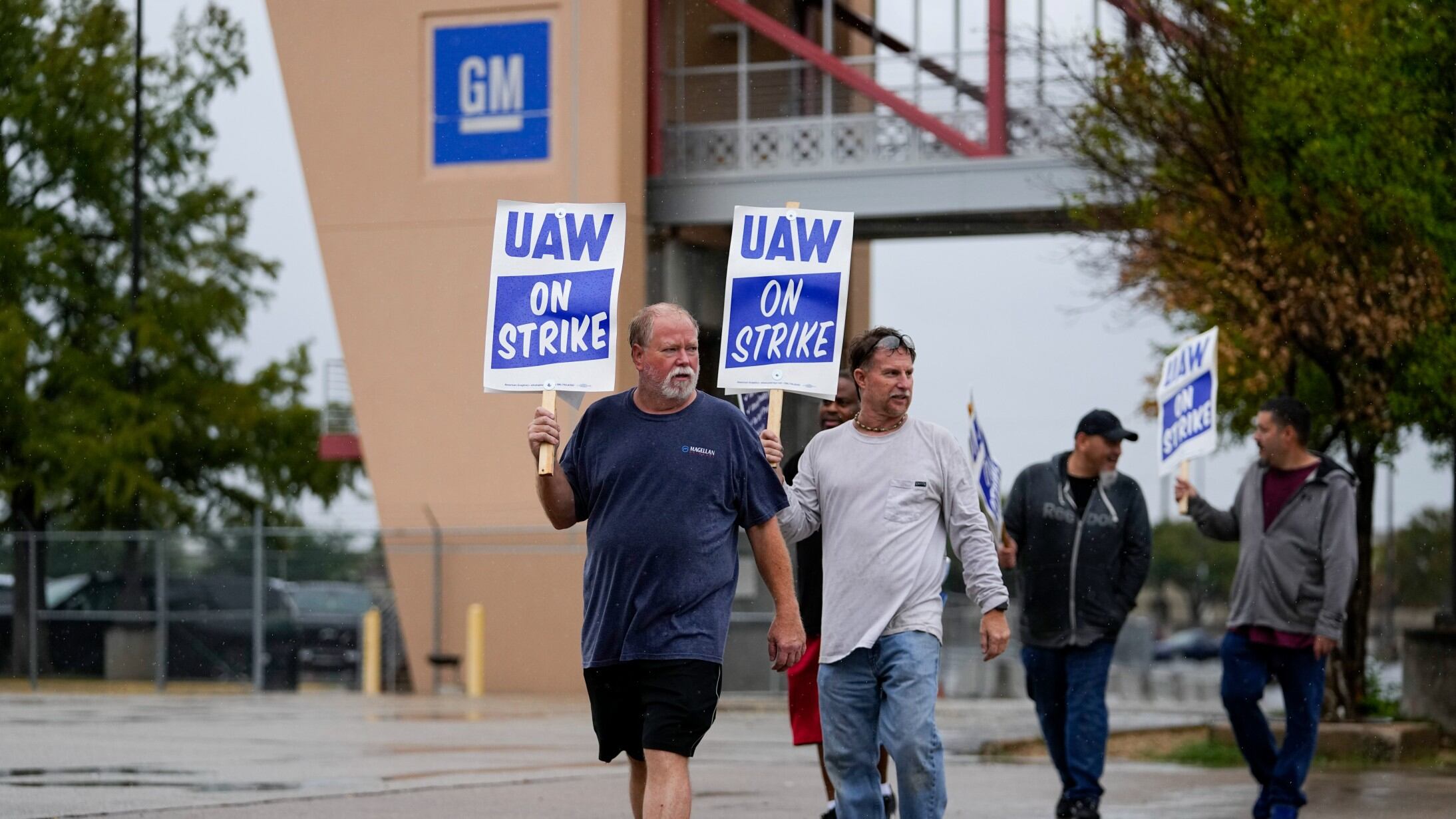
A $1 billion loss from a six-week strike did not crash GM's net income last year, which instead rose 12% — and the automaker expects improvement in 2024, too.
Accrue CEO and founder Michael Hershfield explains why Americans' credit card delinquencies are on the rise, advice on what can help, and the key difference between Boomers and Gen Z when it comes to money.
Senior Economist at Morning Consult Kayla Bruun shares thoughts on what to expect from the Fed's January meeting and where monetary policy is headed, as well as how consumers are faring.