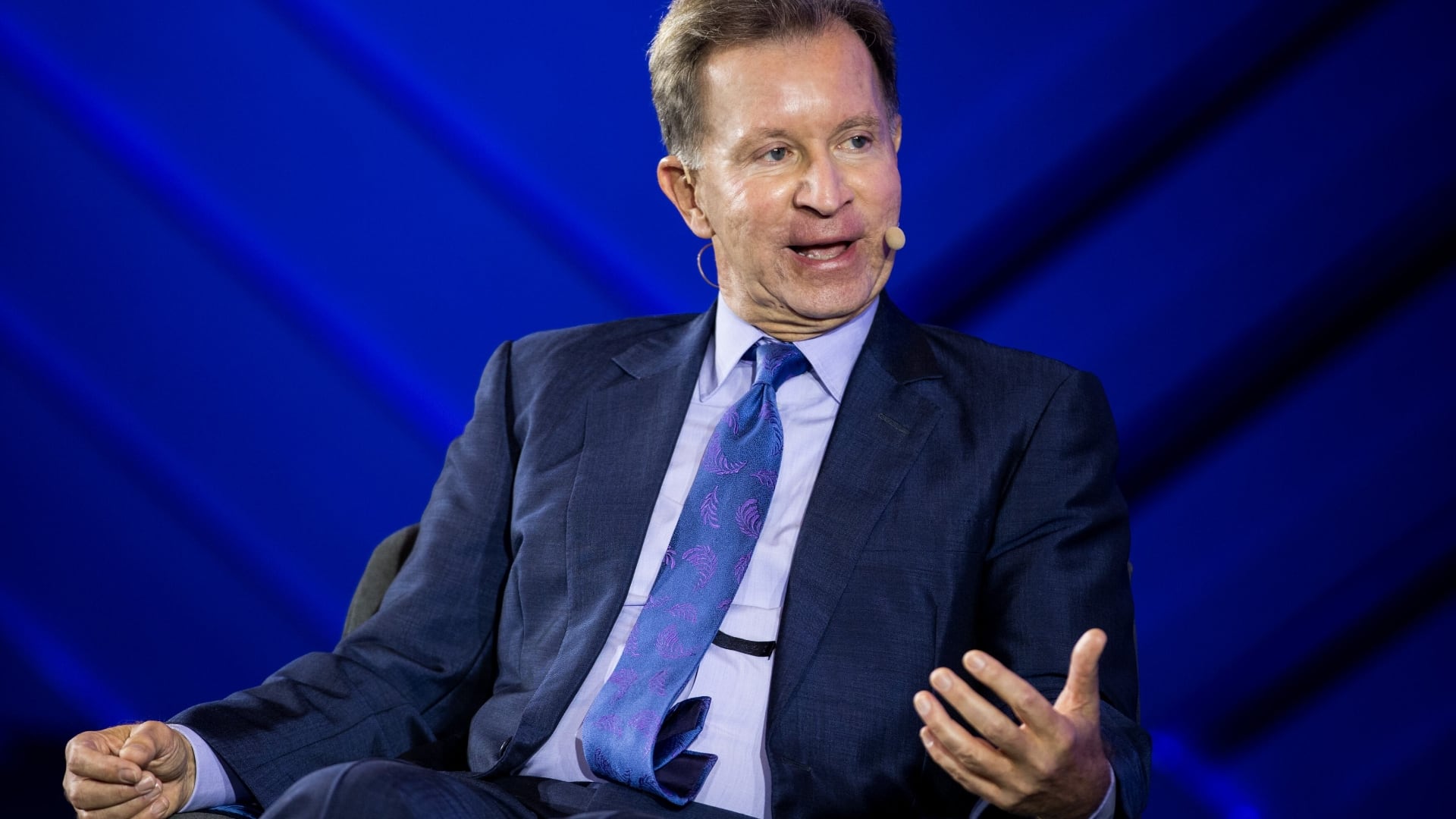
Tesla announced Tuesday it would cut 9 percent of its workforce in an effort to reduce costs.
The layoffs, first reported by Bloomberg and later confirmed by Tesla's CEO Elon Musk in a [tweet](https://twitter.com/elonmusk/status/1006597562156003328), will largely affect salaried employees and not the company's manufacturing line. Musk said the cuts were "difficult, but necessary" and won't hurt Tesla's ability to meet production targets for its Model 3 vehicle.
"They're focusing on the jobs that are going to be driving revenue and profit for the company and cutting everything else," said Galileo Russell, founder of HyperChange TV. "Obviously the Model 3 ramp is the most important thing right now and keeping that production line fully staffed is a must."
Tesla has experienced repeated production delays of its mass-market Model 3 for almost a year. Musk had said he expected to roll out 5,000 cars a week by the end of 2017, but with the assembly line mired in what he called "manufacturing hell," the target has been pushed back several times.
At the company's shareholder meeting last week, Musk said Tesla was now on track to make 6,000 Model 3 cars a week by the end of the month. That news sent shares soaring nearly 10 percent, their biggest gain since November 2015.
The stock was up as much as 7 percent Tuesday morning after the research firm Keybanc Capital raised its forecast for Model 3 deliveries by as much as 50 percent, to 35,000 cars, in the second quarter.
News of the layoffs ate into the stock's gains.
A Tesla spokesman said the job cuts would reduce Tesla's headcount to about 37,000 employees.
For full interview, [click here](https://cheddar.com/videos/tesla-to-cut-about-9-of-workforce).
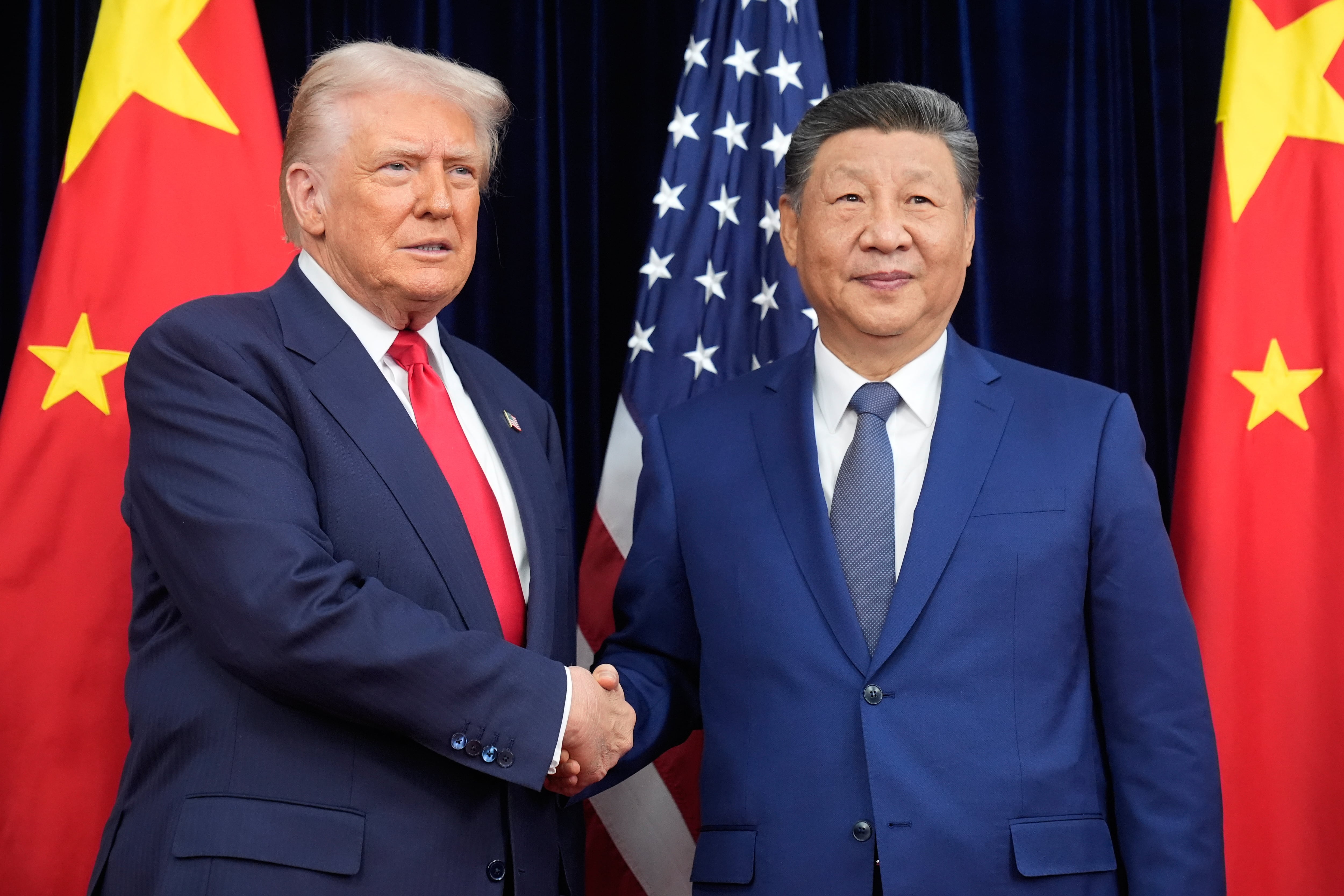
President Donald Trump said he has decided to lower his combined tariff rates on imports of Chinese goods to 47% after talks with Chinese leader Xi Jinping on curbing fentanyl trafficking.
Universal Music Group and AI platform Udio have settled a copyright lawsuit and will collaborate on a new music creation and streaming platform. The companies announced on Wednesday that they reached a compensatory legal settlement and new licensing agreements. These agreements aim to provide more revenue opportunities for Universal's artists and songwriters. The rise of AI song generation tools like Udio has disrupted the music streaming industry, leading to accusations from record labels. This deal marks the first since Universal and others sued Udio and Suno last year. Financial terms of the settlement weren't disclosed.
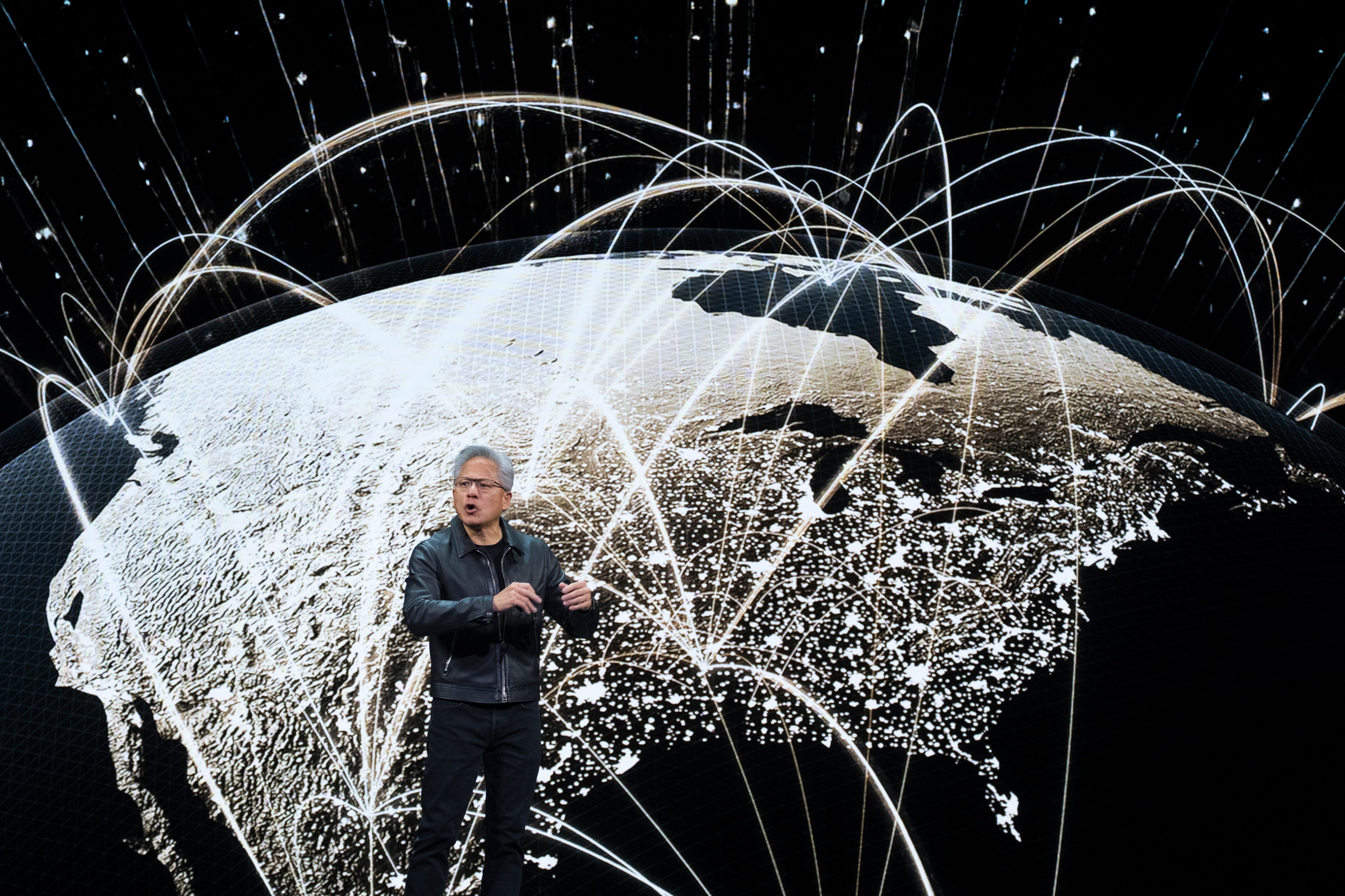
Nvidia on Wednesday became the first public company to reach a market capitalization of $5 trillion. The ravenous appetite for the Silicon Valley company’s chips is the main reason that the company’s stock price has increased so rapidly since early 2023.
Chris Williamson, Chief Business Economist at S&P Global, breaks down September’s CPI print and inflation trends, explaining what it means for markets.