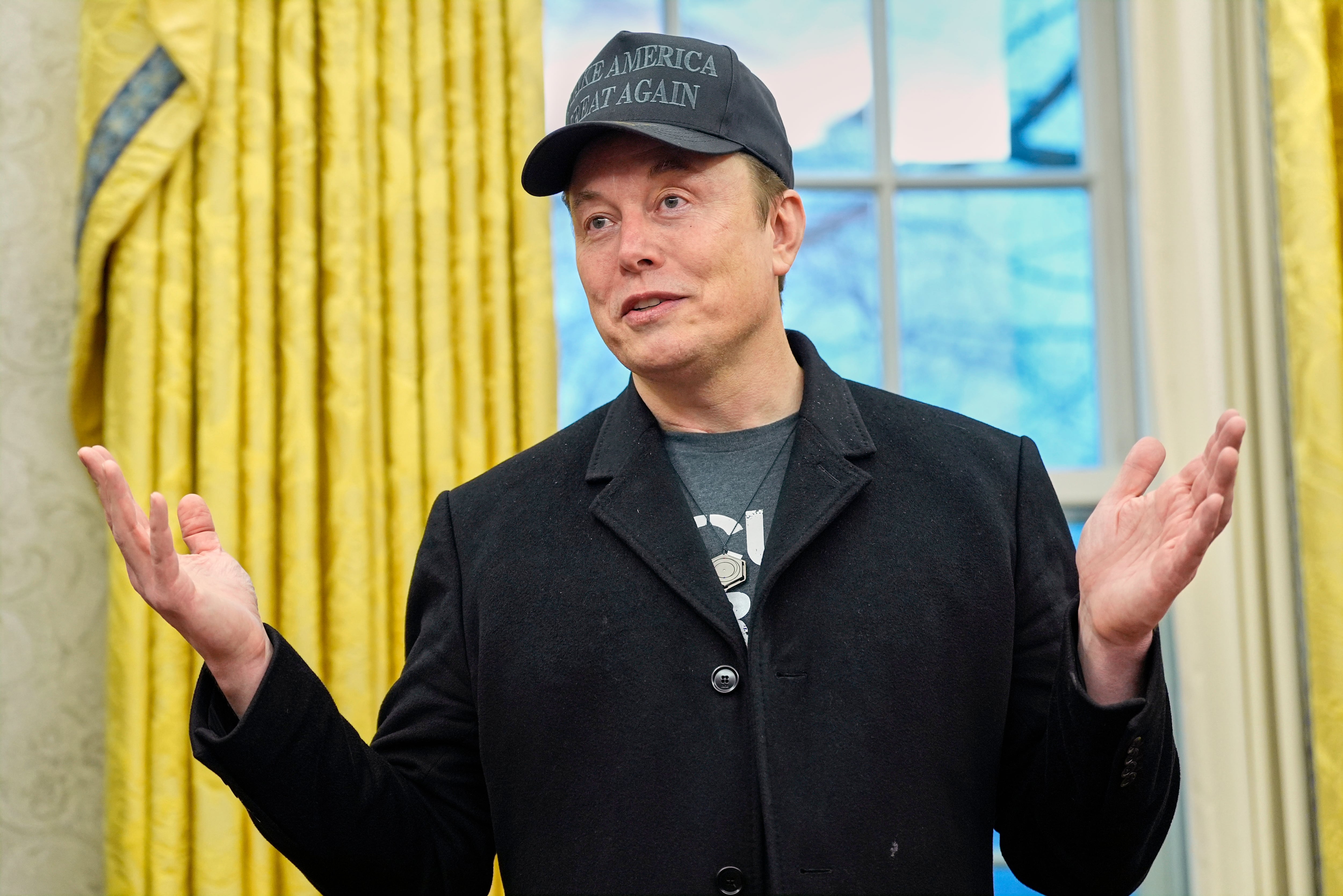
Tesla announced Tuesday it would cut 9 percent of its workforce in an effort to reduce costs.
The layoffs, first reported by Bloomberg and later confirmed by Tesla's CEO Elon Musk in a [tweet](https://twitter.com/elonmusk/status/1006597562156003328), will largely affect salaried employees and not the company's manufacturing line. Musk said the cuts were "difficult, but necessary" and won't hurt Tesla's ability to meet production targets for its Model 3 vehicle.
"They're focusing on the jobs that are going to be driving revenue and profit for the company and cutting everything else," said Galileo Russell, founder of HyperChange TV. "Obviously the Model 3 ramp is the most important thing right now and keeping that production line fully staffed is a must."
Tesla has experienced repeated production delays of its mass-market Model 3 for almost a year. Musk had said he expected to roll out 5,000 cars a week by the end of 2017, but with the assembly line mired in what he called "manufacturing hell," the target has been pushed back several times.
At the company's shareholder meeting last week, Musk said Tesla was now on track to make 6,000 Model 3 cars a week by the end of the month. That news sent shares soaring nearly 10 percent, their biggest gain since November 2015.
The stock was up as much as 7 percent Tuesday morning after the research firm Keybanc Capital raised its forecast for Model 3 deliveries by as much as 50 percent, to 35,000 cars, in the second quarter.
News of the layoffs ate into the stock's gains.
A Tesla spokesman said the job cuts would reduce Tesla's headcount to about 37,000 employees.
For full interview, [click here](https://cheddar.com/videos/tesla-to-cut-about-9-of-workforce).
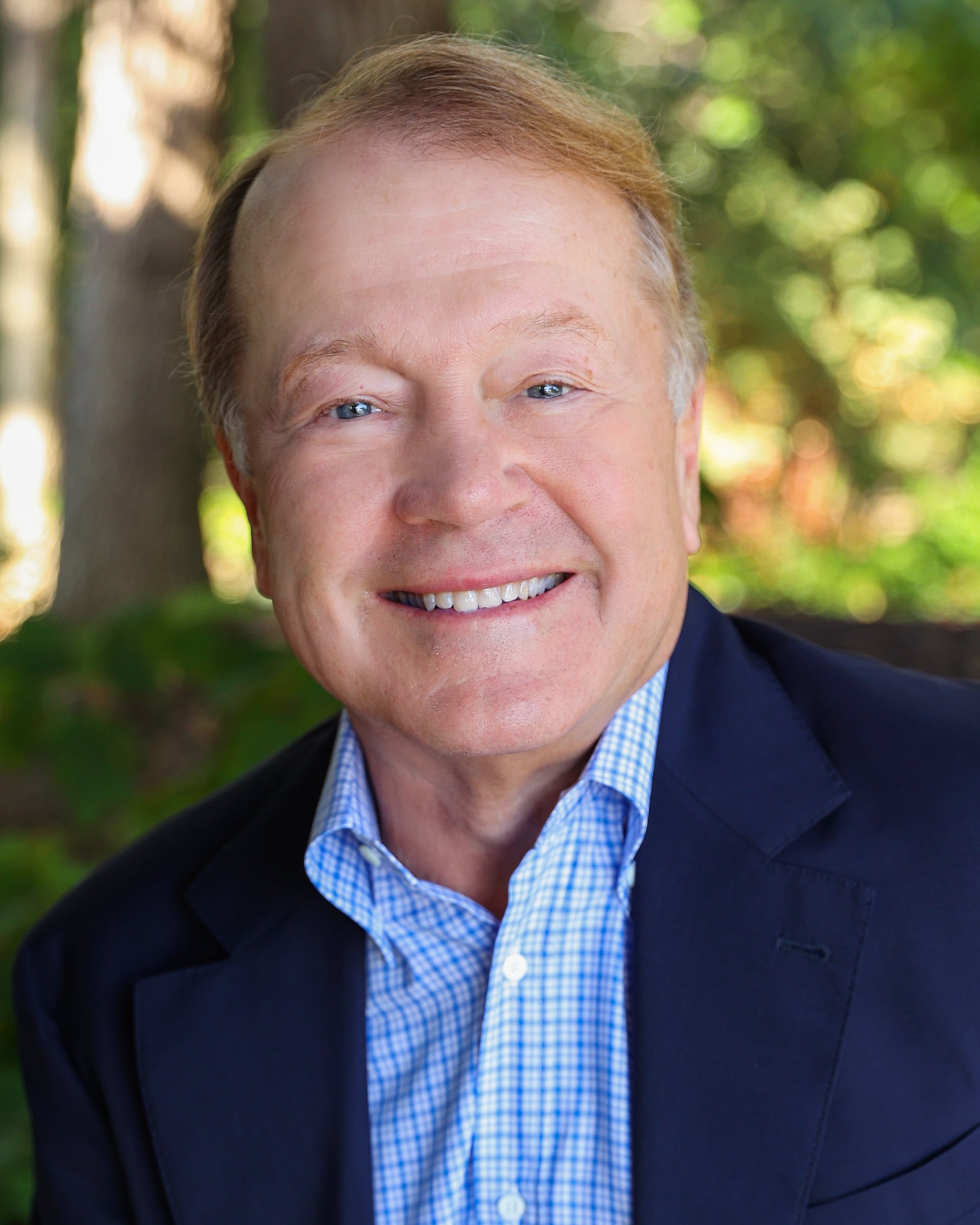
Former Cisco Systems CEO John Chambers learned all about technology’s volatile highs and lows as a veteran of the internet’s early boom days during the late 1990s and the ensuing meltdown that followed the mania. And now he is seeing potential signs of the cycle repeating with another transformative technology in artificial intelligence. Chambers is trying take some of the lessons he learned while riding a wave that turned Cisco into the world's most valuable company in 2000 before a crash hammered its stock price and apply them as an investor in AI startups. He recently discussed AI's promise and perils during an interview with The Associated Press.
Grove Collaborative’s CEO shares how the company is reinventing everyday goods with sustainability at the core and working toward a plastic-free future.
Atlanta Mayor Andre Dickens shares plans for affordable housing, community-led growth, and why private and public grocery stores could be key to food equity.
Tesla reported a surprise increase in sales in the third quarter as the electric car maker likely benefited from a rush by consumers to take advantage of a $7,500 credit before it expired on Sept. 30. The company reported Thursday that sales in the three months through September rose 7% compared to the same period a year ago. The gain follows two quarters of steep declines as people turned off by CEO Elon Musk’s foray into right-wing politics avoided buying his company’s cars and even protested at some dealerships. Sales rose to 497,099 vehicles, compared with 462,890 in the same period last year.
Tom’s Guide Editor-in-Chief Mark Spoonauer breaks down Apple & Amazon's latest product drops—what's hot, what's hype, and what really matters for users.
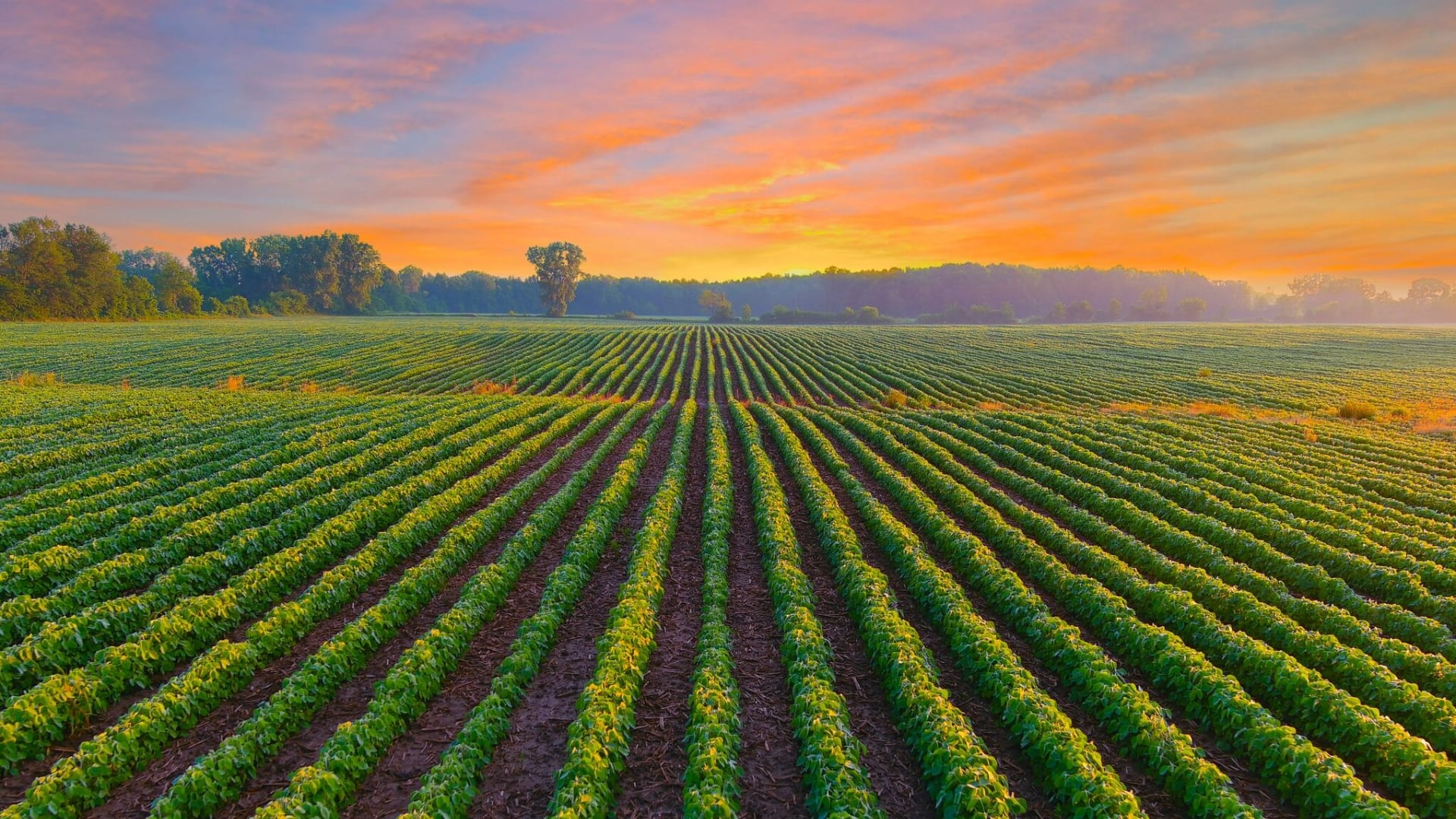
InnerPlant CEO Shely Aronov reveals how engineered crops like soybeans and corn emit signals when stressed—offering farmers early warnings to boost yields.