By Seth Borenstein
Yelling that the future and their lives depend on ending fossil fuels, tens of thousands of protesters on Sunday kicked off a week where leaders will try once again to curb climate change primarily caused by coal, oil and natural gas.
But protesters say it's not going to be enough. And they aimed their wrath directly at U.S. President Joe Biden, urging him to stop approving new oil and gas projects, phase out current ones and declare a climate emergency with larger executive powers.
“We hold the power of the people, the power you need to win this election,” said 17-year-old Emma Buretta of Brooklyn of the youth protest group Fridays for Future. “If you want to win in 2024, if you do not want the blood of my generation to be on your hands, end fossil fuels.”
The March to End Fossil Fuels featured such politicians as Rep. Alexandria Ocasio-Cortez and actors Susan Sarandon, Ethan Hawke, Edward Norton, Kyra Sedgewick and Kevin Bacon. But the real action on Broadway was where protesters crowded the street, pleading for a better but not-so-hot future. It was the opening salvo to New York’s Climate Week, where world leaders in business, politics and the arts gather to try to save the planet, highlighted by a new special United Nations summit Wednesday.
Many of the leaders of countries that cause the most heat-trapping carbon pollution will not be in attendance. And they won’t speak at the summit organized by U.N. Secretary-General Antonio Guterres in a way that only countries that promise new concrete action are invited to speak.
Organizers estimated 75,000 people marched Sunday.
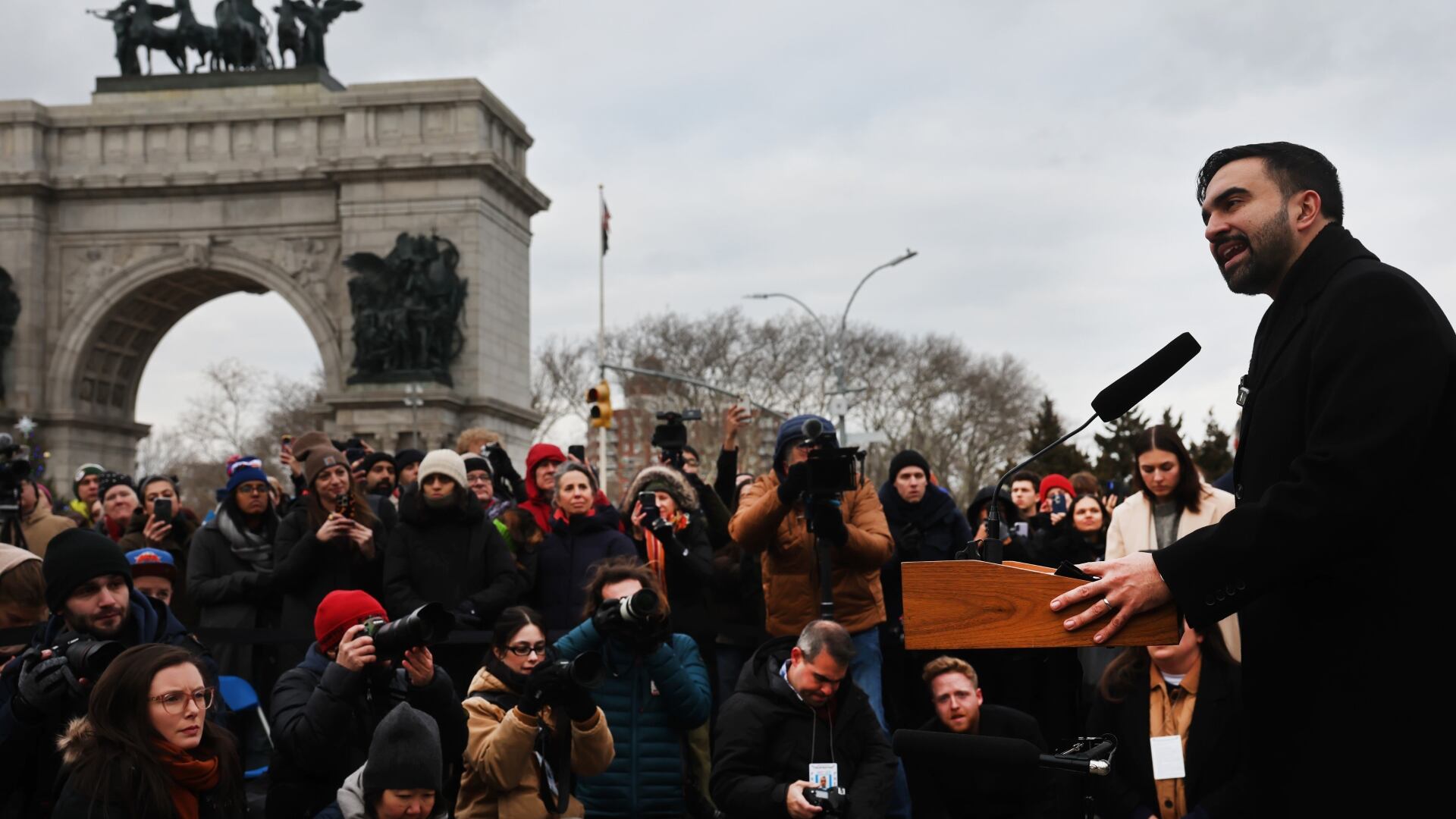
“We have people all across the world in the streets, showing up, demanding a cessation of what is killing us,” Ocasio-Cortez told a cheering crowd. “We have to send a message that some of us are going to be living on, on this planet 30, 40, 50 years from now. And we will not take no for an answer.”
This protest was far more focused on fossil fuels and the industry than previous marches. Sunday’s rally attracted a large chunk, 15%, of first-time protesters and was overwhelmingly female, said American University sociologist Dana Fisher, who studies environmental movements and was surveying march participants.
Of the people Fisher talked to, 86% had experienced extreme heat recently, 21% floods and 18% severe drought, she said. They mostly reported feeling sad and angry. Earth has just gone through the hottest summer on record.
Among the marchers was 8-year-old Athena Wilson from Boca Raton, Florida. She and her mother Maleah, flew from Florida for Sunday's protest.
“Because we care about our planet,” Athena said. “I really want the Earth to feel better.”
People in the South, especially where the oil industry is, and the global south, “have not felt heard,” said 23-year-old Alexandria Gordon, originally from Houston. “It is frustrating.”
Protest organizers emphasized how let down they felt that Biden, who many of them supported in 2020, has overseen increased drilling for oil and fossil fuels.
“President Biden, our lives depend on your actions today,” said Louisiana environmental activist Sharon Lavigne. “If you don't stop fossil fuels our blood is on your hands.”
Nearly one-third of the world’s planned drilling for oil and gas between now and 2050 is by U.S. interests, environmental activists calculate. Over the past 100 years, the United States has put more heat-trapping carbon dioxide in the atmosphere than any other country, though China now emits more carbon pollution on an annual basis.
"You need to phase out fossil fuels to survive our planet,” said Jean Su, a march organizer and energy justice director for the Center for Biological Diversity.
Marchers and speakers spoke of increasing urgency and fear of the future. The actress known as V, formerly Eve Ensler, premiered the anthem “Panic” from her new climate change oriented musical scheduled for next year. The chorus goes: “We want you to panic. We want you to act. You stole our future and we want it back.”
Signs included “Even Santa Knows Coal is Bad" and “Fossil fuels are killing us” and “I want a fossil free future” and “keep it in the ground.”
That's because leaders don't want to acknowledge “the elephant in the room,” said Ugandan climate activist Vanessa Nakate. “The elephant is that fossil fuels are responsible for the crisis. We can’t eat coal. We can’t drink oil, and we can’t have any new fossil fuel investments.”
But oil and gas industry officials said their products are vital to the economy.
“We share the urgency of confronting climate change together without delay; yet doing so by eliminating America’s energy options is the wrong approach and would leave American families and businesses beholden to unstable foreign regions for higher cost and far less reliable energy,” said American Petroleum Institute Senior Vice President Megan Bloomgren.
Activists weren't having any of that.
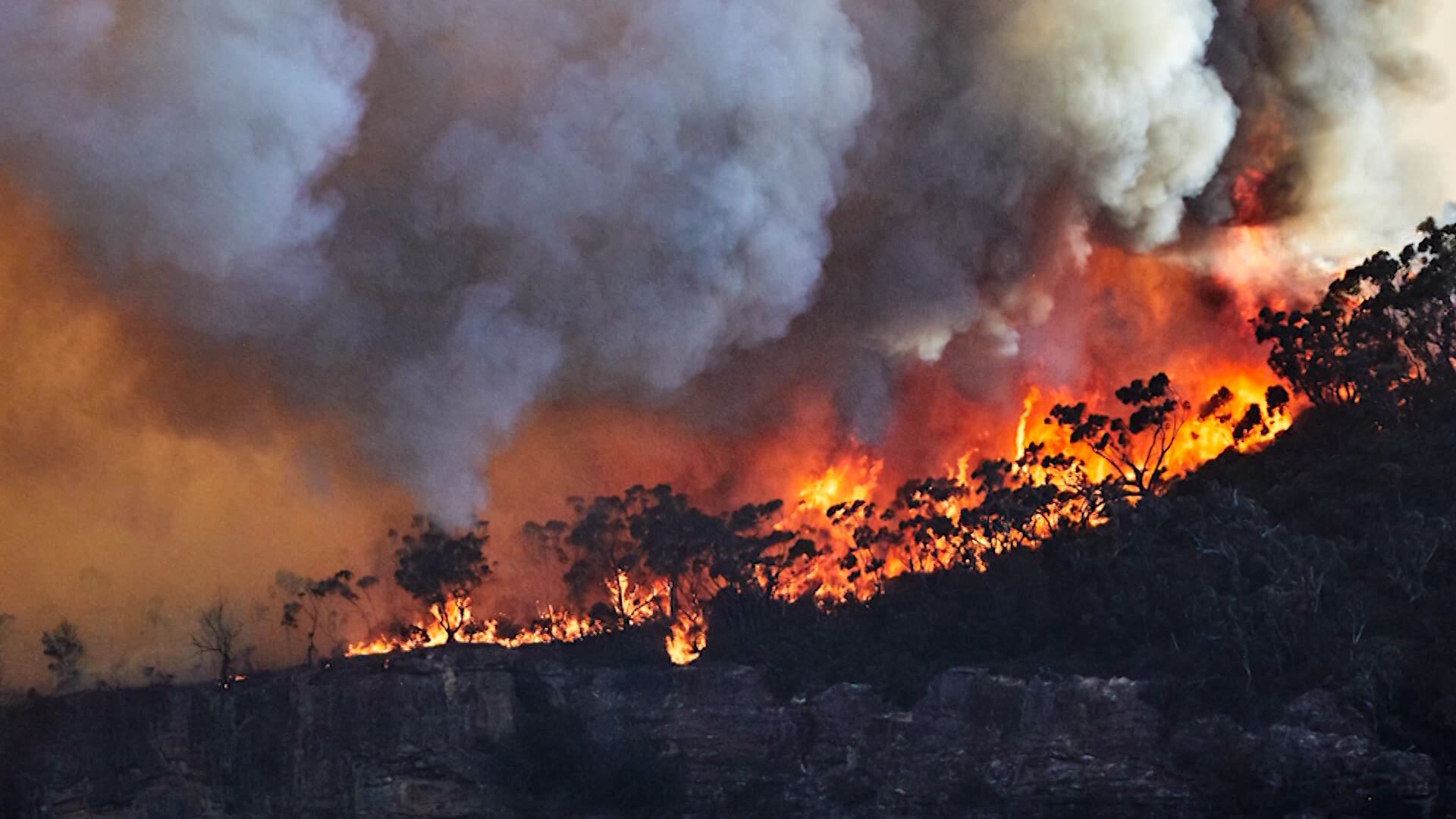
“The fossil fuel industry is choosing to rule and conquer and take and take and take without limit,” Rabbi Stephanie Kolin of Congregation Beth Elohim of Brooklyn said. “And so waters are rising and the skies are turning orange (from wildfire smoke) and the heat is taking lives. But you Mr. President can choose the other path, to be a protector of this Earth.”
___
Follow AP’s climate and environment coverage at https://apnews.com/hub/climate-and-environment
___
Follow Seth Borenstein on Twitter at @borenbears
Associated Press climate and environmental coverage receives support from several private foundations. See more about AP’s climate initiative here. The AP is solely responsible for all content.