By Jessica Gresko
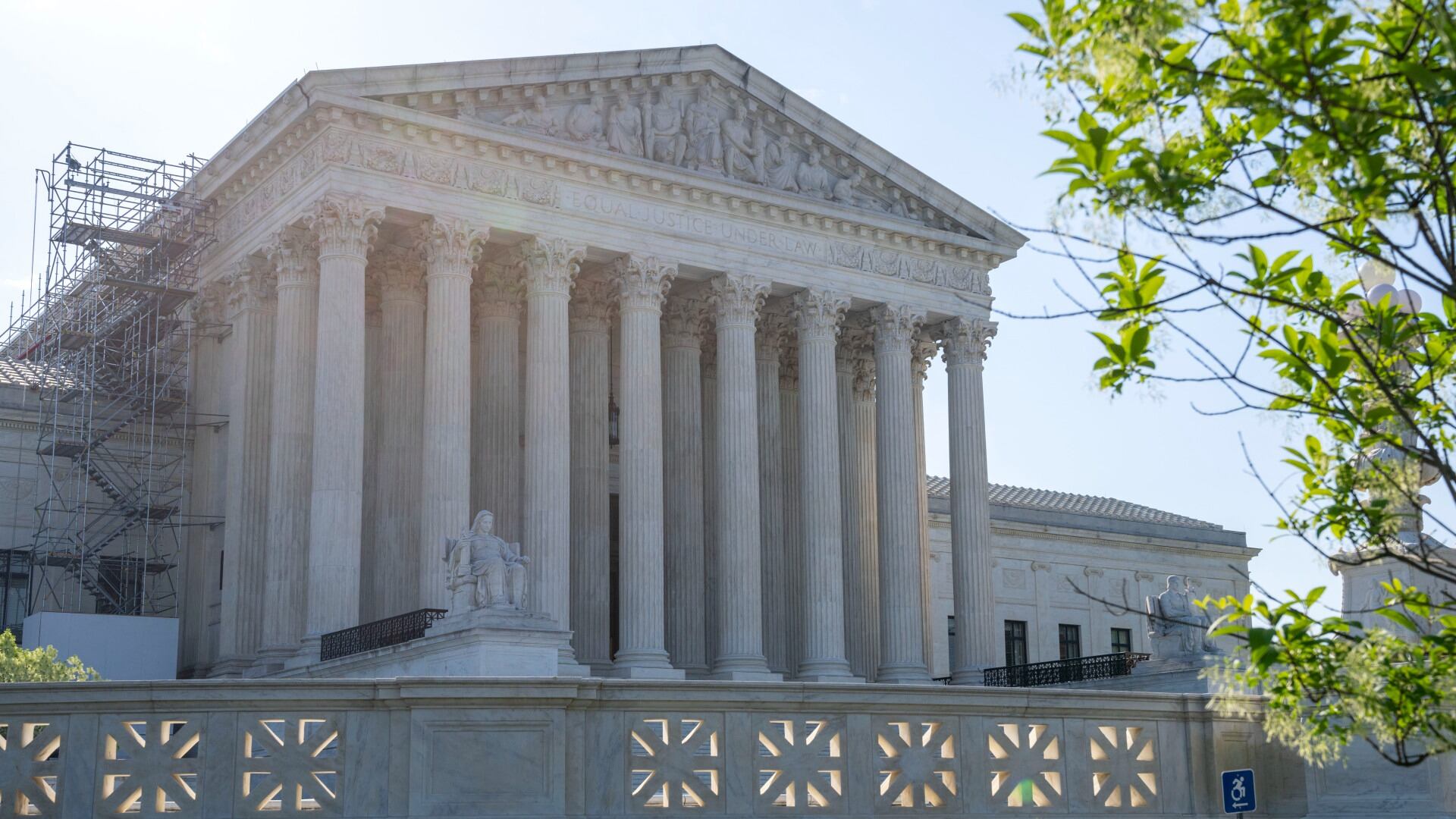
The Supreme Court said Monday it won't review North Carolina's decision to stop issuing specialty license plates with the Confederate flag.
As is typical, the court did not comment in declining to hear the case, which challenged the state's decision. The dispute was one of many the court said Monday it would not hear. It was similar to a case originating in Texas that the court heard in 2015, when it ruled the license plates are state property.
The current dispute stems from North Carolina's 2021 decision to stop issuing specialty license plates bearing the insignia of the North Carolina chapter of the Sons of Confederate Veterans. The chapter sued, claiming that the state's decision violated state and federal law. A lower court dismissed the case, and a federal appeals court agreed with that decision.
North Carolina offers three standard license plates and more than 200 specialty plates. Civic clubs including the Sons of Confederate Veterans can create specialty plates by meeting specific requirements.
In 2021, however, the state Department of Transportation sent the group a letter saying it would "no longer issue or renew specialty license plates bearing the Confederate battle flag or any variation of that flag" because the plates "have the potential to offend those who view them."
The state said it would consider alternate artwork for the plates' design if it does not contain the Confederate flag.
The organization unsuccessfully argued that the state's decision violated its free speech rights under the Constitution's First Amendment and state law governing specialty license plates.
In 2015, the Sons of Confederate Veterans’ Texas chapter claimed Texas was wrong not to issue a specialty license plate with the group's insignia. But the Supreme Court ruled 5-4 that Texas could limit the content of license plates because they are state property.
The U.S. Department of Agriculture announced a nearly $11 billion investment on Tuesday to help bring affordable clean energy to rural communities throughout the country.
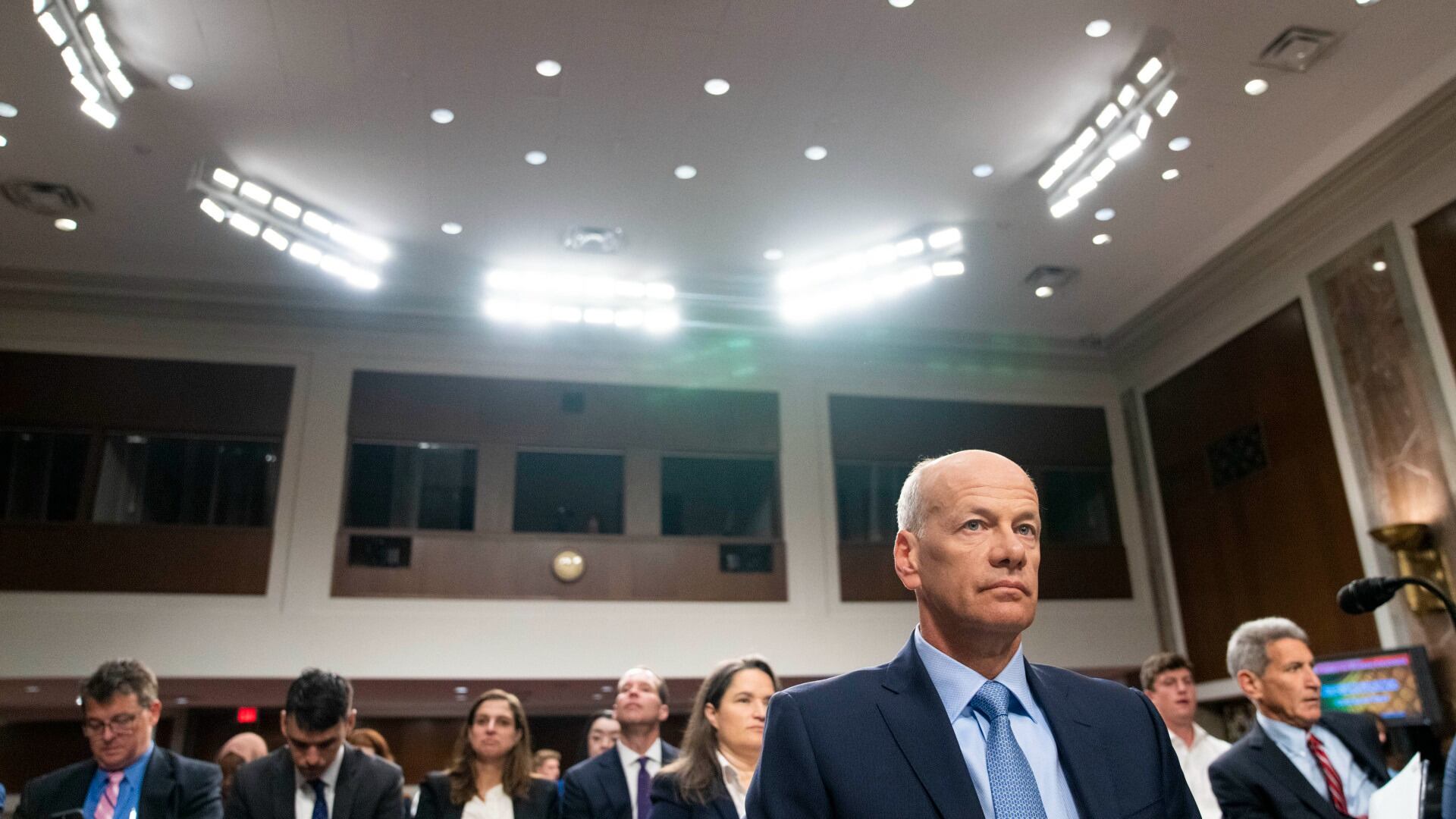
Top executives at Silicon Valley Bank and Signature Bank largely avoided taking responsibility for their banks’ dramatic failures at a Senate hearing Tuesday.
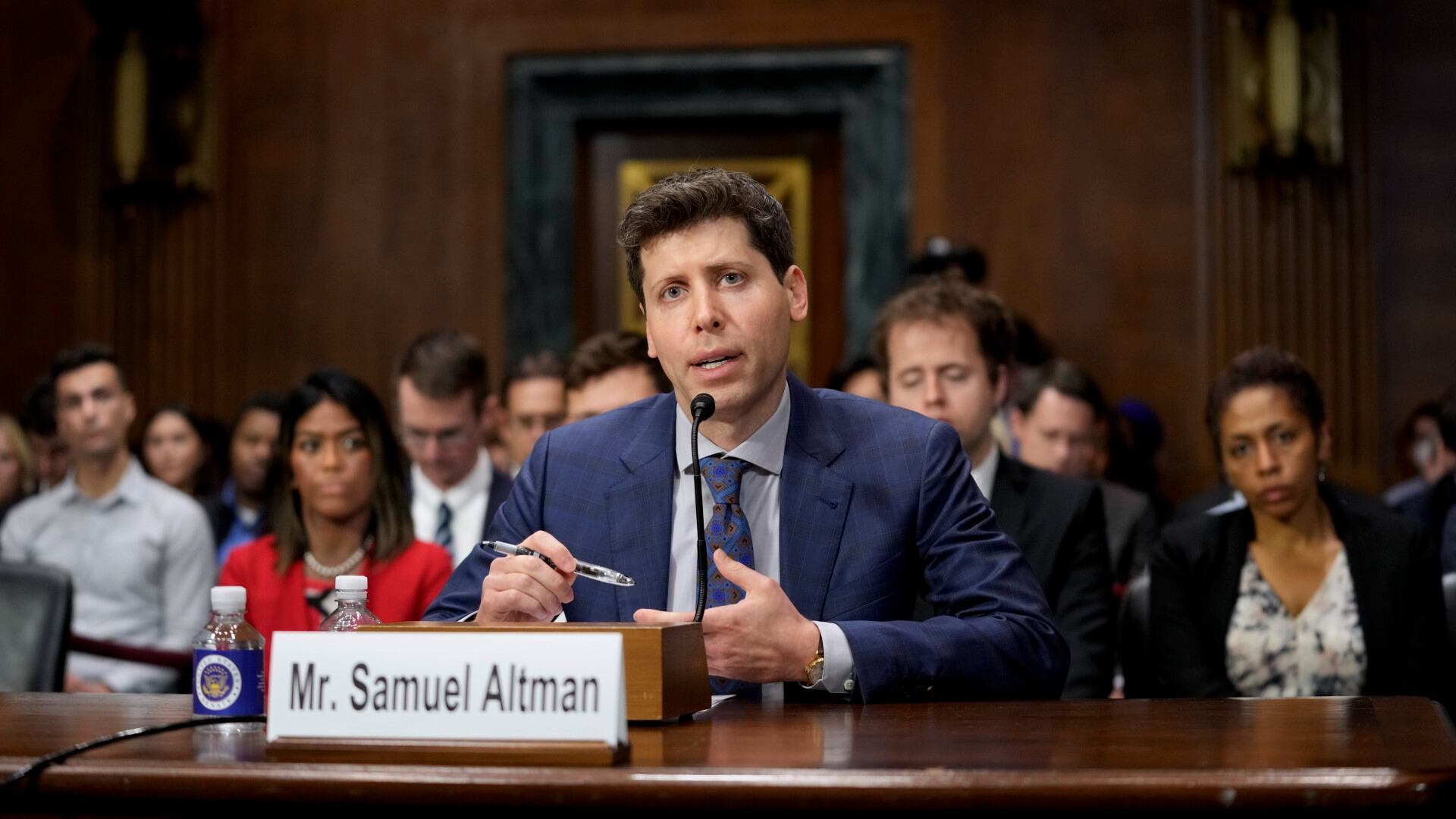
The head of the artificial intelligence company that makes ChatGPT will testify before Congress as lawmakers call for new rules to guide the rapid development of AI technology.
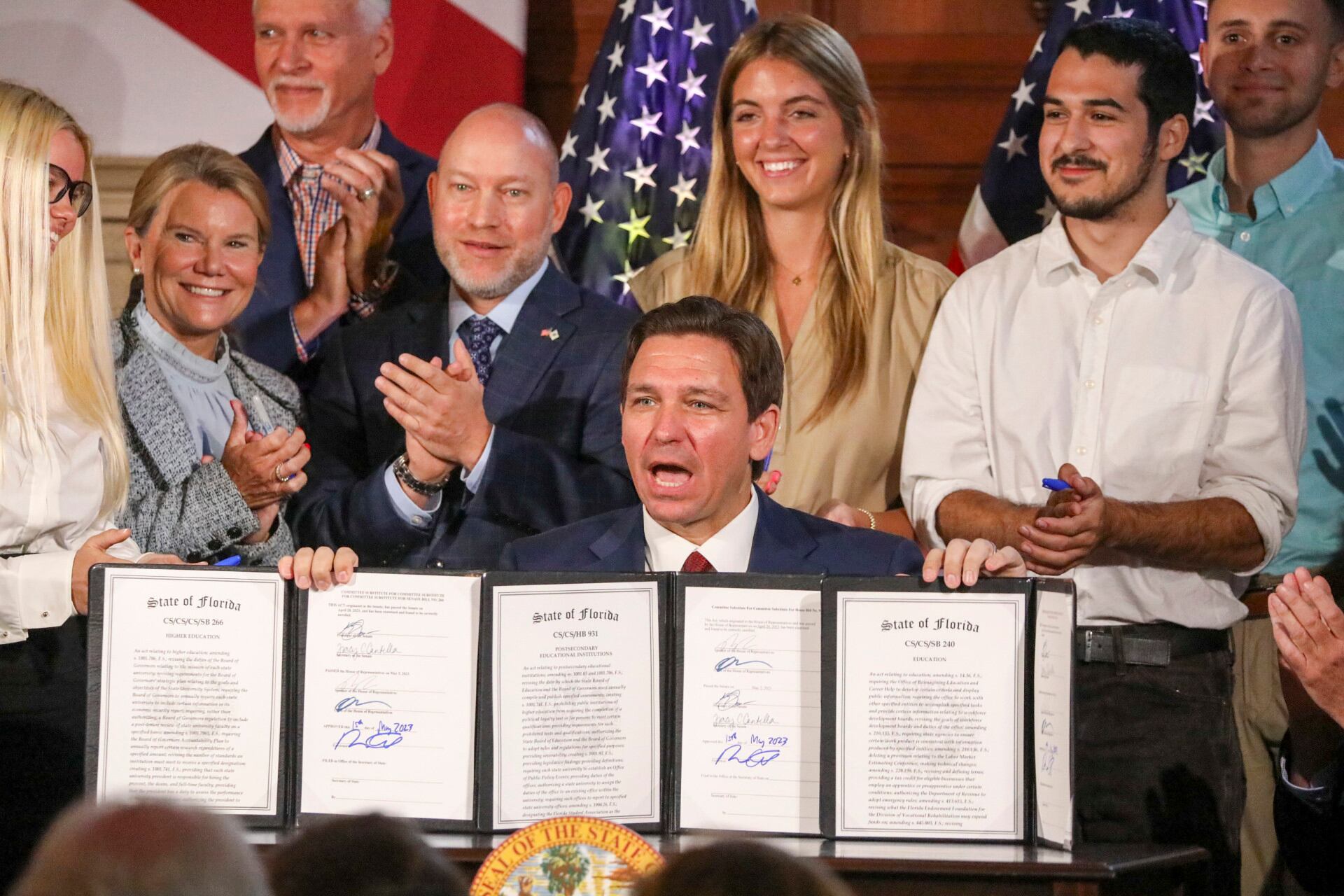
Florida Gov. Ron DeSantis on Monday signed a bill that blocks public colleges from using federal or state funding on diversity programs, addressing a concern of conservatives ahead of the Republican governor's expected presidential candidacy.
A special prosecutor found that the FBI rushed into its investigation of ties between Russia and Donald Trump's 2016 campaign and relied too much on raw and unconfirmed intelligence as he concluded a four-year probe that fell far short of the former president's prediction that the “crime of the century" would be uncovered.
North Carolina Gov. Roy Cooper vetoed a bill passed by state lawmakers that would ban most abortions after 12 weeks.
U.S. Rep. Gerry Connolly of Virginia says a man with a baseball bat walked into his Fairfax office, asked for him, and then assaulted two members of his staff.
Thanks to recent advances in artificial intelligence, tools that can create lifelike photos, video and audio are now cheap and readily available.
In front of an exuberant crowd, North Carolina’s Democratic governor vetoed legislation Saturday that would have banned nearly all abortions in his state after 12 weeks of pregnancy.
Turkey’s presidential elections appeared to be heading toward a second-round runoff on Monday, with President Recep Tayyip Erdogan, who has ruled his country with a firm grip for 20 years, leading over his chief challenger, but falling short of the votes needed for an outright win.