The Supreme Court on Thursday gave whiskey maker Jack Daniel's reason to raise a glass, handing the company a new chance to win a trademark dispute with the makers of the Bad Spaniels dog toy.
In announcing the decision for a unanimous court, Justice Elena Kagan was in an unusually playful mood. At one point while reading a summary of the opinion in the courtroom Kagan held up the toy, which squeaks and mimics the whiskey’s signature bottle.
Kagan said a lower court's reasoning was flawed when it ruled for the makers of the rubber chew toy. The court did not decide whether the toy's maker had violated trademark law but instead sent the case back for further review.
“This case is about dog toys and whiskey, two items seldom appearing in the same sentence,” Kagan wrote in an opinion for the court. At another point, Kagan asked readers to “Recall what the bottle looks like (or better yet, retrieve a bottle from wherever you keep liquor; it's probably there)" before inserting a color picture of it.
Arizona-based VIP Products has been selling its Bad Spaniels toy since 2014. It’s part of the company's Silly Squeakers line of chew toys that mimic liquor, beer, wine and soda bottles. They include Mountain Drool, which parodies Mountain Dew, and Heini Sniff’n, which parodies Heineken beer.
While Jack Daniel’s bottles have the words “Old No. 7 brand” and “Tennessee Sour Mash Whiskey,” the toy proclaims: “The Old No. 2 on Your Tennessee Carpet.” The original bottle notes it is 40% alcohol by volume. The parody features a dog’s face and says it’s “43% Poo by Vol.” and “100% Smelly.”
The packaging of the toy, which retails for around $20, notes in small font: “This product is not affiliated with Jack Daniel Distillery.”
Jack Daniel’s, based in Lynchburg, Tennessee, wasn't amused. Its lawyers argued that the toy misleads customers, profits “from Jack Daniel’s hard-earned goodwill” and associates its “whiskey with excrement.”
At the center of the case is the Lanham Act, the country's core federal trademark law. It prohibits using a trademark in a way “likely to cause confusion ... as to the origin, sponsorship, or approval of ... goods.”
A lower court never got to the issue of consumer confusion, however, because it said the toy was an “expressive work” communicating a humorous message and therefore needed to be evaluated under a different test. Kagan said that was a mistake and that “the only question in this case going forward is whether the Bad Spaniels marks are likely to cause confusion.”
Kagan also said a lower court erred in its analysis of Jack Daniel's claim against the toy company for linking “its whiskey to less savory substances.”
The opinion was one of four the court issued Thursday, including a 5-4 ruling in favor of Black voters in Alabama in a congressional redistricting case. The case had been closely watched for its potential to weaken the landmark Voting Rights Act.
The case is Jack Daniel's Properties, Inc. v. VIP Products LLC, 22-148.
Wealthfront’s CFO Alan Iberman talks the $2.05B IPO and the major moment for robo banking as the company bets on AI, automation, and “self-driving money."
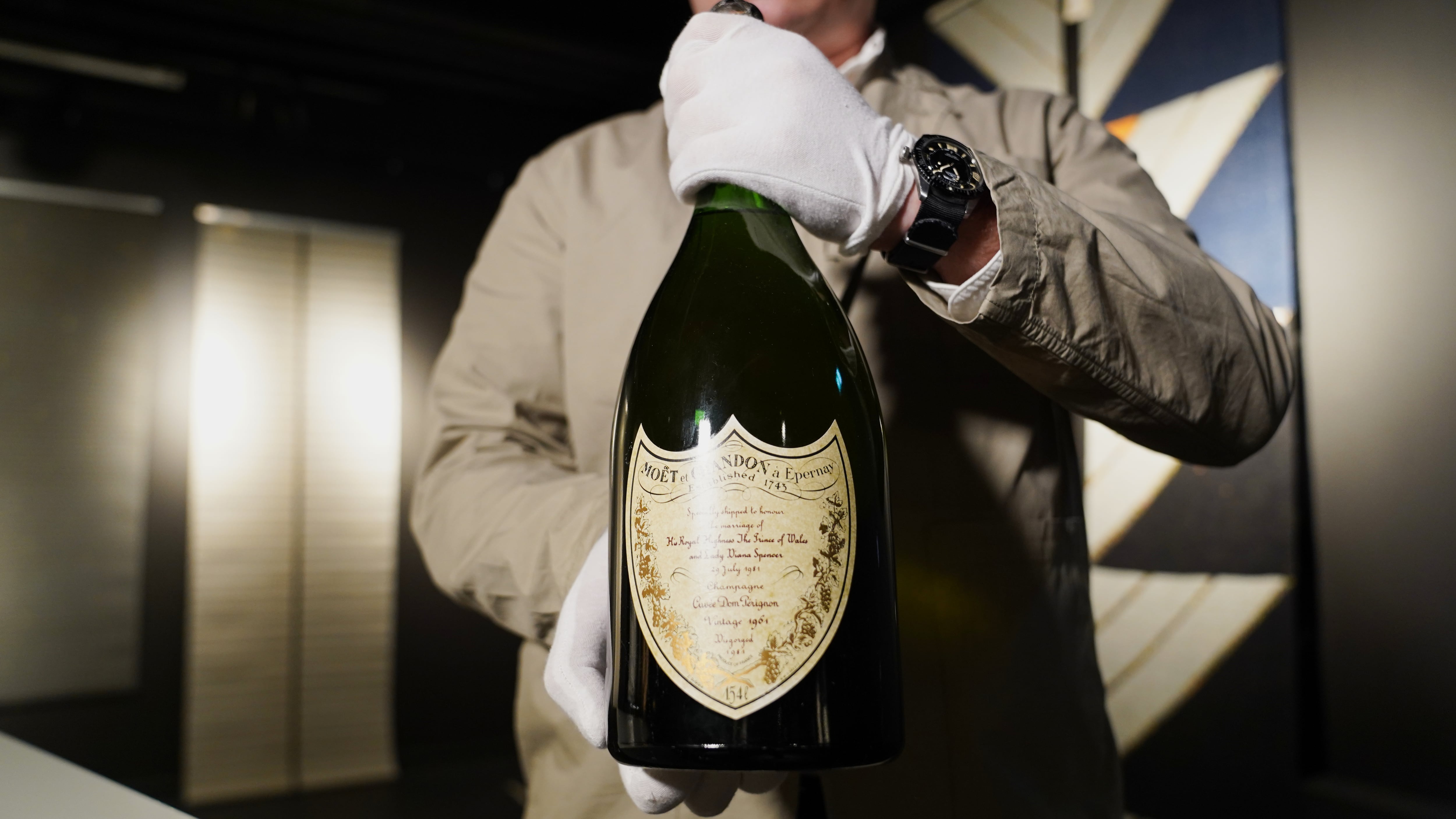
A rare magnum of Dom Pérignon Vintage 1961 champagne that was specially produced for the 1981 wedding of Prince Charles and Lady Diana has failed to sell during an auction. Danish auction house Bruun Rasmussen handled the bidding Thursday. The auction's house website lists the bottle as not sold. It was expected to fetch up to around $93,000. It is one of 12 bottles made to celebrate the royal wedding. Little was revealed about the seller. The auction house says the bids did not receive the desired minimum price.
The New York Times and President Donald Trump are fighting again. The news outlet said Wednesday it won't be deterred by Trump's “false and inflammatory language” from writing about the 79-year-old president's health. The Times has done a handful of stories on that topic recently, including an opinion column that said Trump is “starting to give President Joe Biden vibes.” In a Truth Social post, Trump said it might be treasonous for outlets like the Times to do “FAKE” reports about his health and "we should do something about it.” The Republican president already has a pending lawsuit against the newspaper for its past reports on his finances.
OpenAI has appointed Slack CEO Denise Dresser as its first chief of revenue. Dresser will oversee global revenue strategy and help businesses integrate AI into daily operations. OpenAI CEO Sam Altman recently emphasized improving ChatGPT, which now has over 800 million weekly users. Despite its success, OpenAI faces competition from companies like Google and concerns about profitability. The company earns money from premium ChatGPT subscriptions but hasn't ventured into advertising. Altman had recently announced delays in developing new products like AI agents and a personal assistant.
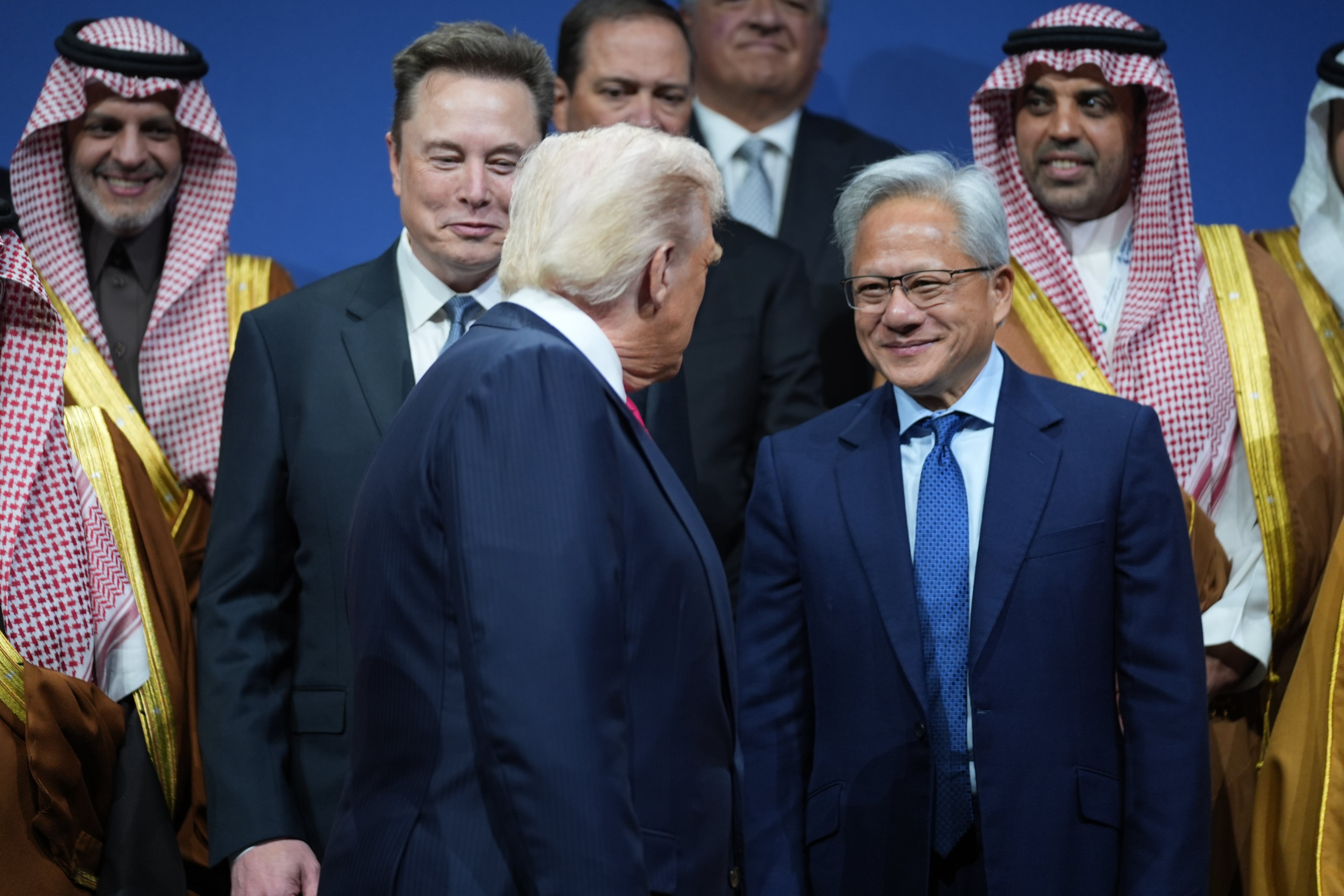
President Donald Trump says he will allow Nvidia to sell its H200 computer chip used in the development of artificial intelligence to “approved customers” in China. Trump said Monday on his social media site that he had informed China’s leader Xi Jinping and “President Xi responded positively!” There had been concerns about allowing advanced computer chips into China as it could help them to compete against the U.S. in building out AI capabilities. But there has also been a desire to develop the AI ecosystem with American companies such as chipmaker Nvidia.