St. Louis-based clothing brand Summersalt just raised $17.3 million in Series B funding and its founder and CEO said the company's goal is to "provide joy in all of our products."
The company, which launched in 2017 with a line of direct-to-consumer swimwear, uses recycled materials in its popular $95 swimsuits.
"We would never say never [about partnering with a company like Walmart or Amazon] but really the roadmap moving forward is to speak directly to our consumers, cut out the middle-man, and offer a better product for a better price," CEO Lori Coulter told Cheddar. Coulter, a former design professor and swimwear designer, founded Summersalt with marketing and brand consultant Reshma Chattaram Chamberlin.
Summersalt's second round of funding was led by Utah-based venture capital firm Mercato Partners. It last raised $8 million in April in a Series A round and is backed by firms including Founders Fund and Lewis and Clark Ventures.
"We're super excited about the funding," Coulter said. "The main thing we're doing is to continue to deliver on our promise to provide joy in all of our products, to infuse joy in all of our products that we're expanding to."
Since its launch with swimwear, Summersalt has expanded to travel-wear and sleepwear. Chattaram Chamberlin said in a press release "from the moment we launched Summersalt our goal was to own every corner of our customer's suitcase and with this latest round of funding we are one step closer to this."
Retailers face tariffs and cost challenges this holiday season. Wells Fargo's Lauren Murphy shares insights on pricing, promotions, and shopping trends.
Dateability, founded by sisters Jacqueline and Alexa Child, is the only dating app for disabled and chronically ill communities, fostering love without limits.
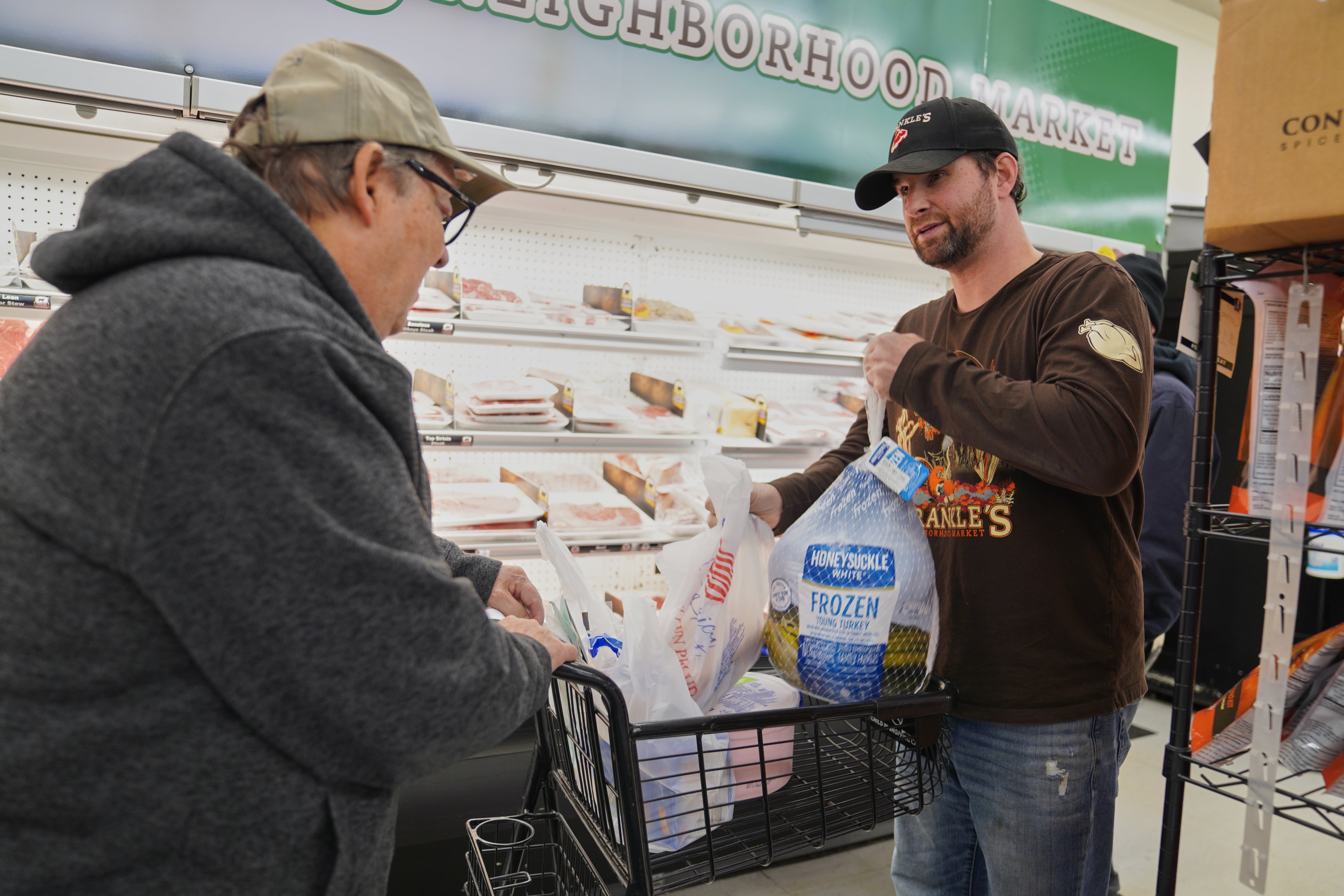
Some small grocery stores and neighborhood convenience stores are eager for the U.S. government shutdown to end and for their customers to start receiving federal food aid again. Late last month, the Trump administration froze funding for the SNAP benefits that about 42 million Americans use to buy groceries. The U.S. Department of Agriculture says about 74% of the assistance was spent last year at superstores like Walmart and supermarkets like Kroger. Around 14% went to smaller stores that are more accessible to SNAP beneficiaries. A former director of the United Nations World Food Program says SNAP is not only a social safety net for families but a local economic engine that supports neighborhood businesses.
Andy Baehr, Head of Product at CoinDesk Indices, breaks down crypto’s Black Friday crash, Bitcoin dipping under $100K, and what’s driving the market rout.
Billionaire Warren Buffett warned shareholders Monday that many companies will fare better than his Berkshire Hathaway in the decades ahead as Father Time catches up
Chris Marquette of POLITICO breaks down how the FAA is cutting flights and facing a critical shortage of air‑traffic controllers amid the government shutdown.