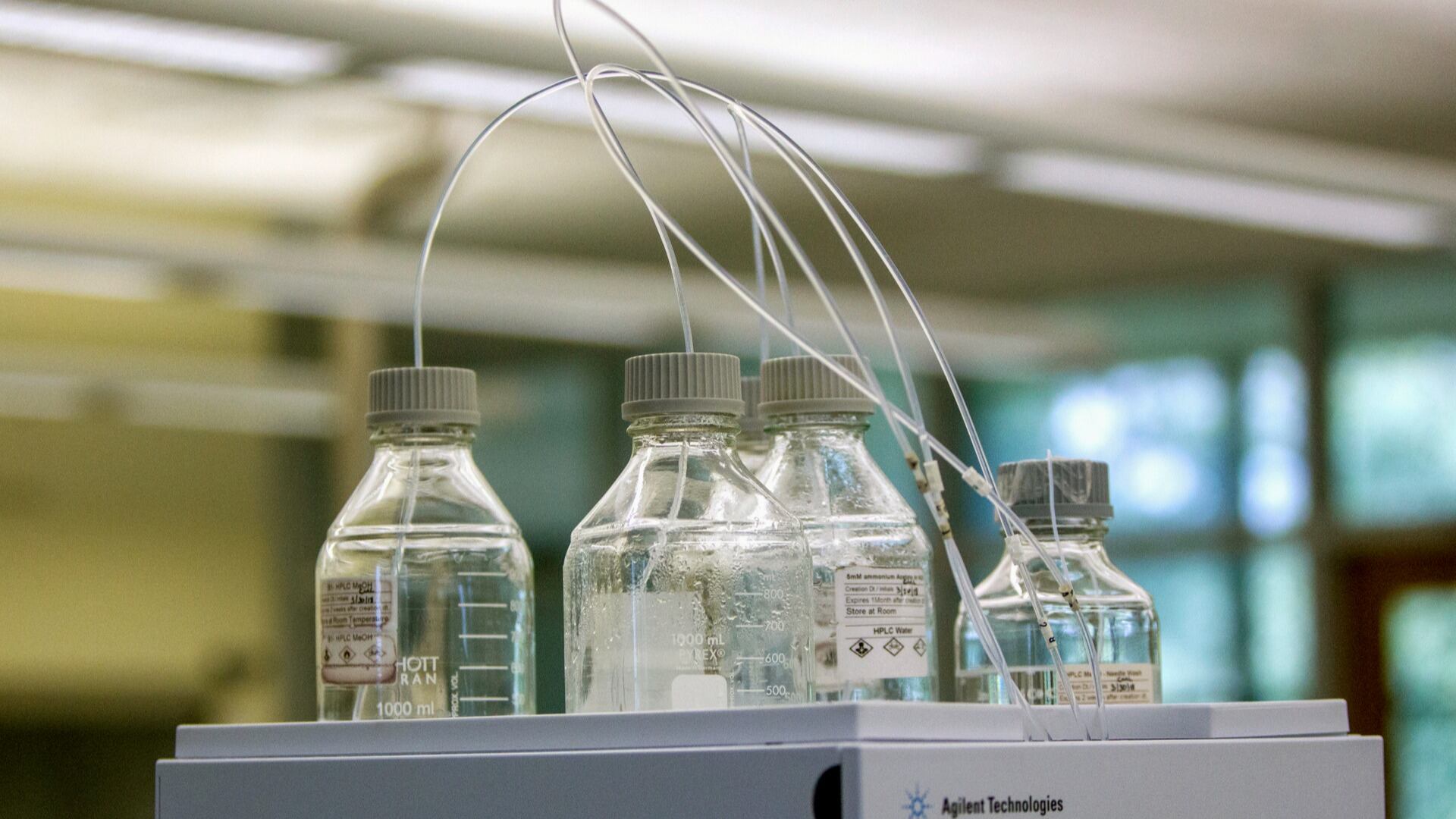
FILE - Equipment used to test for perfluoroalkyl and polyfluoroalkyl substances, known collectively as PFAS, in drinking water is seen at Trident Laboratories in Holland, Mich., June 18, 2018. Drinking water from nearly half of U.S. faucets likely contains “forever chemicals” linked to kidney cancer and other health problems, according to a government study released Wednesday, July 5, 2023. (Cory Morse/The Grand Rapids Press via AP, File)
TRAVERSE CITY, Mich. (AP) — Drinking water from nearly half of U.S. faucets likely contains “forever chemicals” that may cause cancer and other health problems, according to a government study released Wednesday.
The synthetic compounds known collectively as PFAS are contaminating drinking water to varying extents in large cities and small towns — and in private wells and public systems, the U.S. Geological Survey said.
Researchers described the study as the first nationwide effort to test for PFAS in tap water from private sources in addition to regulated ones. It builds on previous scientific findings that the chemicals are widespread, showing up in consumer products as diverse as nonstick pans, food packaging and water-resistant clothing and making their way into water supplies.
Because the USGS is a scientific research agency, the report makes no policy recommendations. But the information “can be used to evaluate risk of exposure and inform decisions about whether or not you want to treat your drinking water, get it tested or get more information from your state" about the situation locally, said lead author Kelly Smalling, a research hydrologist.
The U.S. Environmental Protection Agency in March proposed the first federal drinking water limits on six forms of PFAS, or per- and polyfluorinated substances, which remain in the human body for years and don't degrade in the environment. A final decision is expected later this year or in 2024.
But the government hasn't prohibited companies using the chemicals from dumping them into public wastewater systems, said Scott Faber, a senior vice president of the Environmental Working Group, an advocacy organization.
“We should be treating this problem where it begins, instead of putting up a stoplight after the accident," he said. “We should be requiring polluters to treat their own wastes.”
Studies of lab animals have found potential links between PFAS chemicals and some cancers, including kidney and testicular, plus issues such as high blood pressure and low birth weight.
Federal and state programs typically measure exposure to pollutants such as PFAS at water treatment plants or groundwater wells that supply them, Smalling said. In contrast, the USGS report was based on samples from taps in 716 locations, including 447 that rely on public supplies and 269 using private wells.
The samples were taken between 2016 and 2021 in a range of locations — mostly residences but also a few schools and offices. They included protected lands such as national parks; residential and rural areas with no identified PFAS sources; and urban centers with industry or waste sites known to generate PFAS.
Most taps were sampled just once. Three were sampled multiple times over a three-month period, with results changing little, Smalling said.
Scientists tested for 32 PFAS compounds — most of the ones detectable through available methods. Thousands of others are believed to exist but can't be spotted with current technology, Smalling said.
The types found most often were PFBS, PFHxS and PFOA. Also making frequent appearances was PFOS, one of the most common nationwide.
Positive samples contained as many as nine varieties, although most were closer to two. The median concentration was around seven parts per trillion for all 32 PFAS types, although for PFOA and PFOS it was about four parts per trillion — the limit EPA has proposed for those two compounds.
The heaviest exposures were in cities and near potential sources of the compounds, particularly in the Eastern Seaboard; Great Lakes and Great Plains urban centers; and Central and Southern California. Many of the tests, mostly in rural areas, found no PFAS.
Based on the data, researchers estimated that at least one form of PFAS could be found in about 45% of tap water samples nationwide.
The study underscores that private well users should have their water tested for PFAS and consider installing filters, said Faber of the Environmental Working Group. Filters containing activated carbon or reverse osmosis membranes can remove the compounds.
The USGS study is “further evidence that PFAS is incredibly pervasive and folks who rely on private wells are particularly vulnerable to the harms caused by these chemicals,” Faber said.
After months of investigation, board members from U.S. big oil companies were slated to appear before a House oversight committee this week to discuss their respective roles in pushing for climate initiatives internally. However, all four board members from Exxon, Shell, Chevron, and BP said they couldn't attend due to scheduling conflicts. Climate experts are testifying in their place about how effective big oil's climate promises have been so far. Meanwhile, President Joe Biden's lead science adviser Eric Lander has resigned after an investigation found he violated workplace policy. What will this mean for Biden's climate agenda? Amy Harder, executive editor of Cipher, a publication by Breakthrough Energy, joins Cheddar Climate to discuss.
Although this week's weather is predicted to be less severe than the 2021 storm, Texans are preparing for the worst - stocking up on supplies and emptying shelves in grocery stores, once again. Some Texans still have not recovered from last year's tragedy, and are heading into the next few weeks with anxiety for what's to come. Leslie Beyer, CEO of the Houston-based energy workforce & technology council, joins Cheddar News to discuss if the Texas grid will fail again.
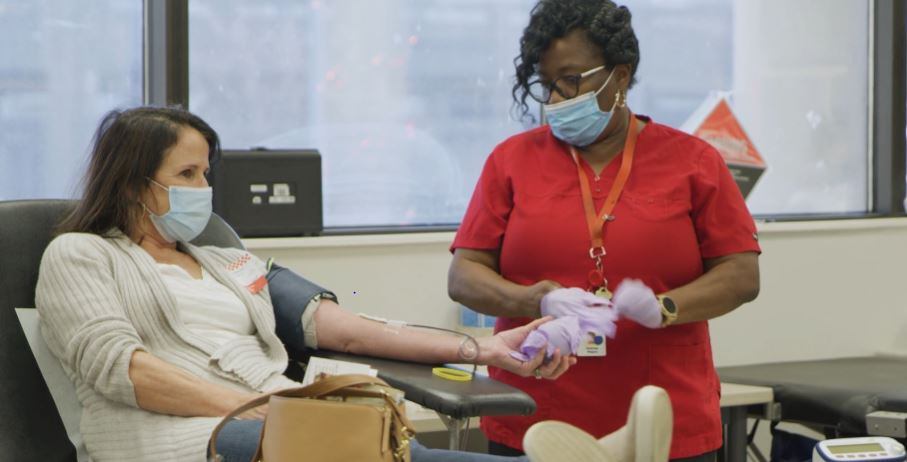
The American Red Cross has declared its first-ever "national blood crisis" in the United States. Since COVID hit the U.S. in March 2020, blood donations have declined by 10 percent. American Red Cross Medical Director, Dr. Baia Lasky joined Cheddar News to discuss the country facing the worst blood shortage in over a decade. Dr. Lasky noted that as much as 40 percent of Americans are eligible to donate blood but only about 4 percent do so. "This is going to be ongoing," she said. "This is not an acute shortage. We really do need the commitment of people to come out and donate and donate again." Appointments to donate can be made by using the Red Cross Donor App, at RedCrossBlood.org, or calling 1-800-RED CROSS (1-800-733-2767).
Eight months after the National Football League announced $1 million in research into cannabinoids, the NFL-NFLPA Joint Pain Management Committee has awarded the funding to two teams of medical researchers at the University of California San Diego and the University of Regina. The NFL says the studies will investigate the effects of cannabinoids on pain management and neuroprotection from concussion in elite football players, respectively. Cheddar correspondent Chloe Ailello spoke with Jeff Miller, the executive vice president of communications, public affairs, and policy for the NFL, about the studies, as well as the recent lawsuit filed against the NFL by former Miami Dolphins head coach Brian Flores. "Maybe we can learn things from other alternative pain approaches that are going to benefit our player population and then sports medicine as a whole," Miller said.
On this episode of Cheddar Innovates: CEO of HereAfter AI discusses how artificial intelligence can be used to preserve family history and stories, and allow you to 'talk' to loved ones that have passed; Creator of the board game 'Travel Explore Discover' explains how she came up with the idea for this informative and educational board game, and how she's using the proceeds to give back to her community; Cheddar gets a look at Curiosity Stream's 'The Humboldt Current.'
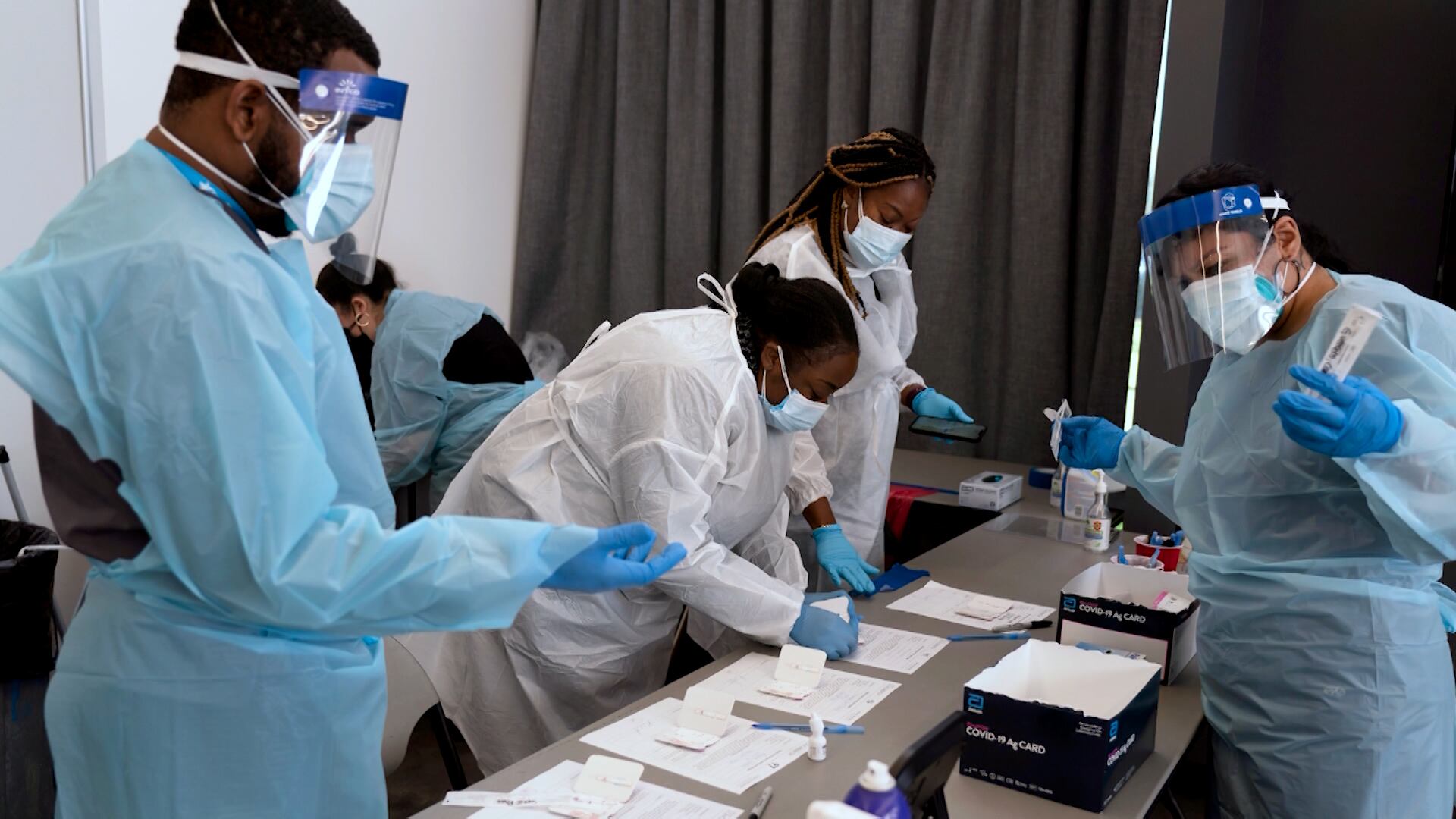
Immunologist Dr. Purvi Parikh of the Allergy & Asthma Network joined Cheddar News to break down long Covid, in which Covid symptoms remain up to two years after infection; a phenomenon that has so far mystified health experts.
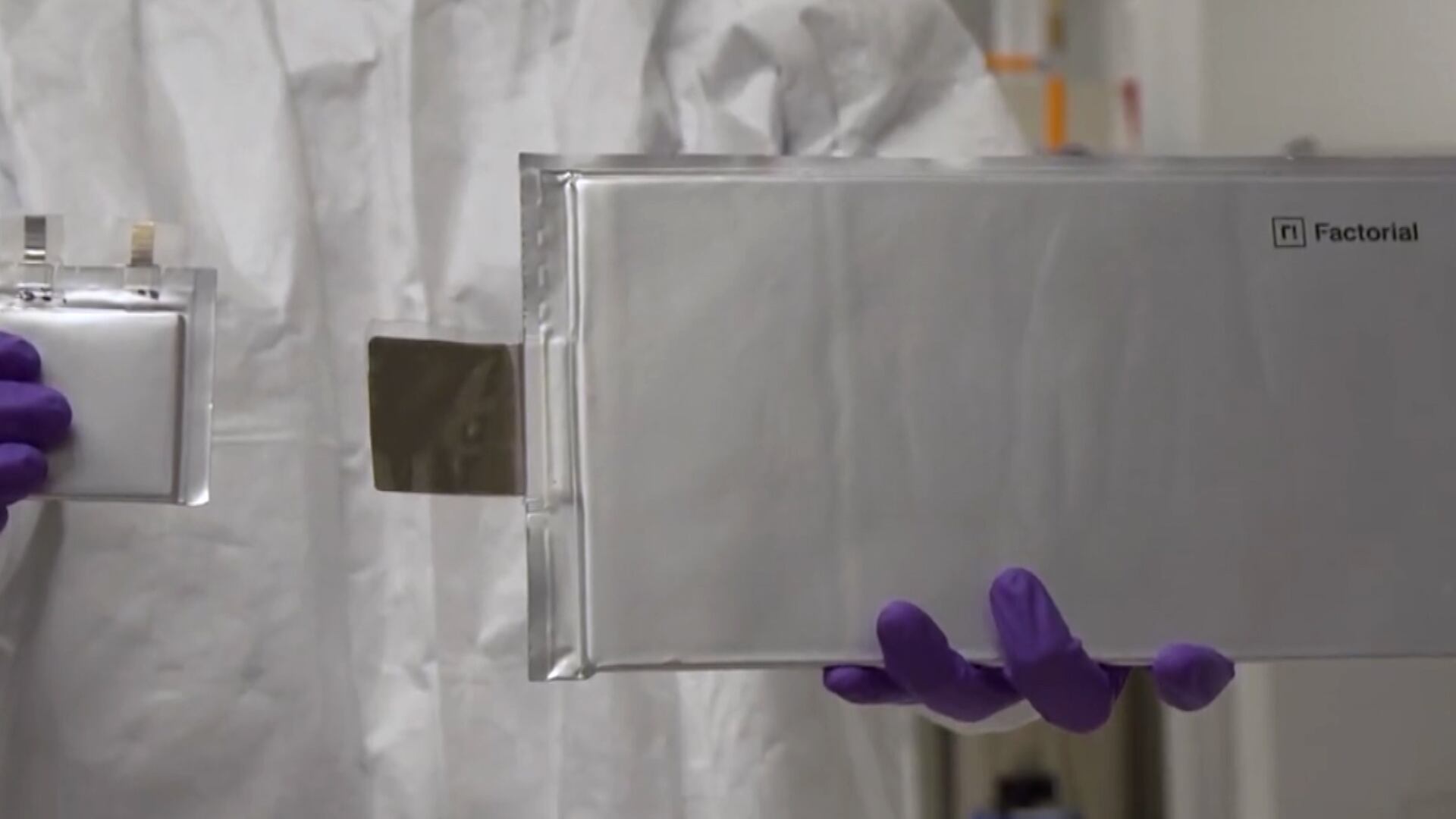
Solid-state battery maker Factorial Energy recently raised $200 million in a Series D round led by Mercedes-Benz and Stellantis. Factorial says the funding will be used to accelerate commercial production and deployment of its solid-state battery technology, which the company says is safer, and offers up to 50% more driving range than current lithium-ion technology. Factorial also has joint development agreements (announced in late 2021) with Mercedes-Benz, Stellantis, and Hyundai, three of the top 10 global automotive manufacturers, to commercialize its batteries. Factorial CEO Siyu Huang joined Cheddar News' Closing Bell to discuss.
David Malott, founder and chief architect at AI PlanetWorks joins Cheddar News to discuss the release of its augmented reality NFTs for the metaverse called 'TERA.'
A 2021 report from UK Research and Innovation found that the shipping industry makes up at least 2.5 percent of the world's total CO2 emissions. It's a problem that energy solutions company, Leclanché, is trying to solve. Founded in 1909, the company has been developing and producing batteries for more than 100 years. Today, Leclanché's lithium-ion battery is used to electrify not just ships, but also railroad locomotives, trucks, and specialty vehicles. Cheddar News spoke with Pierre Blanc, chief technology and industrial officer of Leclanché, to discuss.