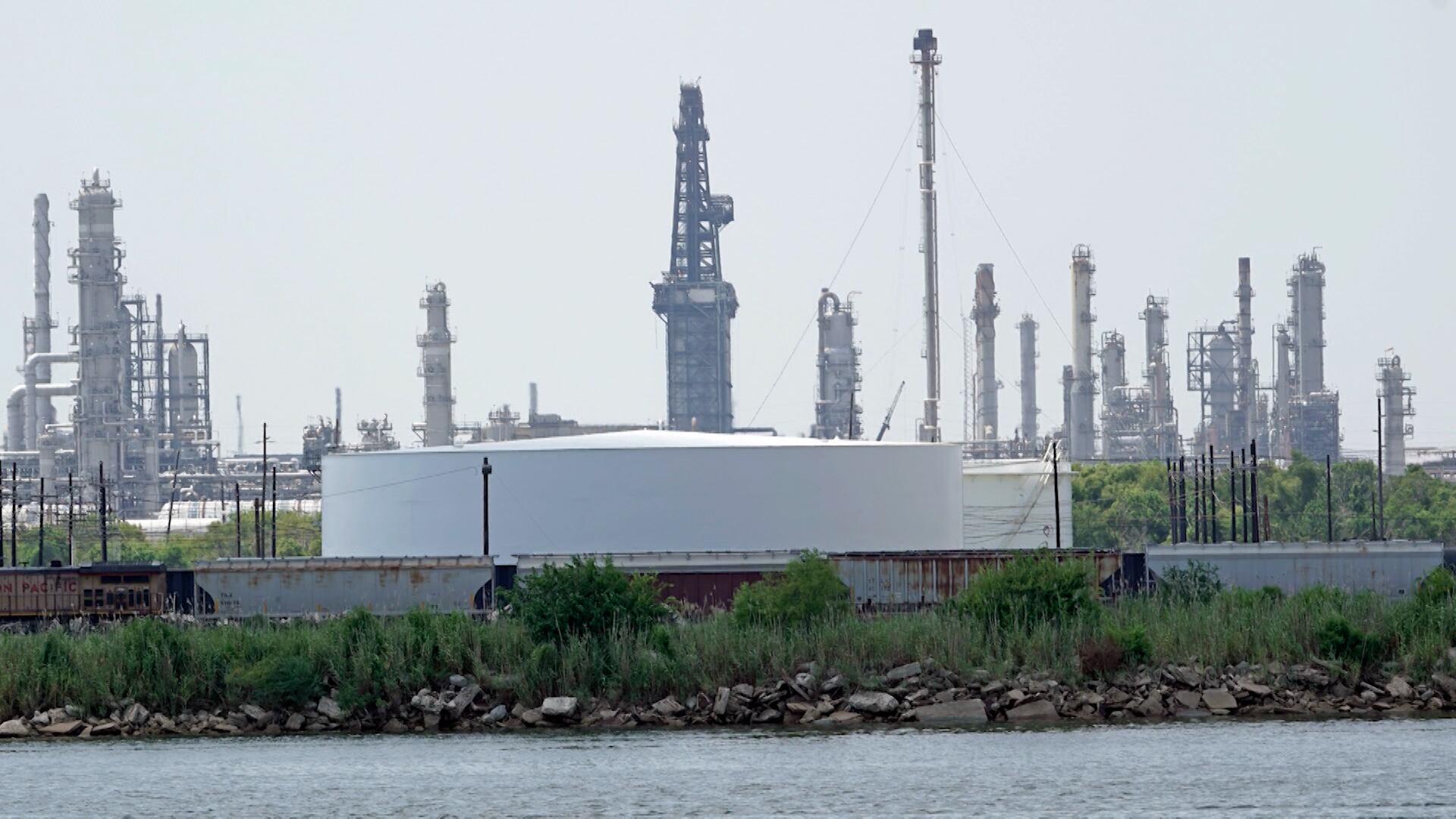
TRAVERSE CITY, Mich. (AP) — Drinking water from nearly half of U.S. faucets likely contains “forever chemicals” that may cause cancer and other health problems, according to a government study released Wednesday.

The synthetic compounds known collectively as PFAS are contaminating drinking water to varying extents in large cities and small towns — and in private wells and public systems, the U.S. Geological Survey said.

Researchers described the study as the first nationwide effort to test for PFAS in tap water from private sources in addition to regulated ones. It builds on previous scientific findings that the chemicals are widespread, showing up in consumer products as diverse as nonstick pans, food packaging and water-resistant clothing and making their way into water supplies.

Because the USGS is a scientific research agency, the report makes no policy recommendations. But the information “can be used to evaluate risk of exposure and inform decisions about whether or not you want to treat your drinking water, get it tested or get more information from your state" about the situation locally, said lead author Kelly Smalling, a research hydrologist.

The U.S. Environmental Protection Agency in March proposed the first federal drinking water limits on six forms of PFAS, or per- and polyfluorinated substances, which remain in the human body for years and don't degrade in the environment. A final decision is expected later this year or in 2024.

But the government hasn't prohibited companies using the chemicals from dumping them into public wastewater systems, said Scott Faber, a senior vice president of the Environmental Working Group, an advocacy organization.

“We should be treating this problem where it begins, instead of putting up a stoplight after the accident," he said. “We should be requiring polluters to treat their own wastes.”

Studies of lab animals have found potential links between PFAS chemicals and some cancers, including kidney and testicular, plus issues such as high blood pressure and low birth weight.

Federal and state programs typically measure exposure to pollutants such as PFAS at water treatment plants or groundwater wells that supply them, Smalling said. In contrast, the USGS report was based on samples from taps in 716 locations, including 447 that rely on public supplies and 269 using private wells.

The samples were taken between 2016 and 2021 in a range of locations — mostly residences but also a few schools and offices. They included protected lands such as national parks; residential and rural areas with no identified PFAS sources; and urban centers with industry or waste sites known to generate PFAS.

Most taps were sampled just once. Three were sampled multiple times over a three-month period, with results changing little, Smalling said.

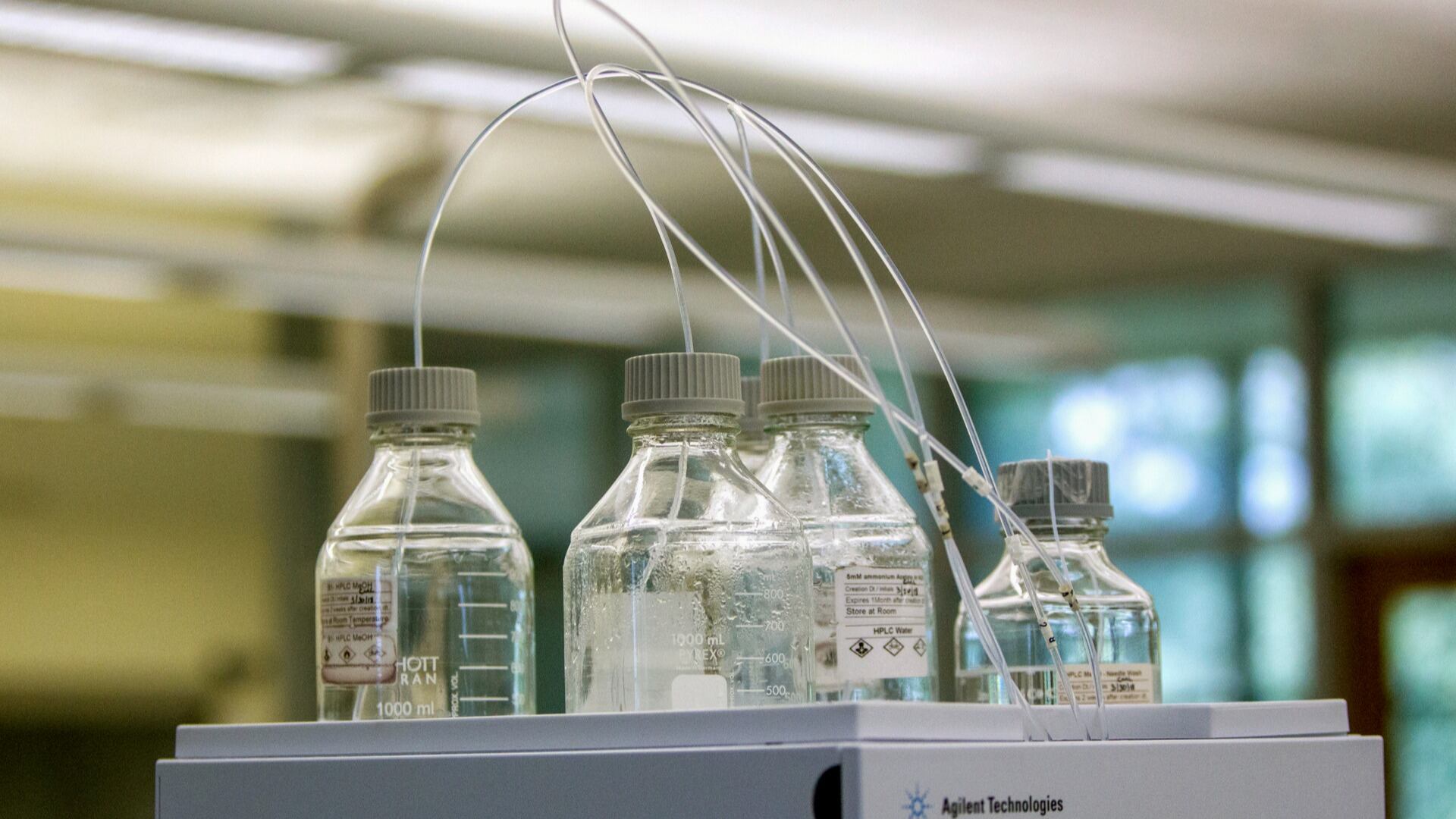
Scientists tested for 32 PFAS compounds — most of the ones detectable through available methods. Thousands of others are believed to exist but can't be spotted with current technology, Smalling said.

The types found most often were PFBS, PFHxS and PFOA. Also making frequent appearances was PFOS, one of the most common nationwide.

Positive samples contained as many as nine varieties, although most were closer to two. The median concentration was around seven parts per trillion for all 32 PFAS types, although for PFOA and PFOS it was about four parts per trillion — the limit EPA has proposed for those two compounds.

The heaviest exposures were in cities and near potential sources of the compounds, particularly in the Eastern Seaboard; Great Lakes and Great Plains urban centers; and Central and Southern California. Many of the tests, mostly in rural areas, found no PFAS.

Based on the data, researchers estimated that at least one form of PFAS could be found in about 45% of tap water samples nationwide.

The study underscores that private well users should have their water tested for PFAS and consider installing filters, said Faber of the Environmental Working Group. Filters containing activated carbon or reverse osmosis membranes can remove the compounds.

The USGS study is “further evidence that PFAS is incredibly pervasive and folks who rely on private wells are particularly vulnerable to the harms caused by these chemicals,” Faber said.


Share:
More In Science
Pillow Customization to Improve Sleep; Bringing Green Hydrogen to Scale
On this episode of Cheddar Innovates: President of The Pillow Bar breaks down how everyone can benefit from a pillow customized to their unique way of sleeping; CEO of H2Pro explains how to bring environmentally friendly hydrogen to scale; Cheddar gets a look at Curiosity Stream's 'Suppressed Science.'
Gardening to Improve Wellbeing; Future of A.I. in Healthcare
On this episode of Cheddar Innovates: Gardenuity CEO breaks down how gardening can improve your wellbeing; Augmedix CEO discusses how this technology is helping doctors fight burnout; Cheddar gets a look at Curiosity Stream's 'Suppressed Science.'
Innovation in Prosthetics; New Drug for Anti-Aging
On this episode of Cheddar Innovates: Atom Limbs CEO breaks down how the Atom Touch prosthetic is different from other prosthetics on the market; CEO & Chief Scientific Officer of MyMD explains how the MYMD-1 is on track to be the first FDA-approved drug to treat aging and age-related diseases; A look at Curiosity Stream's 'The Future of Warfare.'
VR to Train Frontline Workers; Digital Marketplace to End Waste
On this episode of Cheddar Innovates: SkilsVR CEO explains how virtual reality is being used to train frontline workers to handle difficult customers; Rubicon CEO breaks down how technology and sustainability will go hand in hand in the future; Cheddar gets a look at 'Our Infinite Universe.'
UN Report Warns Seawalls Alone Will Not Save Coastal Cities
A UN report is warning that relying on seawalls and other engineering fixes will not be enough to keep communities safe from rising sea levels and climate change consequences. Dr. Steve Rose, a senior research economist at the Electric Power Research Institute, joins Cheddar News to discuss.
Oil Price Crisis Could Lead to Speedier Push Toward Clean Energy Transition
As gas prices surge amid the Russian invasion of Ukraine, other nations could potentially transition faster to using clean energy than previously expected. Philip K. Verleger, a senior fellow at the Niskanen Center, joined Cheddar News to explain how this could be a possibility in the near future. "Part of the reason I think we have this invasion and the tantrum that's being thrown by Russia, terrible tantrum, is because the Russians were trying to slow down the transition," he said. "Ironically they speeded it up."
What Biden's Ban on Russian Oil Imports Could Mean for Growing Energy Costs
As Russia intensifies its war on Ukraine, President Biden announced a ban on oil imported from the aggressor nation. Critics of Russia have said this would be the best way to force Putin to pull back, but curbs on Russian oil exports are expected to send already skyrocketing oil and gas prices even higher, further impacting consumers, businesses, financial markets, and the global economy. Leslie Beyer, CEO of the Energy Workforce and Technology Council, joined Cheddar News' Closing Bell to discuss. "It's certainly going to increase pricing, but it is the right thing to do," she said. "The industry itself has already pulled out of the significant portion of its operations in Russia."
Future of the E-Boating Industry; Making Smart Socks a Reality
On this episode of Cheddar Innovates: Vision Marine Technologies CEO discusses how e-boats will play a role in the fight against the climate crisis; Lasso CEO breaks down how the design behind these compression socks can prevent injuries and improve performance; Cheddar gets a look at Curiosity Stream's 'The Tombs Of Egypt.'
How Omicron Derailed Pfizer Vaccine for Children Under the Age of 5
Vaccine maker Pfizer delayed its COVID shot for kids allegedly due to a lack of data on how it would perform against the omnicron variant, according to the Wall Street Journa. Peter Pitts, professor and founder of the Center for Medicine in the Public Interest and a former FDA associate commissioner, joined Cheddar News Wrap to break down why the authorization can't be rushed. "Going forward, the FDA wants to look at data specifically against omicron, and it looks like that's going to be a three-shot regimen versus two, which was efficient against delta but not omicron because obviously omicron is more infectious," said Pitts.
Load More