By Damian J. Troise and Alex Veiga
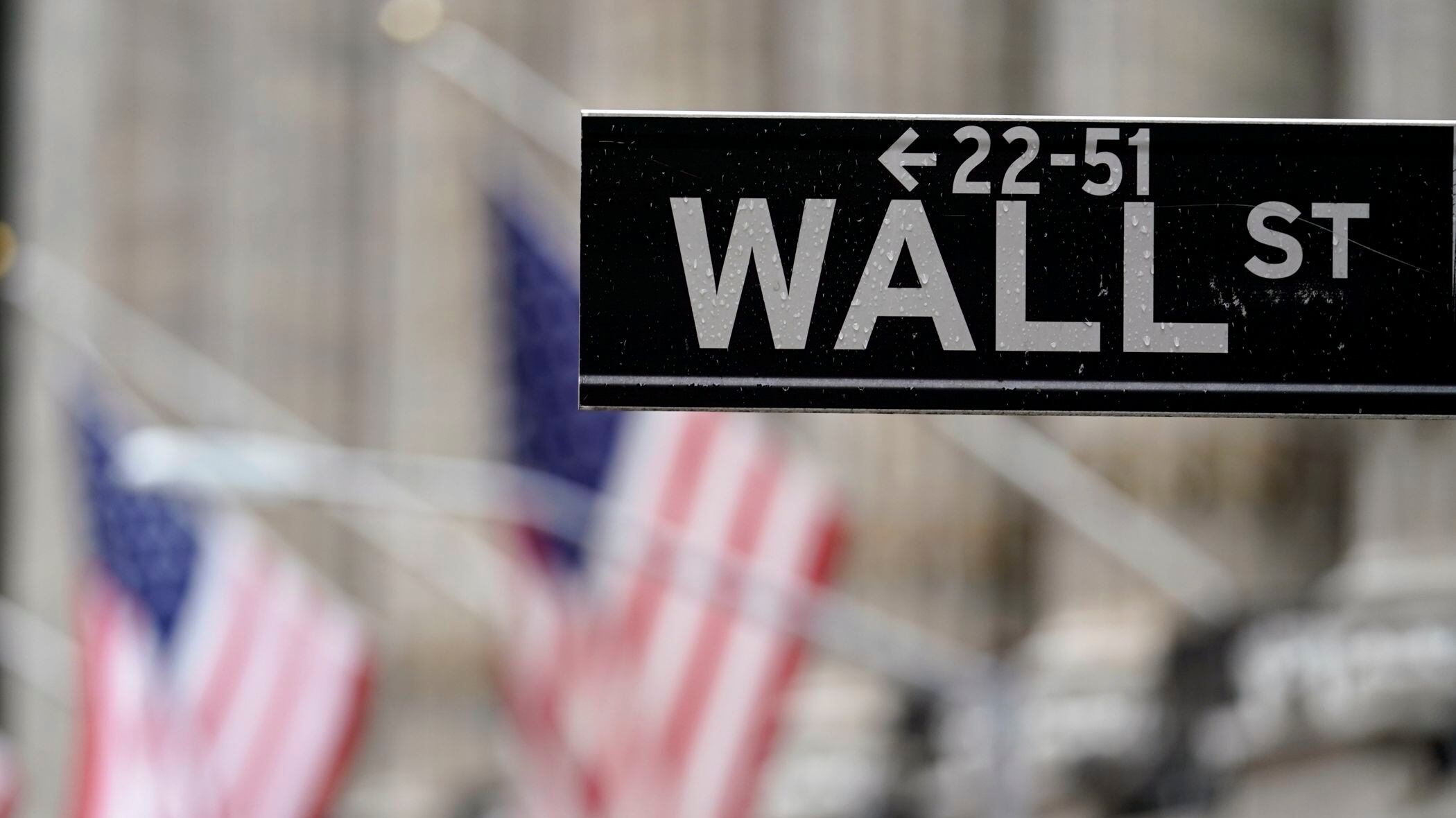
Wall Street followed up a three-day losing streak with a broad stock market rally Thursday powered by Big Tech companies and banks.
The S&P 500 notched a 1.2% gain, clawing back almost half of its loss from a day earlier, when it had its biggest one-day drop since February. Even so, the benchmark index is on track for a 2.8% weekly decline, which would be its largest since January. The other major indexes were also on pace for sharp weekly declines, despite recouping some of their losses.
Technology stocks, which were hurt badly earlier in the week as investors fretted about signs of rising inflation, were among the bigger gainers. Apple, Microsoft, Facebook and Google's parent company all rose. Financial companies also did well. JPMorgan Chase, Charles Schwab and Capital One Financial each rose more than 2%.
In a switch from Monday, the energy sector was the only loser in the S&P 500 as oil prices fell sharply. It’s not uncommon for markets to reverse direction after sharp gains or losses over a period of days as investors reassess markets and pause during periods of volatility.
“Investors have kind of gotten conditioned about when there’s volatility and when there are pullbacks: step in and buy the dip, and you will be rewarded in short order,” said Sameer Samana, senior global market strategist at Wells Fargo Investment Institute.
The S&P 500 gained 49.46 points to 4,112.50. The Dow Jones Industrial Average rose 433.79 points, or 1.3%, to 34,021.45. The Nasdaq, which is heavily weighted with technology stocks, climbed 93.31 points, or 0.7%, to 13,124.99.
Smaller company stocks, which for most of this year had outgained the broader market, also recovered some of their losses from earlier in the week. The Russell 2000 index picked up 35.81 points, or 1.7%, to 2,170.95.
Recent economic reports have left many investors uneasy. Last week’s jobs report showed fewer employers hiring than had been expected, and on Thursday the government reported that wholesale prices jumped 0.6% last month, driven by higher costs for services and food. That was more than expected and the latest indication that inflation pressures are mounting.
Rising prices reflect growing economic activity after last year’s global shutdown to fight the coronavirus pandemic. However investors worry inflation might disrupt the recovery or prompt central banks to withdraw stimulus and near-zero interest rates.
“The capital markets are clearly grappling in a tug of war,” said Bill Northey, senior investment director at U.S. Bank Wealth Management.
Investors have been questioning whether rising inflation will be something transitory, as the Federal Reserve has said, or something more durable that the Fed will have to address. Currently, the central bank has maintained low interest rates in order to help the economic recovery, but concerns are growing that it will have to shift its position if inflation starts running too hot.
“Is there something more durable being embedded within rising prices? The next several months will not likely resolve this debate,” Northey said.
Bond yields rose sharply this week in response to the data but pulled back slightly on Thursday. The yield on the 10-year Treasury note was 1.66% compared to 1.70% the day before.
In other markets, the price for Bitcoin plunged 10% after Tesla CEO Elon Musk reversed his earlier position on the digital currency and said the electric car maker would no longer accept it as payment.
The price of U.S. crude oil fell 3.4% after a key gasoline pipeline on the East Coast was reopened late Wednesday. The price of crude oil is now down slightly for the week. Energy stocks fell along with oil prices. Occidental Petroleum slid 5.6% for the biggest loss in the S&P 500.
Updated on May 13, 2021, at 4:58 p.m. ET.