By Damian J. Troise and Alex Veiga
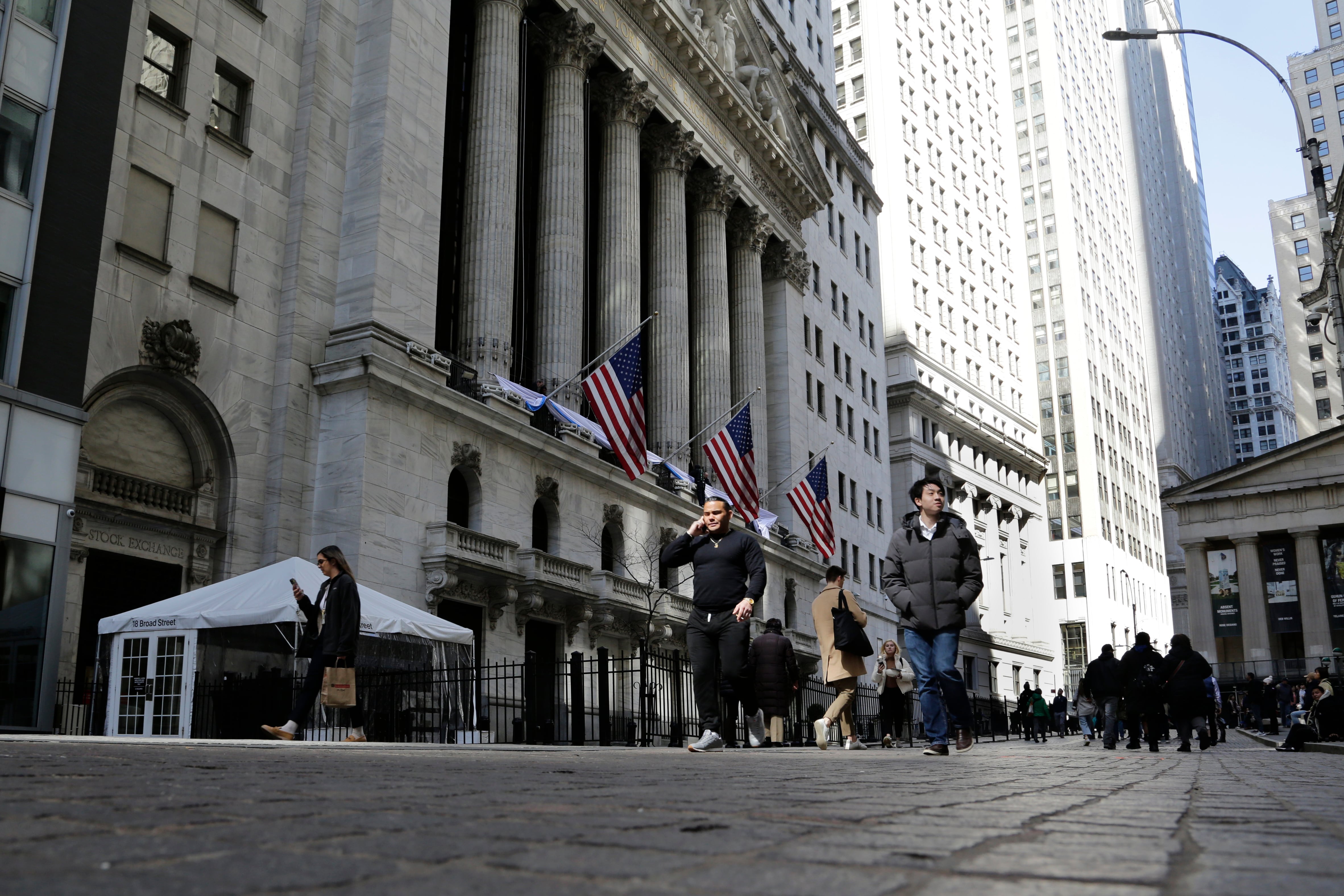
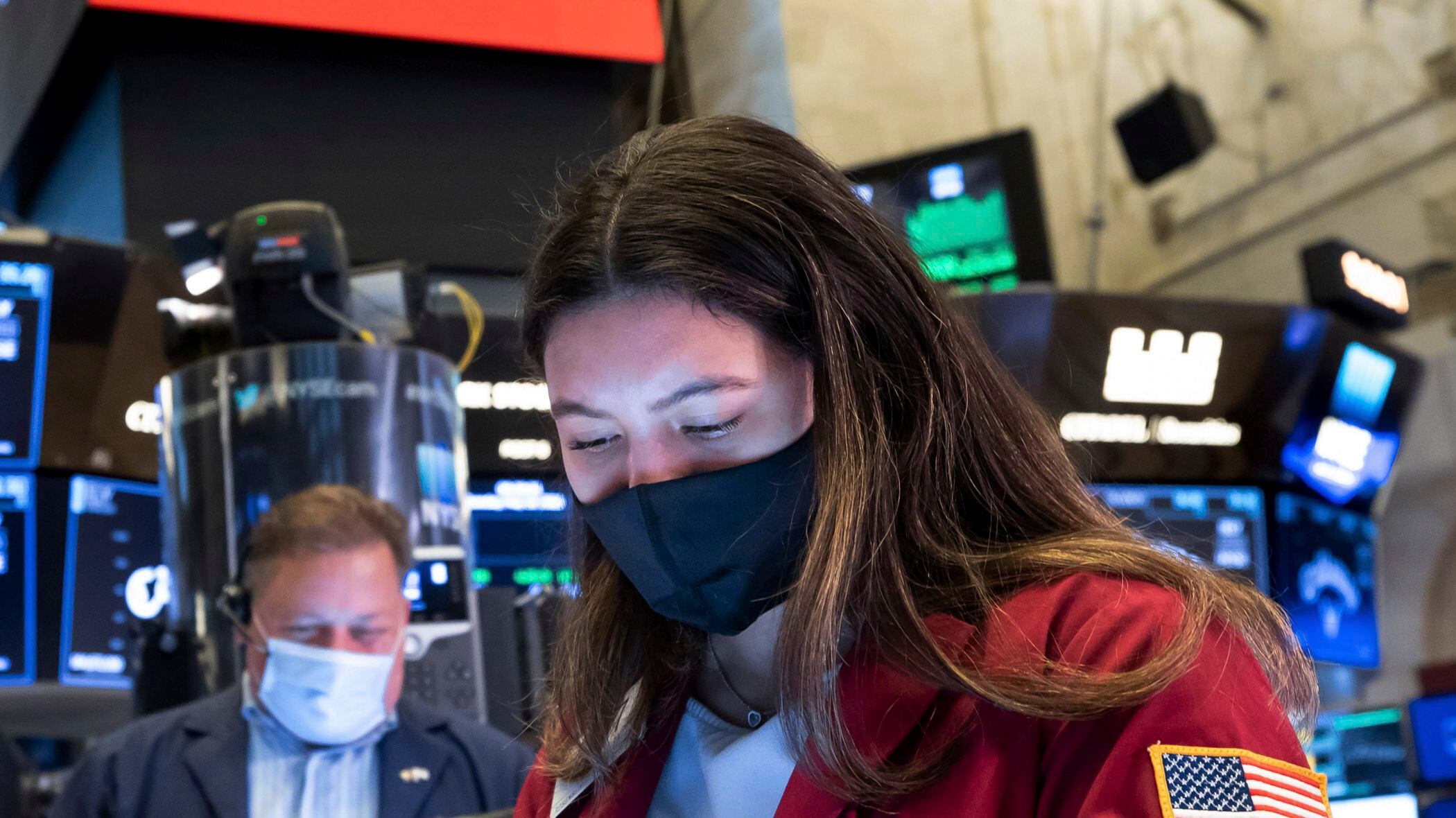
Wall Street capped a listless day of trading Tuesday with a modest pullback for the major U.S. stock indexes, giving back some of the market's gains after a solid start to the week.
The S&P 500 slipped 0.2% after spending much of the day wavering between small gains and losses. Financial, energy and health care stocks accounted for much of the decline. Technology and communication stocks eked out gains, as did big retailers, cruise lines and other companies that rely on consumer spending.
Homebuilders were among the biggest gainers following a report that U.S. home prices jumped in March by the most in more than seven years as an increasing number of would-be buyers compete for a dwindling supply of houses. D.R. Horton rose 2.3% and Toll Brothers gained 2.4%. KB Home rose 3.3% after also reporting that orders have so far more than doubled during the second quarter.
Investors continue to weigh the economic recovery’s progress against lingering concerns about inflation.
“Of course they’re still elevated, but fears of inflation seem to have come off the boil a little bit here,” said Katie Nixon, chief investment officer at Northern Trust Wealth Management.
The S&P 500 fell 8.92 points to 4,188.13. The Dow Jones Industrial Average dropped 81.52 points, or 0.2%, to 34,312.46. The blue-chip index had been up by 117 points in the early going. The Nasdaq fell 4 points, or less than 0.1%, to 13,657.17.
Smaller company stocks fared worse than the broader market. The Russell 2000 index lost 21.59 points, or 1%, to 2,205.75.
Strong company earnings and encouraging data pointing to an accelerating economic recovery have helped keep the market near all-time highs, despite some heavier selling this month. The S&P 500 hit an all-time high on May 7th, but posted two straight weekly declines heading into this week.
Inflation remains a key concern, particularly if the global economic recovery is hampered if governments and central banks have to withdraw stimulus to combat rising prices. It’s partly why stocks fell the previous two weeks. Still, analysts expect any rise in inflation to be tied to the growing economy and will likely be more moderate.
Bond yields have been relatively stable after rising sharply earlier in the year. The yield on the 10-year Treasury fell to 1.56% from 1.60% late Monday.
“We could see some upward pressure on rates, but ultimately Treasuries will be range-bound for the foreseeable future,” Nixon said.
The red-hot housing market and a report that consumer confidence remains strong gave investors another signal Tuesday that the economic recovery continues. Businesses have been reopening as more people get vaccinated and new COVID-19 cases fall. Moderna rose 3.1% after the drugmaker said its COVID-19 vaccine was found to be effective in children aged 12 to 15.
Investors will get more clues about the economic recovery's trajectory this week. The Commerce Department will release its GDP report for the first quarter on Thursday. The U.S. economy grew at an annual rate of 4.3% in the final three months of 2020, which was slightly faster than previously estimated. Economists expect a huge rebound this year.
The Labor Department will release its weekly report on claims for unemployment benefits Thursday. Employment has been a closely watched factor for the economy. It has lagged other measures throughout the recovery so far and is viewed as necessary for a sustained rebound.
Updated on May 25, 2021, at 5:30 p.m. ET.