The U.S. tax reform pushed by the Trump Administration has prompted many corporations to announce bonuses and wage hikes for their employees. Starbucks is one of the latest to boost its compensation and benefits package in light of the recent changes in U.S. tax law. Ron Crawford, VP of Benefits at Starbucks, was with us to discuss the company's investment in benefits.
Starbucks said the U.S. tax reform accelerated its latest investment in paid leave and wages. Had there not been tax reform, Crawford said Starbucks still would have made investments in compensation, but the timing and the extent of it may have been different. The offerings will total more than $250 million for more than 150,000 workers.
Digital apps and emerging technologies are driving more coffee runs to Starbucks, says Crawford. He believes digitization has brought more customers to its stores and boosted interactions between customers and employees. Starbucks is pumping in $7 billion of capital to build and renovate stores, manufacturing plants and technology platforms in the U.S. over the next five years.
Fresh off a successful funding round, co-founder of Lapse Dan Silvertown shares thoughts on regulation, privacy, and why the money for great startups is still out there.
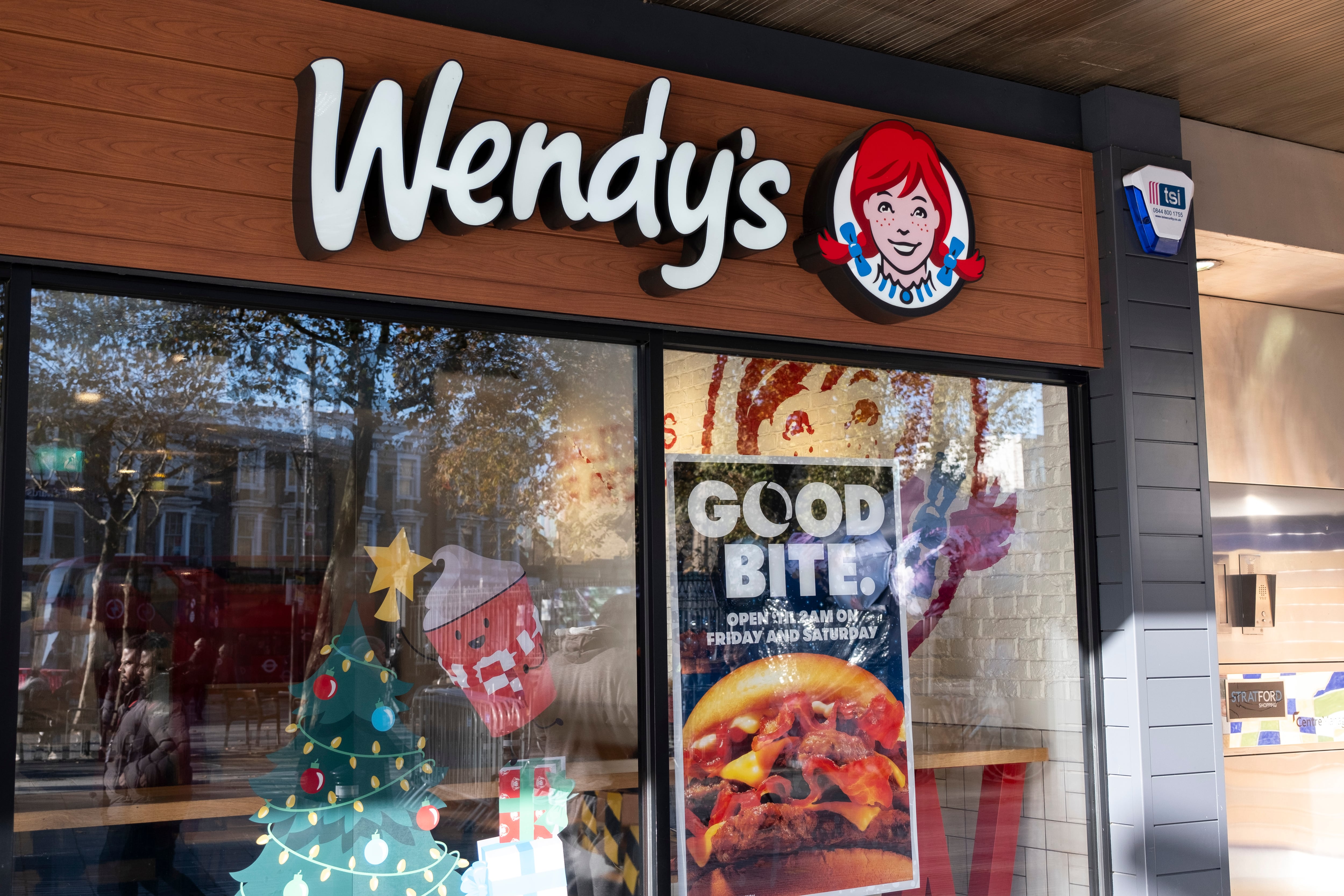
Wendy's announced they are testing out fluctuating prices throughout the day for certain products based on demand. Who will groan the most: lunch-breakers, dinner drivers or late-night goblins?
Shubha Dasgupta, CEO of Pineapple Financial, discusses incorporating artificial intelligence with its newly announced ‘Maui’ tool, plus plans for expansion.
Chair of Penn Engineering’s Department of Computer and Information Science Zachary Ives shares how the department is building its artificial intelligence degree program.
Frances Stacy, Optimal Capital Director of Strategy, breaks down why the latest data indicates the economy may be struggling more than expected, plus some sectors she’s watching.
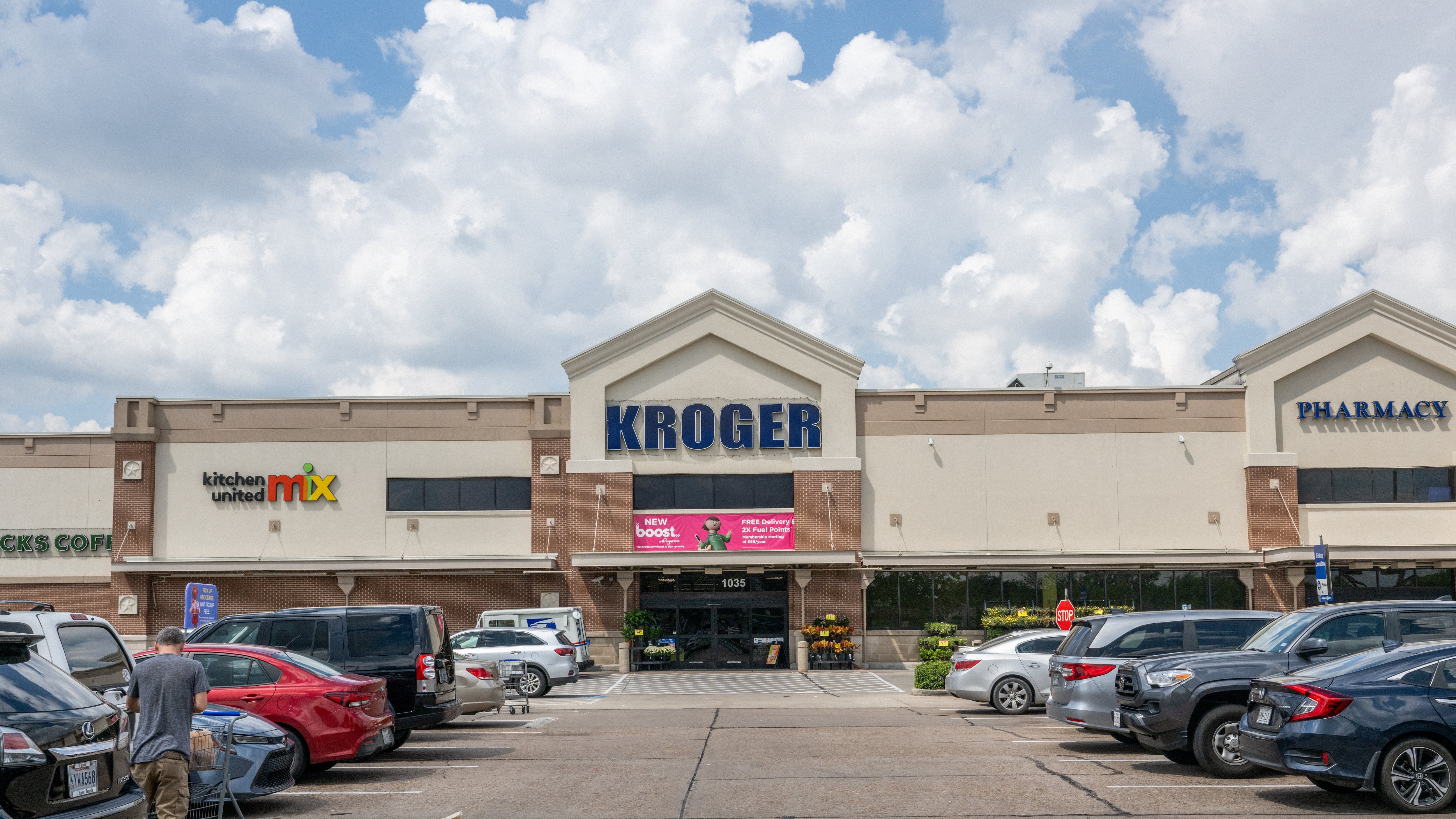
The Federal Trade Commission is suing to block a proposed merger between the two grocery stores. The FTC says the $24.6 billion deal would eliminate competition and lead to higher prices for millions of Americans.