*By Madison Alworth*
In the sharing economy, you don't need a huge dining room to throw a luxurious dinner party. You can just rent one.
That's the idea behind [Splacer](https://www.splacer.co/), a new start-up that aims to be the Airbnb of event spaces.
"Airbnb laid the first foundation stone of understanding we can share space," said Splacer CEO Adi Biran.
Her company, she said Thursday in an interview on Cheddar, wants to take the sharing economy one step further.
"Splacer's offering the rest of the spaces. If we can share our own homes, why wouldn't we share our offices, our churches, galleries, distilleries, barber shops, and so on?" she asked.
Splacer offers space rental either by the hour or per day. The start-up encourages consumers to find the perfect spot for their art, special events, parties, and beyond.
The company first launched in Tel Aviv, Israel, but has since expanded to five U.S. cities: New York, San Francisco, Los Angeles, Miami, and Chicago.
The once-foreign idea of a gig economy is now growing even within individual industries. Ride-sharing started with Uber and Lyft and now includes bike and scooter companies like Bird and Lime. So perhaps it makes sense that real estate rentals branched into bigger spaces.
"This is something that will be extensively used by everyone who is really looking to access a space as opposed to owning it," Biran said.
For full interview [click here](https://cheddar.com/videos/finding-the-perfect-splacer-for-your-next-event).
Retailers face tariffs and cost challenges this holiday season. Wells Fargo's Lauren Murphy shares insights on pricing, promotions, and shopping trends.
Dateability, founded by sisters Jacqueline and Alexa Child, is the only dating app for disabled and chronically ill communities, fostering love without limits.
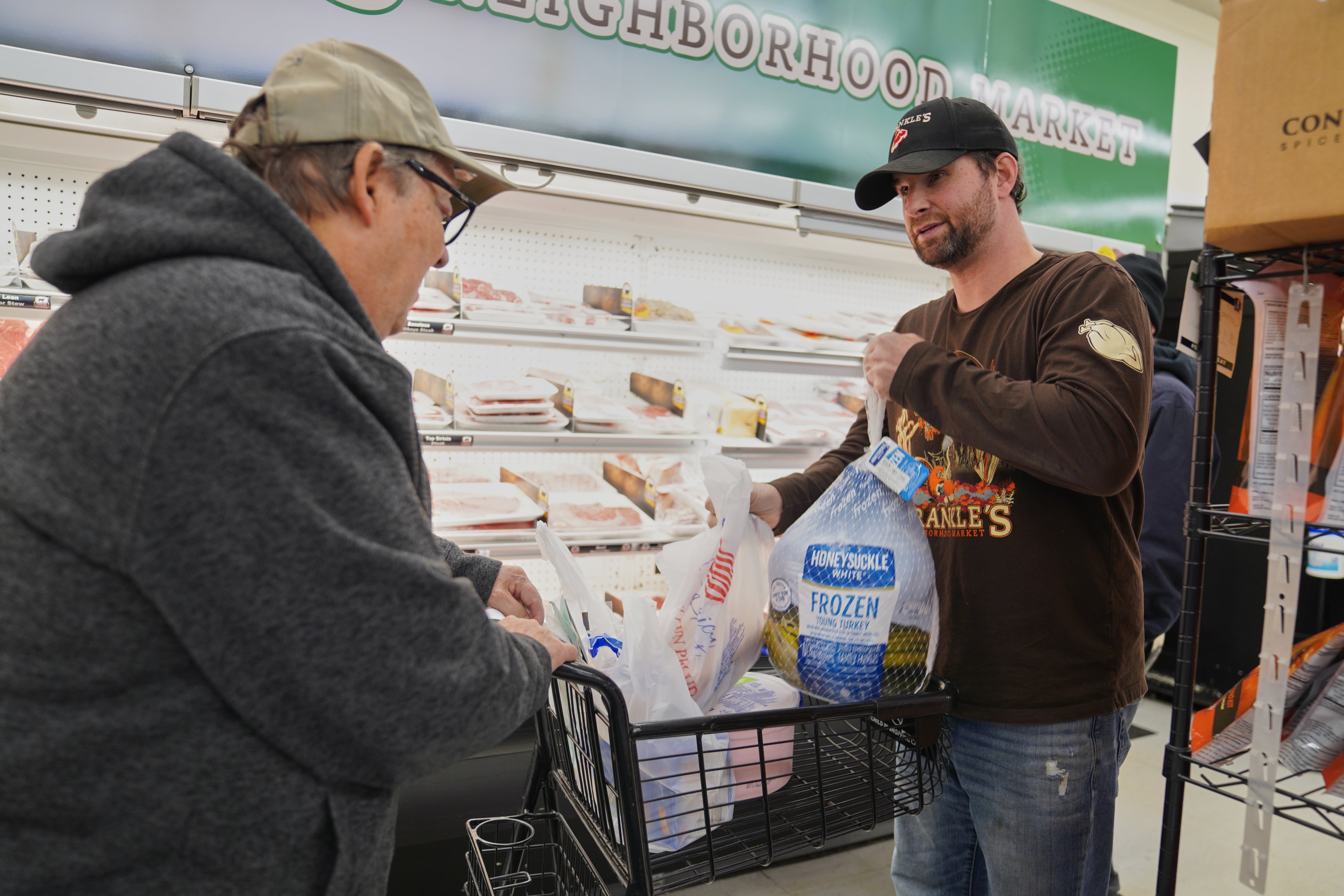
Some small grocery stores and neighborhood convenience stores are eager for the U.S. government shutdown to end and for their customers to start receiving federal food aid again. Late last month, the Trump administration froze funding for the SNAP benefits that about 42 million Americans use to buy groceries. The U.S. Department of Agriculture says about 74% of the assistance was spent last year at superstores like Walmart and supermarkets like Kroger. Around 14% went to smaller stores that are more accessible to SNAP beneficiaries. A former director of the United Nations World Food Program says SNAP is not only a social safety net for families but a local economic engine that supports neighborhood businesses.
Andy Baehr, Head of Product at CoinDesk Indices, breaks down crypto’s Black Friday crash, Bitcoin dipping under $100K, and what’s driving the market rout.
Billionaire Warren Buffett warned shareholders Monday that many companies will fare better than his Berkshire Hathaway in the decades ahead as Father Time catches up
Chris Marquette of POLITICO breaks down how the FAA is cutting flights and facing a critical shortage of air‑traffic controllers amid the government shutdown.