Update: SpaceX postponed Friday's launch. The news liftoff is expected Saturday, November 18, 2023 with a 20-minute window opening at 8:00 a.m. ET.
By Marcia Dunn
SpaceX is aiming for another test flight of its mega rocket on Friday after getting final approval from federal regulators.
The first launch of Starship ended in an explosion minutes after lifting off from South Texas in April.
The Federal Aviation Administration issued its license Wednesday, noting that SpaceX has met safety, environmental and other requirements to launch again. Elon Musk's rocket company said it was targeting Friday morning.
After the self-destruct system blew up the rocket over the Gulf of Mexico, SpaceX made dozens of improvements to the nearly 400-foot (121-meter) rocket and to the launch pad, which ended up with a large crater beneath it.
SpaceX has a $3 billion NASA contract to land astronauts on the lunar surface as early as 2025, using the spacecraft.
A month ago, the FAA completed its safety review of the upcoming Starship launch. It needed more time to wrap up its environmental review. No one was injured in the first attempt, but the pad was heavily damaged as the rocket's 33 main engines ignited at liftoff.
The U.S. Fish and Wildlife Service later reported that concrete chunks, steel sheets and other objects were hurled thousands of feet (hundreds of meters) from the pad. It also said a plume of pulverized concrete sent material several miles (up to 10 kilometers) away.
Wildlife and environmental groups sued the FAA over what they considered to be the FAA’s failure to fully consider the environmental impacts of the Starship program near Boca Chica Beach.
Plans call for the test flight to last 1 /1/2 hours and fall short of a full orbit of Earth. The spacecraft would go eastward, passing over the Atlantic, Indian and Pacific oceans before ditching near Hawaii. Nothing of value will be on board.
The Associated Press Health and Science Department receives support from the Howard Hughes Medical Institute’s Science and Educational Media Group. The AP is solely responsible for all content.
Updated November 17, 2023 at 8:53 a.m. ET with time for new launch attempt.
Heila Technologies, a startup that develops hardware and software to integrate renewables and batteries on a microgrid, is helping to power the first clean energy microgrid for Auto Mercado, a top supermarket chain in Costa Rica. The plant will reduce 20 tons of CO2 emissions per year. Heila Technologies CEO Francisco Morocz joins Cheddar Climate to discuss.
The U.S. has a million-ton problem: each year, hundreds of pounds of plastic waste are produced per person, and that leads to close to 2 million tons of that waste leaking into the environment. Eight million tons end up in the ocean, where it hinders marine life, damages ecosystems, and impacts industry. But in recent years, Congress has introduced measures including the Save our Seas act to try to mitigate the issue and turn our plastic problem around. Sen. Chris Murphy (D-CT) joins Cheddar Climate to discuss why the U.S. is the top global polluter of plastic, what Congress is doing to try to fix the issue, and more.
Daniel Huppmann, researcher at International Institute for Applied Systems Analysis, joins Cheddar Climate, where he explains how the global economy could be 2% bigger by 2100 if the world can hold global warming below 1.5°C.
While the World Health Organization strongly advises against a COVID-19 vaccine mandate, national and local governments are moving to make inoculations compulsory. Cheddar News speaks with Dr. Joel Zinberg of the Competitive Enterprise Institute on the issue.
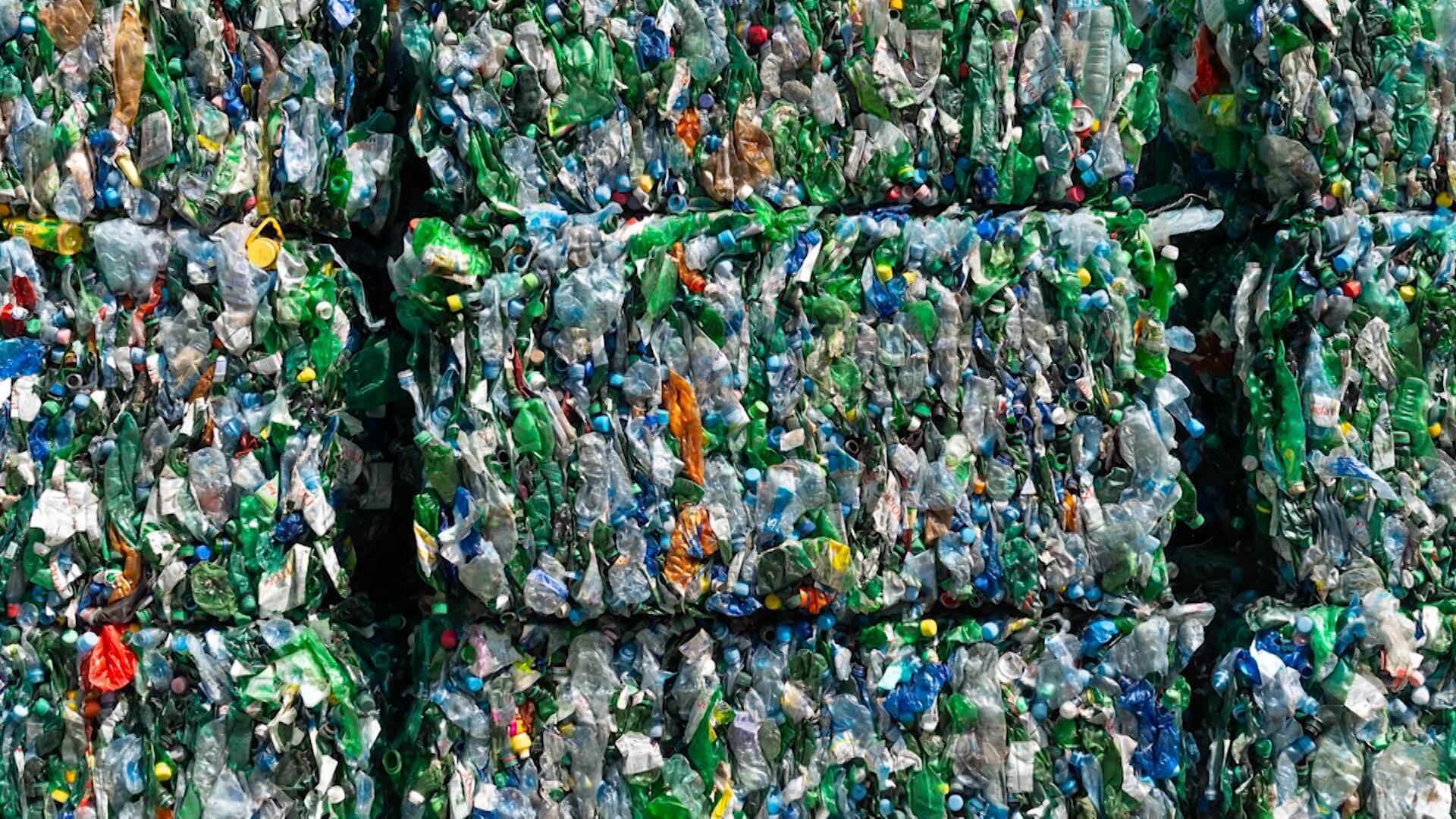
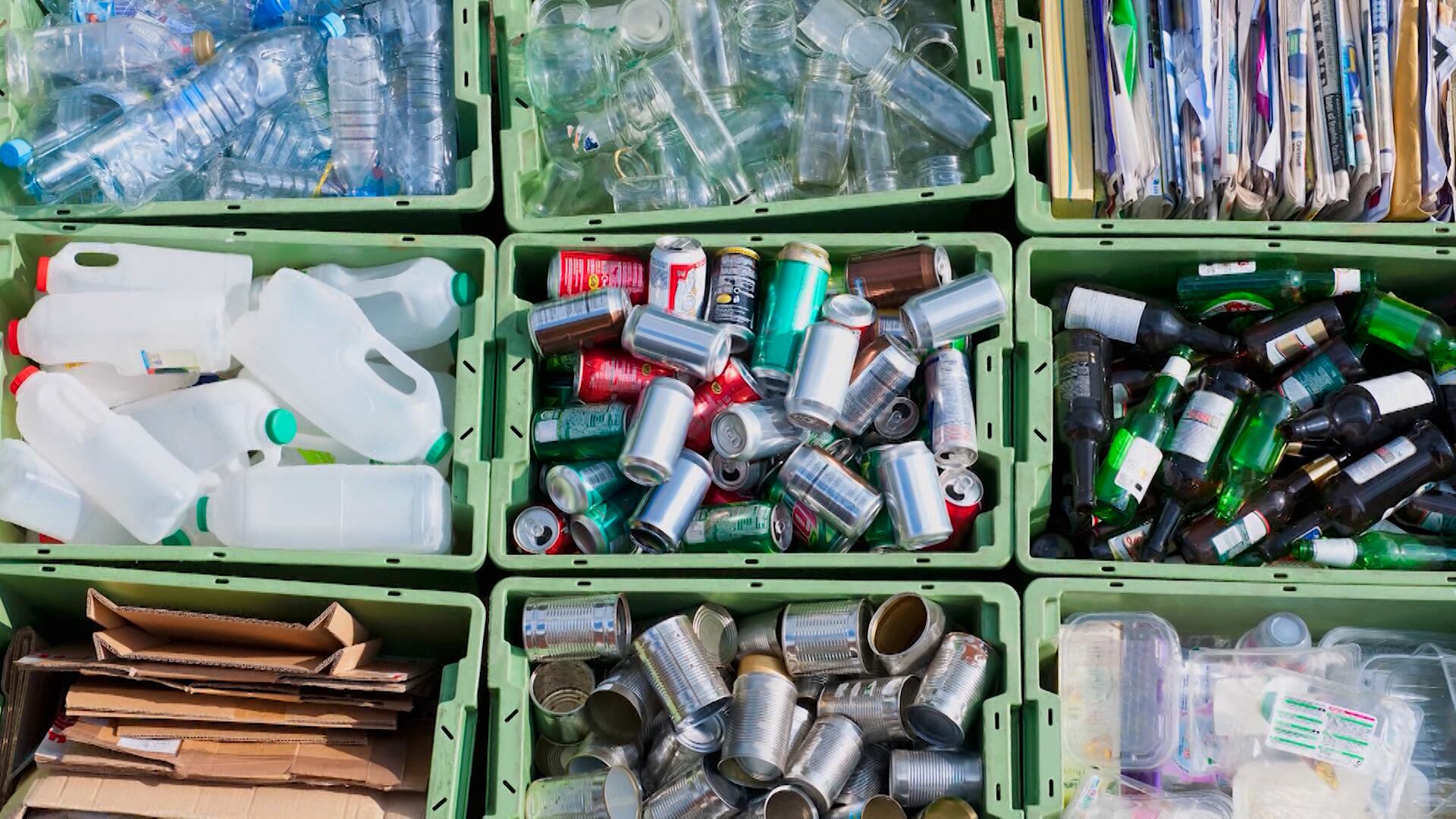
Cheddar breaks down the challenges of plastic recycling and what one company is doing to help offset the negative environmental impact of single-use plastics.
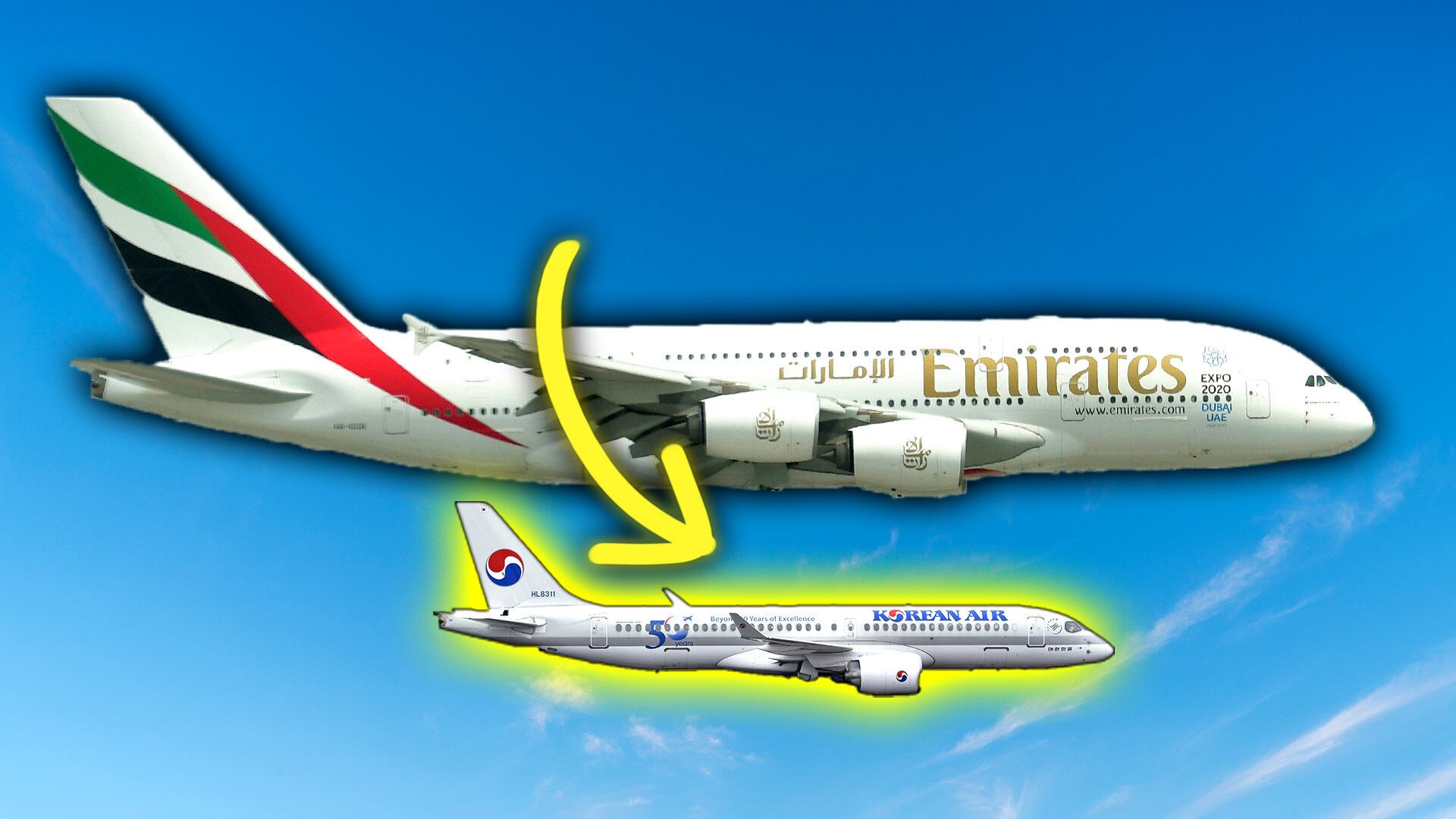
Earlier this year, JetBlue flew its inaugural flight into the United Kingdom. It was a game changer — not only did the airline enter the transatlantic market, but the plane that completed the flight was a single-aisle jet. For decades, flying the distance was synonymous with jumbo jets, but today narrow-body aircraft are now proving they are up for the task — and maybe even the best option. In this episode, Cheddar examines why airlines are betting on narrow-body aircraft.
Carlo and Baker discuss the sweeping new vaccine mandate in NYC that will target all private businesses. Plus, Trump's media venture gets its CEO and more.
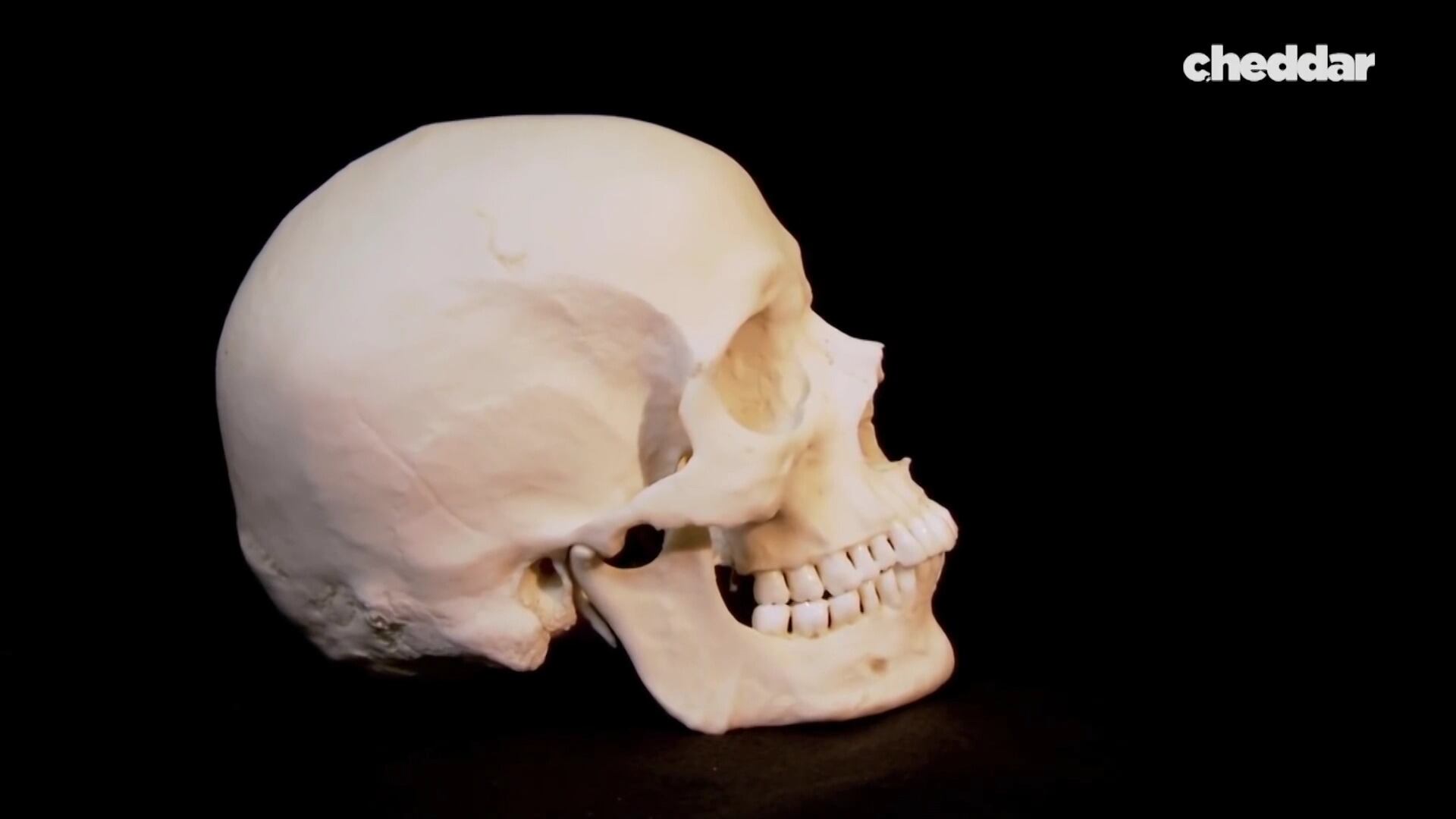
Humans are scientifically the most successful species in the history of planet earth. And for this we can thank our opposable thumbs, proportionally large brains, and our upright posture. But for all our anatomical wonders, we still have some pretty major flaws.