Update: SpaceX postponed Friday's launch. The news liftoff is expected Saturday, November 18, 2023 with a 20-minute window opening at 8:00 a.m. ET.
By Marcia Dunn
SpaceX is aiming for another test flight of its mega rocket on Friday after getting final approval from federal regulators.
The first launch of Starship ended in an explosion minutes after lifting off from South Texas in April.
The Federal Aviation Administration issued its license Wednesday, noting that SpaceX has met safety, environmental and other requirements to launch again. Elon Musk's rocket company said it was targeting Friday morning.
After the self-destruct system blew up the rocket over the Gulf of Mexico, SpaceX made dozens of improvements to the nearly 400-foot (121-meter) rocket and to the launch pad, which ended up with a large crater beneath it.
SpaceX has a $3 billion NASA contract to land astronauts on the lunar surface as early as 2025, using the spacecraft.
A month ago, the FAA completed its safety review of the upcoming Starship launch. It needed more time to wrap up its environmental review. No one was injured in the first attempt, but the pad was heavily damaged as the rocket's 33 main engines ignited at liftoff.
The U.S. Fish and Wildlife Service later reported that concrete chunks, steel sheets and other objects were hurled thousands of feet (hundreds of meters) from the pad. It also said a plume of pulverized concrete sent material several miles (up to 10 kilometers) away.
Wildlife and environmental groups sued the FAA over what they considered to be the FAA’s failure to fully consider the environmental impacts of the Starship program near Boca Chica Beach.
Plans call for the test flight to last 1 /1/2 hours and fall short of a full orbit of Earth. The spacecraft would go eastward, passing over the Atlantic, Indian and Pacific oceans before ditching near Hawaii. Nothing of value will be on board.
The Associated Press Health and Science Department receives support from the Howard Hughes Medical Institute’s Science and Educational Media Group. The AP is solely responsible for all content.
Updated November 17, 2023 at 8:53 a.m. ET with time for new launch attempt.
Brightseed Co-Founder Sofia Elizondo breaks down what plant bioactives are, and how they're using the latest technology to study human's biological connections with plants.
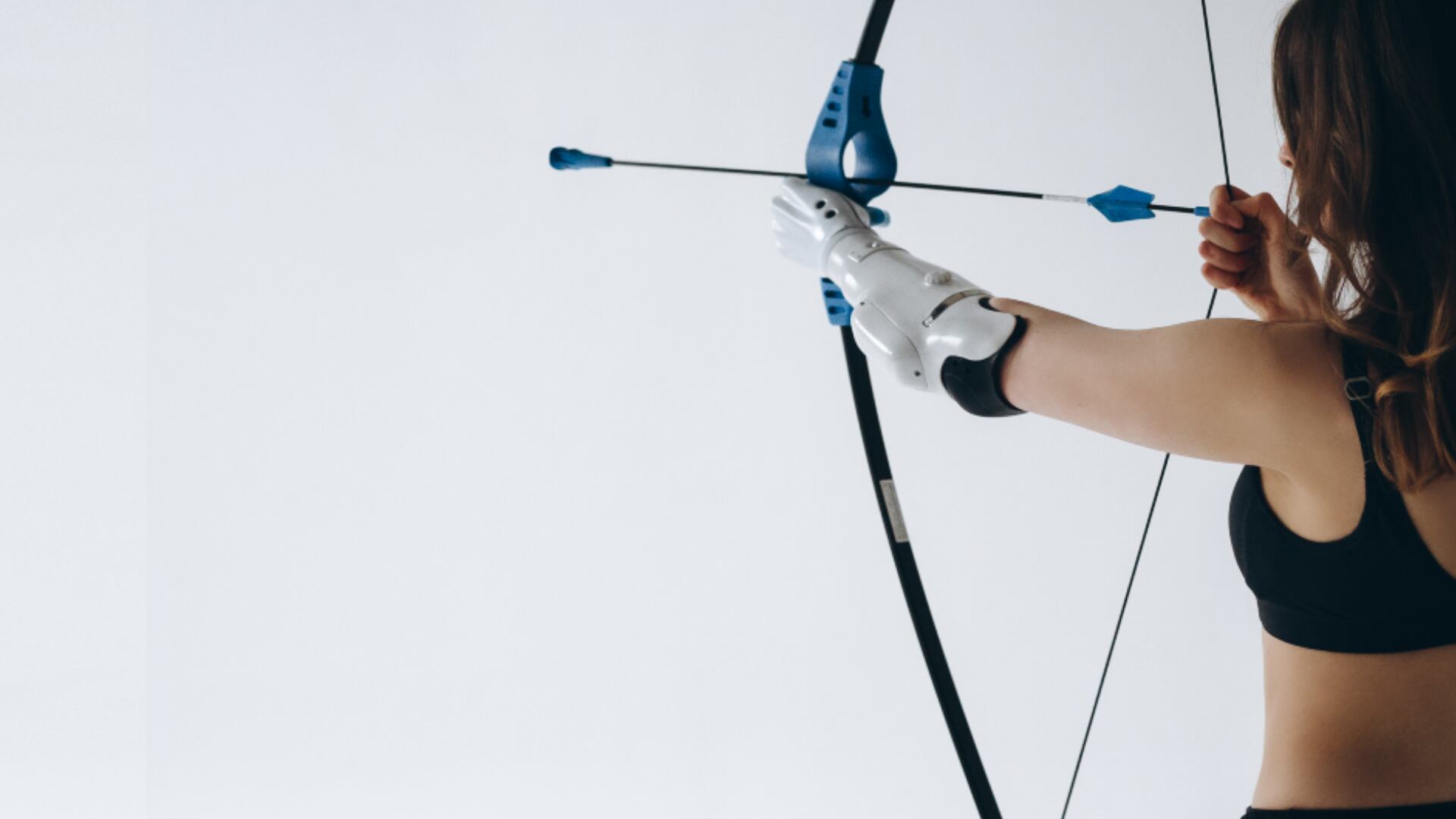
On this episode of Cheddar Innovates: Brightseed Co-Founder breaks down what plant bioactives are, and how they're using the latest technology to study human's biological connections with plants; Esper Bionics CEO breaks down how they re creating a mind-controlled bionic hand that guest smarter the more you use it; Cheddar gets a look at Curiosity Stream's 'Capturing A Black Hole In Our Milky Way.'
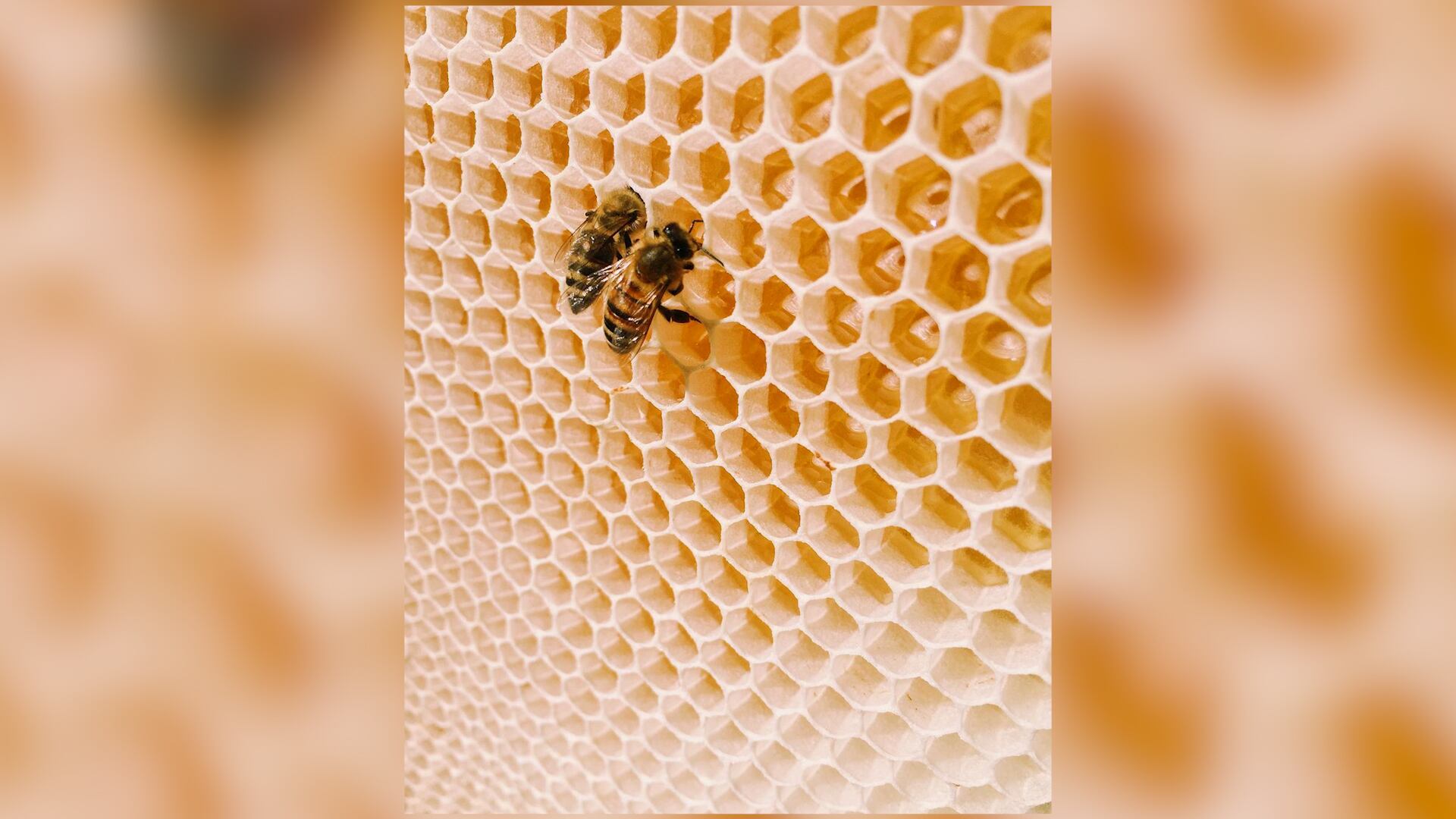
Hilary Kearney, Founder of Girl Next Door Honey, joined Closing Bell to discuss her partnership with Comvita to save the important pollinators, as bee colonies are on the decline across the United States.
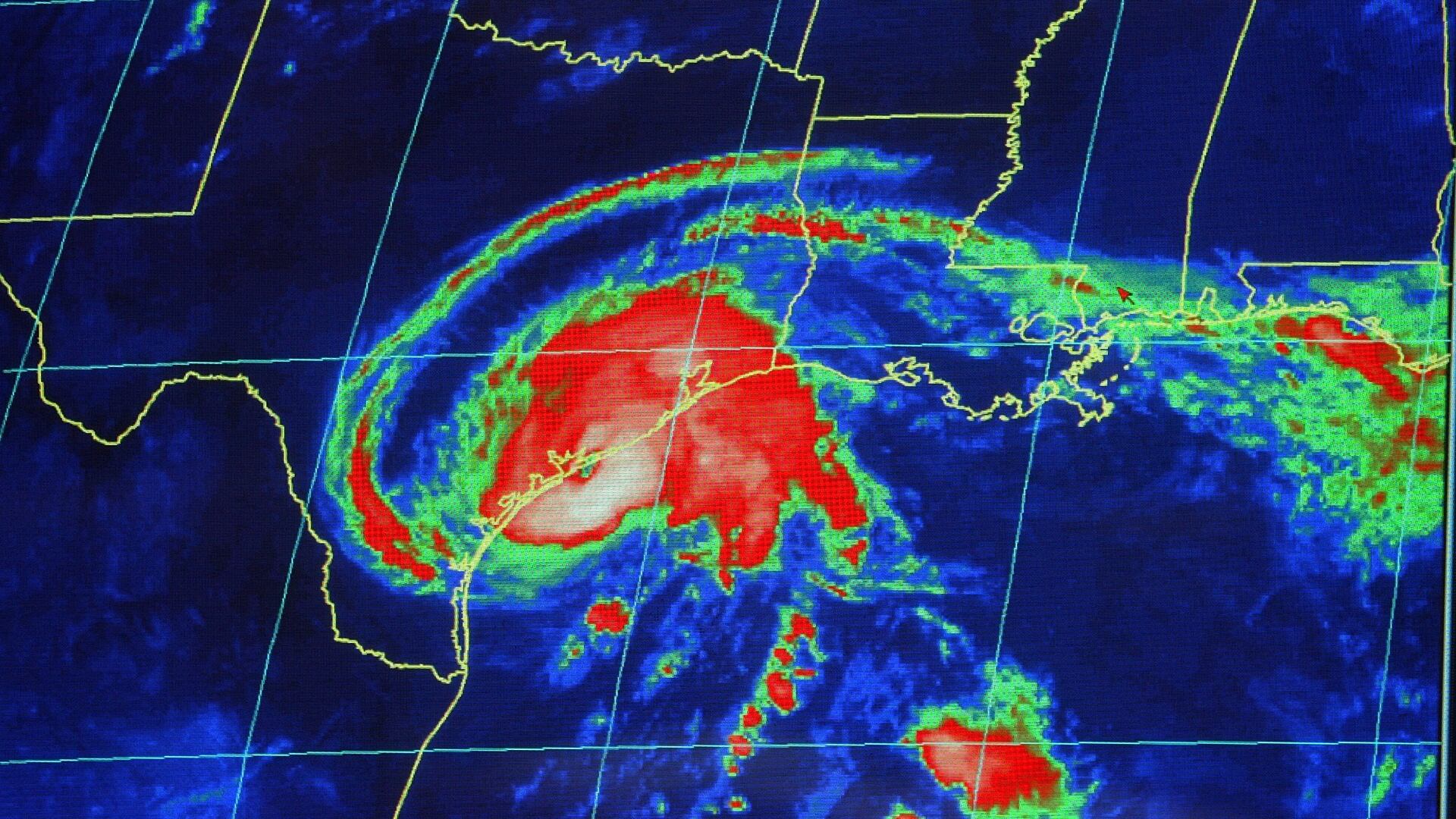
Hurricane climatologist Jill Trepanier joined Cheddar News to discuss NOAA's announced prediction for an above-normal hurricane season and what it might mean for people in the United States. "I think it's important that people who maybe haven't been used to having extreme weather events related to say tropical cycles and tropical systems, like thinking New Jersey, Northeastern seaboard, that area may get more action than they're used to in the past," she said.
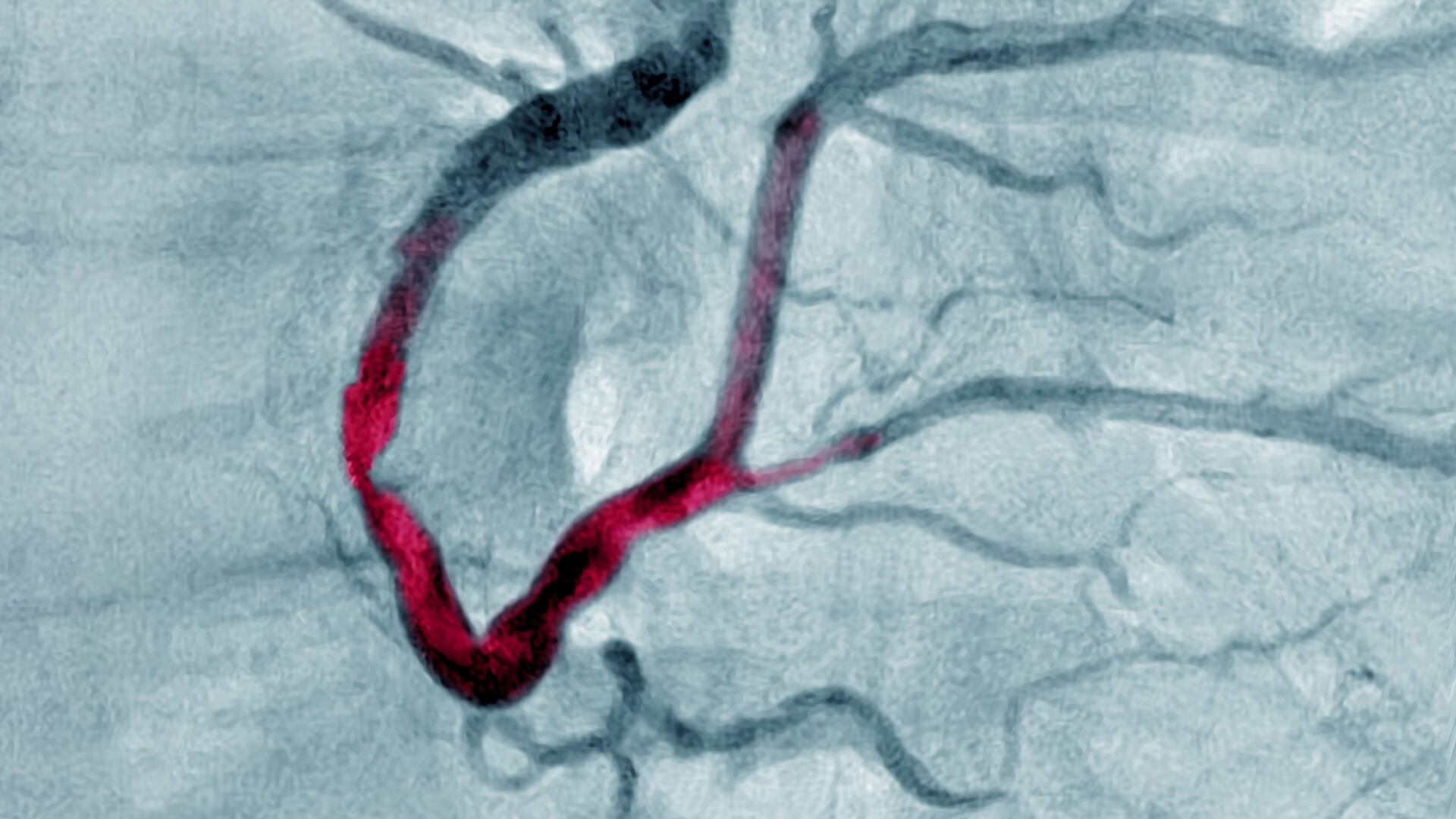
Dr. Jarrad Aguirre, Co-Founder and CEO of Miga Health, joins Cheddar News' Closing Bell, where he says his company is looking to establish the future of heart health and points to how 80% of premature heart attacks and strokes are preventable.
On this episode of Cheddar Reveals, David Keith, Professor of Applied Physics at the Harvard School of Engineering and Applied Sciences and Professor of Public Policy at the Harvard Kennedy School, and founder of Carbon Engineering outlines the viability of solar geoengineering as a solution to help reverse the effects of global warming; Lena Geraghty, Sustainability & Urban Innovation Director at National League of Cities, discusses which U.S. cities are safest from global warming and how the real estate market will be impacted from the effects of climate change; Cheddar gets a look at Curiosity Stream's 'Changing Ocean Asia.'
David Keith, Professor of Applied Physics at the Harvard School of Engineering and Applied Sciences and Professor of Public Policy at the Harvard Kennedy School, and founder of Carbon Engineering joins Cheddar Reveals to outline the viability of solar geoengineering as a solution to help reverse the effects of global warming.
Lena Geraghty, Sustainability & Urban Innovation Director at National League of Cities, joins Cheddar News to discuss which U.S. cities are safest from global warming and how the real estate market will be impacted from the effects of climate change.
Peggy Whitson, Director of Human Space Flight, Axiom Space, joins Cheddar Innovates to discuss Axiom's involvement in the first fully-private mission to the ISS, and her experience spending 665 days in space.
On this episode of Cheddar Innovates, Peggy Whitson, Director of Human Space Flight, Axiom Space, breaks down Axiom's involvement in the first fully-private mission to the ISS, and her experience spending 665 days in space; William Li and Danielle Chang, co-founders of The Hao Life, discuss how they're shaking up the $71 billion supplement industry by putting a modern spin on traditional natural Chinese remedies; Cheddar gets a look at Curiosity Stream's 'Sagrada Familia: Gaudi's Challenge.'