Rob Verger, assistant tech editor at Popular Science, discusses SpaceX's successful launch of the Falcon Heavy rocket that propelled Elon Musk's red Tesla Roadster into orbit. The release of the car into space has prompted people to ask the question, "what now?"
Verger notes that it will take two and a half years for the rocket to orbit around the sun and end up back where it started from. It will be another five years before we could potentially see it with a telescope.
Verger says the Roadster will face significant deterioration due to radiation and a "sandblasting" of dust that will cause the car to lose its cherry red color. He talks about the vastness of space, noting it's unlikely the car would be destroyed by an asteroid.
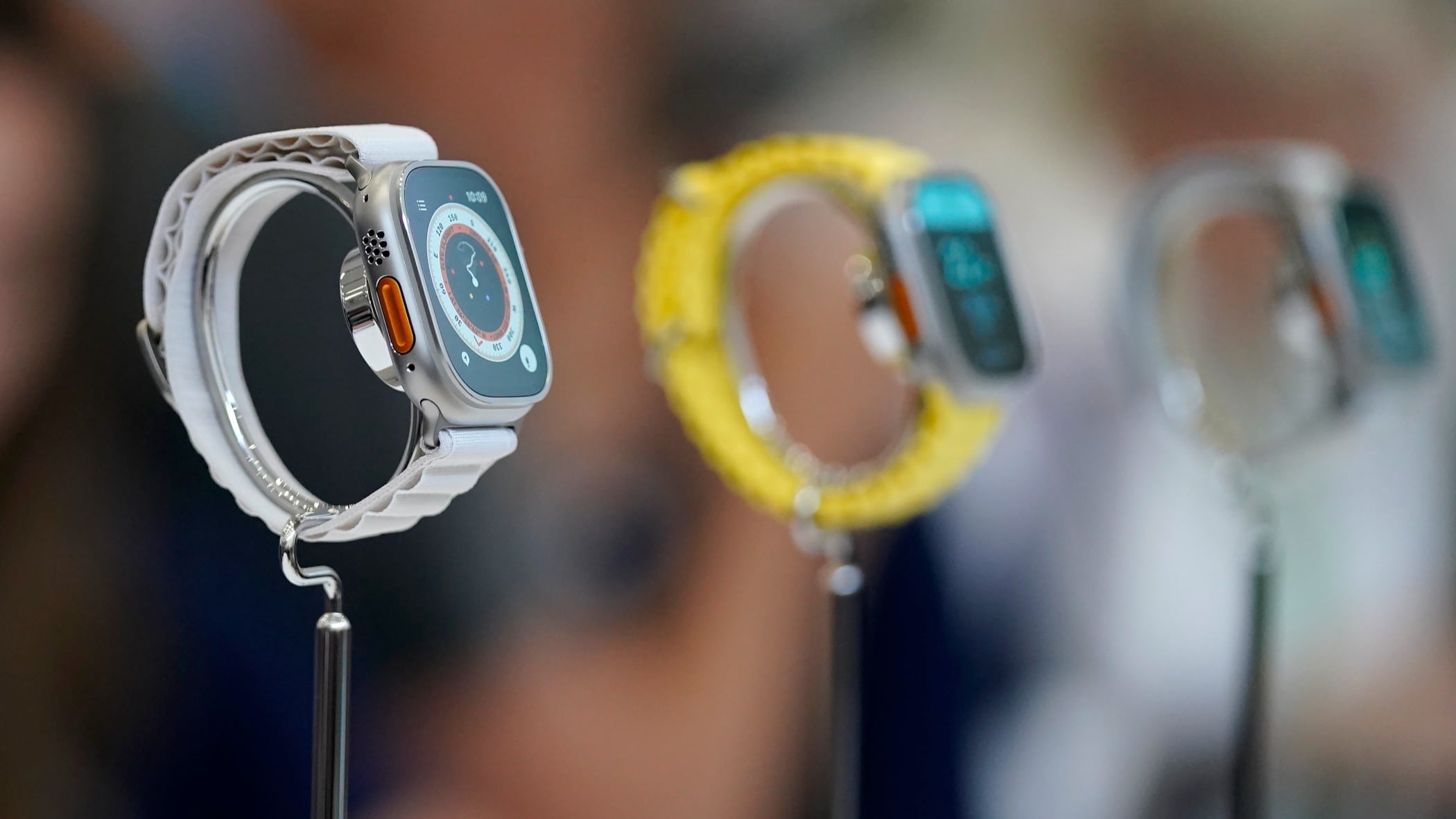
A 29-year-old Cincinnati woman was awakened by her Apple Watch, which alerted her about an elevated heart rate, prompting her to head to a doctor who notified her of a blood clot.
Cheddar News checks in with a coast-to-coast forecast of the weather.
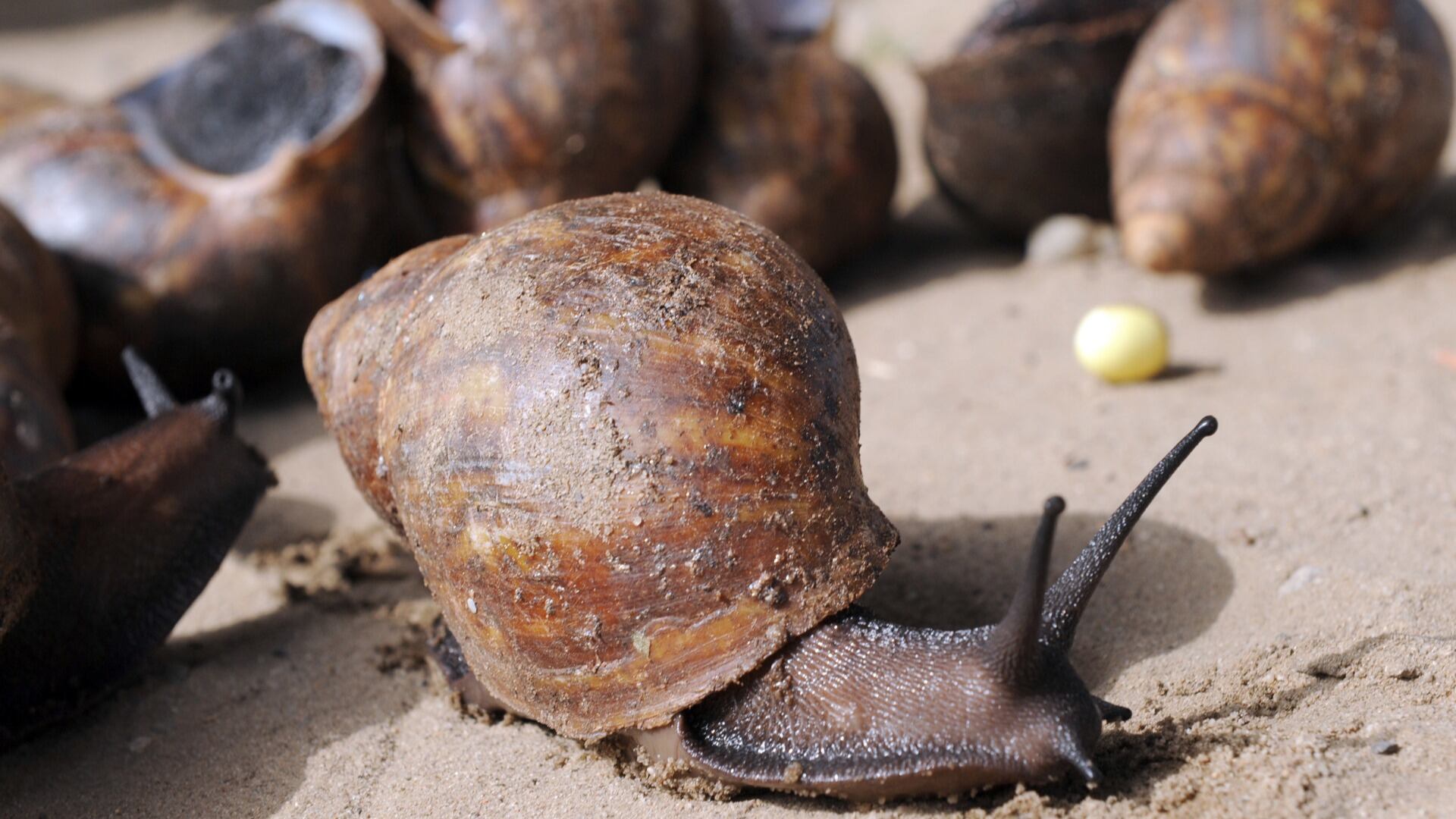
A quarantine is in place for a section of Broward county in Florida due to a rise in African land snails, which are harmful to agriculture and can eat their way through about 500 plant species.
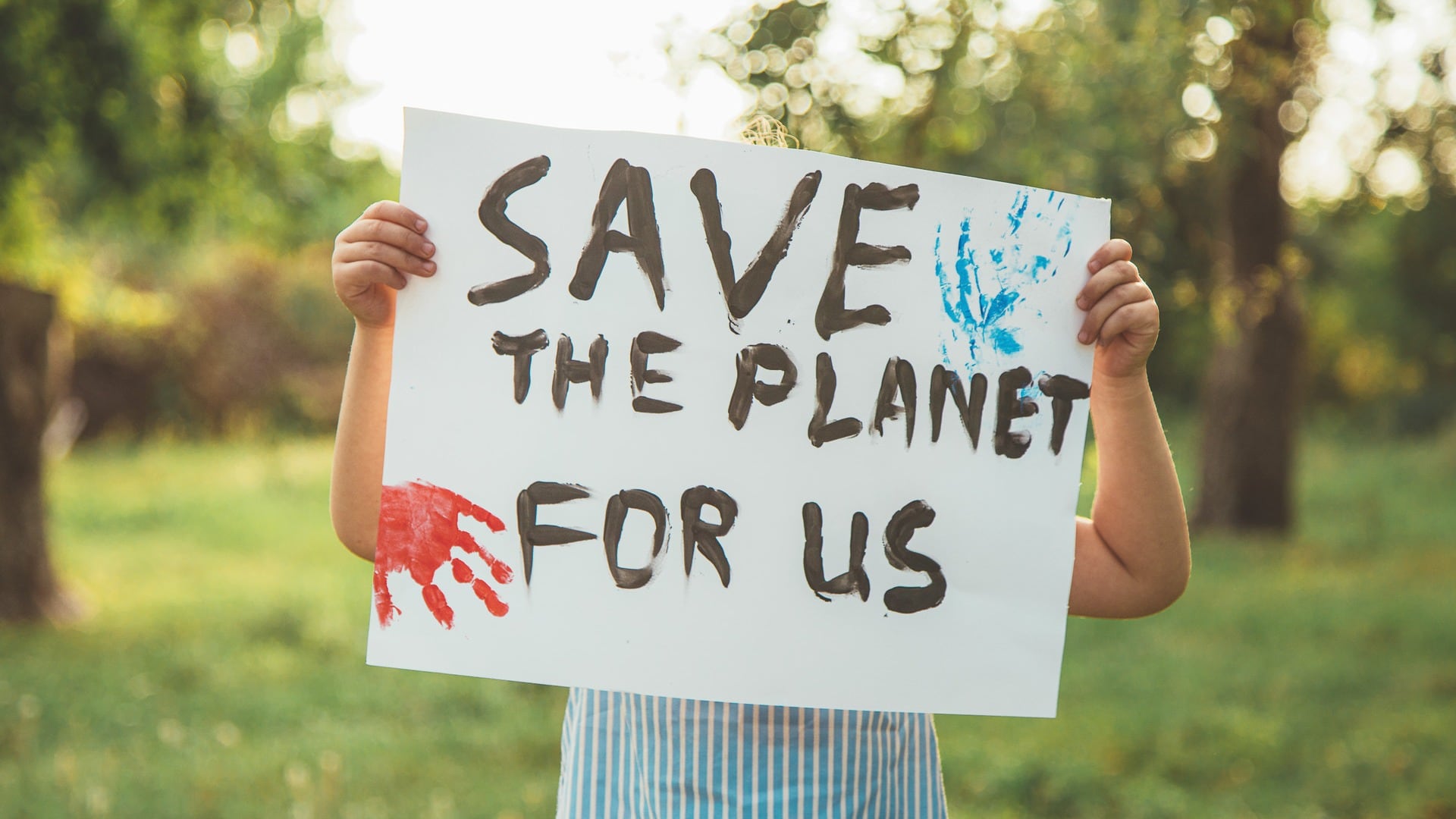
Climate change is on trial in Montana. In a landmark case, 16 young people are suing the state over effects like smoke, heat, and drought. It's just the first in a series of cases intended to pressure lawmakers into taking action on the environment. Here with more is Cheddar News Senior Reporter Chloe Aiello.
Be Well: 2-Minute Breathing and Stretching Routine
Be Well: Keeping Your Kids Safe During Summer Sports & Activities
Members of the United Nations adopted the first-ever treaty to protect marine life in the high seas on Monday, with the U.N.'s chief hailing the historic agreement as giving the ocean “a fighting chance.”
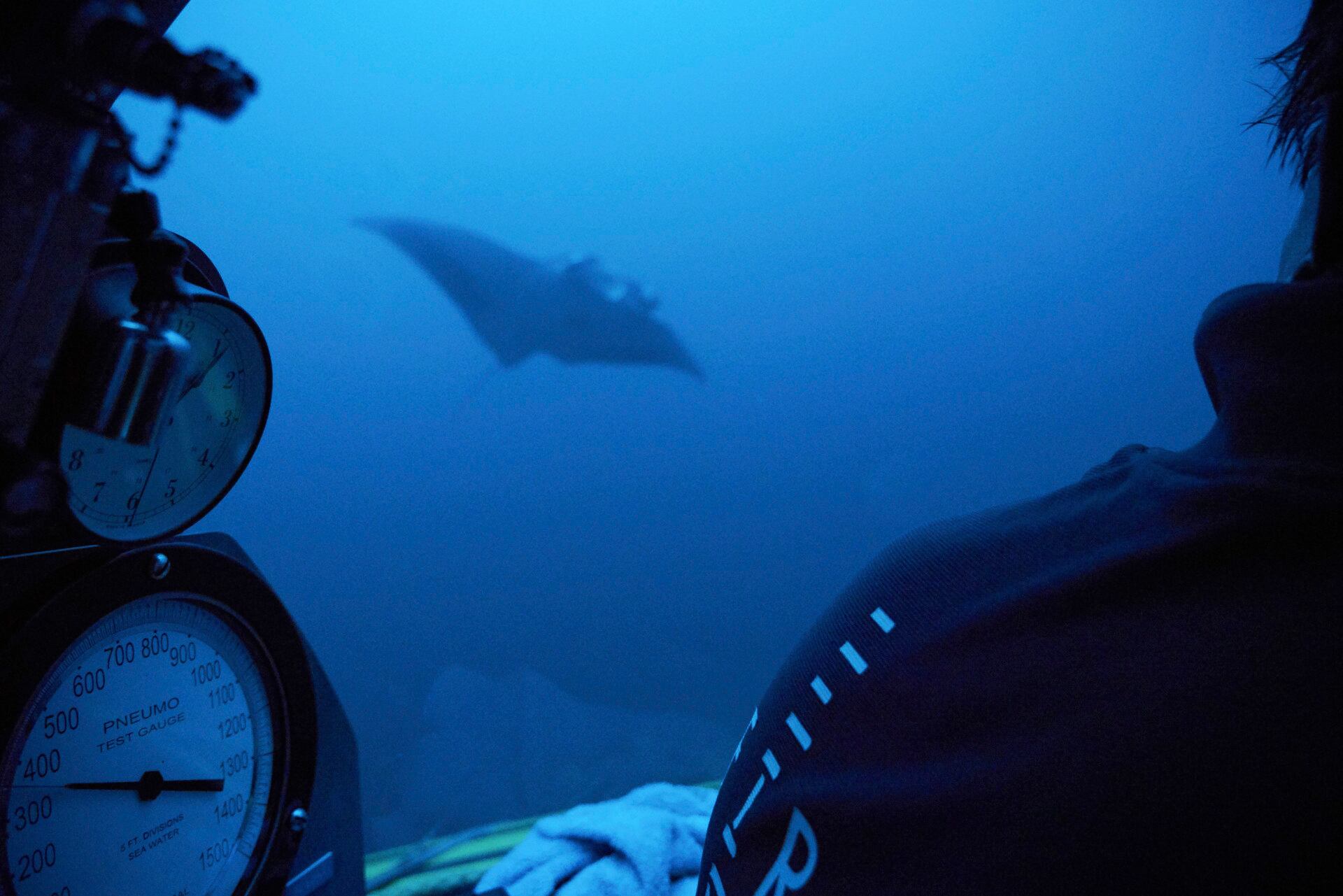
A search is underway for a deep-sea vessel that went missing with five people aboard after it dived toward the deteriorating wreck site of the Titanic ocean liner. What we know so far.
U.S. Hit With Record Breaking Heat Waves
It's only June and already scientists are saying it could be the hottest year on record, as the warming effects of El Niño will continue to strengthen into the fall and winter. Here with more is Cheddar News Senior Reporter Chloe Aiello.