Rob Verger, assistant tech editor at Popular Science, discusses SpaceX's successful launch of the Falcon Heavy rocket that propelled Elon Musk's red Tesla Roadster into orbit. The release of the car into space has prompted people to ask the question, "what now?"
Verger notes that it will take two and a half years for the rocket to orbit around the sun and end up back where it started from. It will be another five years before we could potentially see it with a telescope.
Verger says the Roadster will face significant deterioration due to radiation and a "sandblasting" of dust that will cause the car to lose its cherry red color. He talks about the vastness of space, noting it's unlikely the car would be destroyed by an asteroid.
A SpaceX-NASA mission that was due to launch into orbit Friday was called off and delayed until Saturday.
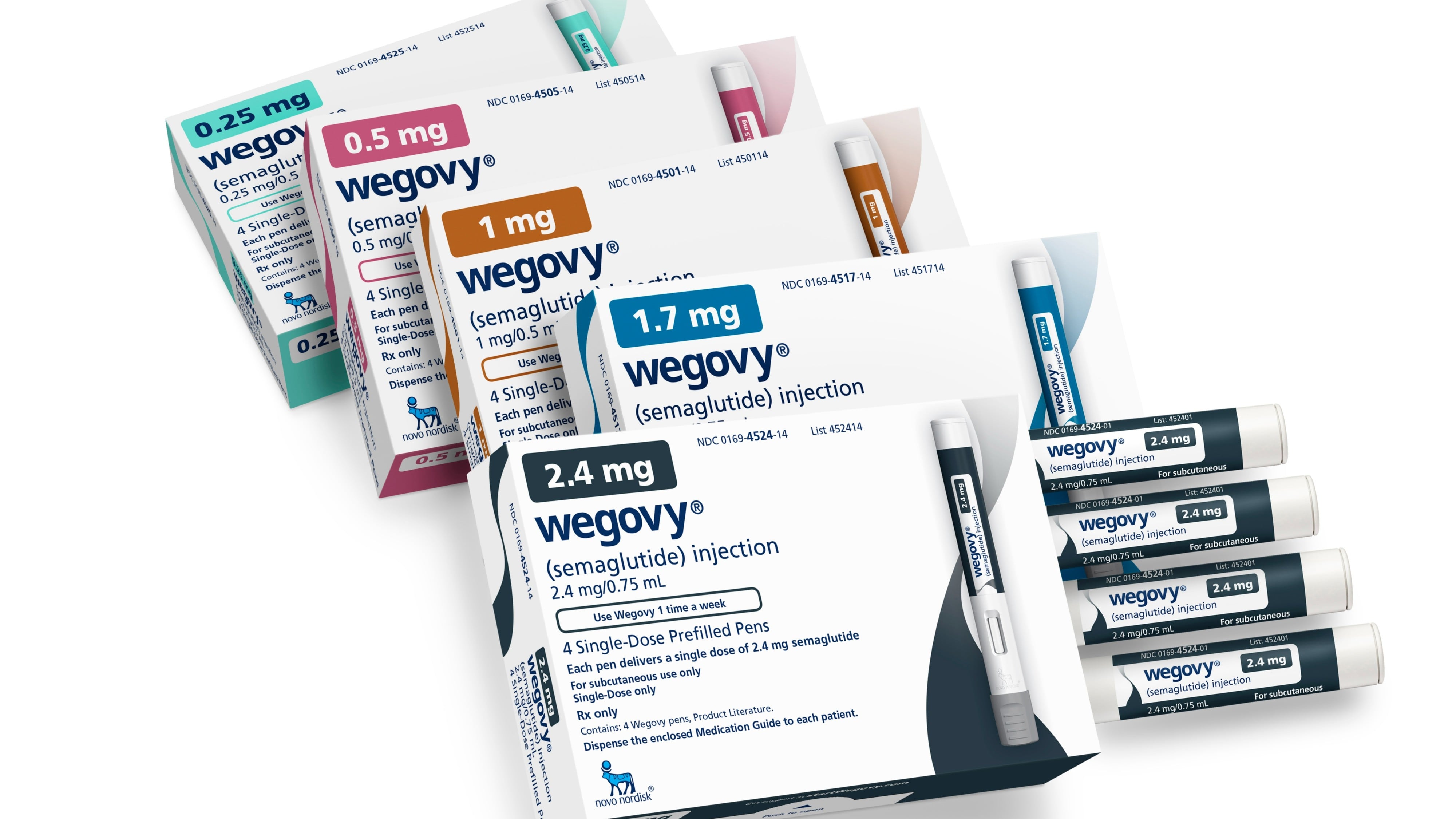
Diabetes and weight-loss drug Wegovy is shown to help people with a heart condition, according to a new study.
Cheddar News checks in with a coast-to-coast forecast of the weather for Friday, Aug. 25, 2023.
A Jersey Shore man has painted sea shells -- nearly 500 of them -- to raise awareness around epilepsy that have traveled as far as Asia and Australia.
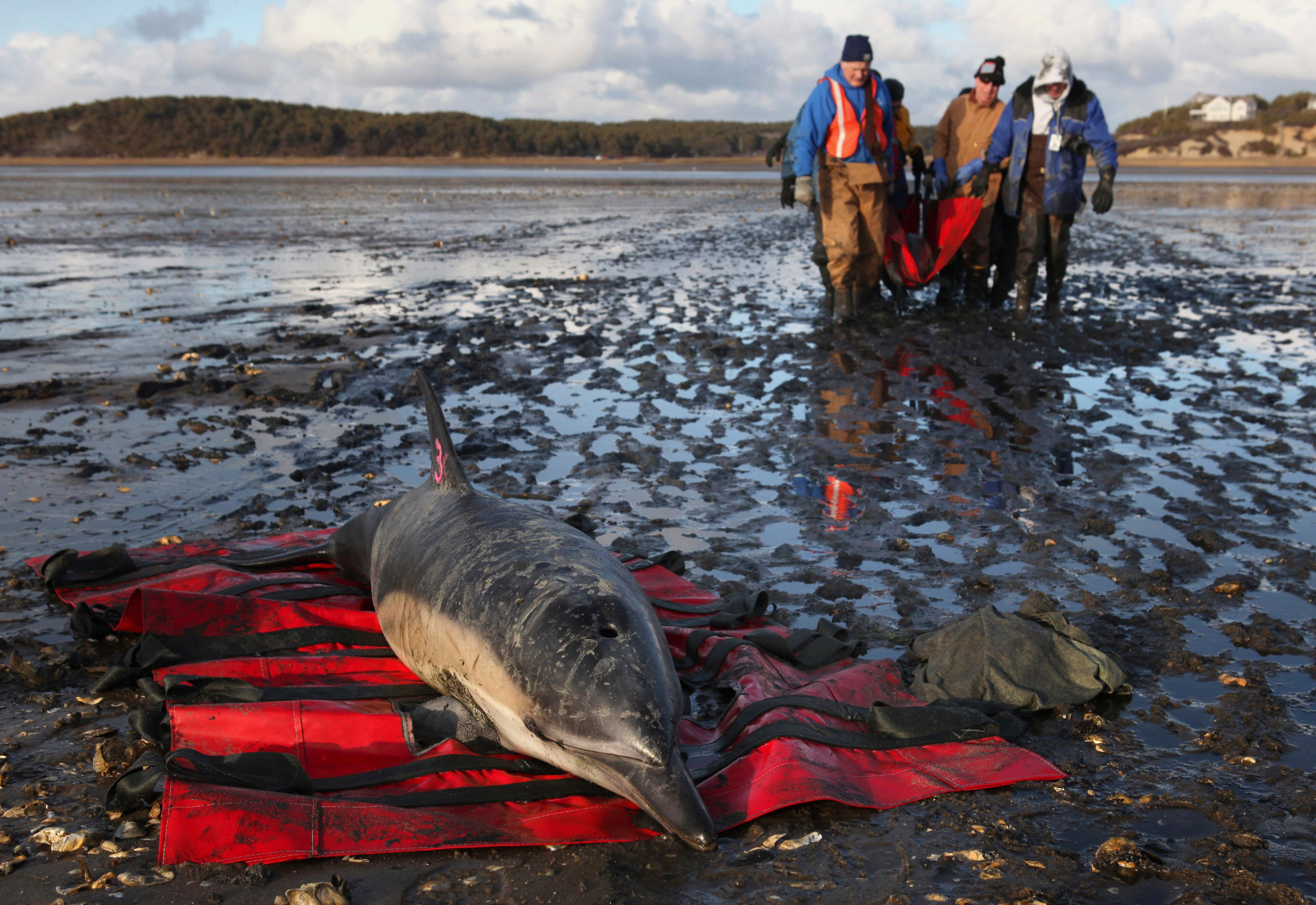
The International Fund for Animal Welfare, which protects animals worldwide, is opening a first-of-its-kind short-term dolphin hospital on Cape Cod this month that it hopes will not only improve survivability rates, but also enhance the research it has developed over 25 years.
A new humanoid robot designed to do dull and dirty jobs has been unveiled by NASA.
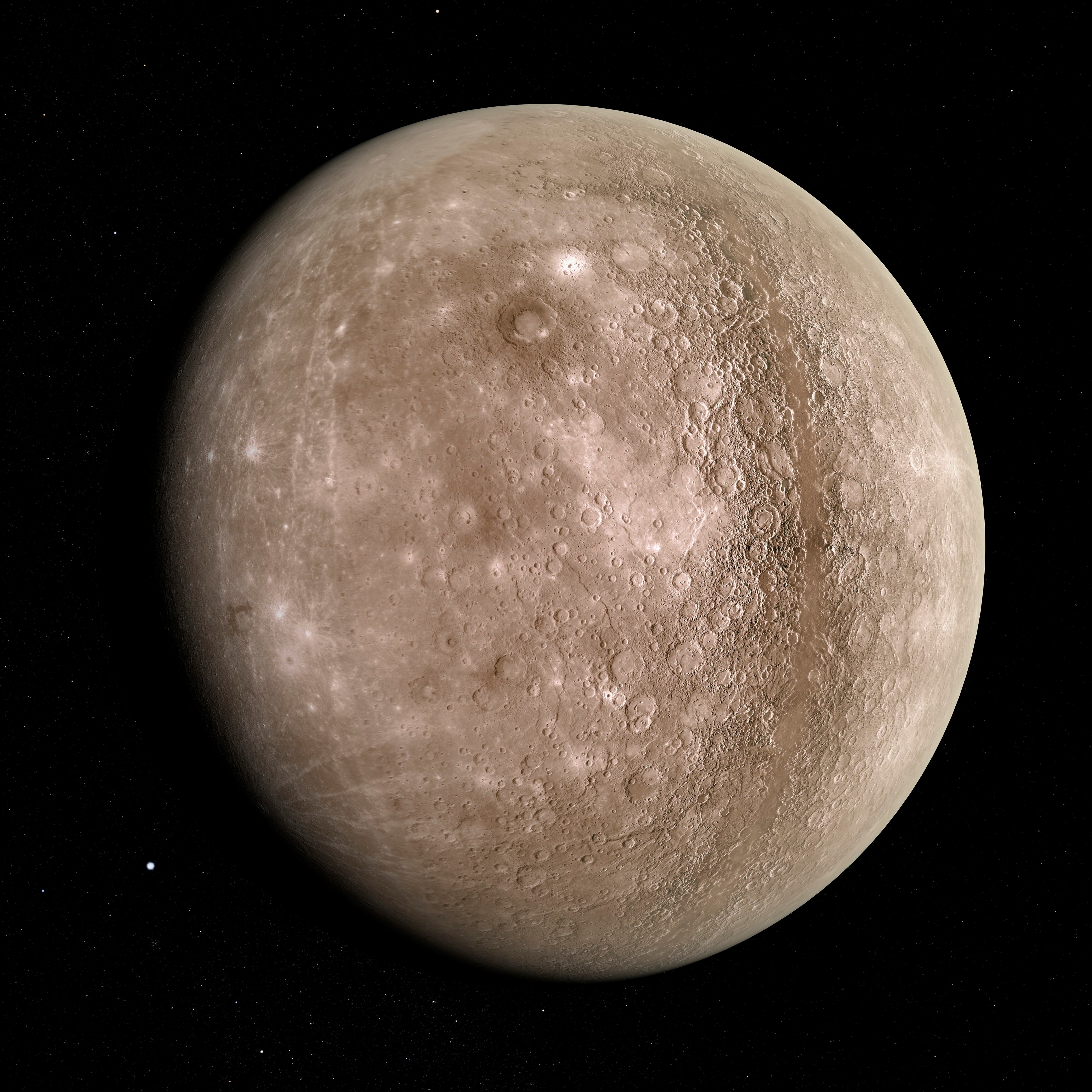
The Mercury retrograde lasts until Sept. 15 as astrologers blame planets and stars for communications issues.
A new study suggests that teaching kids creativity can increase resilience.
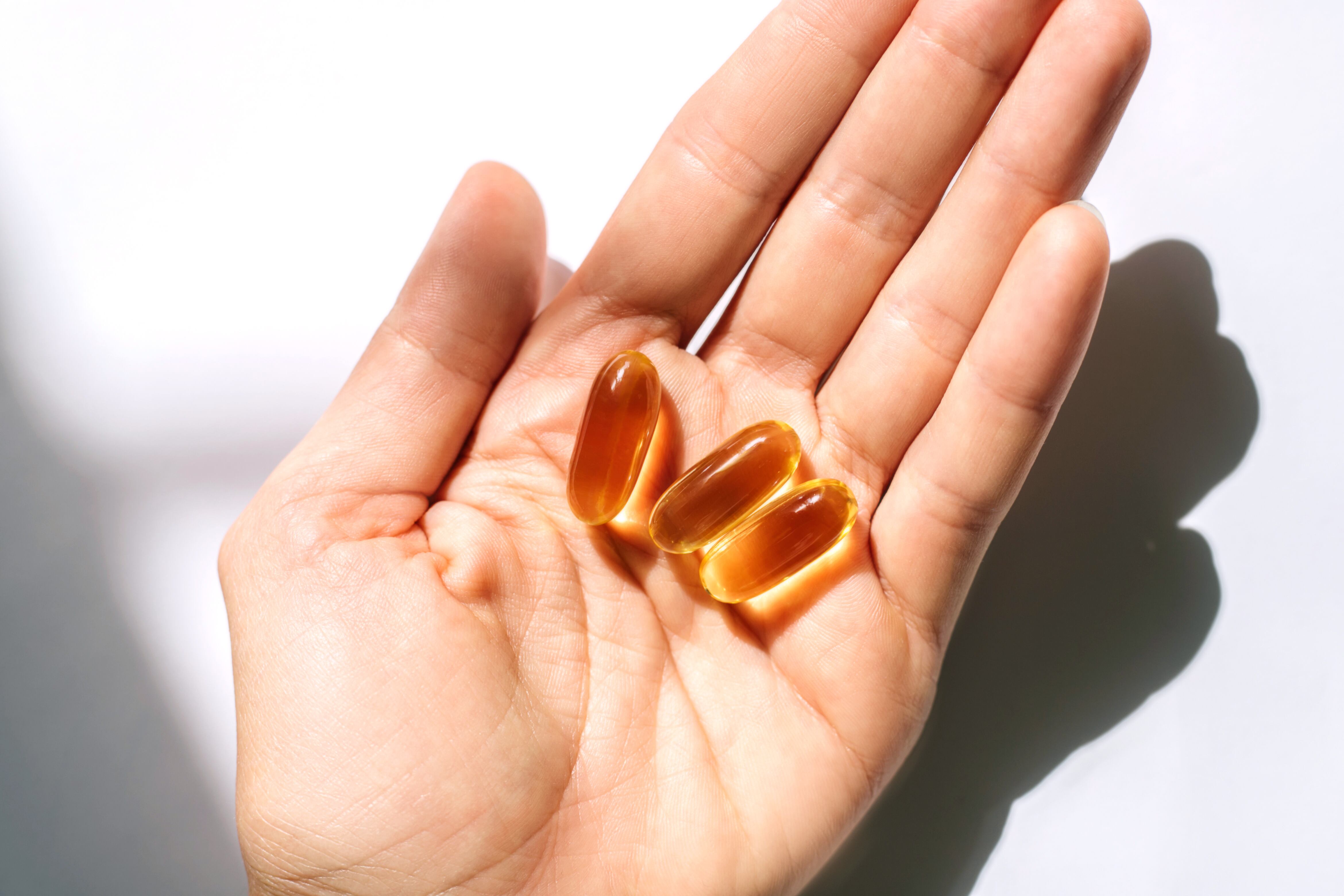
A new study shows that marketers may be overstating fish oil benefits.
The Food and Drug Administration issued a warning about two brands of eye drops being sold online that they both have potential fungal and bacterial contamination.