Rob Verger, assistant tech editor at Popular Science, discusses SpaceX's successful launch of the Falcon Heavy rocket that propelled Elon Musk's red Tesla Roadster into orbit. The release of the car into space has prompted people to ask the question, "what now?"
Verger notes that it will take two and a half years for the rocket to orbit around the sun and end up back where it started from. It will be another five years before we could potentially see it with a telescope.
Verger says the Roadster will face significant deterioration due to radiation and a "sandblasting" of dust that will cause the car to lose its cherry red color. He talks about the vastness of space, noting it's unlikely the car would be destroyed by an asteroid.
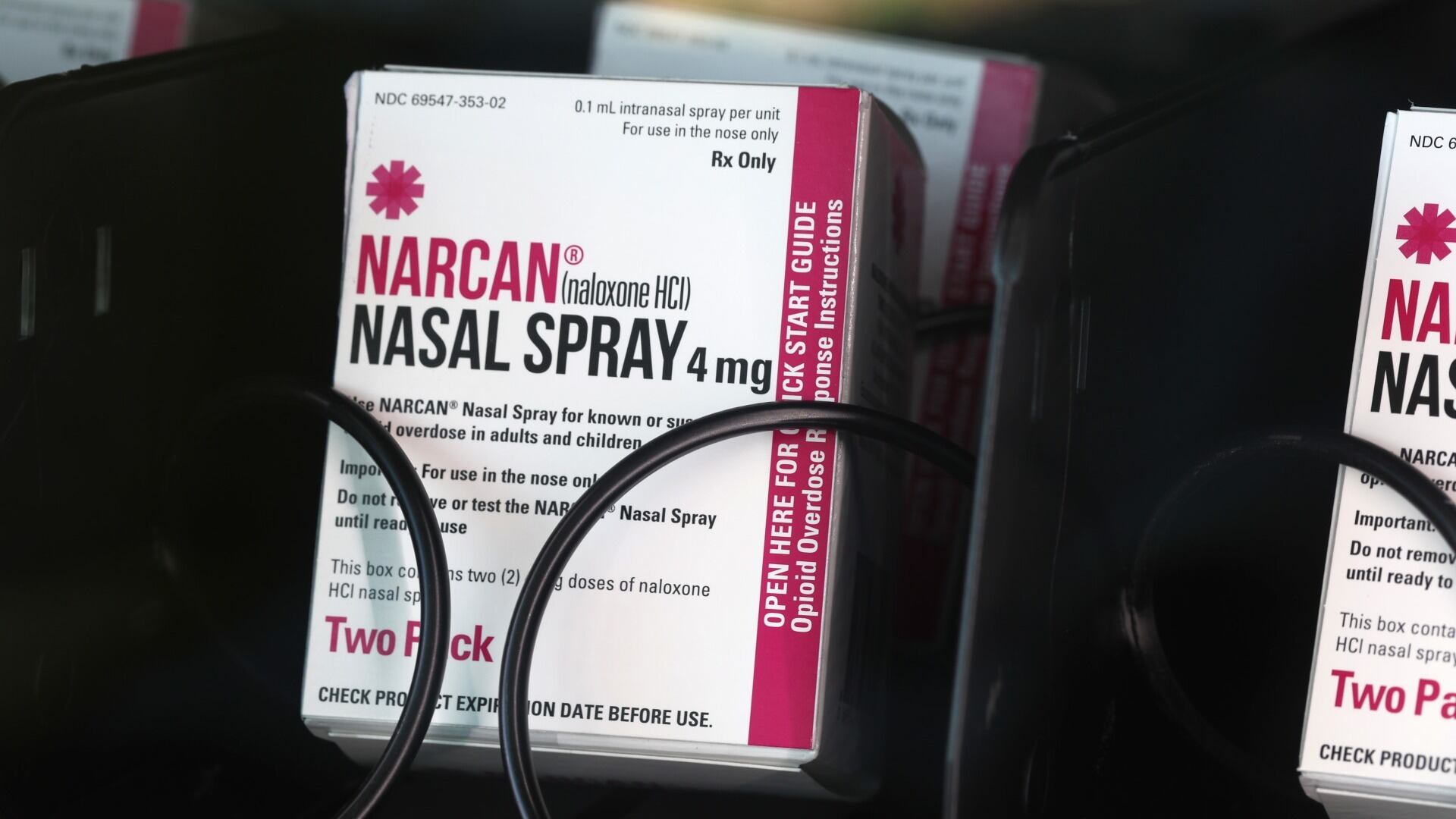
The first over-the-counter drug to reverse opioid overdoses will be available in stores by next week.
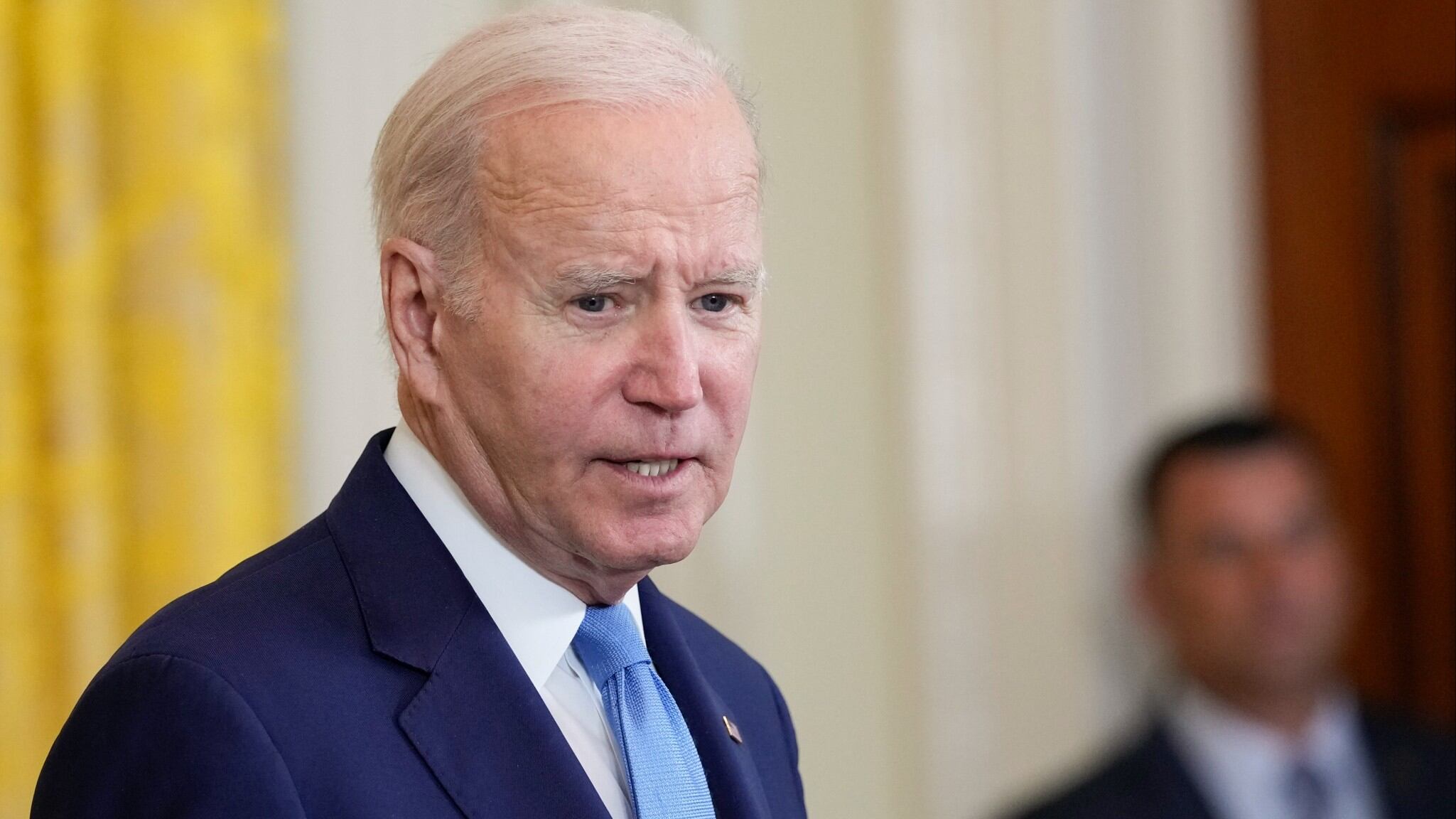
The Environmental Protection Agency said it has revised a key rule relating to the nation's waters that would weaken efforts to protect acres of wetlands.
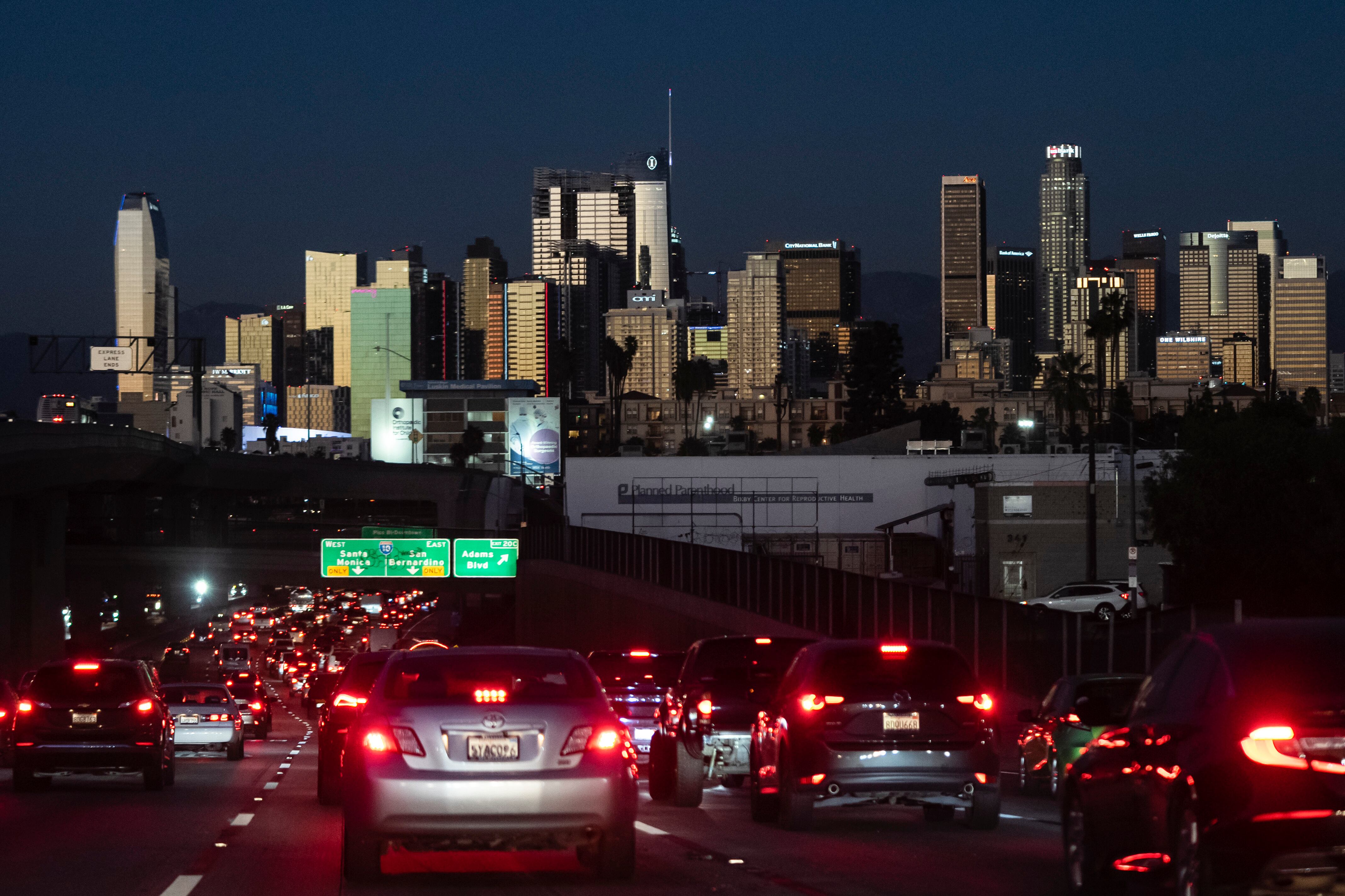
A new study has found that air pollution is a personal health threat and more dangerous than smoking and drinking.
Be Well: Simple Ways to Build Lower Body Strength
Narcan, the opioid overdose drug, will be available by next week.
Be Well: How to Safely Prepare Food for Your Barbecue
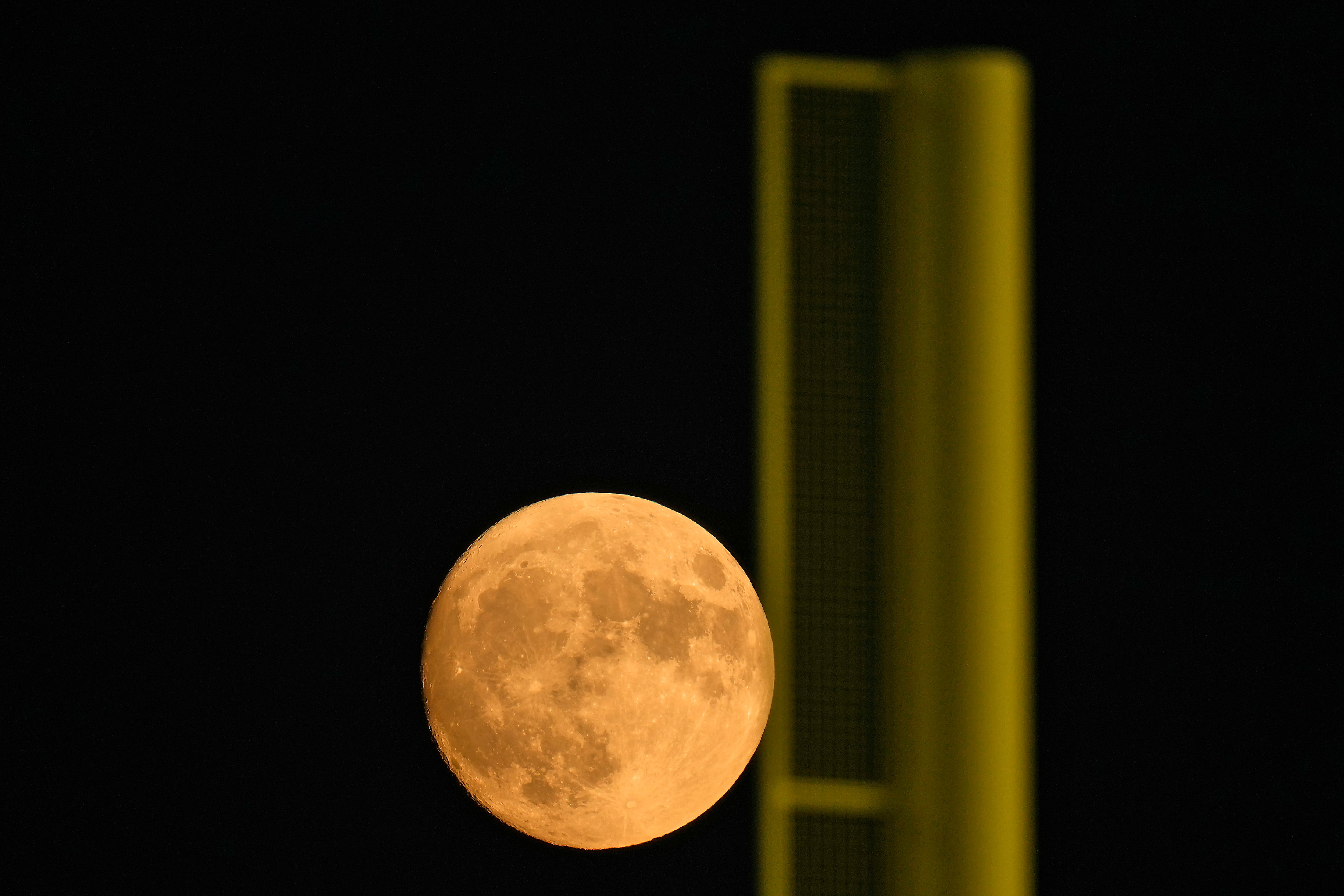
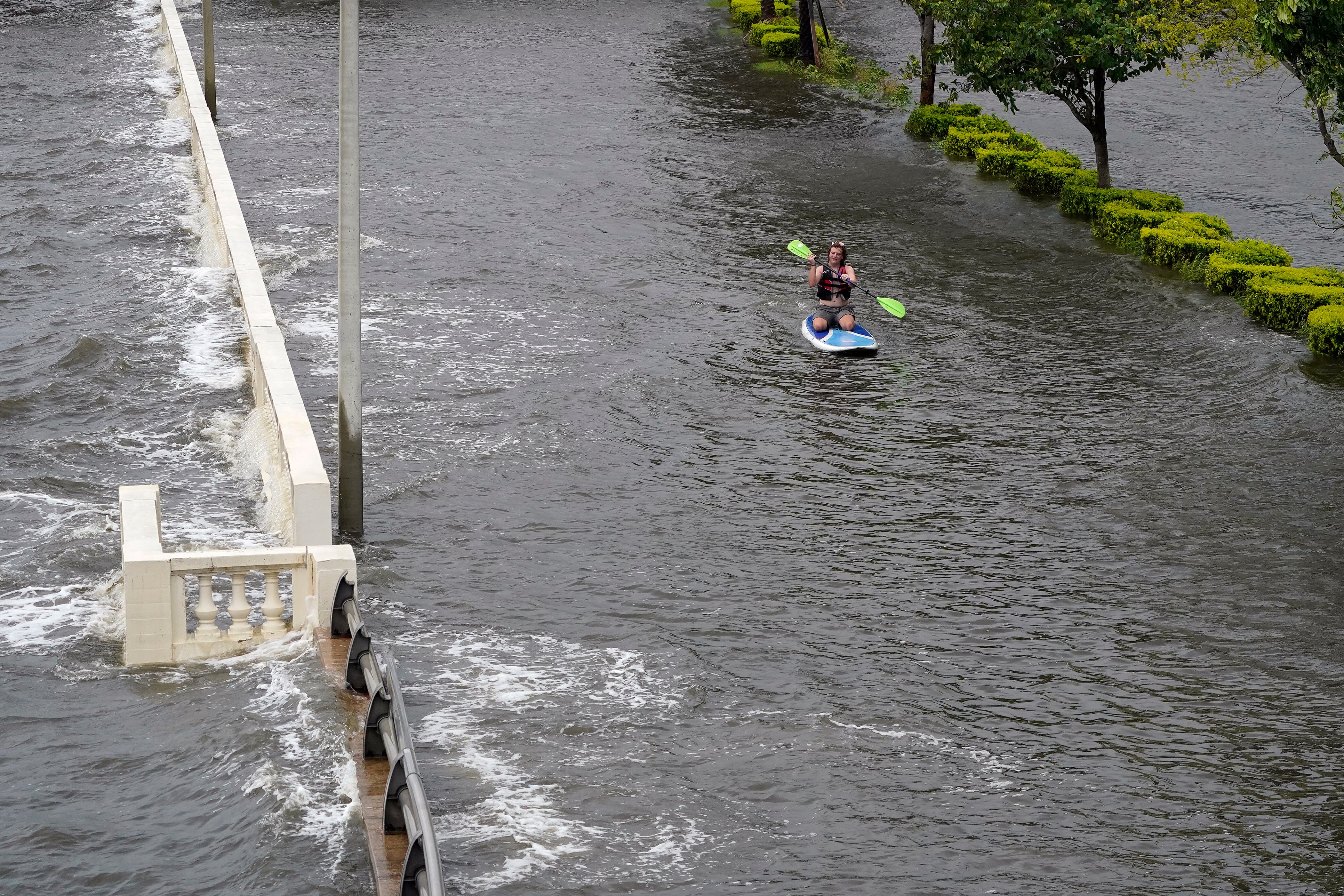
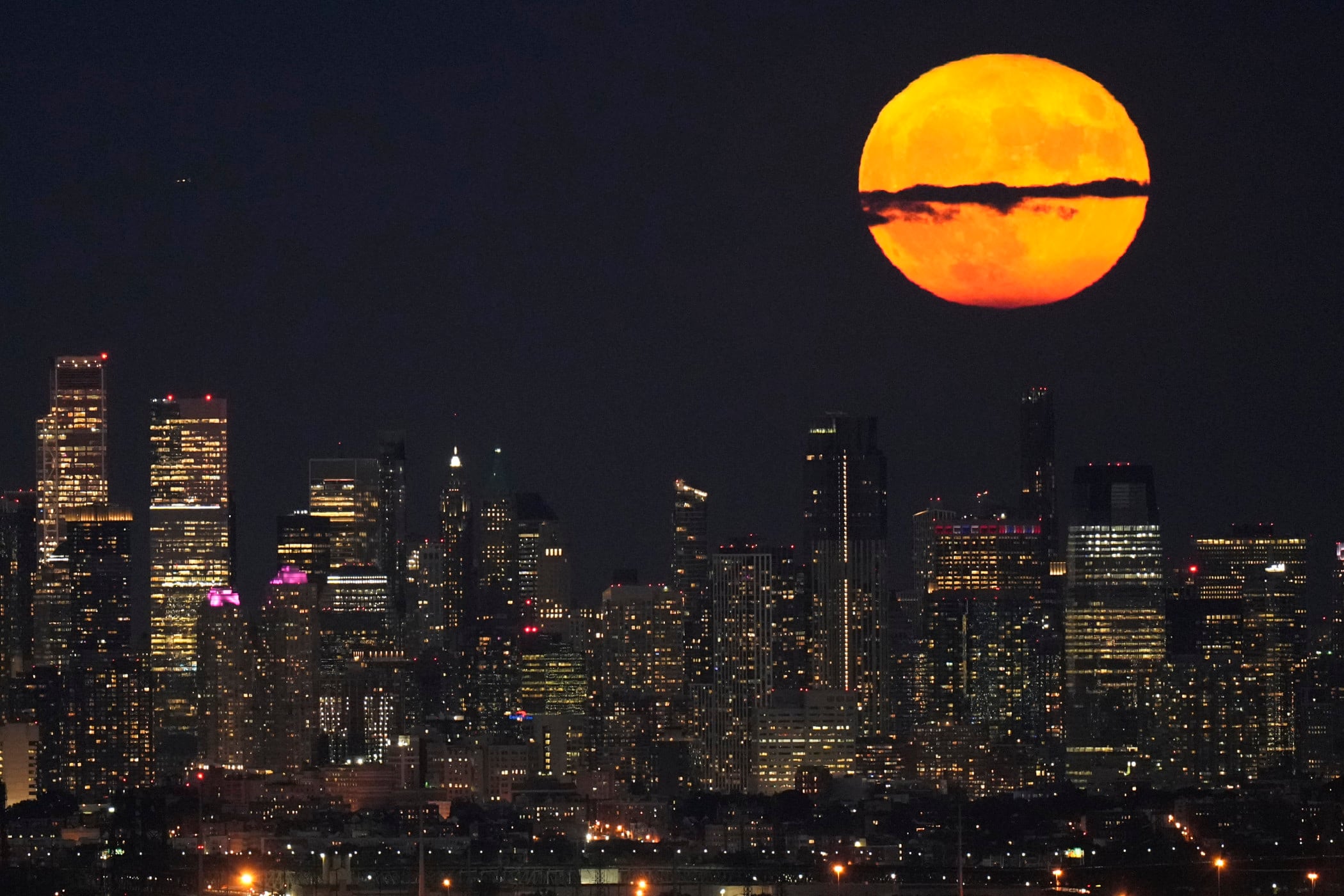
A rare blue supermoon could raise ocean tides and make flooding worse during Hurricane Idalia.
Cheddar News checks in with a coast-to-coast forecast of the weather for Wednesday, August 30, 2023, including the latest on Hurricane Idalia.
Better catch the show if you can. There won't be another blue supermoon until 2037.
Doctors in Australia removed a three-inch living roundworm from a woman's brain.