Rob Verger, assistant tech editor at Popular Science, discusses SpaceX's successful launch of the Falcon Heavy rocket that propelled Elon Musk's red Tesla Roadster into orbit. The release of the car into space has prompted people to ask the question, "what now?"
Verger notes that it will take two and a half years for the rocket to orbit around the sun and end up back where it started from. It will be another five years before we could potentially see it with a telescope.
Verger says the Roadster will face significant deterioration due to radiation and a "sandblasting" of dust that will cause the car to lose its cherry red color. He talks about the vastness of space, noting it's unlikely the car would be destroyed by an asteroid.
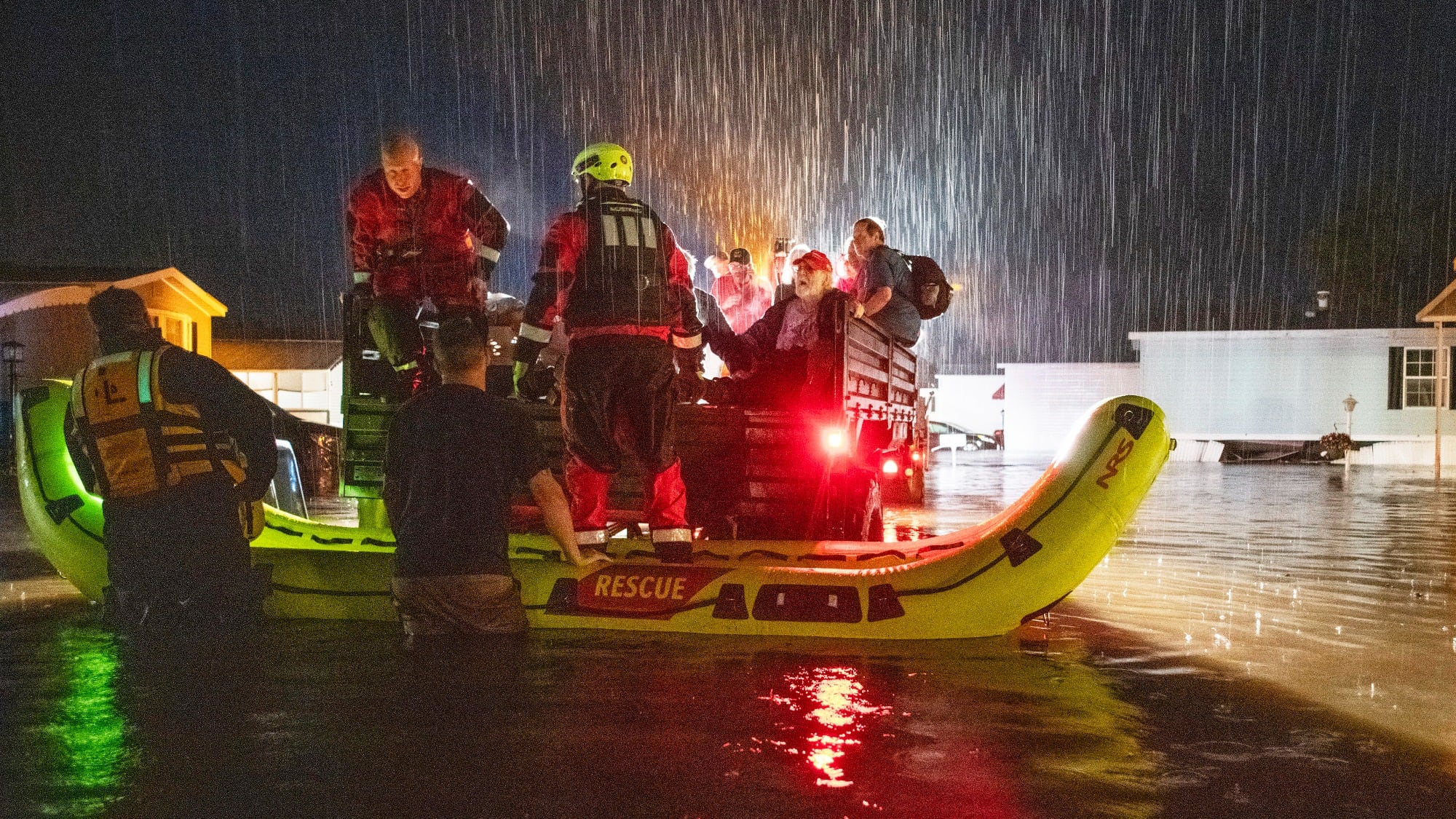
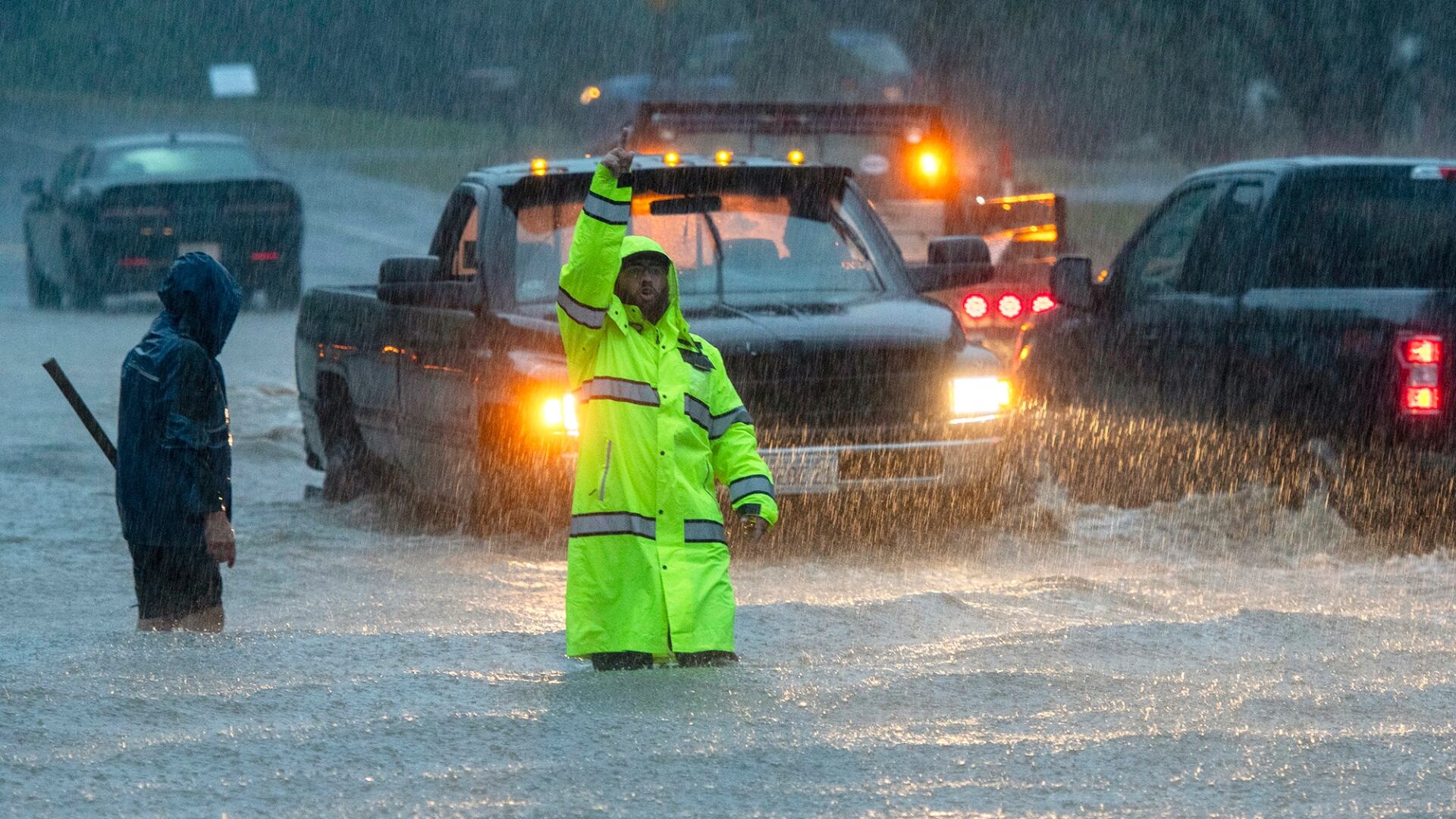
Heavy rainfall flooded parts of Massachusetts and Rhode Island, with two communities declaring a state of emergency as water poured into homes, creating moats around their foundations and leading to boat rescues of residents. Concern about a dam listed in poor condition led to more evacuations.
The leading decongestant used by millions of Americans looking for relief from a stuffy nose is no better than a dummy pill, according to government experts who reviewed the latest research on the long-questioned drug ingredient.
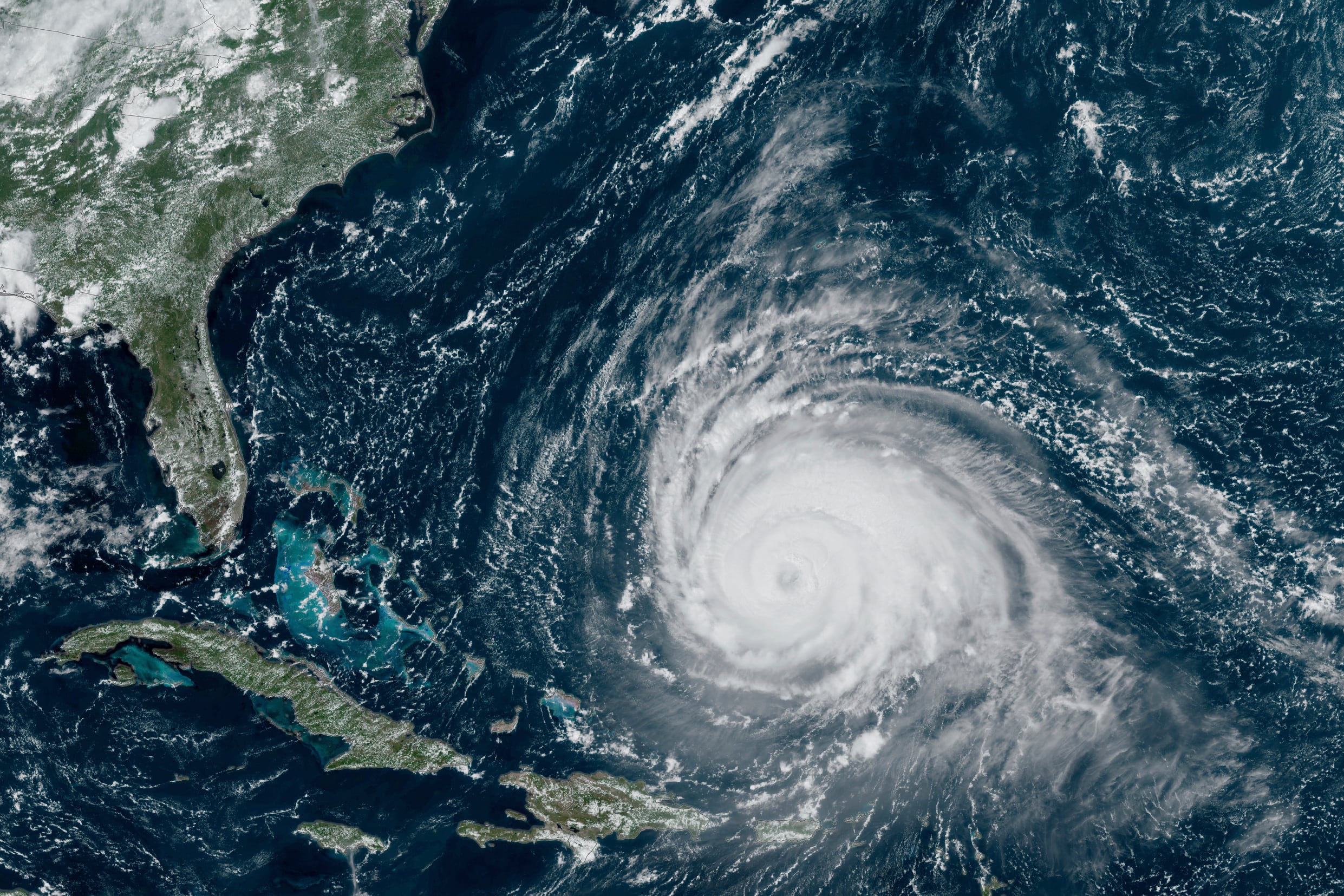
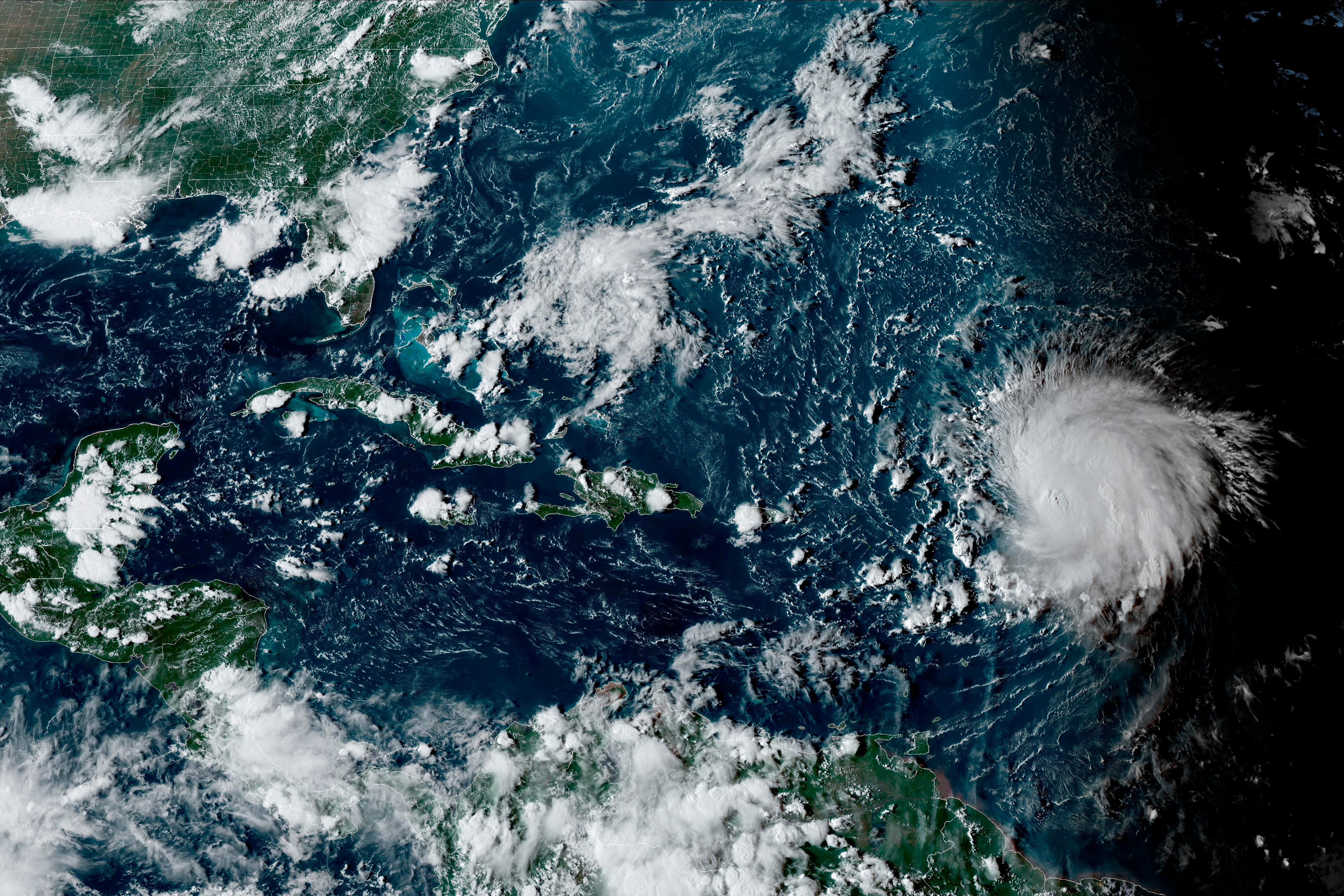
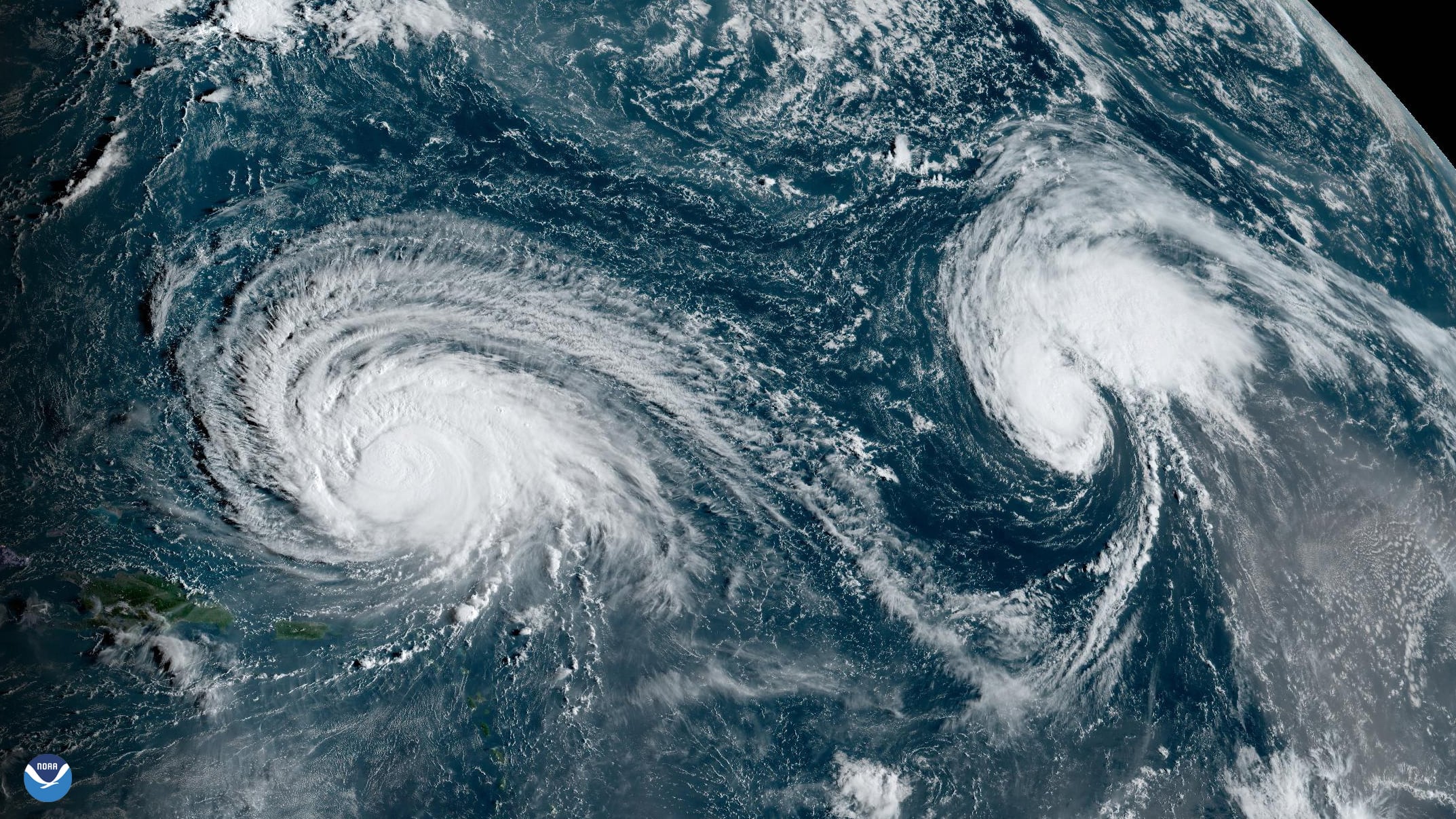
Hurricane Lee, still a Category 3 storm with winds of 115 mph, is expected to increase in size but be significantly weaker in the coming days, as it turns north to reach the U.S. East Coast, according to the National Hurricane Center.
The U.S. approved updated COVID-19 vaccines Monday, hoping to rev up protection against the latest coronavirus strains and blunt any surge this fall and winter.
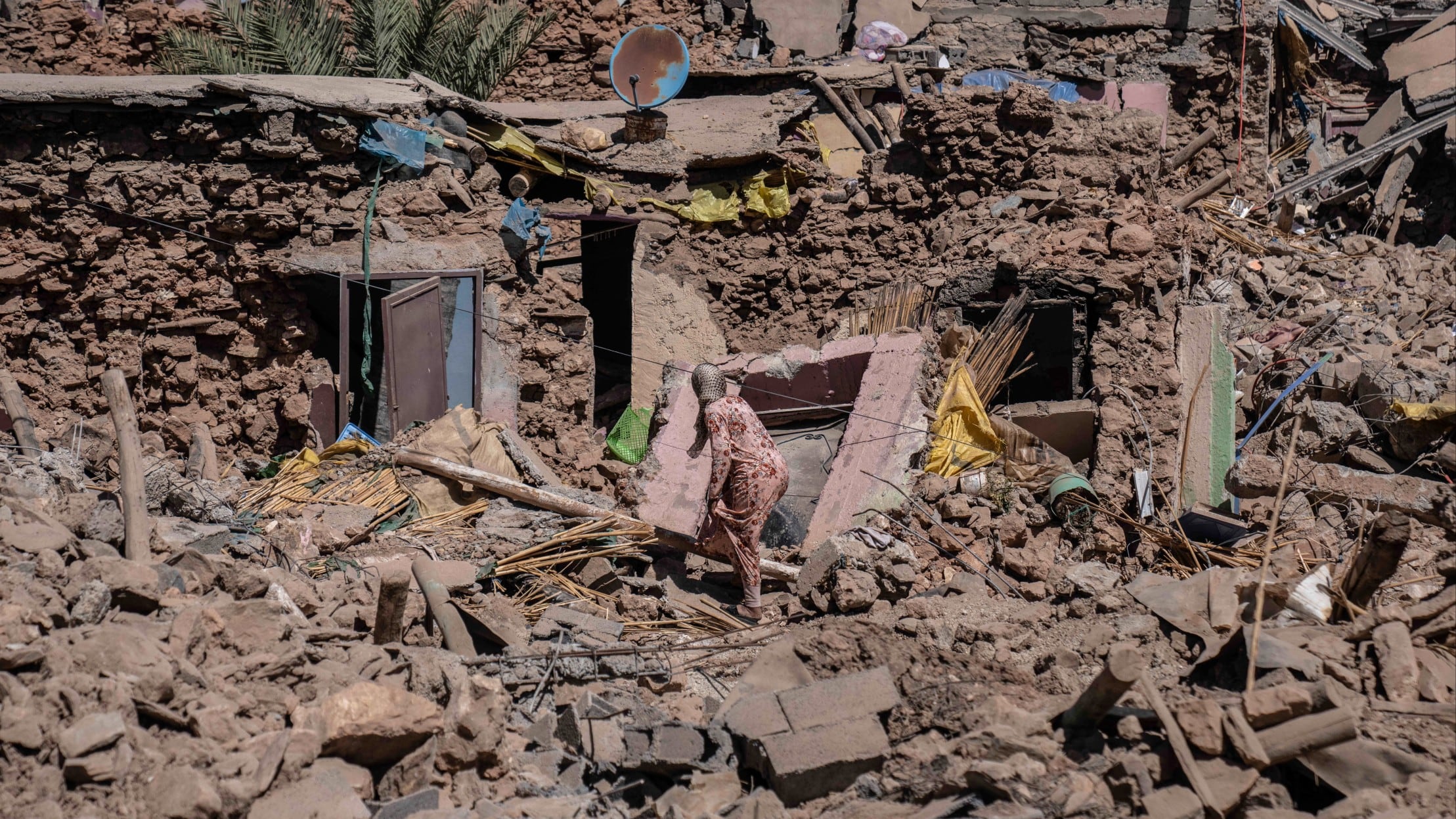
An earthquake has sown destruction and devastation in Morocco, where death and injury counts continue to rise as rescue crews dig out people both alive and dead in villages that were reduced to rubble.
Hurricane Lee whipped up waves of more than 15 feet (5 meters) on Monday as the Category 3 storm cranked through open waters just north of the Caribbean region.