*By Hope King*
Sonos is coming to market at a tricky time.
The high-end speaker maker will debut as a publicly traded company Thursday, when shares start trading under the ticker ‘SONO’ on the Nasdaq.
Sonos hopes to raise up to $264 million in its IPO to fund growth, but there are plenty of potential issues that could make things difficult.
To start, Sonos has a perception battle to fight, thanks to its predecessors in the consumer electronics category.
Other one-product companies such as GoPro and FitBit debuted with flare, only to fizzle out as promised innovation disappointed and sales declined.
To avoid the same fate, Sonos will have to contend with the quickly changing audio market.
Consumer tech has become so commonplace these days you can buy headphones at the drugstore check out aisle and wireless speakers at airport convenience stores.
So what makes products absolutely indispensable are the smartsーthe digital assistants.
To that end, Sonos has partnered with Amazon and Google to stuff their technology into its devices, the Sonos One and Beam.
But in its IPO filing, the company readily admitted that these relationships are one-sided: Amazon and Google could pull their assistants out at any time, rendering the speakers ‘dumb’ again. Imagine the potential consumer backlash there.
And that's just half the problem.
These deals don’t take into account plans by Amazon, Google, and Apple to build their own networks of speakers and devices, which means direct competition with the Sonos products that are integrated with their own services!
One more potential snag: Sonos has to deal with the sheer economics of manufacturing.
Outside of the usual supply chain issues that can threaten delays or cause complications, Sonos also has to deal with a potential trade war with China.
The company cited those tensions as a possible risk factor in its SEC filingーSonos products assembled in China would fall under the 'data transmission machine' category of the U.S. government and be subject to additional import taxes.
Sonos could also see increased prices on components down the line, costs it will either have to eat or pass on to its customers.
Its customers, though, may actually present one very bright spot for Sonos’s future.
If people have one Sonos device, it seems they’re likely to buy more. In fact, the company says 60 percent of its customers have more than one of its products and 25 percent have more than three.
That kind of loyalty is what Sonos is banking onーthe company needs to keep customers coming back while also bringing in new ones.
And if it can do that, investors may happy to go along for the ride.
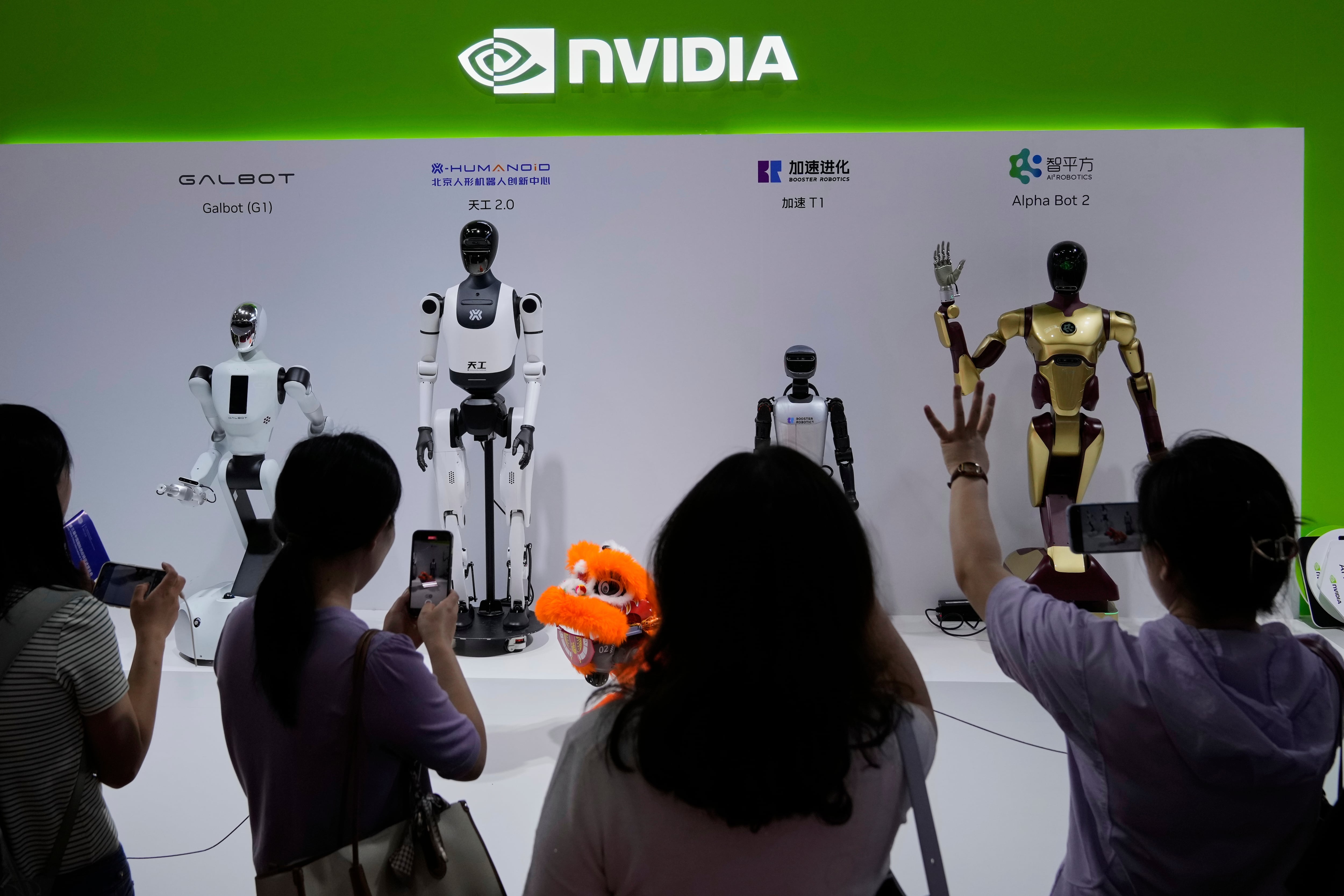
Nvidia reported a 56% increase in second-quarter revenue and a 59% rise in net income compared to a year ago.
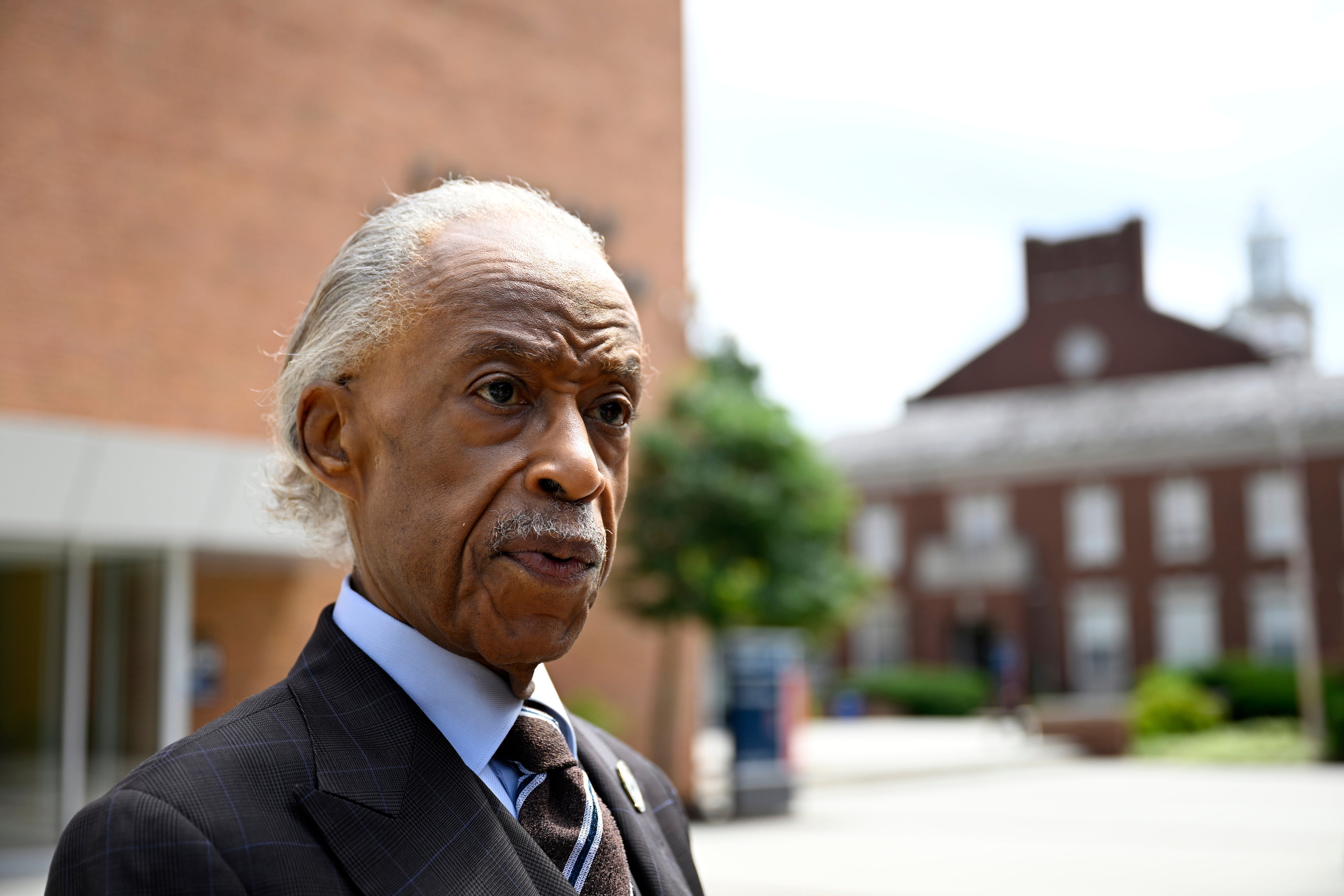
The Rev. Al Sharpton is set to lead a protest march on Wall Street to urge corporate America to resist the Trump administration’s campaign to roll back diversity, equity and inclusion initiatives. The New York civil rights leader will join clergy, labor and community leaders Thursday in a demonstration through Manhattan’s Financial District that’s timed with the anniversary of the Civil Rights-era March on Washington in 1963. Sharpton called DEI the “civil rights fight of our generation." He and other Black leaders have called for boycotting American retailers that scaled backed policies and programs aimed at bolstering diversity and reducing discrimination in their ranks.
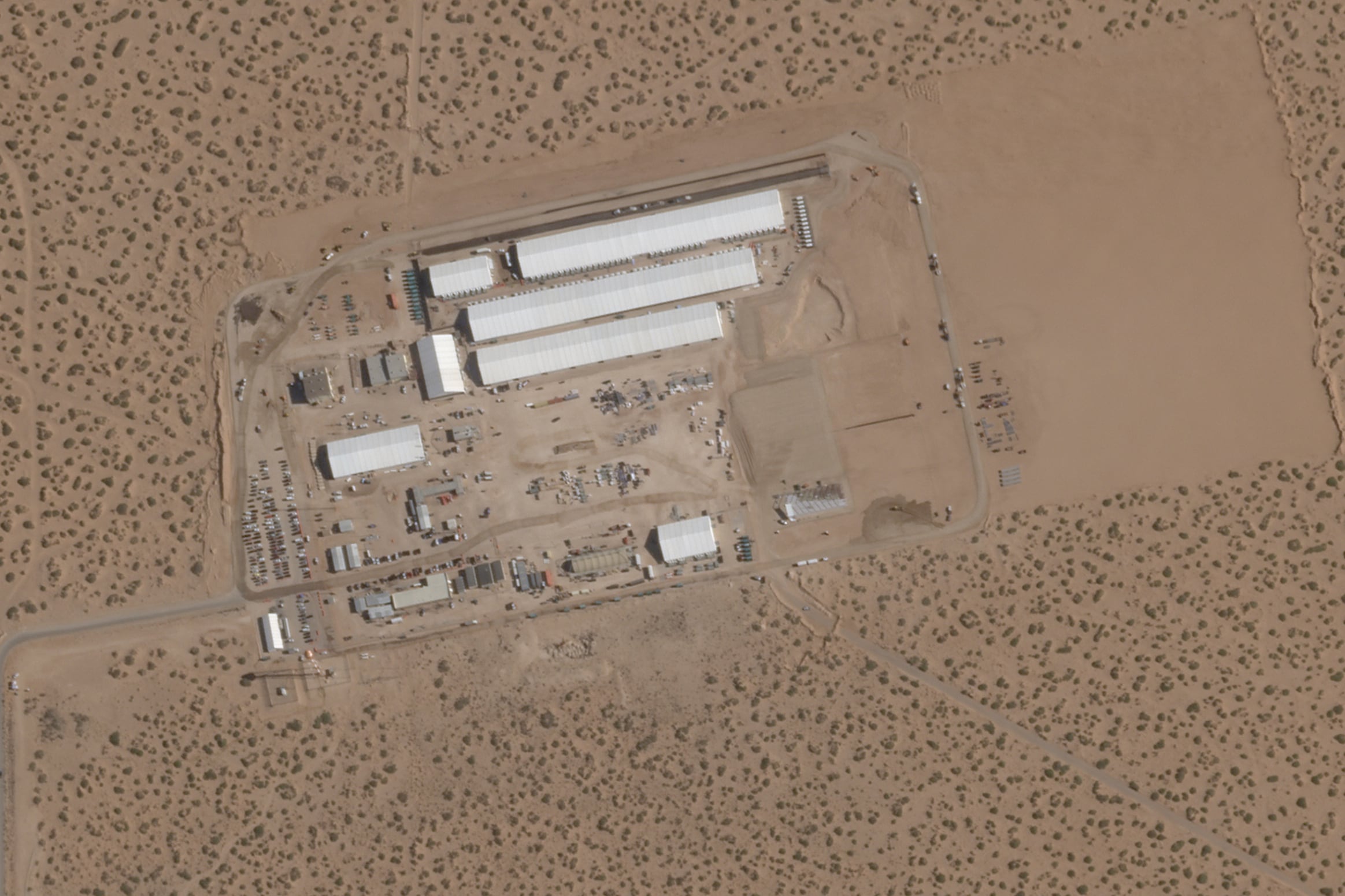
President Donald Trump's administration last month awarded a $1.2 billion contract to build and operate what's expected to become the nation’s largest immigration detention complex to a tiny Virginia firm with no experience running correction facilities.
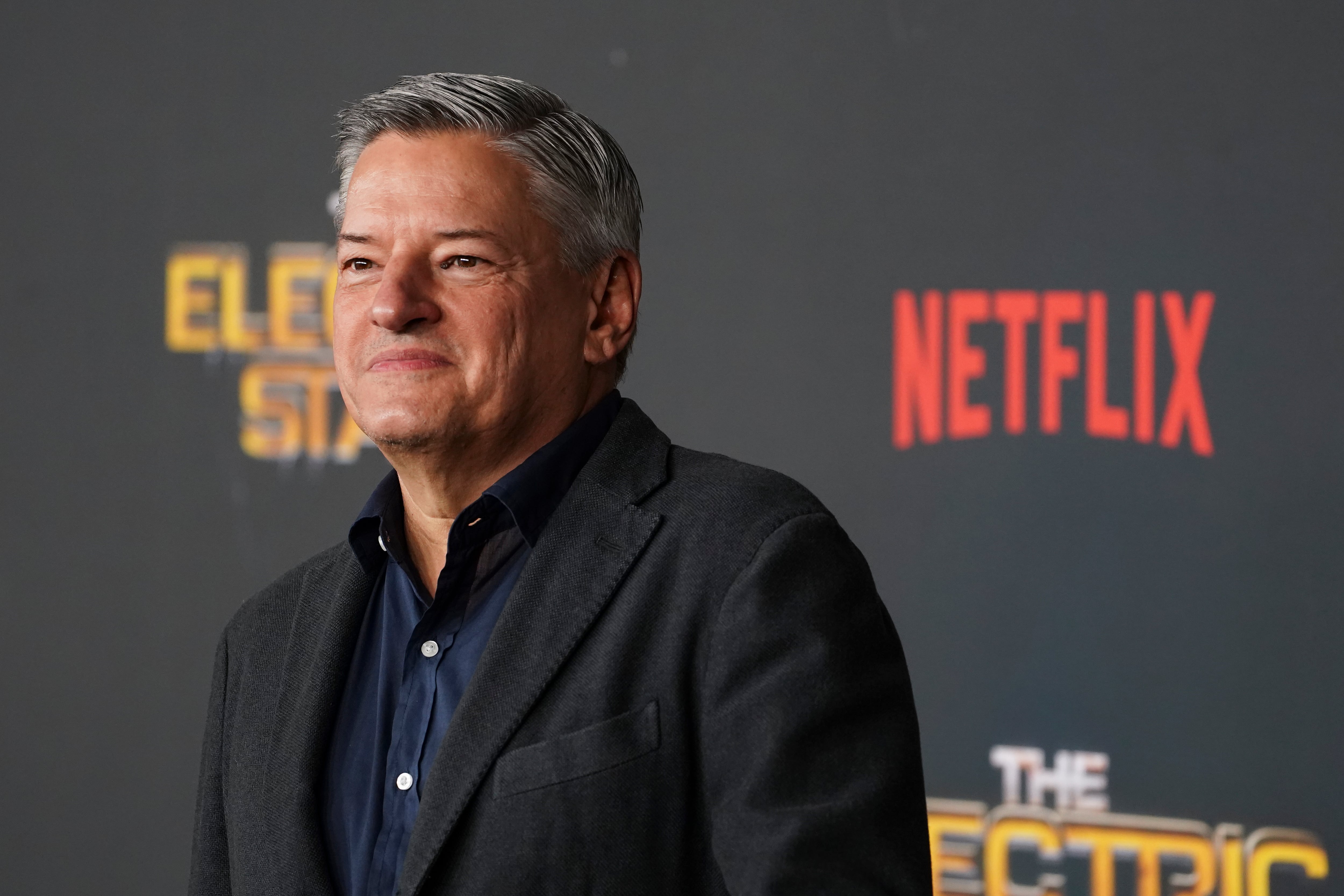
Netflix CEO Ted Sarandos claims audiences don't want to watch Netflix movies in theaters, but that seems not to be the case recently.
Chipmaker Nvidia is poised to release a quarterly report that could provide a better sense of whether the stock market has been riding an overhyped artificial intelligence bubble or is being propelled by a technological boom that’s still gathering momentum.
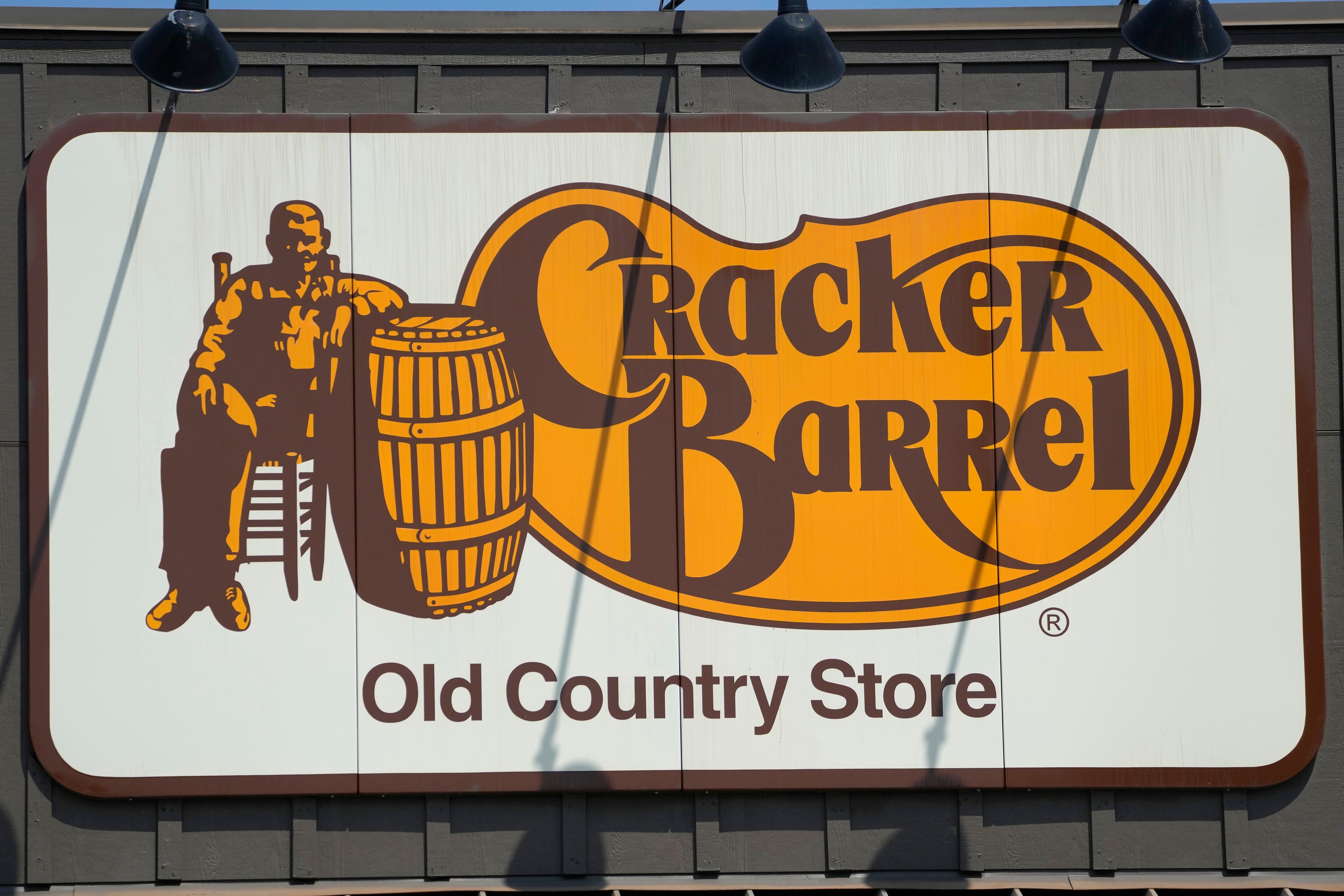
Cracker Barrel said late Tuesday it’s returning to its old logo after critics — including President Donald Trump — protested the company’s plan to modernize.
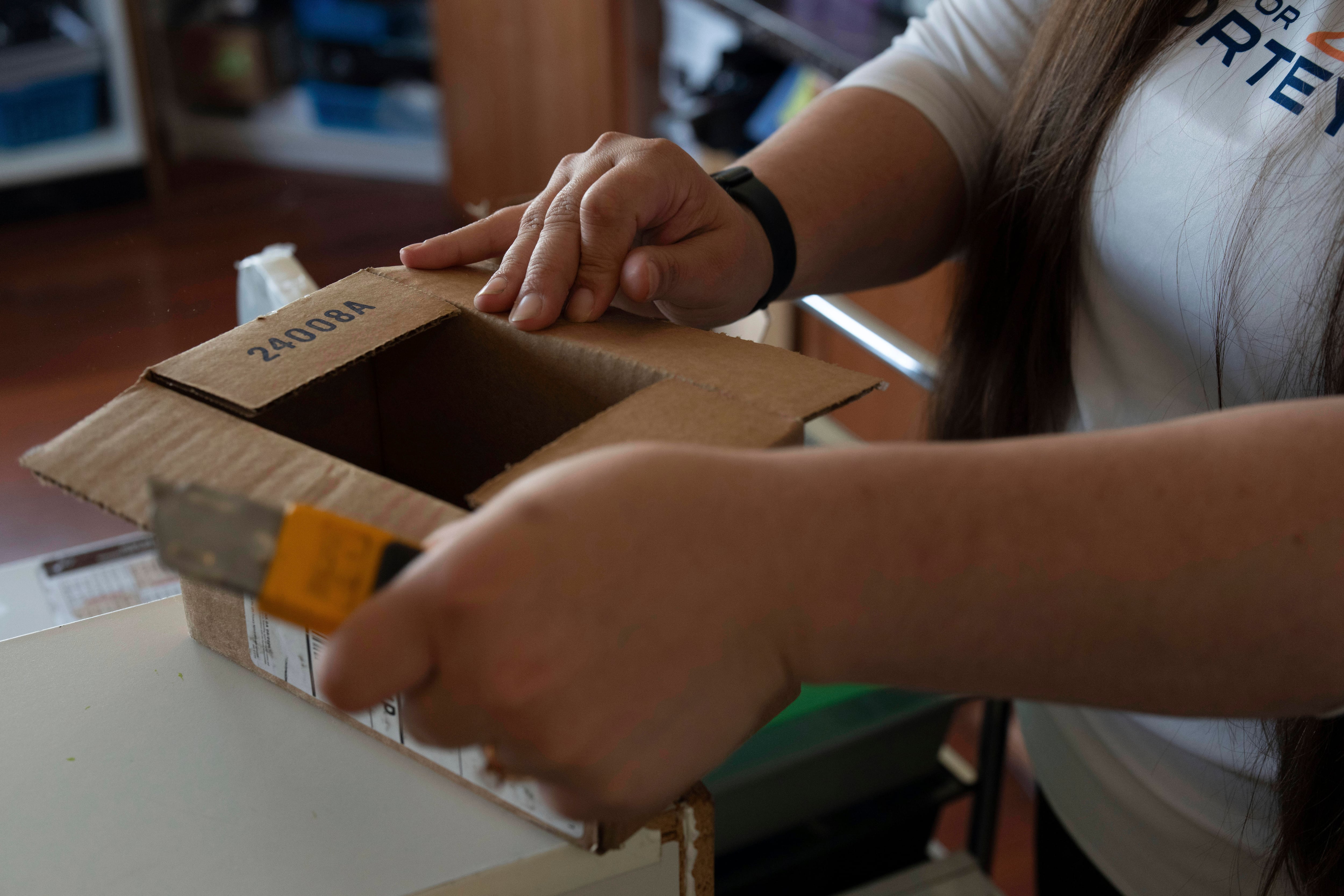
Low-value imports are losing their duty-free status in the U.S. this week as part of President Donald Trump's agenda for making the nation less dependent on foreign goods. A widely used customs exemption for international shipments worth $800 or less is set to end starting on Friday. Trump already ended the “de minimis” rule for inexpensive items sent from China and Hong Kong, but having to pay import taxes on small parcels from everywhere else likely will be a big change for some small businesses and online shoppers. Purchases that previously entered the U.S. without needing to clear customs will be subject to the origin country’s tariff rate, which can range from 10% to 50%.
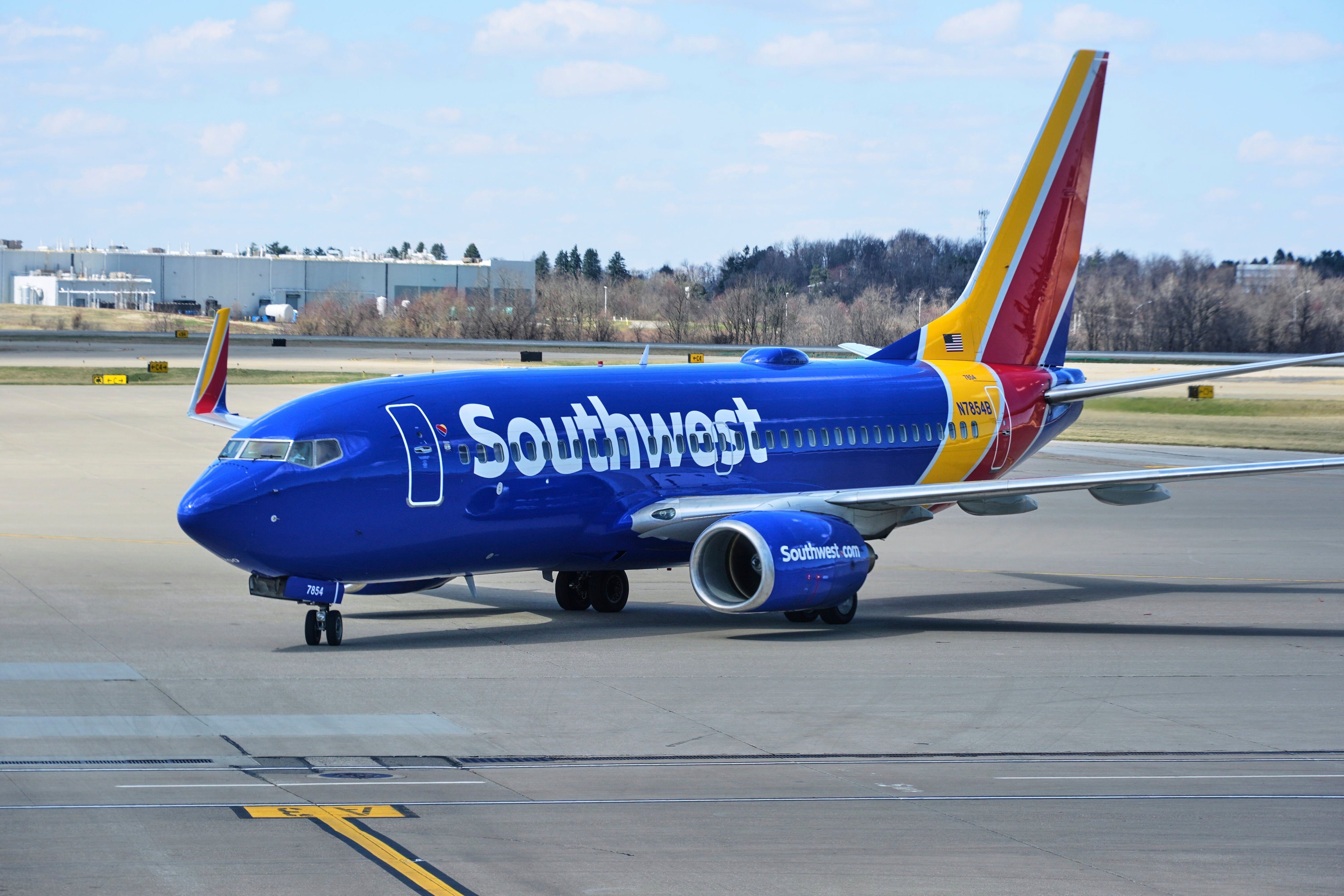
Southwest Airlines will soon require plus-size travelers to pay for an extra seat in advance if they can't fit within the armrests of one seat. This change is part of several updates the airline is making. The new rule starts on Jan. 27, the same day Southwest begins assigning seats. Currently, plus-size passengers can pay for an extra seat in advance and later get a refund, or request a free extra seat at the airport. Under the new policy, refunds are still possible but not guaranteed. Southwest said in a statement it is updating policies to prepare for assigned seating next year.
Cracker Barrel is sticking with its new logo. For now. But the chain is also apologizing to fans who were angered when the change was announced last week.
Elon Musk on Monday targeted Apple and OpenAI in an antitrust lawsuit alleging that the iPhone maker and the ChatGPT maker are teaming up to thwart competition in artificial intelligence.