Sonos VP Has 'No Concerns' Over Amazon Partnership
*By Michael Teich*
Investors seemed to shrug off a recently tumultuous market for tech stocks and a slew of potential challenges unique to speaker maker Sonos.
The company's shares soared as much as 40 percent on Thursday, the stock's first day of trading, despite pricing below their expected IPO range.
Mike Groeninger, Sonos's vice president of finance and investor relations, told Cheddar the company knew what it was getting into.
"Tech had back to back to back down days, Facebook had a record-setting decline, so we knew we were in a tough tech market to price new companies," Groeninger said in an interview at the Nasdaq. "I think, importantly, we set a price where we are thrilled about the long-term investors we have. We're starting today. We're much more concerned about where the stock price is three years from now than where it is today."
Sonos sold nearly 14 million shares in its IPO at a price of $15 each ー the company had targeted an offering between $17 and $19. But even at the high end of *that* range, Sonos would have been valued at less than $2 billion, below the $3 billion [some analysts](https://www.marketwatch.com/story/sonos-confidentially-files-for-ipo-that-could-come-this-summer-2018-04-25) thought it would be worth back in April.
It's not just struggles in the broader tech market that affect the company. After all, there's no shortage of competition in the home audio market. Though Sonos has teamed up with Amazon to integrate its Alexa digital assistant technology into its devices ー it plans to strike similar deals for Apple's Siri and Google Assistant ー the company acknowledged in its [SEC filing](https://www.sec.gov/Archives/edgar/data/1314727/000119312518223064/d403417ds1a.htm) that those partnerships could be yanked at any time.
For now, though, Groeninger isn't worried.
"Amazon values our seven million households," he said. "Ultimately we think they care what customers want, as we do, and we think we're delivering the best customer experience, providing unbelievable sound and quality, and complementing that with choice, and that's a winning formula."
"We continue to embrace the partnerships and have no concerns about that changing in the future."
Another plus: consumer loyalty. Sonos said nearly 60 percent of its customers own at least two of its devices, and 40 percent own three or more.
"People look at consumer electronics, and they don't think of recurring revenue, they don't think of repeat business," Groeninger said. "Our model's about building phenomenal products that last a long time and that encourage you to buy more over time."
Sonos started trading on the Nasdaq with the ticker 'SONO' at $16 a share. The stock closed up nearly 33 percent to finish the day at $19.91.
For more on this story, [click here](https://cheddar.com/videos/sonos-share-soar-on-wall-street-debut).
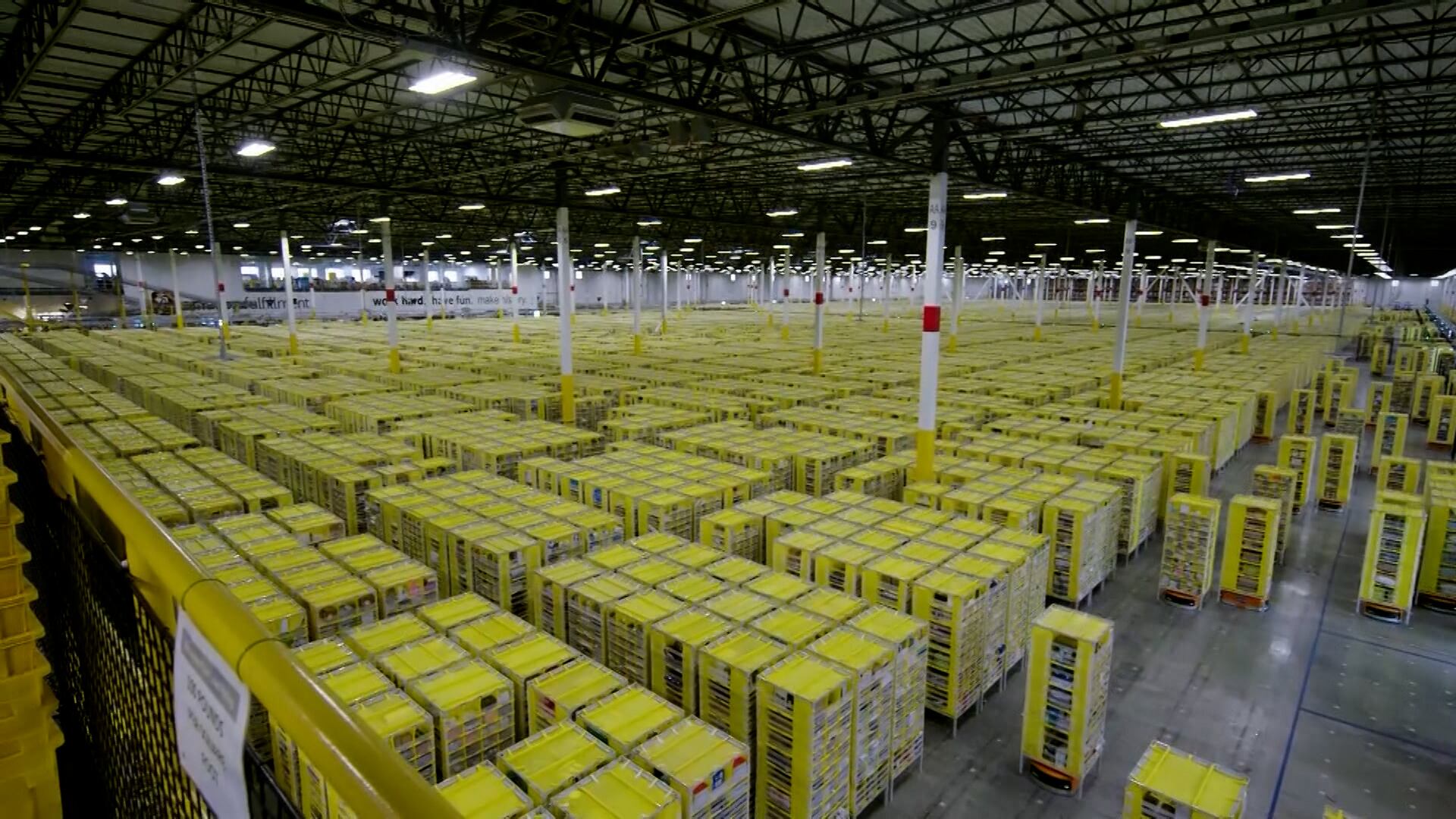
Amazon warehouse workers in Alabama are set to begin voting to unionize for a second time after workers at the facility in the town of Bessemer overwhelmingly voted against forming a union during an election early last year; but in November, the National Labor Relations Board overturned the vote, upholding a union challenge of the results which argued that Amazon undermined the conditions for a fair election. Another round of ballots will now be mailed out to works at the warehouse for a so-called re-run election. Director of Labor and Employment Studies at San Francisco State University John Logan and National Field Director for Our Revolution Mike Oles joined Cheddar News' Closing Bell to discuss.
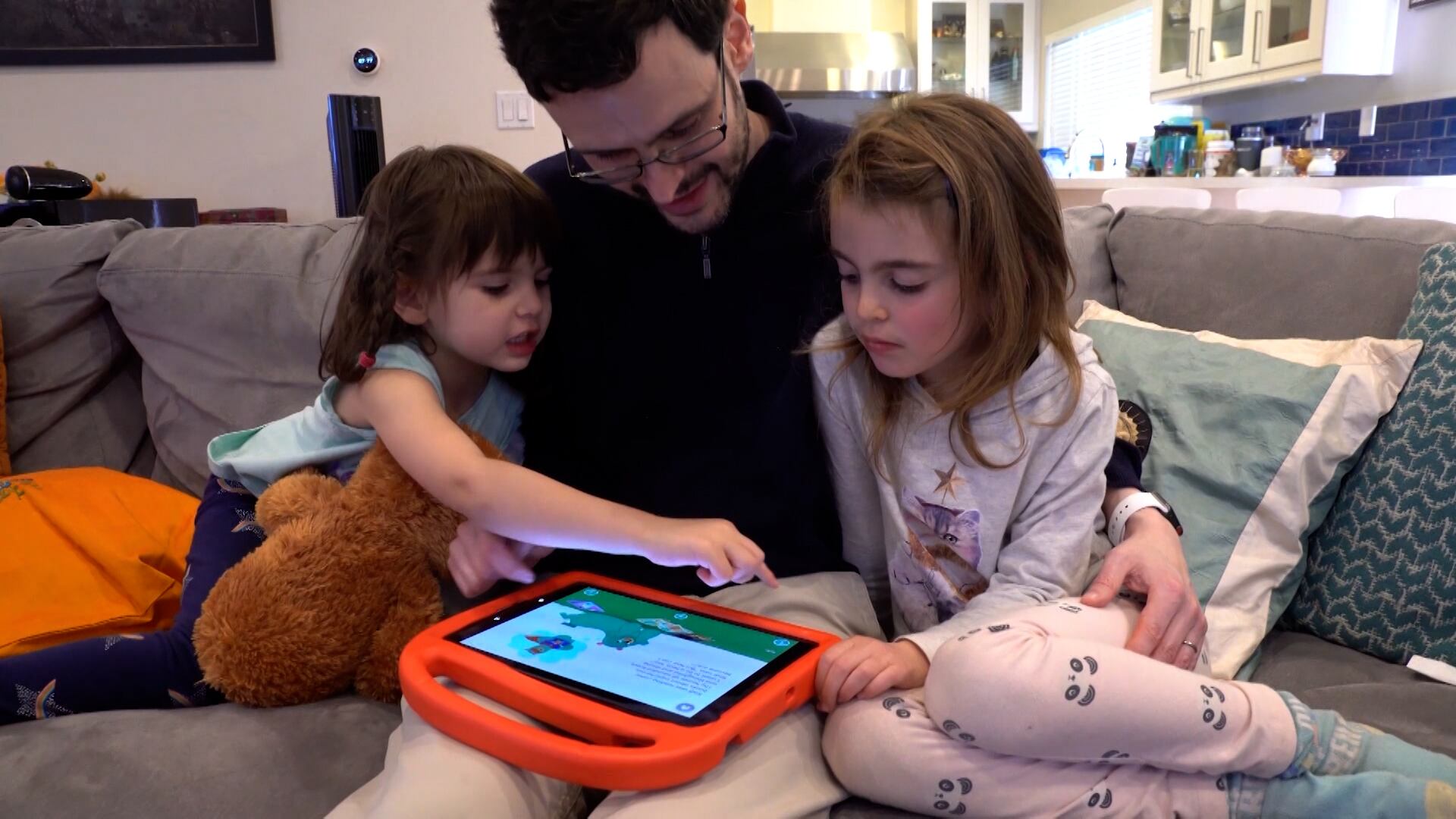
February 8 is Safer Internet Day, and Google has partnered with online education organization Khan Academy to release a courseload focused on internet safety. The partnership includes a $5 million donation towards content development from Google, with modules to be made available in various languages throughout 2022. Founder of Khan Academy, Sal Khan, joined Cheddar News to discuss the partnership. "We need to get to a world where everyone of all ages has a chance to learn and practice and feel good that they can navigate the internet in a safe way,” said Khan.
Big tech companies such as Amazon and Google are garnering criticism for failing at their proposed climate pledges, most of which rely on carbon offsets — a potential loophole where companies pay others to address their omissions. Gilles Dufrasne, policy officer at Carbon Market Watch, joined Cheddar News to explain the organization's negative evaluation. "The objective here is not to bash companies and say everybody is doing the wrong thing," he said. "The objective is to also provide lessons, and there are some companies that are doing the right thing."
U.S. markets opened lower as disappointing Meta earnings dragged down the tech-heavy Nasdaq. Today, investors will be watching for Amazon's Q4 earnings report set for release after the market close. Greg Swenson, Founding Partner, Brigg Macadam joined Cheddar's Opening Bell to discuss.
Markets opened mostly higher led by gains in the tech sector on strong Q4 earnings. It comes after a tumultuous January which saw stocks suffer one of their worst months since the early days of the pandemic. Jim Worden, Chief Investment Officer, Wealth Consulting Group joined Cheddar's Opening Bell to discuss early market activity.
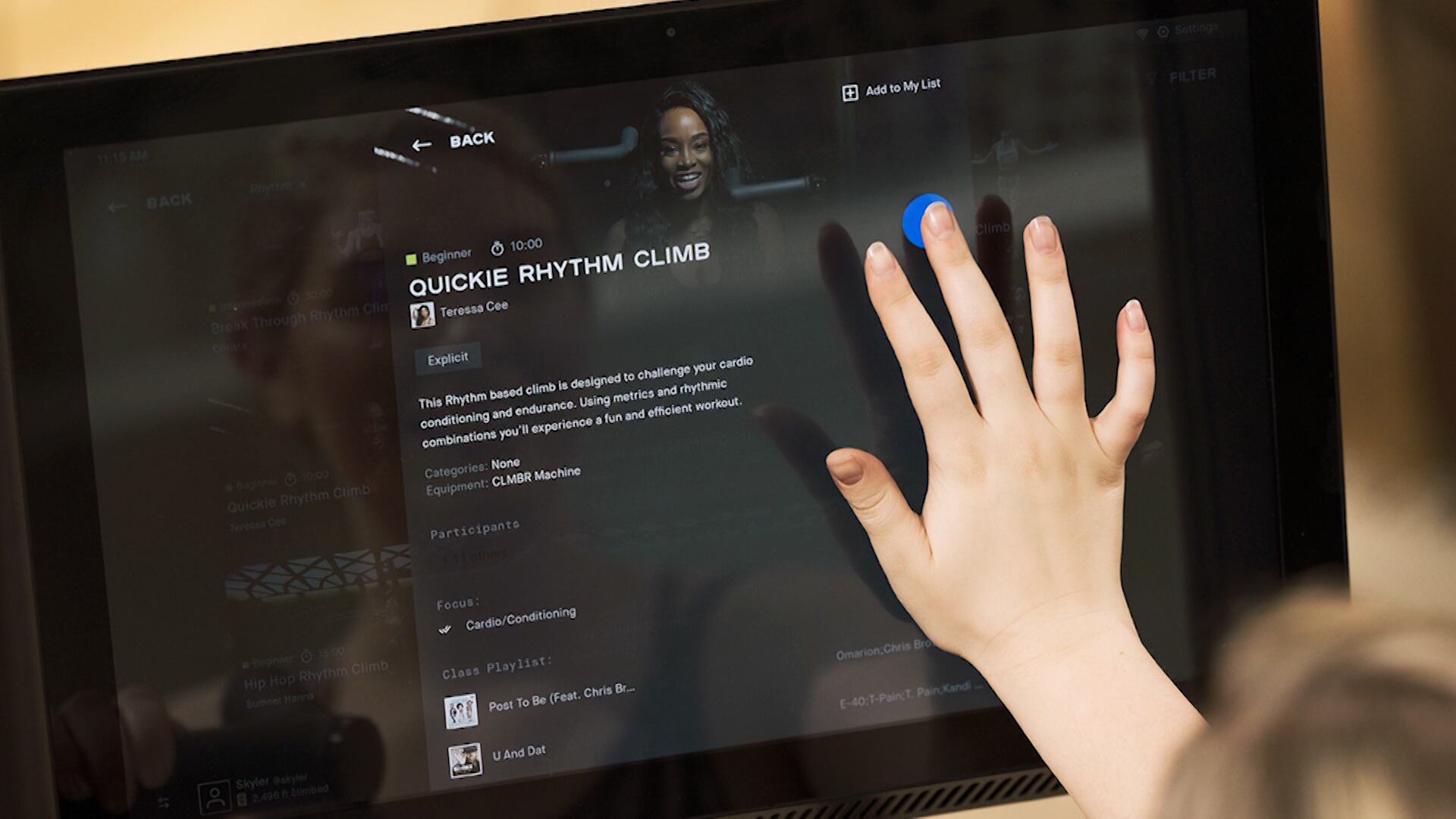
CLMBR is hoping to become the next big thing in connected fitness. The brand offers a high intensity, low impact workout with on-demand, instructor-led classes. Avrum Elmakis, CLMBR's CEO and founder, joined Cheddar to discuss where the company is heading next.