Shares of Array Technologies ($ARRY) surged out of the gate Thursday after reportedly raising more than $1 billion in capital through an initial public offering that brought the company's value to $2.79 billion. The stock was up more than 64 percent to $36.45 per share at the close.
The New Mexico-based solar part manufacturer is currently riding a wave of a renewed interest in electrification and decarbonization worldwide, as states and companies embrace renewable mandates and net-zero initiatives aimed at cutting out fossil fuels.
"We want to scale with that, and having access to that capital will not only allow us to invest in the product, the portfolio, and people but also allows us to buy down debt and it will be a permanent source of capital where we can further enable utility-scale solar going forward."
Array manufactures ground-mounting systems for utility-scale solar projects, which for the company means solar fields that produce at least a megawatt of energy.
A solar project can use either a fixed mount system or a single-axis tracker system that tilts the solar panel throughout the day in line with the sun. Array manufactures parts for tracker systems, which Fusaro said capture 25 percent more energy.
"So that's significant for our customers," he said. "It's 25 percent more revenues."
Array also touts its software solutions that use machine learning algorithms to optimize production at a given solar project from 2 to 5 percent.
Retailers face tariffs and cost challenges this holiday season. Wells Fargo's Lauren Murphy shares insights on pricing, promotions, and shopping trends.
Dateability, founded by sisters Jacqueline and Alexa Child, is the only dating app for disabled and chronically ill communities, fostering love without limits.
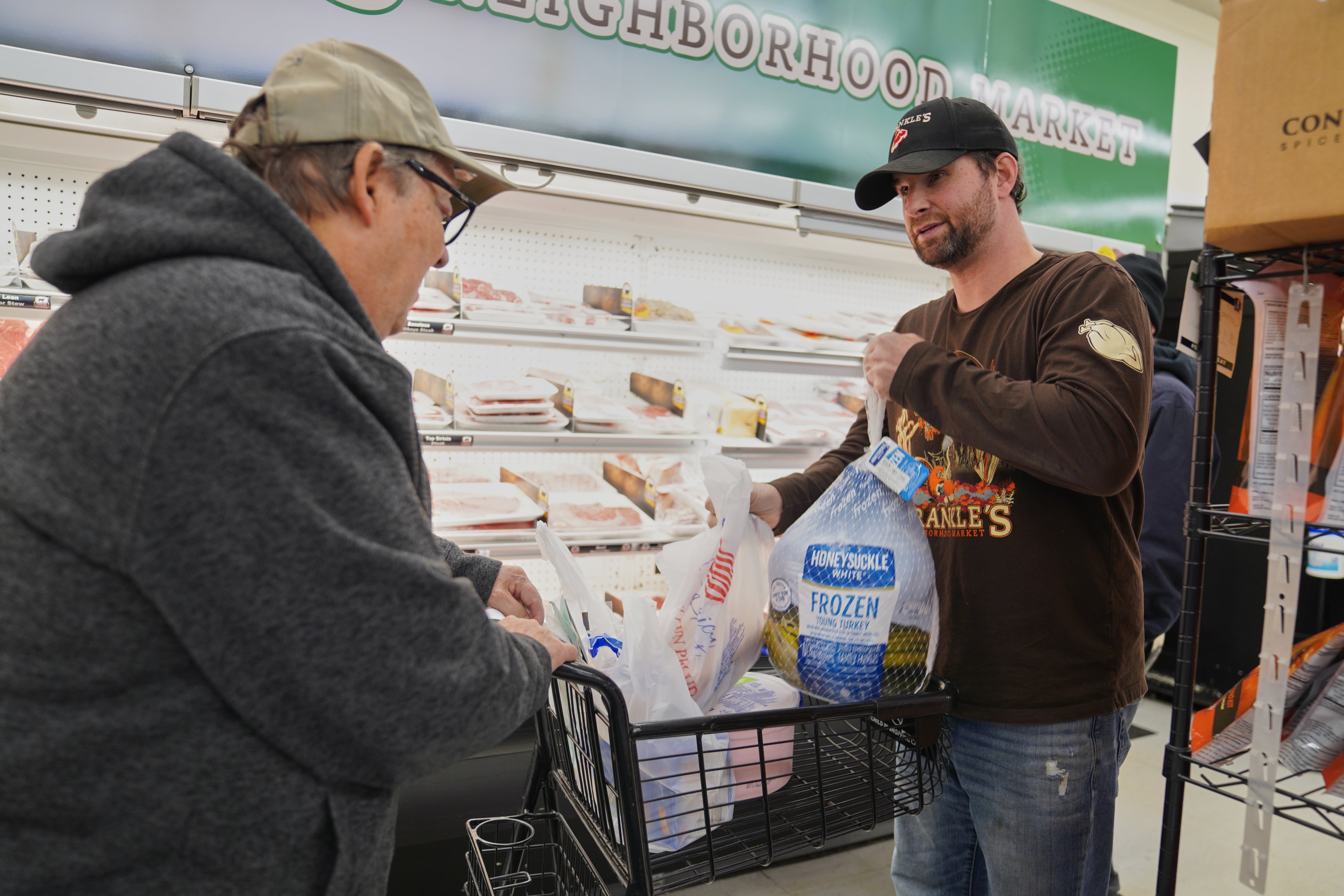
Some small grocery stores and neighborhood convenience stores are eager for the U.S. government shutdown to end and for their customers to start receiving federal food aid again. Late last month, the Trump administration froze funding for the SNAP benefits that about 42 million Americans use to buy groceries. The U.S. Department of Agriculture says about 74% of the assistance was spent last year at superstores like Walmart and supermarkets like Kroger. Around 14% went to smaller stores that are more accessible to SNAP beneficiaries. A former director of the United Nations World Food Program says SNAP is not only a social safety net for families but a local economic engine that supports neighborhood businesses.
Andy Baehr, Head of Product at CoinDesk Indices, breaks down crypto’s Black Friday crash, Bitcoin dipping under $100K, and what’s driving the market rout.
Billionaire Warren Buffett warned shareholders Monday that many companies will fare better than his Berkshire Hathaway in the decades ahead as Father Time catches up
Chris Marquette of POLITICO breaks down how the FAA is cutting flights and facing a critical shortage of air‑traffic controllers amid the government shutdown.