SoFi has made Mastercard the new and exclusive card network for the SoFi Money debit card and plans to introduce a suite of rewards to go with it later this year, CEO Anthony Noto told a group of reporters on Wednesday morning.
The Money rewards come amid a rebound in cash-based card rewards. According to WalletHub, cash-based rewards increased 31 percent in value in the past 12 months and 22 percent from the third to fourth quarters of 2019.
"Because we can meet the needs of their entire lifecycle, [we have] the opportunity to provide a unique rewards program to an individual," Noto said. "We want to reward people for not just using a product, but for using all of our products, and how frequently you use those products. We also want to reward them for taking action to make themselves better, i.e. getting their money right so what are you doing besides using our products to get your money right and we want to reward that."
SoFi debit cardholders will benefit from cash-back rewards, complimentary cell phone insurance, and discounted airport concierge services. Mastercard will also be the network for SoFi's credit card, which will launch this year to complement SoFi Money offerings.
SoFi Money membership will also provide an "enriched fan experience" at SoFi Stadium, which the nine-year-old startup bought the naming rights to in September. It is expected to open this July, as the home of the Los Angeles Rams and the Los Angeles Chargers, and host Super Bowl LVI in 2022 and the Opening and Closing Ceremonies of the 2028 Olympics.
Debit card rewards have been making a comeback as fintech startups that have provided reasons for users to deposit their funds with them now seek to continue holding their attention — and their deposits.
"There was a period of time where debit rewards completely dissipated and now we're seeing them ramp up more because of apps like Square's Cash App or PayPal that are directly linked to your bank account that millennials seem to love so much," said Jill Gonzalez, an analyst at WalletHub.
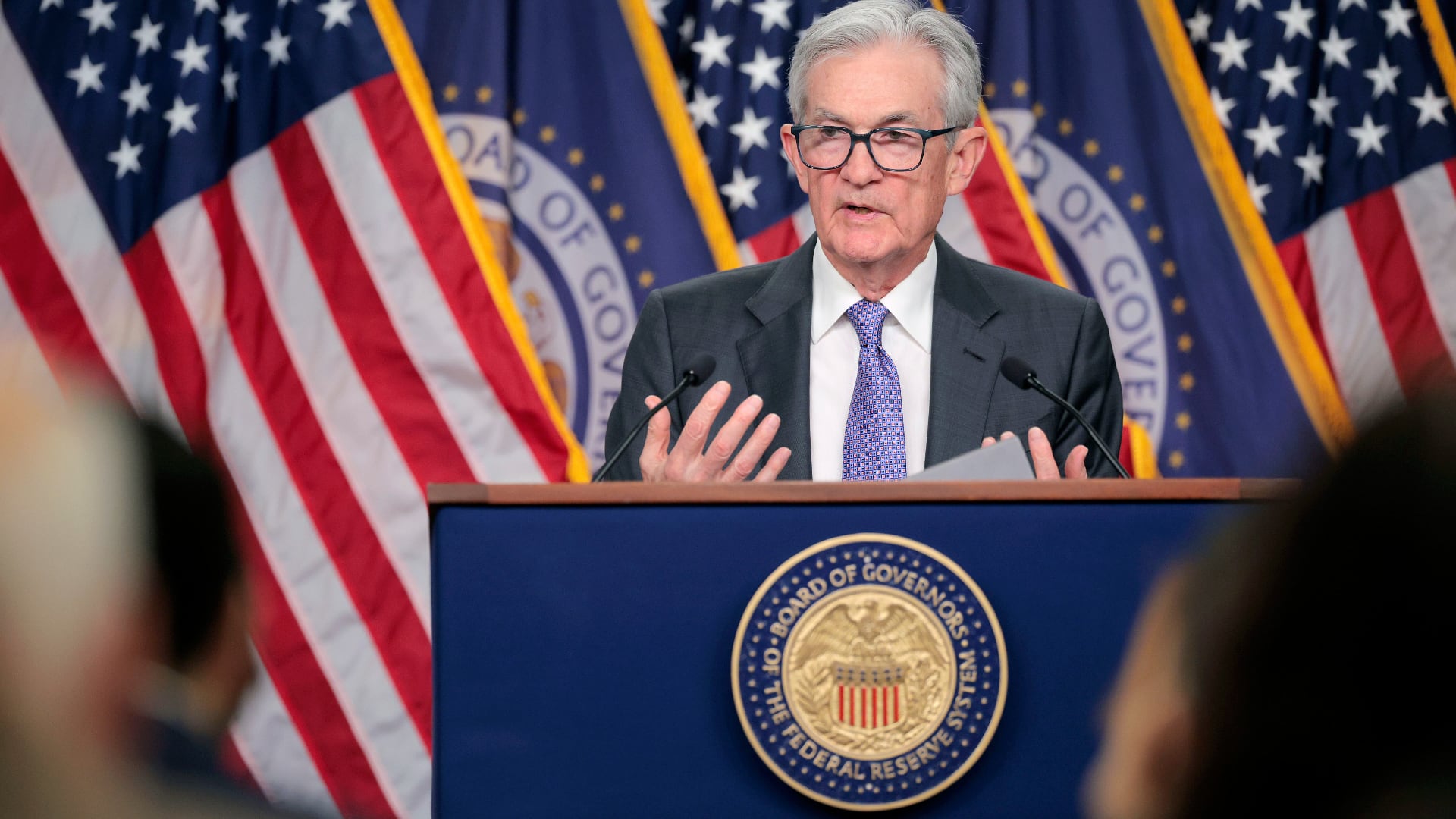
Before 2008, when there weren't any caps on the fees a card network could charge a merchant to process card transactions (aka interchange fees), debit cards carried rich rewards and offers. After the financial crisis those rewards were wiped out as the Federal Reserve began limiting interchange to 25 cents plus 0.05 percent on a debit card transaction. Meanwhile, the card networks typically charge 2 percent on credit card transactions (though some go as high as 3.5 percent) and pay that to the bank that issued the credit card. The banks invest a large portion of their interchange profit back into their rewards program.
That's a big part of the reason so many debit card rewards today involve one-on-one partnerships with brands, like SoFi Money's cash-back partnership with Lyft.
"If merchants can incentivize you to do that, they'll pay the regulated debit rate instead of the credit rate," said David Sica, a partner at the fintech-focused Nyca Partners.
"Rewards are a different word for driving continuity and engagement and frequency," said Noto said. "It takes different forms over the years, the increased interest just reflects the fact that there's finally innovation in a category that's existed forever to drive frequency."
San Francisco-based SoFi, which now has 900,000 customers, initially launched as a student lending startup but in the last year has expanded its offerings to include several more lending, investing, and insurance products. Last February it launched SoFi Money, its fee-free hybrid checking account with a high-interest savings rate and a debit card.