Snap's Rollback of Redesign May Signal an Identity Crisis
*By Britt Terrell*
Snap is doing something that is unprecedented in social media. The maker of Snapchat has answered angry users' protests and revamped its app to make it more similar to the original version.
"It's a sign of humility in a way for Snapchat," said Marty Swant, a staff writer at Adweek. "In a way, I wonder if they have a bit of an identity crisis."
Is Snap making a tool for publishers or is the app catering to its core users?
Snapchat's 2017 redesign was meant to bring more people to its publishing page. But loyal users revolted: A petition called for the app maker to revert to the old design, the platform saw its user growth [decline in the last quarter](http://deadline.com/2018/05/snap-inc-snapchat-slowest-growth-earnings-stock-plunges-1202380663/).
As Snap's stock continues to plummet ーit's down nearly 50 percent year-over-year ー the company must figure out ways to appeal to advertisers.
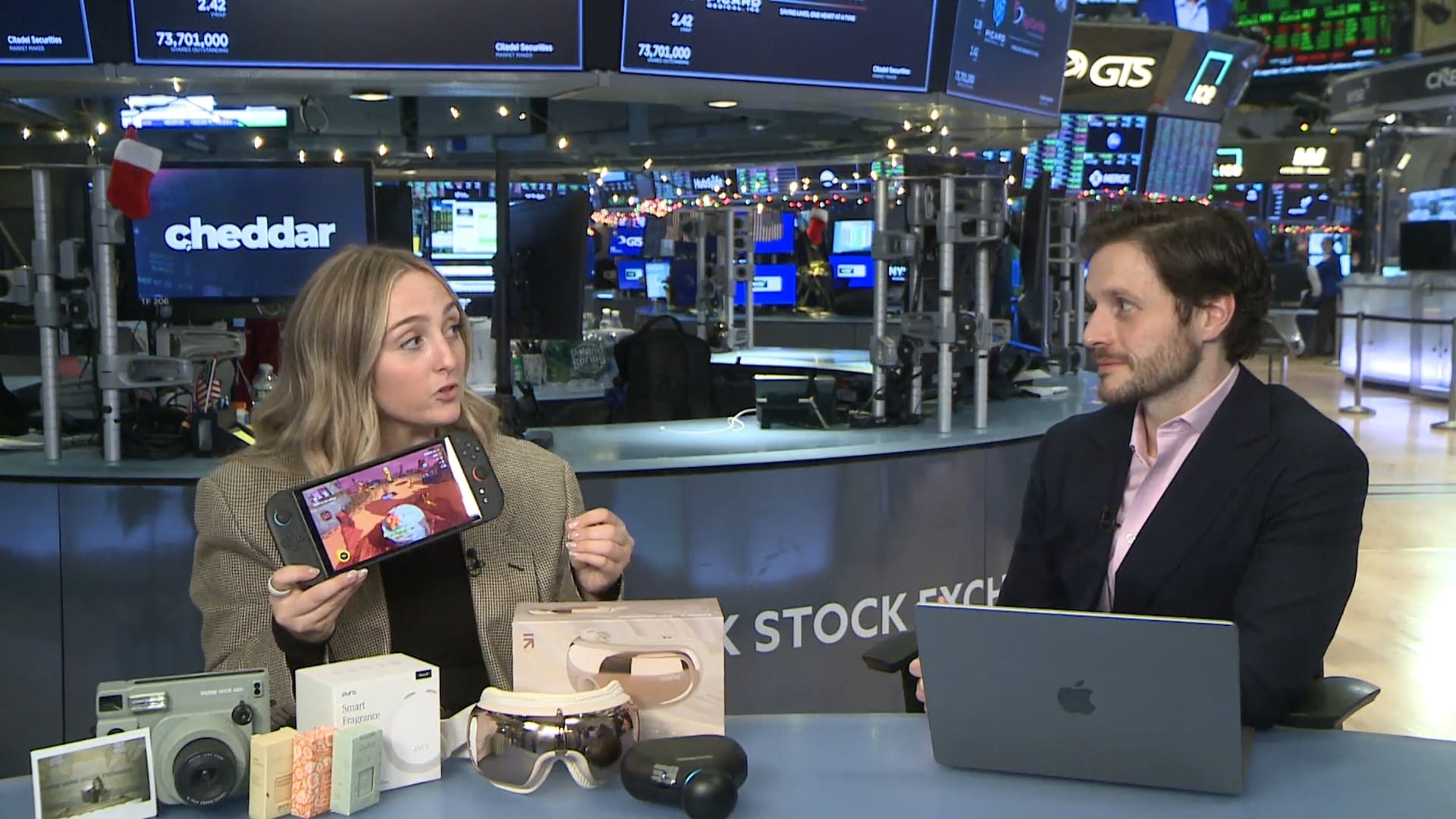
"I think the big picture that Snapchat has now is their ads are a lot more creative than the ads you're seeing on Instagram stories - Snapchat's main competitor," said Swant in an interview Monday with Cheddar. "They're just cooler looking, they're more engaging. I think that's a big play, but the question is, do users actually spend time with them?"
For the full interview, [click here](https://cheddar.com/videos/snap-redesigns-its-redesign).
ChatGPT-maker OpenAI and The Associated Press said Thursday that they've made a deal for the artificial intelligence company to license AP's archive of news stories.
Alexander Mashinsky, the former CEO of the failed cryptocurrency lending platform Celsius Network, has been arrested on federal fraud charges, including wire fraud, according to CNBC.
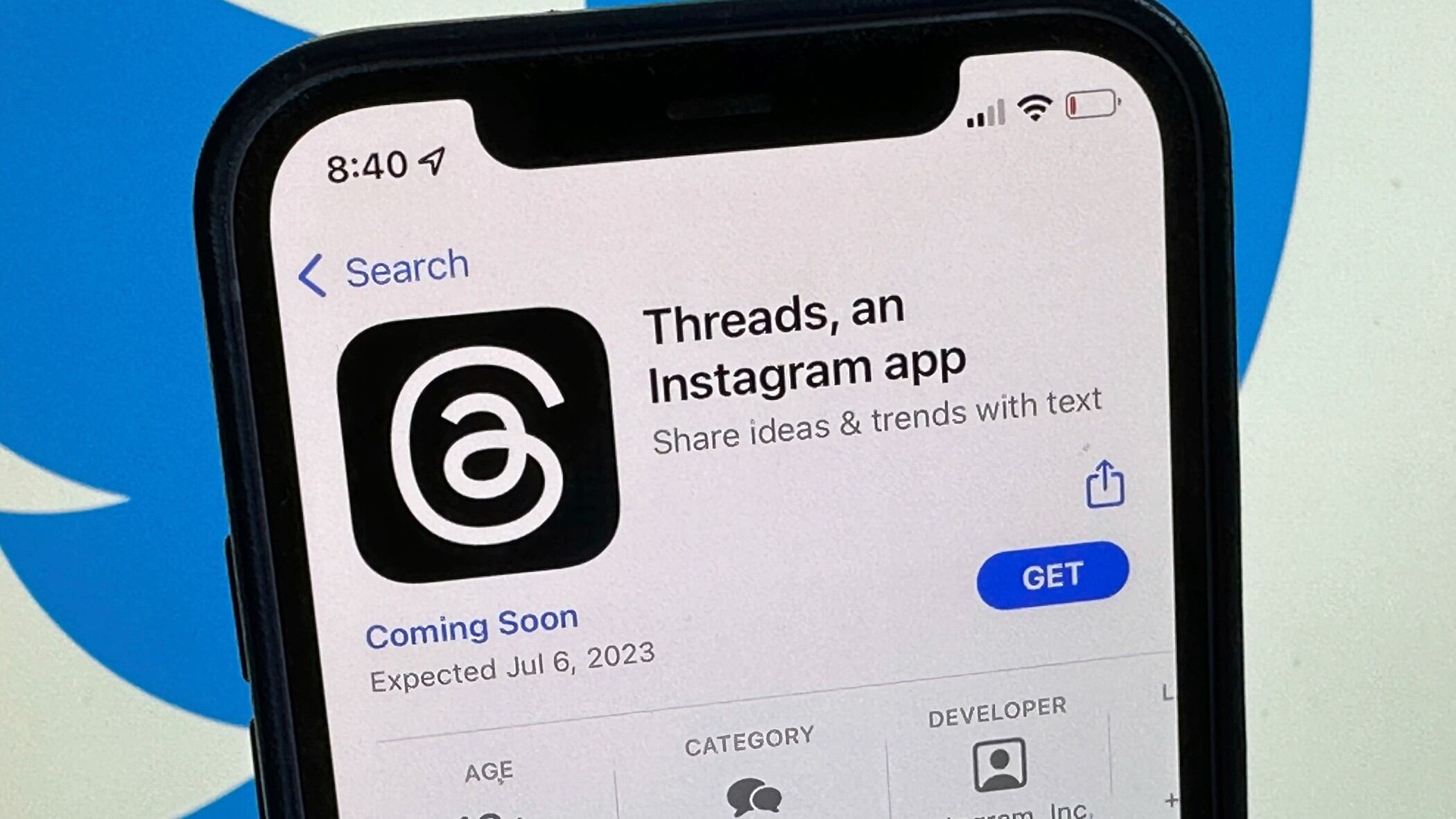
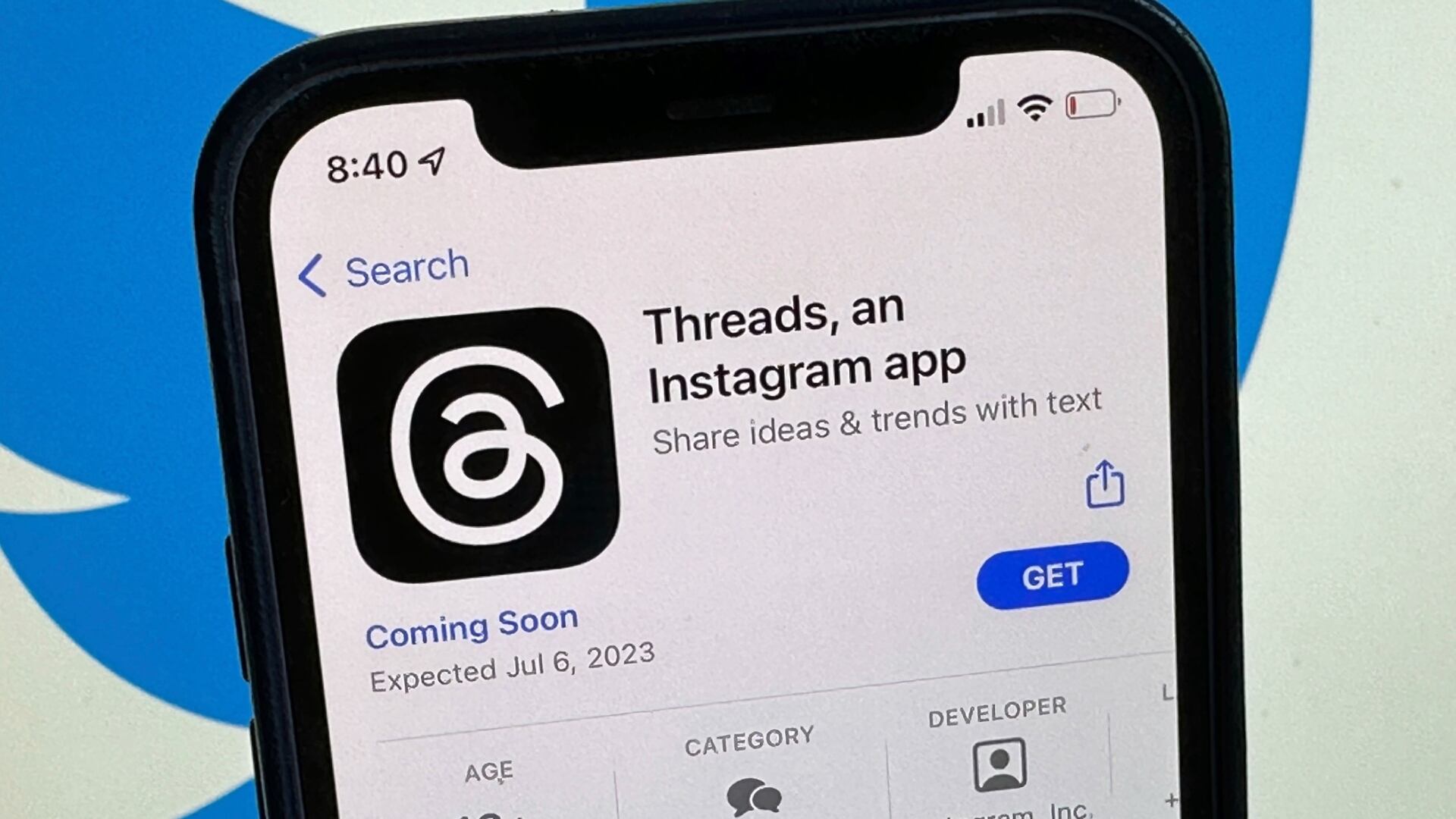
Threads could bring in $8 billion in annual revenue, according to analysis, after it reached about 100 million users days after its launch. Cheddar News explains.
Celebrities, lawmakers, brands and everyday social media users are flocking to Meta's freshly minted app Threads to connect with their followers, including many Twitter refugees tired of the drama surrounding Elon Musk’s raucous oversight of that platform.
Comedian Sarah Silverman is suing OpenAI and Meta for allegedly using her copyright-protected work to help train their artificial intelligence programs.