A lot has been written about the impact the coronavirus pandemic has had on the U.S. meat industry and sitdown restaurants, but what about the other sectors of the food and beverage industry?
Wan Kim, CEO of Smoothie King, told Cheddar Tuesday that the pandemic pushed him and his team to build a bigger digital presence for its customers.
"When this kind of big disruption happens I think it was kind of a big wake up call," Kim said. "We really started to think of what else we could do, and there's a lot of things we could focus on like our digital stage."
The CEO is so committed to growing the company's digital presence that he announced on Cheddar that Smoothie King is planning to launch a subscription service this summer.
"We are also doing some research about whether we can actually roll out any subscription model and we are looking into it because, once again, changes are hard but actually this is the perfect time for us to do it," he said.
The fitness industry has also been rattled by the coronavirus pandemic. Gyms have been closed to reduce the spread of the virus and more people are taking advantage of at-home workouts, which is why Kim said it was important for Smoothie King to make deliveries.
"I see a lot of people actually getting the virtual workout as we speak and if that's what going to happen in the future, then we need to make sure our products actually get delivered to homes," he said.
The smoothie chain has ramped up its digital presence amid the pandemic by increasing its deliveries and teaming up with DoorDash to get smoothies to more customers. The company is also offering curbside pickup as well.
Retailers face tariffs and cost challenges this holiday season. Wells Fargo's Lauren Murphy shares insights on pricing, promotions, and shopping trends.
Dateability, founded by sisters Jacqueline and Alexa Child, is the only dating app for disabled and chronically ill communities, fostering love without limits.
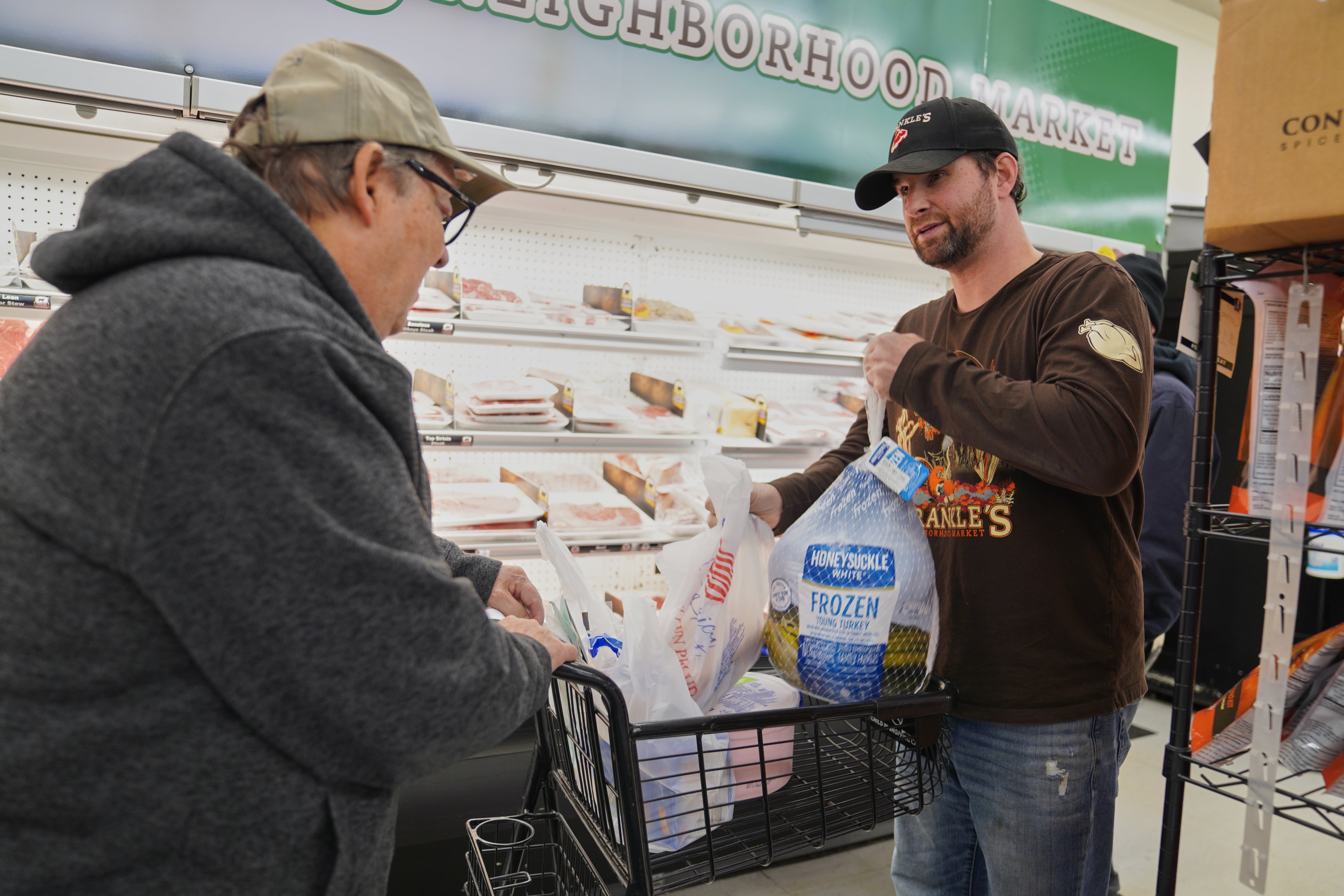
Some small grocery stores and neighborhood convenience stores are eager for the U.S. government shutdown to end and for their customers to start receiving federal food aid again. Late last month, the Trump administration froze funding for the SNAP benefits that about 42 million Americans use to buy groceries. The U.S. Department of Agriculture says about 74% of the assistance was spent last year at superstores like Walmart and supermarkets like Kroger. Around 14% went to smaller stores that are more accessible to SNAP beneficiaries. A former director of the United Nations World Food Program says SNAP is not only a social safety net for families but a local economic engine that supports neighborhood businesses.
Andy Baehr, Head of Product at CoinDesk Indices, breaks down crypto’s Black Friday crash, Bitcoin dipping under $100K, and what’s driving the market rout.
Billionaire Warren Buffett warned shareholders Monday that many companies will fare better than his Berkshire Hathaway in the decades ahead as Father Time catches up
Chris Marquette of POLITICO breaks down how the FAA is cutting flights and facing a critical shortage of air‑traffic controllers amid the government shutdown.