Shutterstock Developed an Algorithm Google Can't Break
After working on a project with Google, Shutterstock knew that the tech giant would release an algorithm that could wipe the company’s watermark from its stock images, a move that would have opened the door for the general public to do the same and claim copyrighted pictures as their own.
So what do you do when Google can crack your formula for success? You create a stronger one, Shutterstock CEO, Jon Oringer, told Cheddar.
“We made sure that before that paper came out we got ahead of it,” Oringer said. “We developed an even stronger watermark,” adding that this challenge pushed Shutterstock to step up its security game.
But Shutterstock is no stranger to leveling up its business strategies. The company, with a $1.29 billion market cap, recently acquired Canada-based Flashstock Technology for $50 million.
“We are always reinventing ourselves,” Oringer said in the recent interview, saying Shutterstock now has two offices in Canada after its acquisitions.
The executive stated that investing in Flashstock or Shutterstock Custom, as the new division is called, is “super important” for the future of the company, explaining that this investment was an effort to offer clients the ability to access on-brand custom shots.
“Brands have always come to us and said, ‘We like that image, but how do we get our brand in that image,’” he said.
As for creating a brighter future for a company, Oringer shared his top advice for fellow entrepreneurs: be able to play every role before you hand it over to someone else.
“If you start with that culture, if you start with that mindset, that really makes it so that you can scale well into the future,” he told Cheddar.
Stephen Kates, Financial Analyst at Bankrate, joins to discuss the Fed’s 25-basis-point rate cut, inflation risks, and what it all means for consumers and marke
Big tech earnings take center stage as investors digest results from Alphabet, Meta, Microsoft, Amazon, and Apple, with insights from Gil Luria of D.A. Davidson
Disney content has gone dark on YouTube TV, leaving subscribers of the Google-owned live streaming platform without access to major networks like ESPN and ABC. That’s because the companies have failed to reach a new licensing deal to keep Disney channels on YouTube TV. Depending on how long it lasts, the dispute could particularly impact coverage of U.S. college football matchups over the weekend — on top of other news and entertainment disruptions that have already arrived. In the meantime, YouTube TV subscribers who want to watch Disney channels could have little choice other than turning to the company’s own platforms, which come with their own price tags.
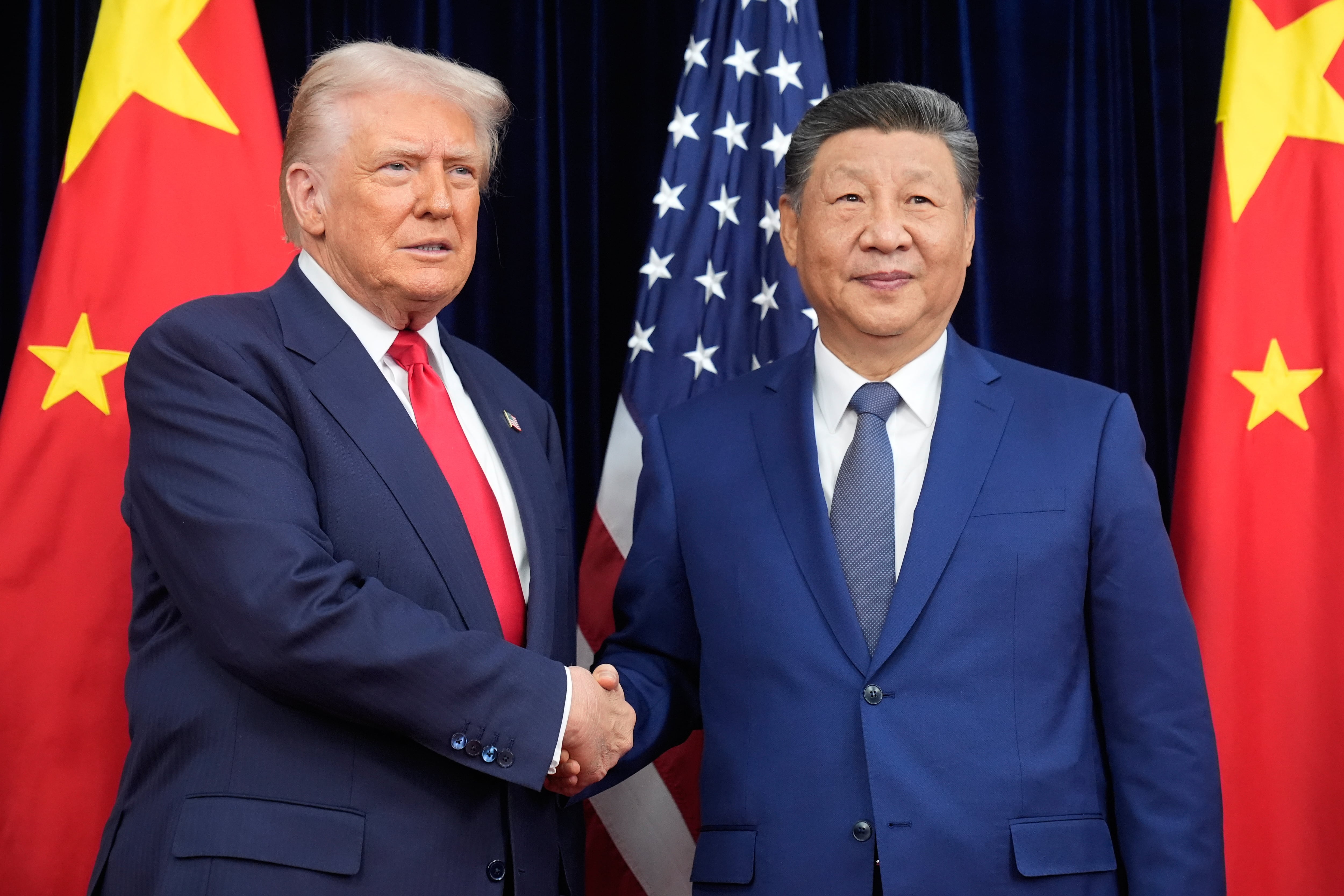
President Donald Trump said he has decided to lower his combined tariff rates on imports of Chinese goods to 47% after talks with Chinese leader Xi Jinping on curbing fentanyl trafficking.
Universal Music Group and AI platform Udio have settled a copyright lawsuit and will collaborate on a new music creation and streaming platform. The companies announced on Wednesday that they reached a compensatory legal settlement and new licensing agreements. These agreements aim to provide more revenue opportunities for Universal's artists and songwriters. The rise of AI song generation tools like Udio has disrupted the music streaming industry, leading to accusations from record labels. This deal marks the first since Universal and others sued Udio and Suno last year. Financial terms of the settlement weren't disclosed.