Shutterstock Developed an Algorithm Google Can't Break
After working on a project with Google, Shutterstock knew that the tech giant would release an algorithm that could wipe the company’s watermark from its stock images, a move that would have opened the door for the general public to do the same and claim copyrighted pictures as their own.
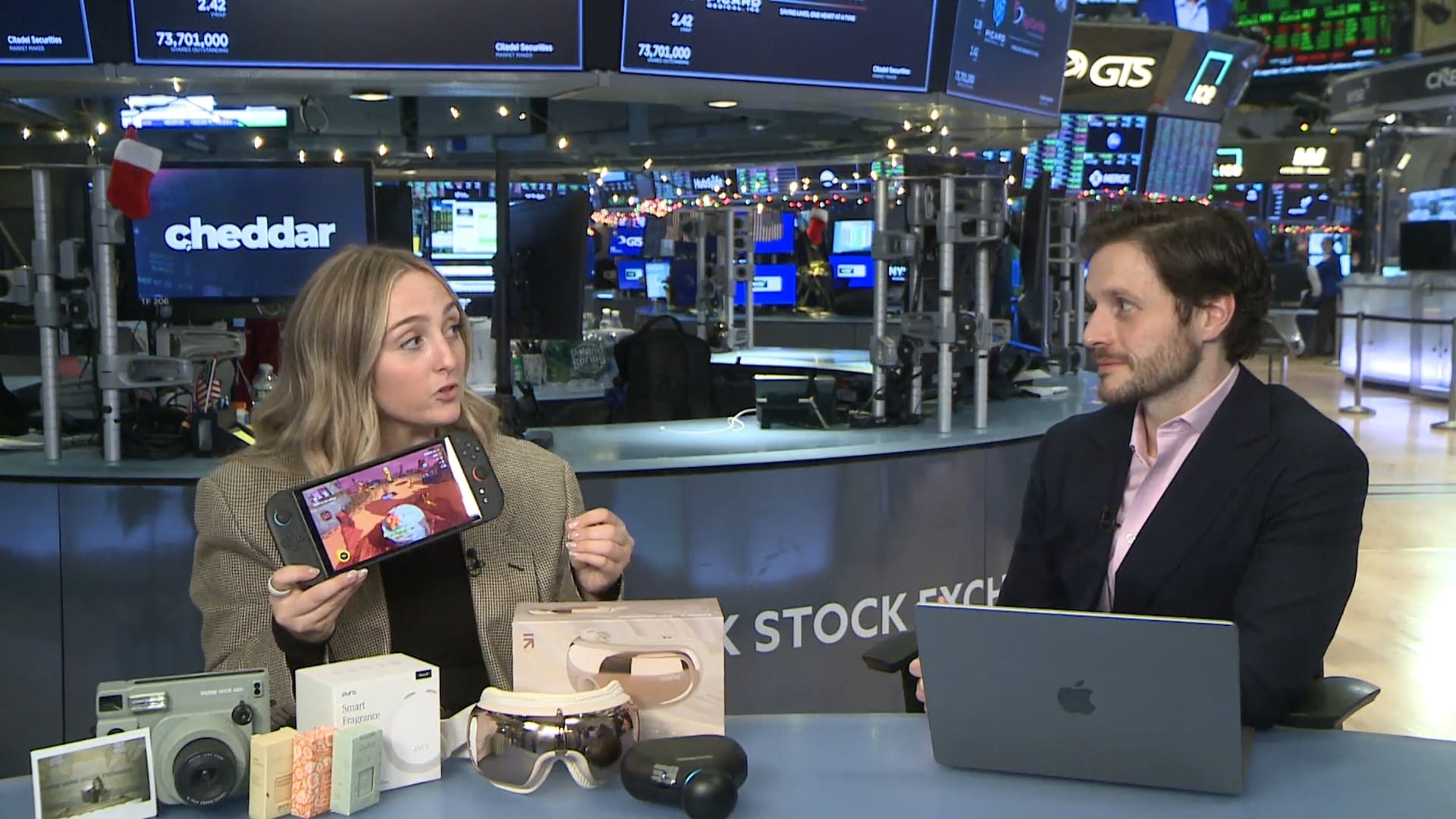
So what do you do when Google can crack your formula for success? You create a stronger one, Shutterstock CEO, Jon Oringer, told Cheddar.
“We made sure that before that paper came out we got ahead of it,” Oringer said. “We developed an even stronger watermark,” adding that this challenge pushed Shutterstock to step up its security game.
But Shutterstock is no stranger to leveling up its business strategies. The company, with a $1.29 billion market cap, recently acquired Canada-based Flashstock Technology for $50 million.
“We are always reinventing ourselves,” Oringer said in the recent interview, saying Shutterstock now has two offices in Canada after its acquisitions.
The executive stated that investing in Flashstock or Shutterstock Custom, as the new division is called, is “super important” for the future of the company, explaining that this investment was an effort to offer clients the ability to access on-brand custom shots.
“Brands have always come to us and said, ‘We like that image, but how do we get our brand in that image,’” he said.
As for creating a brighter future for a company, Oringer shared his top advice for fellow entrepreneurs: be able to play every role before you hand it over to someone else.
“If you start with that culture, if you start with that mindset, that really makes it so that you can scale well into the future,” he told Cheddar.
Unpacking Jerome Powell’s surprise rate cut with Tematica Research CIO Chris Versace—what it signals, who wins, who loses, and what smart investors do now.
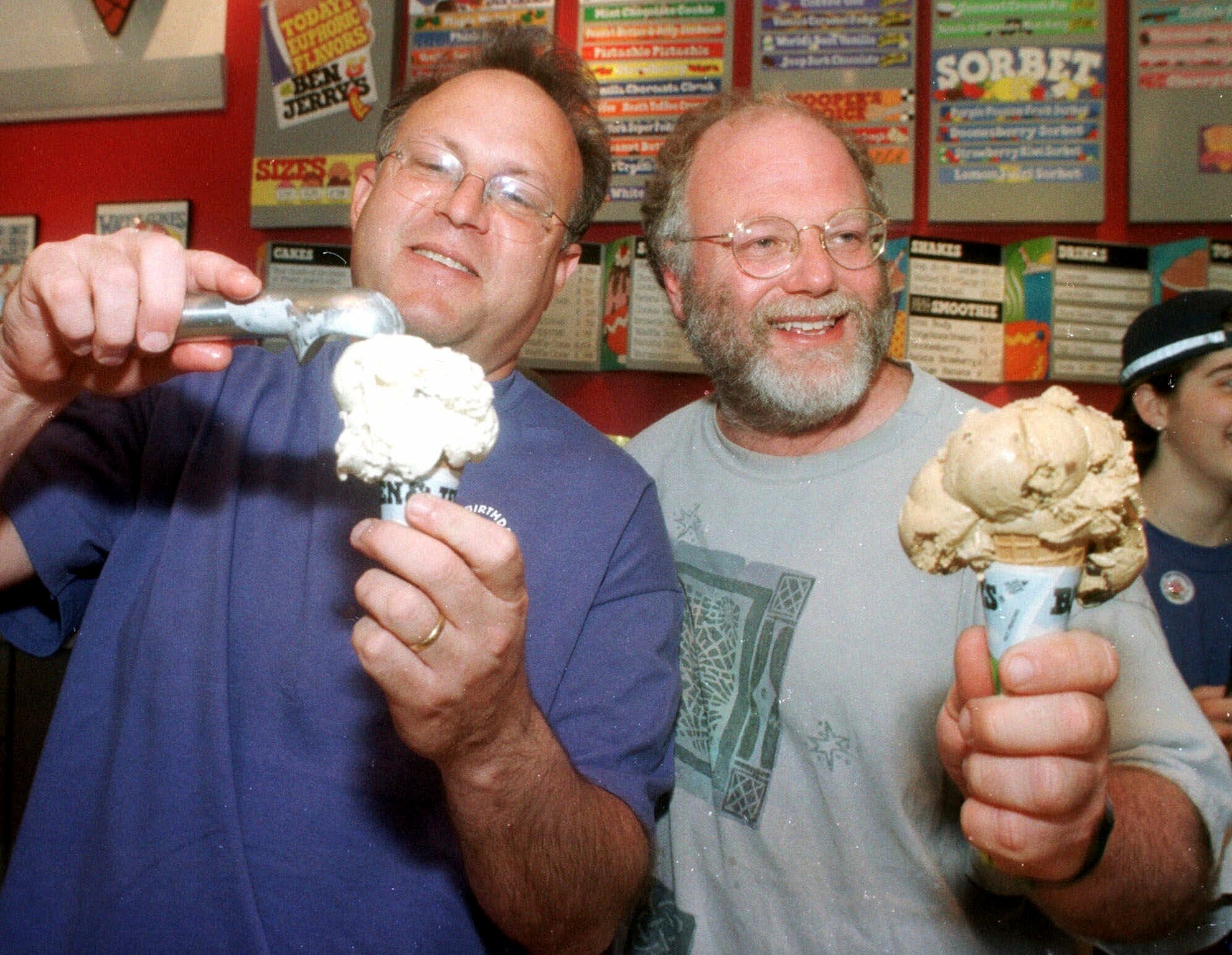
Ben & Jerry’s co-founder Jerry Greenfield is leaving the ice cream brand after 47 years. He says the freedom the company used to have to speak up on social issues has been stifled
The Trump administration has issued its first warnings to online services that offer unofficial versions of popular drugs like the blockbuster obesity treatment Wegovy.
Oracle soars as it cashes in on the AI boom, Plus: Starbucks shares continue to fall under its new CEO, and does anybody actually want a new iPhone Air?
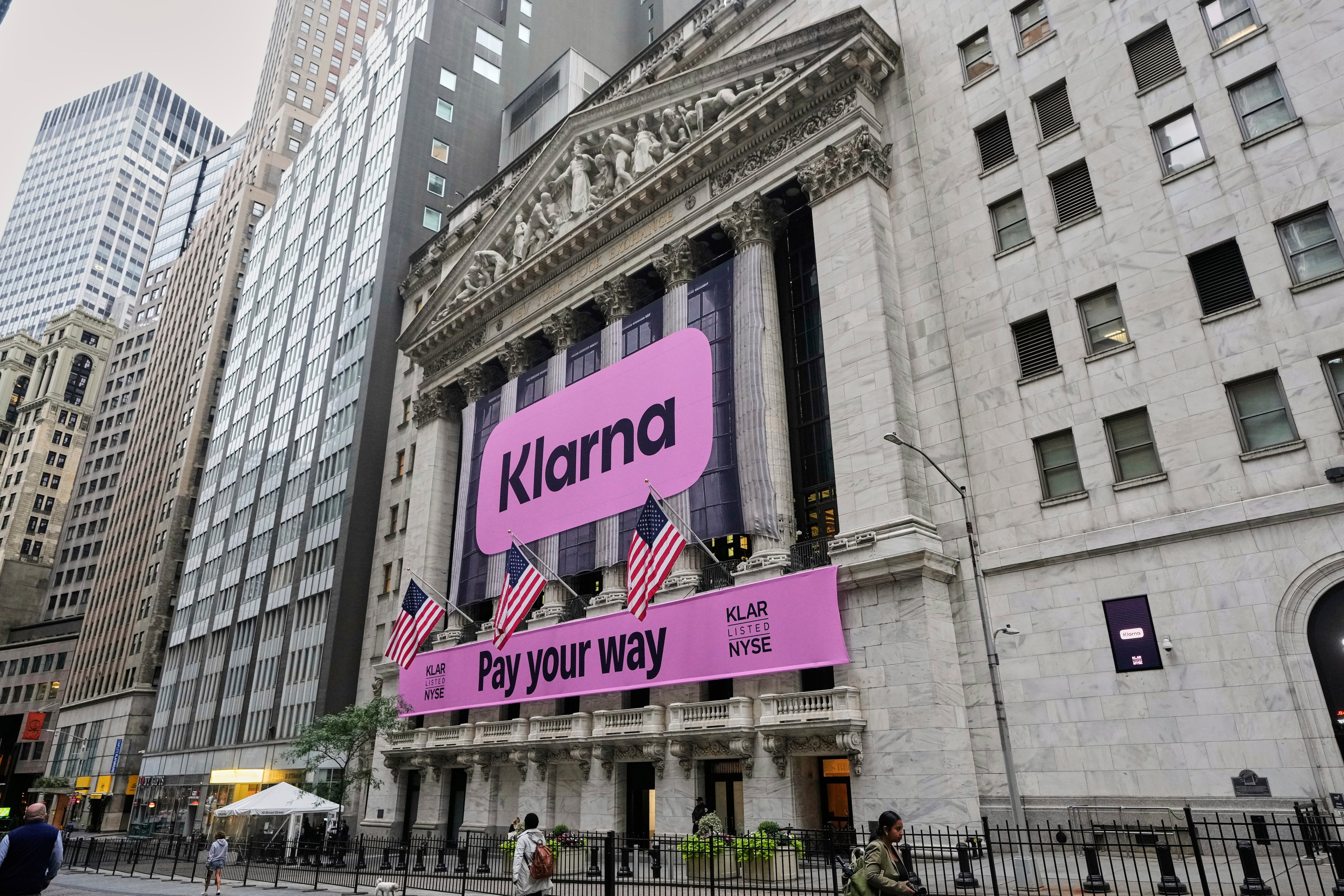
Swedish buy now, pay later company Klarna is making its highly anticipated public debut on the New York Stock Exchange Wednesday, the latest in a run of high-profile initial public offerings this year. The offering priced at $40 Tuesday, above the forecasted range of $35 to $37 a share, valuing the company at more than $15 billion. The valuation easily makes Klarna one of the biggest IPOs so far in 2025, which has been one of the busier years for companies going public. Other popular IPOs so far this year include the design software company Figma and Circle Internet Group, which issues the USDC stablecoin..