Senate Votes to Save Net Neutrality, but Fate Seems Sealed
*By Alisha Haridasani*
In a last-ditch effort to preserve unfettered access to online content, the Senate voted Wednesday to override the Federal Communications Commission’s decision to scrap net neutrality rules.
All of the Democrats and three Republican Senators voted in favor of the resolution, which was proposed by Senator Ed Markey, Democrat of Massachusetts.
"Republicans will rue the day they voted against middle class families, they will rue the day when they voted against the young people who are so familiar with the internet and you can be sure that we Democrats will remind the people of this vote over and over again," said Senator Chuck Schumer, the Senate minority leader, who has his eye on the midterm elections in November.
The resolution heads to the House, where it faces stronger opposition. Only 161 Representatives have publicly indicated that they would vote in favor of the resolution, 57 short of a majority.
There is still a chance that lawmakers who want to preserve net neutrality could convince more of their colleagues to join them because the issue resonates widely with voters, said Andrew Wyrich, a politics staff writer at The Daily Dot. A number of [polls](http://thehill.com/policy/technology/364528-poll-83-percent-of-voters-support-keeping-fccs-net-neutrality-rules) show strong support ー among Democrats and Republicans ー for maintaining net neutrality.
"A lot of people didn't think that it would happen in the Senate so I think anything can happen," said Wyrich.
Net neutrality rules were put in place by the Obama administration in 2015, ensuring that internet service providers give equal access to all content online, regardless of who produces it or where it comes from. The F.C.C. decided in December to abandon the rules, and they officially expired last month.
Supporters of net neutrality, including the tech companies Amazon, Google, Netflix, and Facebook, have said that stripping away these rules would give internet service providers the power to charge some websites or services more for speedier access. The chairman of the F.C.C., Ajit Pai, who has been a vocal critic of net neutrality, has said the rules hurt the companies that build the internet's infrastructure, and stifle innovation and limit investment.
“It’s going to hurt the little guy,” said Representative Jim Langevin, a Democrat from Rhode Island. Net neutrality allows “small entrepreneurs to have the same amount of access that big companies do,” he said.
Though a majority of Americans support net neutrality, Pai, the F.C.C. chairman, has said the rules were "heavy-handed."
For the full interview, [click here](https://cheddar.com/videos/senate-votes-to-keep-net-neutrality-rules).
Inflation remains hot as the January PPI has increased by 1 percent, twice what analysts had been expecting with a jump of 9.7 over the year. Beth Ann Bovino, the U.S. chief economist, for S&P Global Ratings, joined Cheddar News to discuss the rapid pace of inflation alongside higher wages, predicting the Federal Reserve will act quickly and forcefully this year. "They haven't changed their forecast, yet, that's gonna come out soon. But we expect that a March rate hike is basically pretty much baked in the cake," she said. "We think six rate hikes in total for 2022."
For black history month, Cheddar is highlighting black business leaders who are driving the need for representation forward. On February 10, the U.S. Chamber of Commerce hosted an event called 'Developing the Black-Owned Business Ecosystem.' The virtual event was organized under the lobbying group's two initiatives -- the Equality of Opportunity Initiative, and the Coalition to Back Black Businesses. The event highlighted the developments needed to develop more black-owned businesses in the U.S. Dr. Anthony Wilbon, Dean of the School of Business at Howard University, joined Cheddar News' Closing Bell to discuss his experience as a speaker at the event.
A newly declassified letter by senators Ron Wyden and Martin Heinrich claimed the CIA. has been conducting a Secret Surveillance Program which has been collecting a bulk of data from American citizens. The letter which was written in April of 2021 urges the CIA to come clean about the kind of data it collects and how many Americans have been impacted. According to these two senators, the program did not have the safeguards of congressional oversight.
Art Hogan, Chief Market Strategist at National Securities, joined Cheddar News' Closing Bell, where he says investors are taking a wait-and-see approach when it comes to the situation between Russia and the Ukraine and elaborates on the impact higher oil prices stemming from the conflict would have on the market.
Last week, Senators Ron Wyden of Oregon and Martin Heinrich of New Mexico, Democrats on the Senate Intelligence Committee, wrote a a letter airing concerns that the CIA is collecting the data of American citizens without their consent. The lawmakers fear that the program might be exploiting private data. Morgan Wright, the chief security advisor at cybersecurity firm SentinelOne, joined Cheddar News to discuss the ramifications of the letter. "We don't have all the dots in one place to connect them," said Wright, cautioning against jumping to conclusions.
Russian President Vladimir Putin and his Foreign Minister Sergey Lavrov said that diplomacy is still possible, while U.S. officials warn that an attack on Ukraine is imminent. Cheddar News speaks with James Astill, Washington bureau chief of The Economist on the latest developments in Eastern Europe.
As the number of Russian troops rose to 130,000 along its Ukrainian border, hopes for a diplomatic solution remain among world leaders. Jason McMann, head of geopolitical risk analysis at Morning Consult, joined Cheddar News to break down the fluid situation. "We saw signs pointing towards an increase in tensions between Ukraine and Russia, whereas today we're seeing some signs that the Russian government may be willing to continue down a path of diplomatic negotiations to try and find some sort of non-military solution," he said.
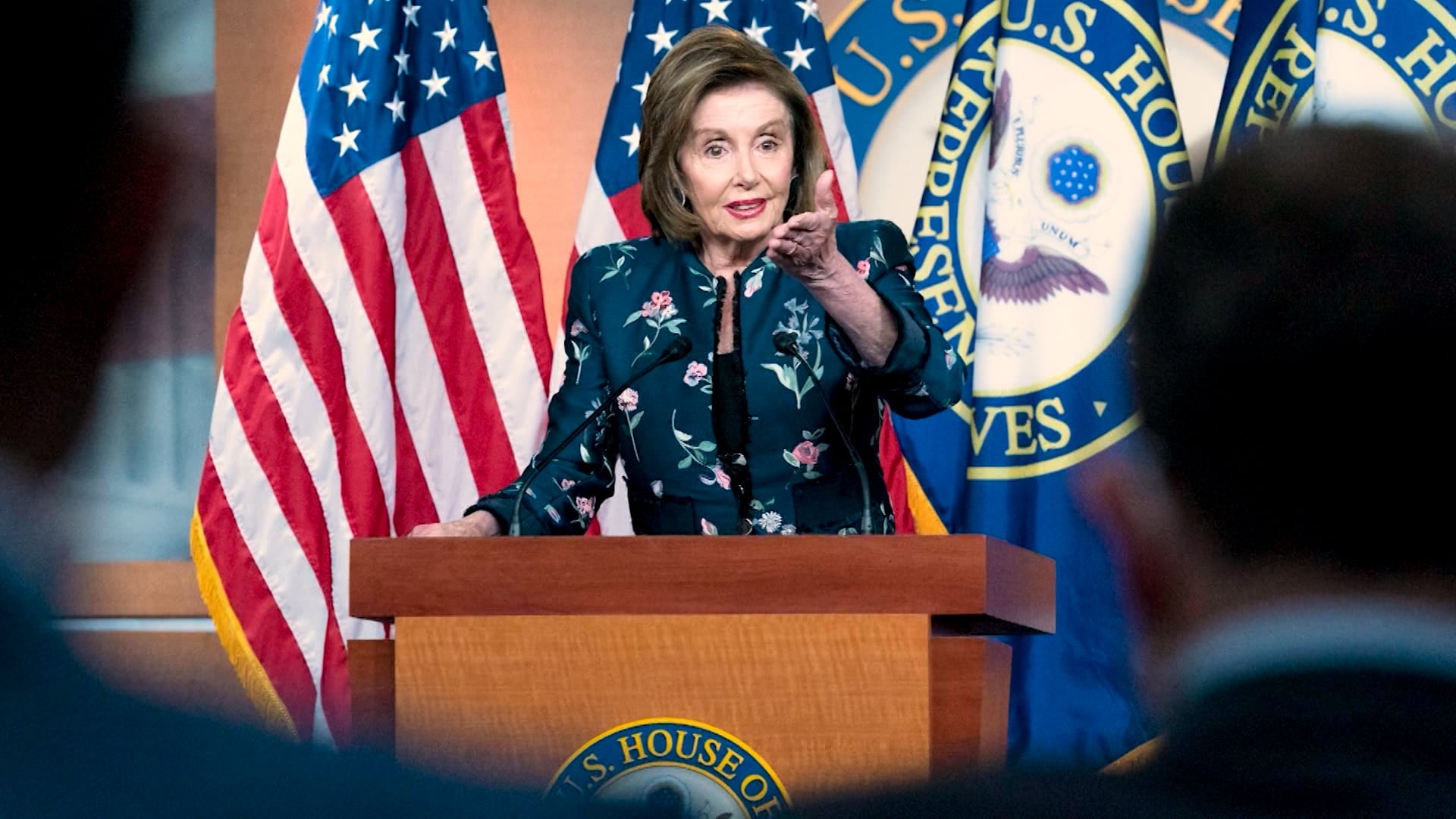
Nancy Pelosi and House Democratic leaders are now planning to amend the stop trading on congressional knowledge act, otherwise known as the 'Stock' Act. This 2012 law governs how members disclose the purchase or sale of stocks and amending it would close a loophole, eliminating the trading of individual stocks by members of congress. Pelosi has consistently opposed a ban on stock trading by lawmakers and congressional staff...so what's changed? Kedric Payne, Vice President of Campaign Legal Center, joins Cheddar News to discuss.
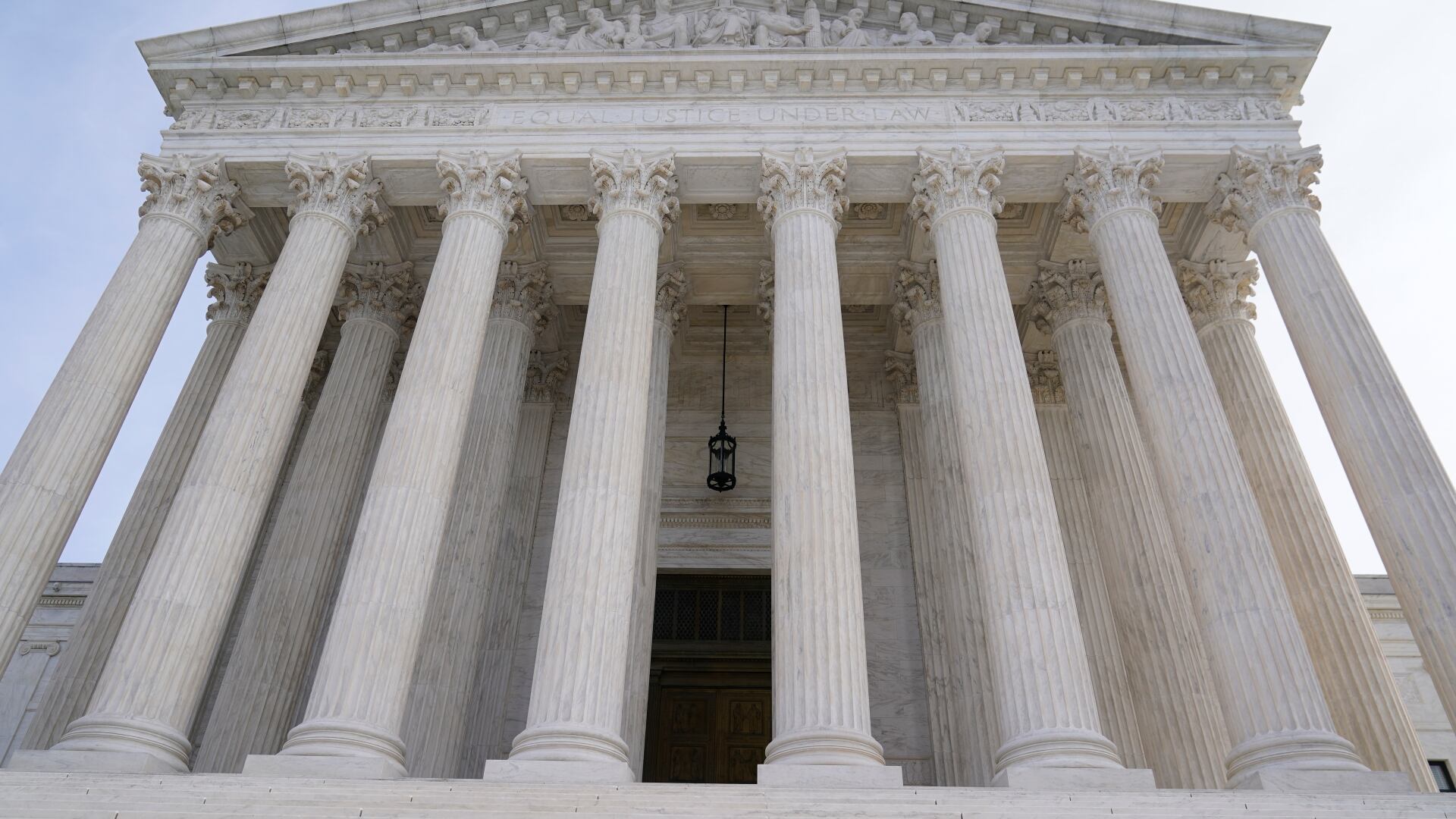
In a 5-4 vote, the U.S. Supreme Court allowed for a controversial new version of the Alabama congressional map to remain in place. The lower court had previously ordered that the state must redraw that congressional map because it violates the Voting Rights Act by diluting the political power of Black voters. Redistricting expert Yurij Rudensky joins Cheddar News to weigh in.