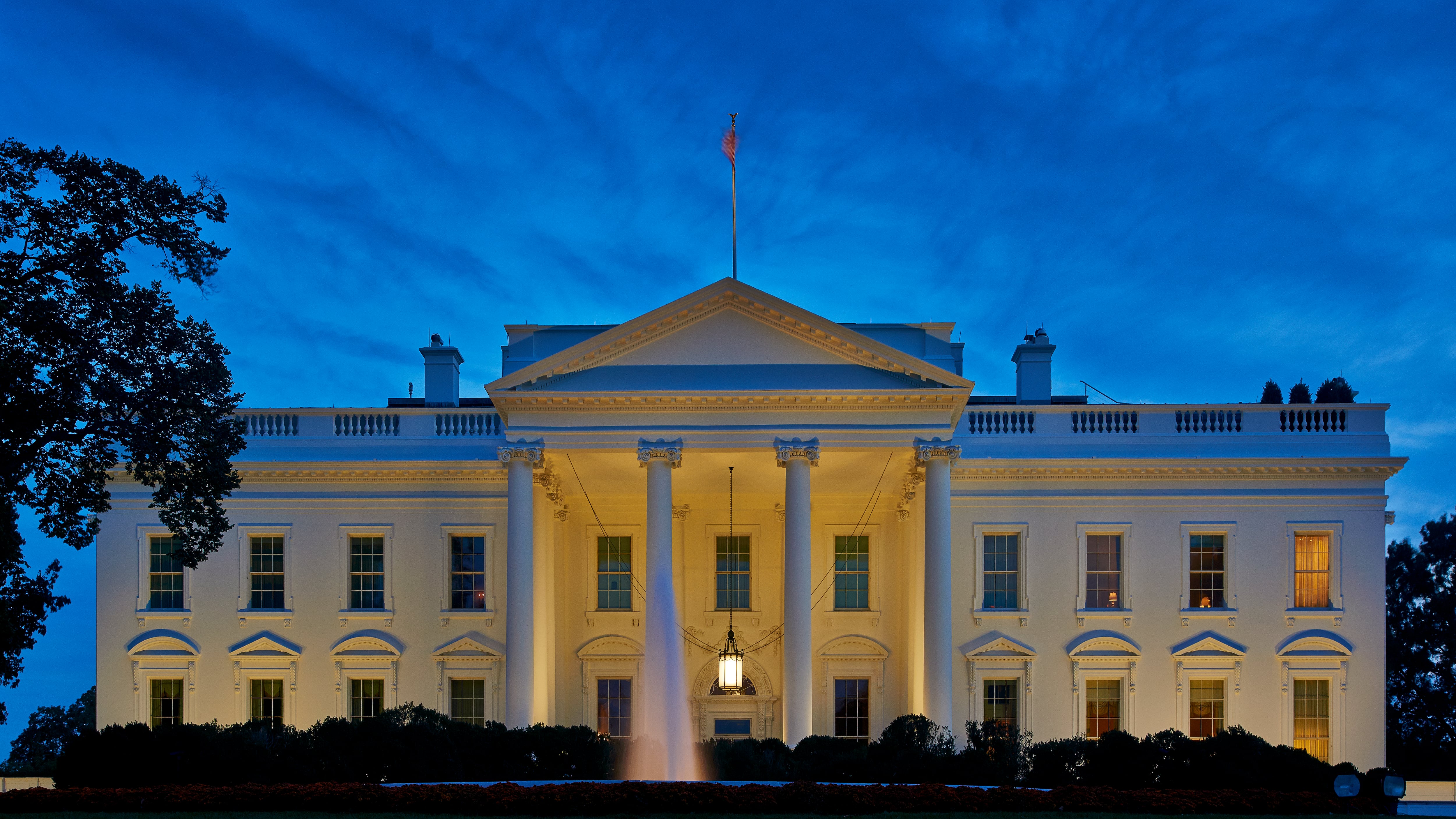
No fingerprints or DNA turned up on the baggie of cocaine found in a lobby at the White House last week despite a sophisticated FBI crime lab analysis, and surveillance footage of the area didn’t identify a suspect, according to a summary of the Secret Service investigation obtained by The Associated Press. There are no leads on who brought the drugs into the building.

U.S. Secret Service agents found the white powder during a routine White House sweep on July 2, in a heavily trafficked West Wing lobby where staff go in and out, and tour groups gather to drop their phones and other belongings.

"Without physical evidence, the investigation will not be able to single out a person of interest from the hundreds of individuals who passed through the vestibule where the cocaine was discovered," Secret Service officials said in the summary.

It's most likely the bag was left behind by one of the hundreds of visitors who traveled in and out of the building over the weekend, according to a person familiar with the investigation who was not authorized to publicly discuss the ongoing probe and spoke to The Associated Press on condition of anonymity.

The presence of cocaine at the White House prompted a flurry of criticism and questions from Republicans, who requested a briefing Thursday on the probe. White House press secretary Karine Jean-Pierre said President Joe Biden believed it was “incredibly important” for the Secret Service to get to the bottom of how the drugs ended up in the White House. The Secret Service is responsible for securing the White House and led the investigation.

Biden wasn’t there at the time of the discovery. He was at Camp David with members of his family for the holiday weekend.

The complex was briefly evacuated as a precaution when the white powder was found. The fire department was called in to test the substance on the spot to determine whether it was hazardous, and the initial test came back negative for a biohazard but positive for cocaine.

The bag was sent for a secondary, more sensitive lab analysis. Homeland Security’s National Biodefense Analysis and Countermeasures Center analyzed the item for any biothreats. Tests conducted at the facility came back negative.

The cocaine and packaging underwent further forensics testing, including advanced fingerprint and DNA work at the FBI's crime laboratory, according to the summary. The FBI also did chemical testing.

Meanwhile, Secret Service investigators put together a list of several hundred individuals who may have accessed the area where the drugs were found. Anyone who comes through the White House must give identifying information and pass through security before entering.

But the lab results didn’t turn up latent fingerprints or DNA, so agents can’t compare anything to the possible suspect pool. White House staff are fingerprinted; participants in tour groups are not.

Video of the West Executive street lobby entrance did not identify the person or provide any solid investigative leads, the Secret Service said.

The lobby is open to staff-led tours of the West Wing, which are scheduled for nonworking hours on the weekends and evenings. Those tours are invitation-only and led by White House staff for friends, family and other guests. Most staffers who work in the complex can request an evening or weekend tour slot, but there is often a long wait list. There were tours on the day, a Sunday, the drugs were found, as well as on the two preceding days.

The Situation Room, where staffers would drop their phones before entering, has been undergoing construction work and was not in use at the time the baggie was found, National Security Adviser Jake Sullivan said last week.


Share:
More In Politics
China's Crackdown on Free Rress
A new report by the Foreign Correspondents Club of China warns that press freedom in the most populous country in the world is declining at an alarming speed. Cheddar News speaks with Steven Butler, Asia Program Coordinator at the Committee to Protect Journalists, about the hardships journalists face in China.
Rep. Nancy Mace Wants Dem Support for Amazon-Backed GOP Cannabis Reform Bill
Rep. Nancy Mace (R-S.C. 1st District) joined Cheddar to discuss her cannabis legalization bill, the States Reform Act, and the prospects for gaining bipartisan support for a bill that has garnered the endorsement of e-commerce giant Amazon. This legislation is supported by businesses large and small, Amazon obviously being the most recent and largest business to support it," Mace said. "They don't want to sell pot. But what it does do is it affects their working employment pool." She stated that 10 percent of eligible new hires for Amazon are affected by restrictive marijuana laws. The representative also explained that the bill leaves equity provisions up to the states rather than mandating them on a federal level.
Lawmakers Call On MTA To Install Doors On Subway Platforms
After a number of tragic subway incidents, the MTA is facing increased pressure to install subway platform screens to help prevent injury or death. However, according to an earlier report from the MTA, installing these prevented measures isn't feasible. New York City Council Member Keith Powers, joined Cheddar to discuss more.
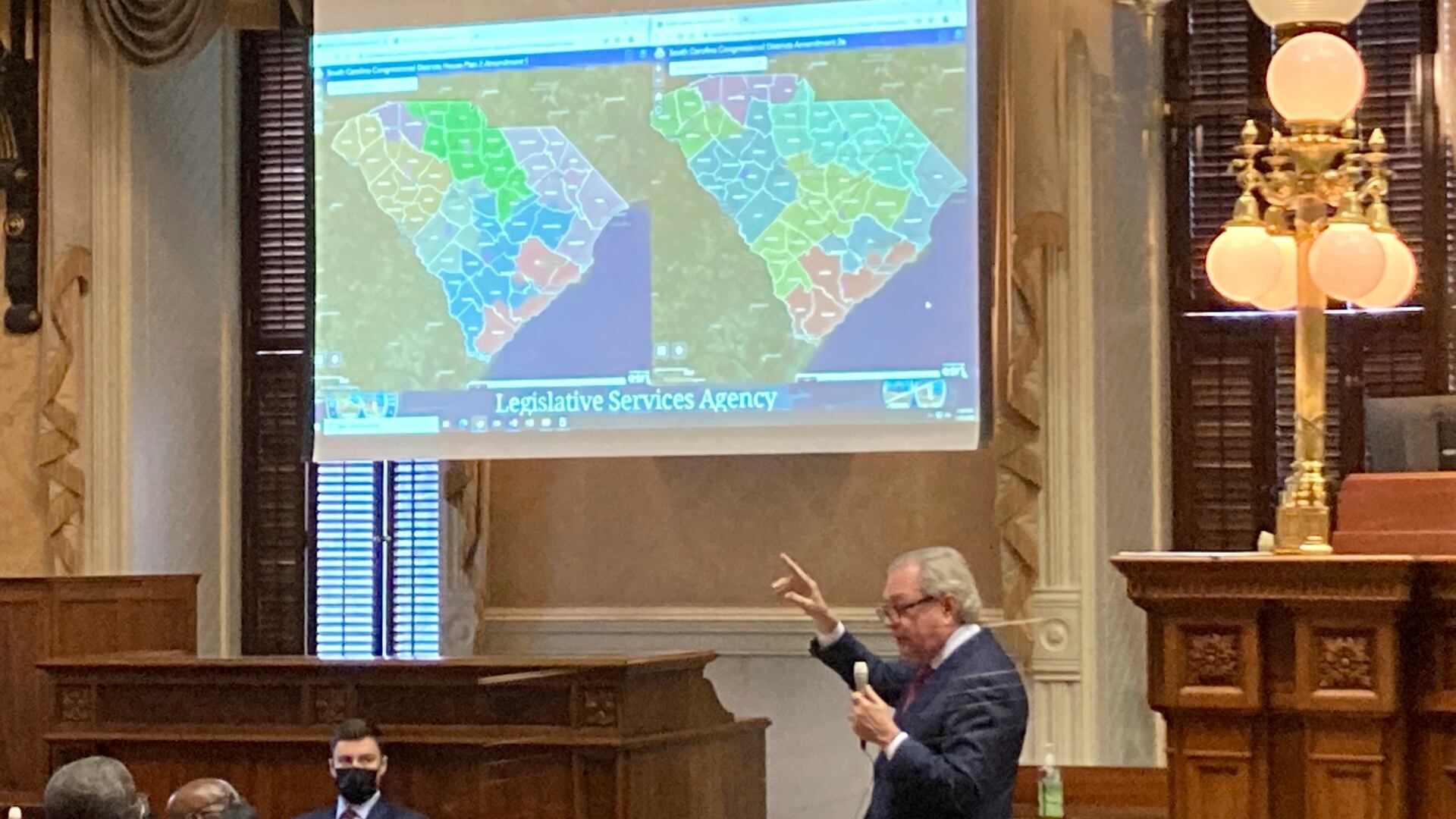
2020 Census Data Shows New Gerrymandering Battle
Across the country, states are working to redraw their congressional lines in what is often known as gerrymandering. These news lines are expected to determine the balance of power between Democrats and Republicans within the next decade. Senior Counsel for the Brennan Center's Democracy Program, Michael Li, joined Cheddar to discuss more.
California To Dismantle Death Row
The state of California is officially planning to close its death row in the next two years. That state's governor Democrat Gavin Newsom says the plan is now to move all condemned inmates to other prisons and turn it into, as he calls it, a positive healing environment. Former U. S. Assistant Attorney and Legal Analyst, David Katz, joined Cheddar to discuss more.
Stocks Close Near Session Highs to Begin February
Anthony Saccaro, Founder and President of Providence Financial, joins Cheddar News' Closing Bell, where he elaborates on why he is excited that the market is beginning to rebound and believes February has the potential to be a good month after a turbulent January.
Congressional Democrats Demand Answers From Crypto Miners Over Environmental Impact
Cryptocurrency is expected to become a part of our daily lives — but what sort of environmental impact does it have? As the U.S. becomes the crypto mining capital of the world, climate advocates are worried about mining companies reopening old coal plants, using massive amounts of energy, wasteful hardware, and more. Congressional Democrats led by Senator Elizabeth Warren are demanding answers from mining firms about their electricity use and waste levels. John Belizaire, CEO of Soluna Computing, joins Cheddar Climate to discuss the congressional letters, how crypto mining can become a green industry, and more.
Supreme Court To Hear Challenge To Affirmative Action
The Supreme Court will reconsider race-based affirmative action in college admissions. The court will examine admissions policies at Harvard University and The University of North Carolina Chapel Hill, which count the race of applicants as a factor in admissions. The court has upheld affirmative action policies in the past, saying it helps to create more diverse student bodies. However, the conservative Supreme Court could be skeptical and even possibly hostile to such policies. Nick Anderson, Higher Education Writer, Washington Post joined Cheddar's Opening Bell to discuss.
Load More