Credit: Image by Erik Pronske Photography via Getty Images
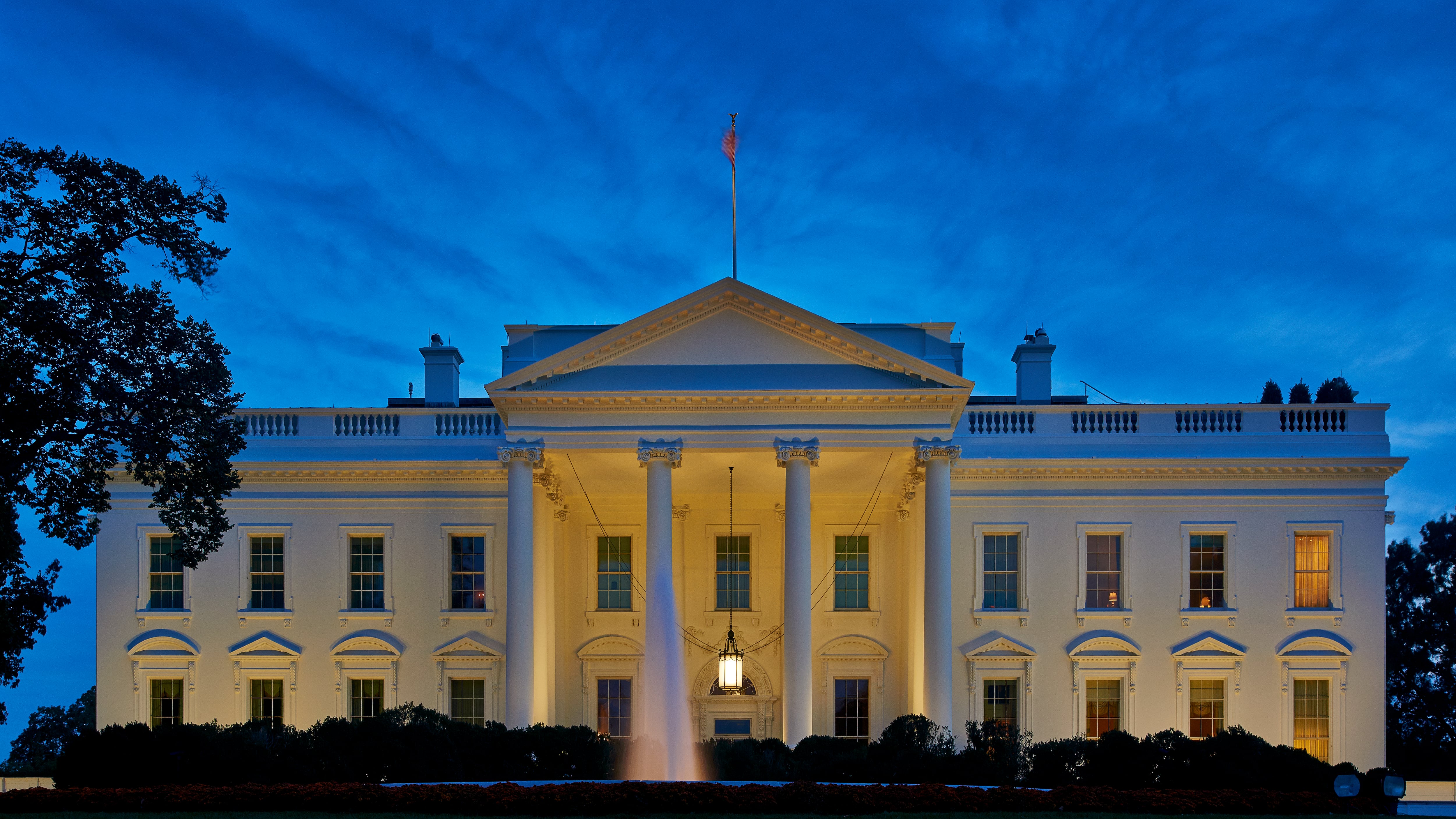
No fingerprints or DNA turned up on the baggie of cocaine found in a lobby at the White House last week despite a sophisticated FBI crime lab analysis, and surveillance footage of the area didn’t identify a suspect, according to a summary of the Secret Service investigation obtained by The Associated Press. There are no leads on who brought the drugs into the building.
U.S. Secret Service agents found the white powder during a routine White House sweep on July 2, in a heavily trafficked West Wing lobby where staff go in and out, and tour groups gather to drop their phones and other belongings.
"Without physical evidence, the investigation will not be able to single out a person of interest from the hundreds of individuals who passed through the vestibule where the cocaine was discovered," Secret Service officials said in the summary.
It's most likely the bag was left behind by one of the hundreds of visitors who traveled in and out of the building over the weekend, according to a person familiar with the investigation who was not authorized to publicly discuss the ongoing probe and spoke to The Associated Press on condition of anonymity.
The presence of cocaine at the White House prompted a flurry of criticism and questions from Republicans, who requested a briefing Thursday on the probe. White House press secretary Karine Jean-Pierre said President Joe Biden believed it was “incredibly important” for the Secret Service to get to the bottom of how the drugs ended up in the White House. The Secret Service is responsible for securing the White House and led the investigation.
Biden wasn’t there at the time of the discovery. He was at Camp David with members of his family for the holiday weekend.
The complex was briefly evacuated as a precaution when the white powder was found. The fire department was called in to test the substance on the spot to determine whether it was hazardous, and the initial test came back negative for a biohazard but positive for cocaine.
The bag was sent for a secondary, more sensitive lab analysis. Homeland Security’s National Biodefense Analysis and Countermeasures Center analyzed the item for any biothreats. Tests conducted at the facility came back negative.
The cocaine and packaging underwent further forensics testing, including advanced fingerprint and DNA work at the FBI's crime laboratory, according to the summary. The FBI also did chemical testing.
Meanwhile, Secret Service investigators put together a list of several hundred individuals who may have accessed the area where the drugs were found. Anyone who comes through the White House must give identifying information and pass through security before entering.
But the lab results didn’t turn up latent fingerprints or DNA, so agents can’t compare anything to the possible suspect pool. White House staff are fingerprinted; participants in tour groups are not.
Video of the West Executive street lobby entrance did not identify the person or provide any solid investigative leads, the Secret Service said.
The lobby is open to staff-led tours of the West Wing, which are scheduled for nonworking hours on the weekends and evenings. Those tours are invitation-only and led by White House staff for friends, family and other guests. Most staffers who work in the complex can request an evening or weekend tour slot, but there is often a long wait list. There were tours on the day, a Sunday, the drugs were found, as well as on the two preceding days.
The Situation Room, where staffers would drop their phones before entering, has been undergoing construction work and was not in use at the time the baggie was found, National Security Adviser Jake Sullivan said last week.
Tensions in Ukraine continue to rise. According to NATO and U.S. officials, Russian troops are still being built up despite Moscow's claims of de-escalation. However, Ukraine does not believe the troops are enough to mount an invasion. The government in Kyiv has also reported several cyber attacks against its defense agencies and banks which is the largest attack in the country's history. Foreign Affairs Reporter based in Ukrain, Terrell Starr, joined Cheddar to discuss more
A Senate bill unveiled on Wednesday looks to tackleonline safety for children by regulating Big Tech and social media platforms to deter users from content that can harm their mental health. Irene Ly, a policy counsel for the age-based ratings and review organization Common Sense Media, joined Cheddar News to break down the potential of the Kids Online Safety Act. "We can't be imposing such a big burden on parents to be doing it all on theirselves," Ly said. "I think you also have to keep in mind that parents often didn't grow up with social media, so they don't understand what it's like to be addicted to social media or really understand how they work."
The Federal Reserve minutes from its January meeting are indicating it's sticking to an interest rate hike in March, but what does the report coupled with ongoing inflation mean for investors going forward? Scott Brown, a market strategist at LPL Financial, joined Cheddar News to break down the minutes and talk about how investors might navigate the rest of the year. "it seems like the market is kind of inclined to trade off these headlines, really, through the first half of the year," he said. "And then, oh, don't forget, we've got midterm elections, which always tend to add a little bit of volatility in the second half of the year." Brown noted that the path forward for stock investors in 2022 would be "rockier" than last year.
Senators Richard Blumenthal (D-Conn.) and Marsha Blackburn (R-Tenn.) have introduced a new bill to afford greater protection to minors on social media. The genesis of the Kids Online Safety Act came from a Facebook whistleblower case exposing the harm apps can have on the mental health of young girls.
The Chinese government brought the sitcom "Friends" back to its streaming services. However, it had instances of LGBTQ+ references left out, after the series had been banned on Chinese streaming platforms for years.
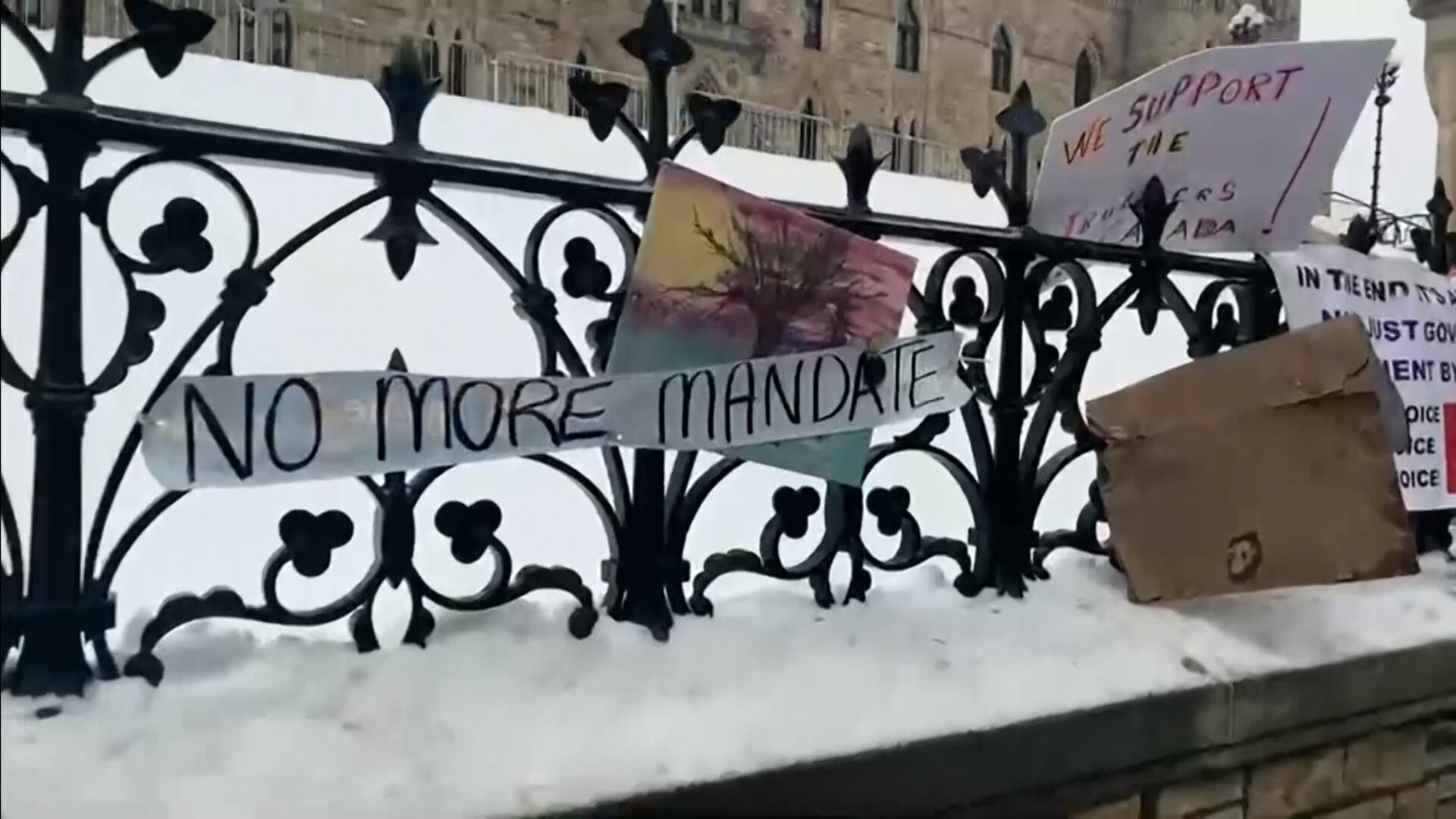
Prime Minister Justin Trudeau declared a national public order emergency as a 'last resort' to restore order after protests have significantly disrupted daily life and impacted the local economy since the protests began. It is the first time in 50 years a Canadian government has taken this type of action. Myah Ward, breaking news reporter at Politico, joins Cheddar News to discuss.
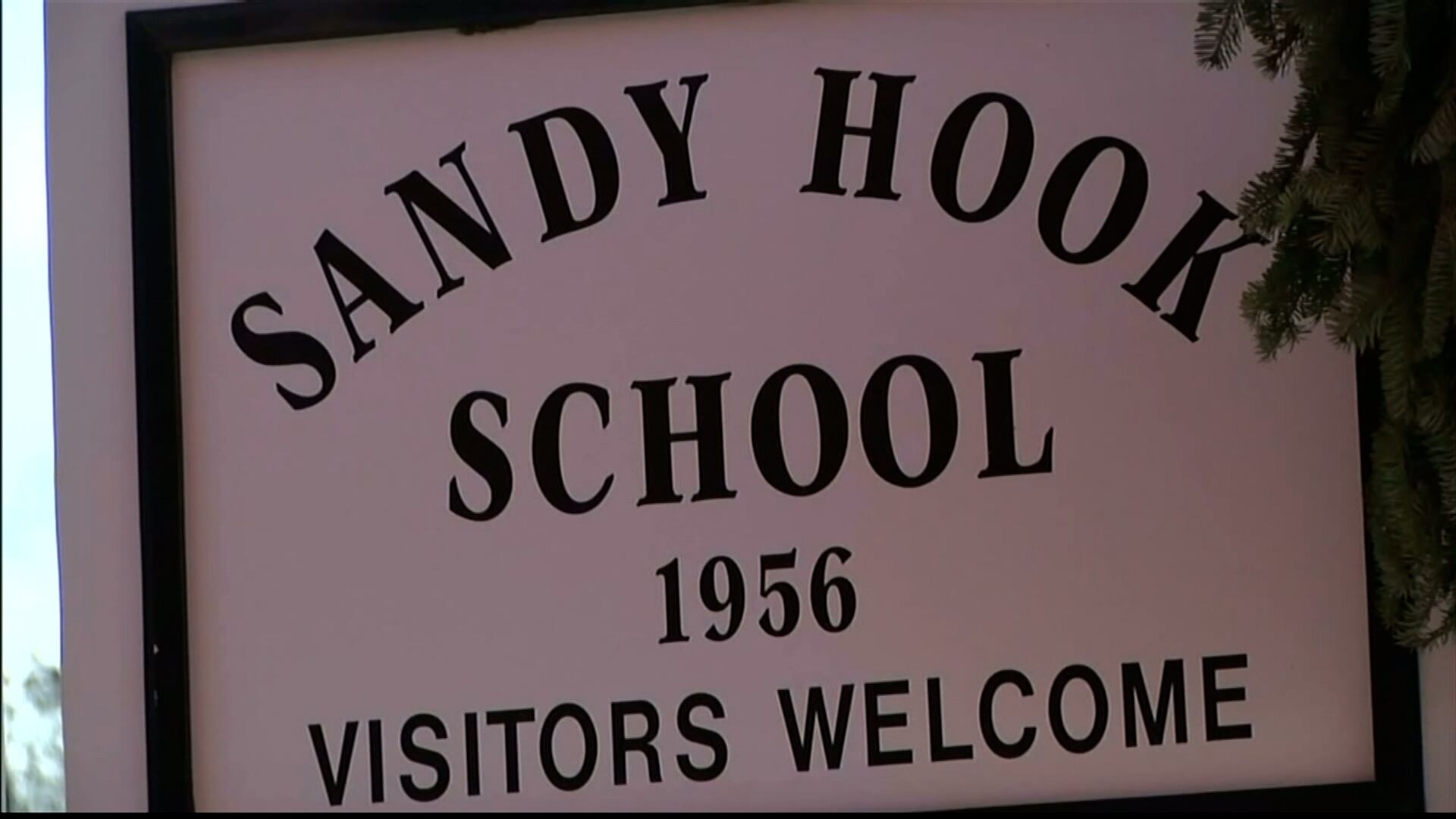
Almost a decade after facing a parent's worst nightmare, the families of the young students killed in the Sandy Hook School shooting reached a settlement with gun manufacturer Remington, makers of the Bushmaster AR-15 used in the crime. David Pucino, deputy chief counsel, Giffords Law Center to Prevent Gun Violence joined Cheddar News to discuss the families' case and how its strategy brought about the legal settlement. "They built a really great case showing the way that Bushmaster developed its advertising to drive sales using those toxic messages.
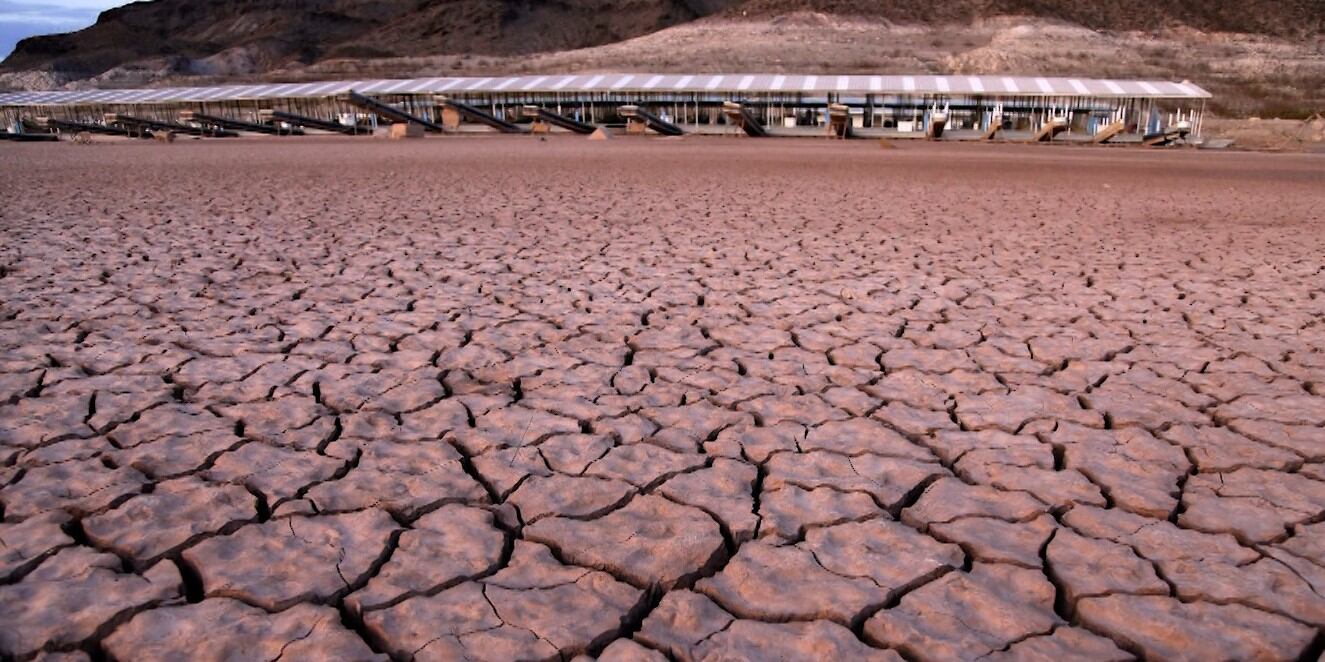
A new analysis reveals that for more than two decades, the West has been the driest it has ever been since 800 A.D. The drought which began in 2000 has brought more devastating wildfires and draining water reserves well below healthy levels. Climate Scientists and Adjunct Associate Research Scientist at Lamont Doherty Earth Observatory at Columbia University,Benjamin Cook, joined Cheddar to discuss more.