Supreme Court Upholds Trump's Travel Ban on Muslim Countries
*By Alisha Haridasani*
The Supreme Court on Tuesday upheld President Trump’s temporary ban on immigrants and refugees from several mostly Muslim countries, rejecting the arguments that the policy went beyond presidential powers and discriminated against one religion.
“The president has lawfully exercised the broad discretion granted to him,” said Chief Justice John Roberts, [writing](http://cdn.cnn.com/cnn/2018/images/06/26/travel.ban.pdf) for the majority.
The 5-4 ruling fell along partisan lines, and the difference between the two sides fundamentally boiled down to a close reading of the Constitution as it applied to the travel policy versus a broader approach to the case.
"Certainly the conservative block of the Supreme Court was looking very narrowly at the president's power," said Joe Williams, senior news editor at U.S. News. "The opposing side was looking more at whether or not this was the right thing to do."
The justices who dissented pointed to Trump's campaign promise to ban Muslims from entering the U.S. as potentially motivating the policy, in which case it would be unlawful.
“The United States of America is a nation built upon the promise of religious liberty,” wrote Justice Sonia Sotomayor in a strongly-worded dissent. “The court’s decision today fails to safeguard that principle.”
Judge Sotomayor even went so far as to compare Trump's policy to the internment of Japanese people during the second World War.
But the majority of conservative judges concluded that the president's campaign rhetoric was irrelevant and didn't negate his right to determine immigration policies.
The president responded jubilantly, describing the ruling as “a tremendous victory for the American people and for our Constitution.”
Trump, in one of his first acts as commander-in-chief, signed an executive order last year that banned travel from Iraq, Syria, Iran, Libya, Somalia, Sudan, and Yemen for national security reasons. The policy, which many opponents perceived as thinly veiled religious bias, set off a national backlash and widespread protests.
After two lower courts decided that the policy was both unconstitutional and [unlikely to protect the country](https://www.cnn.com/2017/02/09/politics/travel-ban-9th-circuit-ruling-full-text/index.html) from terrorism, the administration drew up a version that excluded Iraq and Sudan, added Chad, Venezuela, and North Korea, and contained waivers for green card holders or students. It didn't single out any religion in the text.
A federal judge in Hawaii halted the implementation of that modified policy nationwide in October, and the Supreme Court ruling is related to that ruling.
In December, the Supreme Court allowed the current version of the ban, weakened from its controversial initial form, to take effect while the case worked its way through the legal system.
For the full segment, [click here.](https://cheddar.com/videos/scotus-upholds-trumps-travel-ban-2)
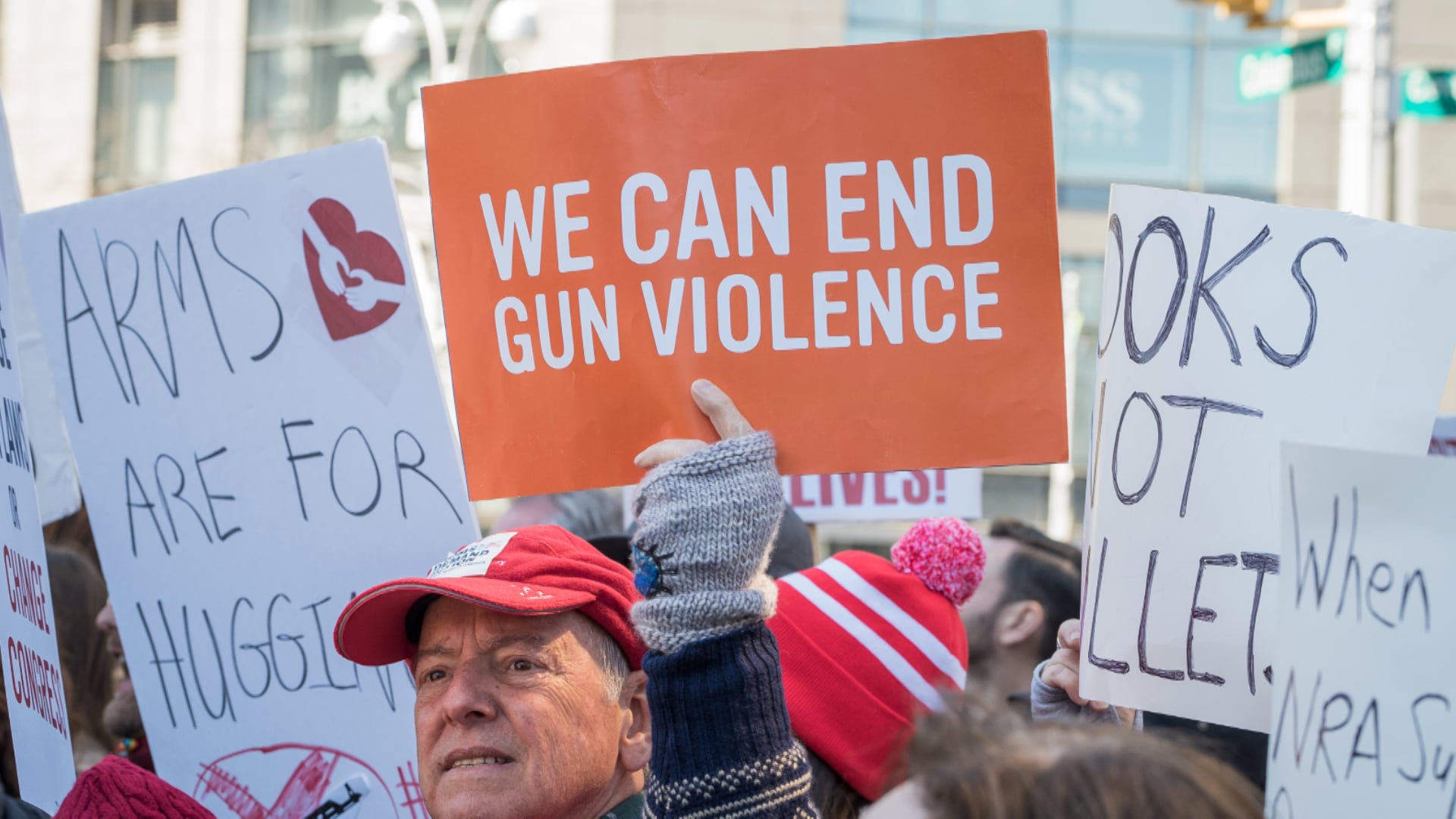
The House has passed some of the most aggressive gun-control measures in years, including raising the minimum age to buy semi-automatic rifles from 18 to 21 and banning high-capacity magazines. Daniel Webster, Co-Director of the Center for Gun Violence Solutions, explains why this legislation has little chance to pass in the Senate, and what else can be done to curb gun violence in this country.
We are already starting to feel the effects of summer. Heat waves in Texas and California are already sending temperatures soaring. That could spell trouble for the nation's power supply. there are new concerns about outages in many areas of the country. Cheddar's Shannon Lanier explains the two main causes of blackouts, and what states are doing to keep the lights on and the air conditioning running.
If you have been on the road this past year, you've probably seen more accidents on the road than you ever have. You're not wrong. Traffic fatalities are not only increasing they are hitting historic highs. Almost 43,000 people died in motor vehicle accidents in 2021. Cheddar's Shannon Lanier investigates - and finds out why.
U.S. stocks close Tuesday at session highs after a subpar start to the trading day. Tim Chubb, Chief Investment Officer at the wealth advisory firm, Girard, joins Cheddar News' Closing Bell to discuss. 'We're starting to see the moderation of three core things -- we've seen the moderation of prices, we've seen the moderation of wage growth we've seen in the labor market, and we've also seen a moderation of job openings,' he says.
Catching you up on the stories you need to know this morning, mass shooting victims testify on Capitol Hill, the White House outlines its plan to vaccinate kids younger than five years old, and we break down how to protect yourself from monkeypox.
A lot has changed since the pandemic began back in march 2020. COVID-19 caused a huge disruption in the U.S. labor force that is just beginning to normalize. As of last month, about 96% of jobs lost in the pandemic have returned. Still, where people work now looks very different from two years ago. Cheddar's Shannon Lanier looks at where the jobs are now and where they aren't.
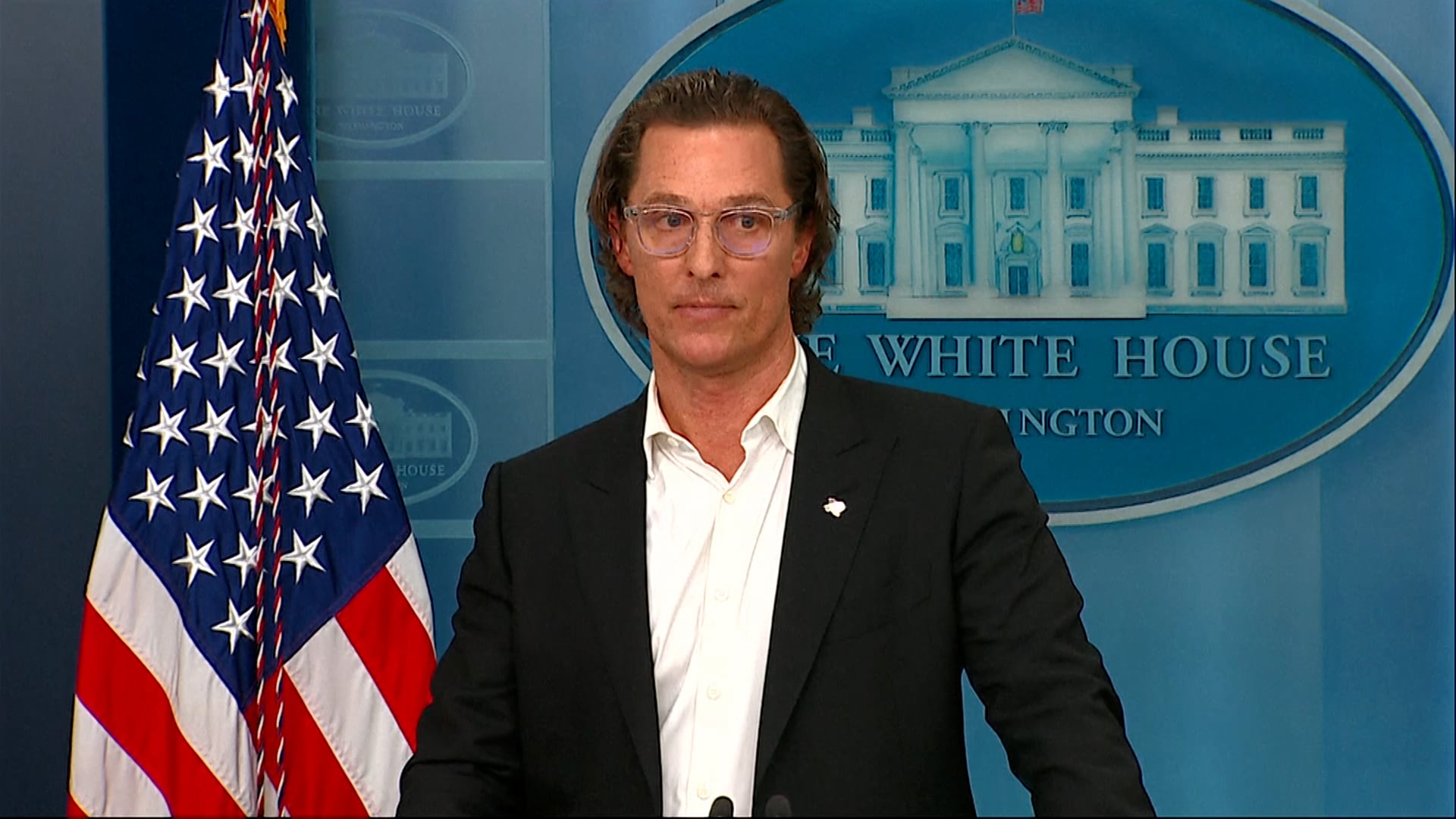
Getting you caught up on the stories you need to know this morning: Matthew McConaughey lends his voice to the gun control fight in congress, at least 30 people were injured in Germany after a car plows into a crowd, and a new weight loss drug shows promising results.
Michelle Bond, CEO of the Association for Digital Asset Markets, joins Closing Bell, where she breaks down the Responsible Financial Innovation Act, which would not only establish a regulatory structure for digital assets, but hand over crypto oversight to the CFTC instead of the SEC.
Sarah Warbelow, legal director for Human Rights Campaign, joins Cheddar News to discuss why advocates want to overturn the FDA's rule restricting gay and bisexual men from donating blood.