Scientific American Talks The Rise of Cryptocurrency
Jen Schwartz, senior editor and blockchain expert at Scientific American, talks the magazine's latest articles on the rise of Bitcoin and what impact cryptocurrencies may have on our future.
Schwartz digs into how what people currently love about cryptocurrency could be seen as a threat in the future. One of the positives of cryptocurrency is its lack of centralization and regulation. But if entire countries begin to use it as their national currency, everything citizens purchase will be seen by the government.
Schwartz digs into some of the biggest questions around the rise of Bitcoin today - how will it benefit everyday people in the long-term? What happens if the bubble bursts, and what will that do for investor trust in cryptocurrency?
Schwartz gives her advice for people looking to possibly invest in Bitcoin, adding that if you are not concerned with losing money and you're looking to experiment, make the investment. If risk is a big concern for you, investing in crypto right now may not be the right move.
iFit CEO Kevin Duffy shares how the company is bringing artificial intelligence-powered workouts to consumers, plus other fitness trends to be on the lookout for in 2024.
Macy’s is rejecting a $5.8 billion takeover offer from investment firms Arkhouse Management and Brigade Capital Management, saying they didn’t provide a viable financing plan. The firms offered $21 per share for the stock they don’t already own.
Sports Illustrated's employee union said in a statement that the layoffs would be a significant number and possibly all, of the NewsGuild workers represented.
CEO and founder of Pinstripes Dale Schwartz shares his thoughts on taking the company public, why they're set for growth this year, and why he's not concerned about inflation weighing on the restaurant sector.
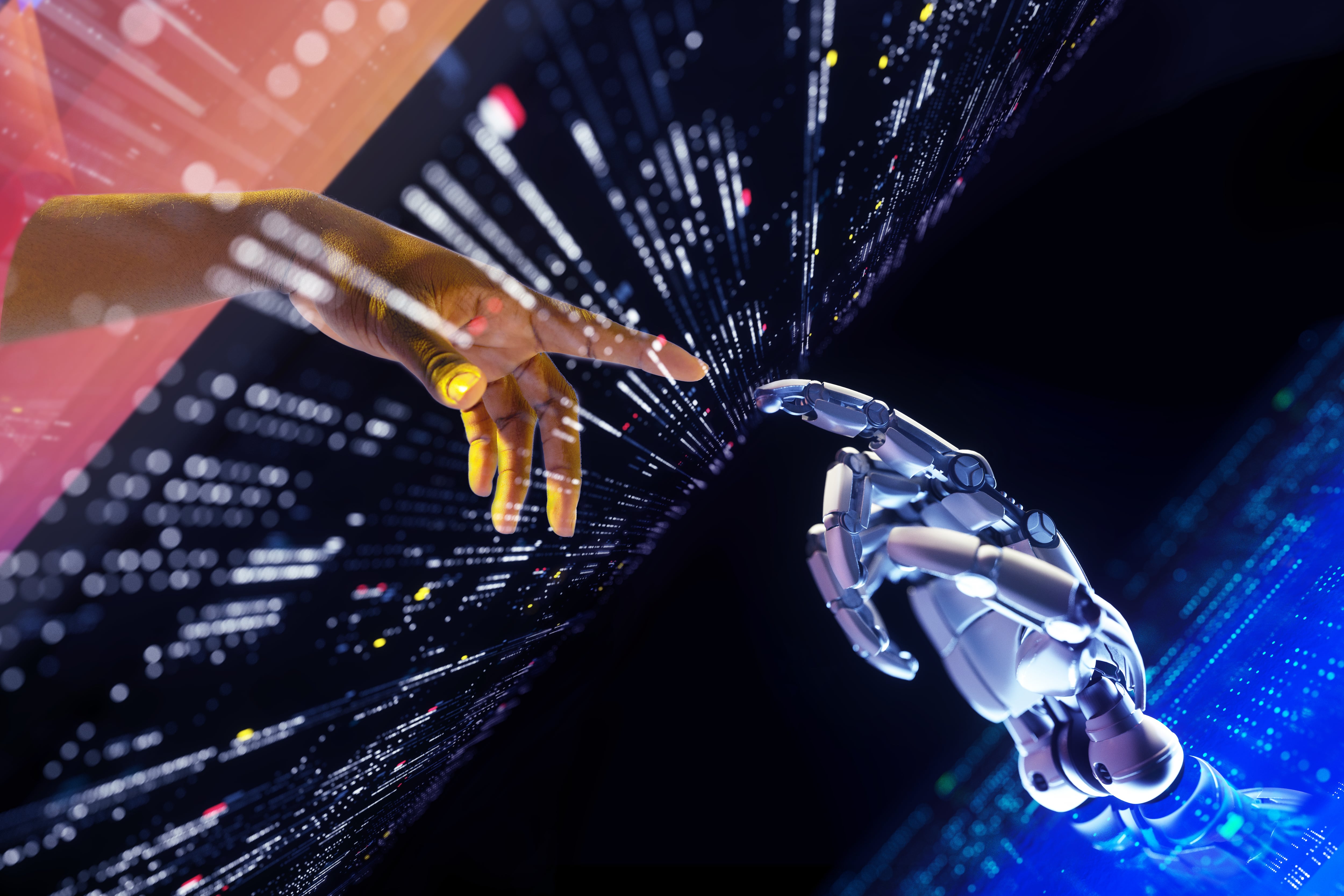
With hype continuing to build for A.I. projects, expert insight on what companies seem poised to benefit, plus how it will impact the lives of everyday consumers.
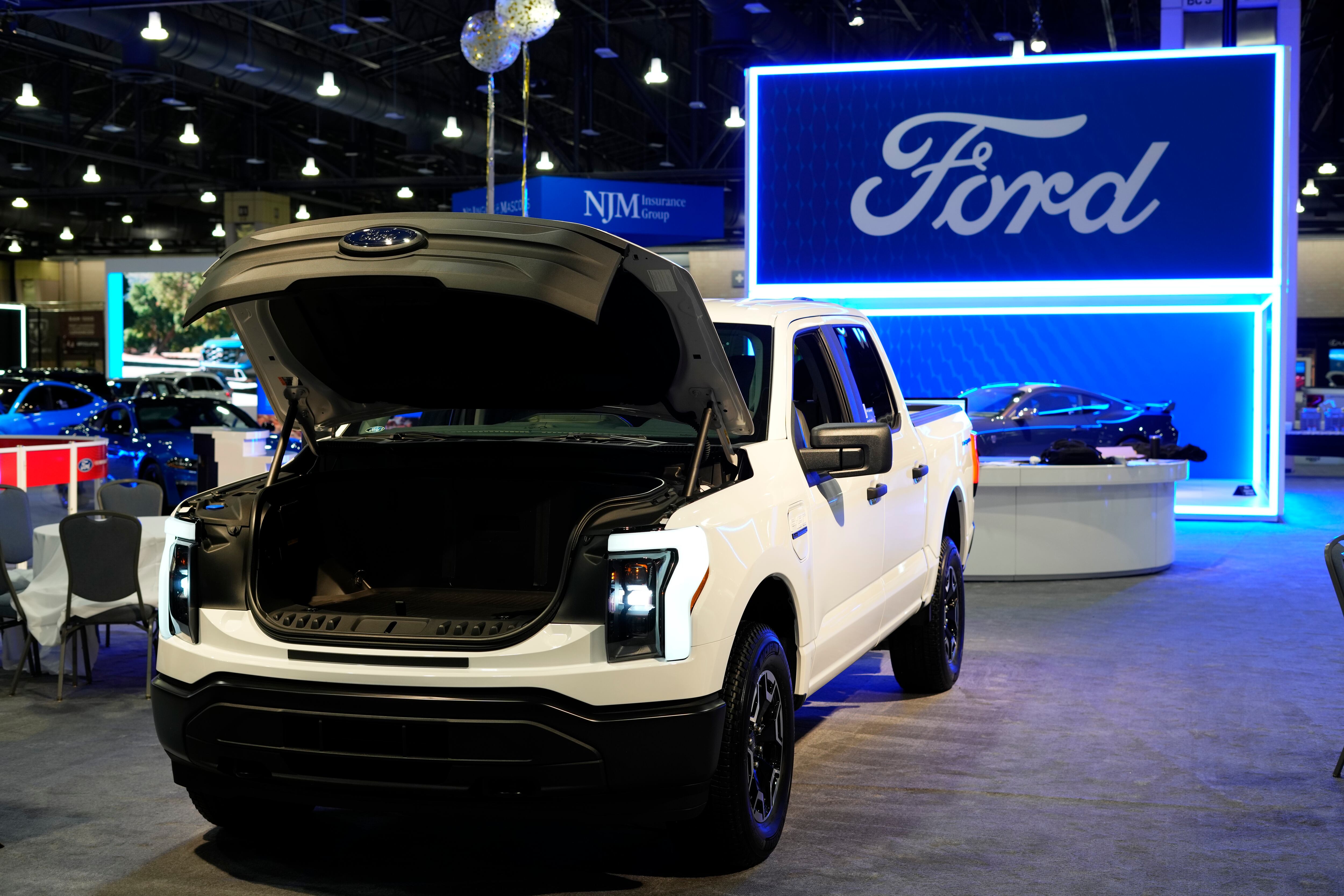
Ford says it’s reducing production of the F-150 Lightning electric pickup vehicle as it adjusts to weaker-than-expected electric vehicle sales growth. The automaker said about 1,400 workers will be impacted by the move.