Scientific American Talks The Rise of Cryptocurrency
Jen Schwartz, senior editor and blockchain expert at Scientific American, talks the magazine's latest articles on the rise of Bitcoin and what impact cryptocurrencies may have on our future.
Schwartz digs into how what people currently love about cryptocurrency could be seen as a threat in the future. One of the positives of cryptocurrency is its lack of centralization and regulation. But if entire countries begin to use it as their national currency, everything citizens purchase will be seen by the government.
Schwartz digs into some of the biggest questions around the rise of Bitcoin today - how will it benefit everyday people in the long-term? What happens if the bubble bursts, and what will that do for investor trust in cryptocurrency?
Schwartz gives her advice for people looking to possibly invest in Bitcoin, adding that if you are not concerned with losing money and you're looking to experiment, make the investment. If risk is a big concern for you, investing in crypto right now may not be the right move.
Scott Gutz, CEO of Monster.com breaks down the company’s Work Watch Report for 2024, including what’s motivating workers to look for new positions and why they should see A.I. as an opportunity.
Tom Graff, Chief Investment Officer, Facet, discusses what the latest jobs report says about this ‘pretty good’ labor market and why the market should worry less about the Fed’s next decision.
Universal Music Group, which represents artists including Taylor Swift, Drake, and Ariana Grande, has removed its music from TikTok and accused the app of bullying and intimidation.
The average rate on a 30-year mortgage fell 0.06% last week. Although the rate is much higher than it was two years ago, the decline could relieve buyers already dealing with low inventory and high prices.
As millions of Americans are set to retire, John Carter, President & COO of Nationwide Financial, shares what to expect and how consumers of all ages can better prepare for their golden years.
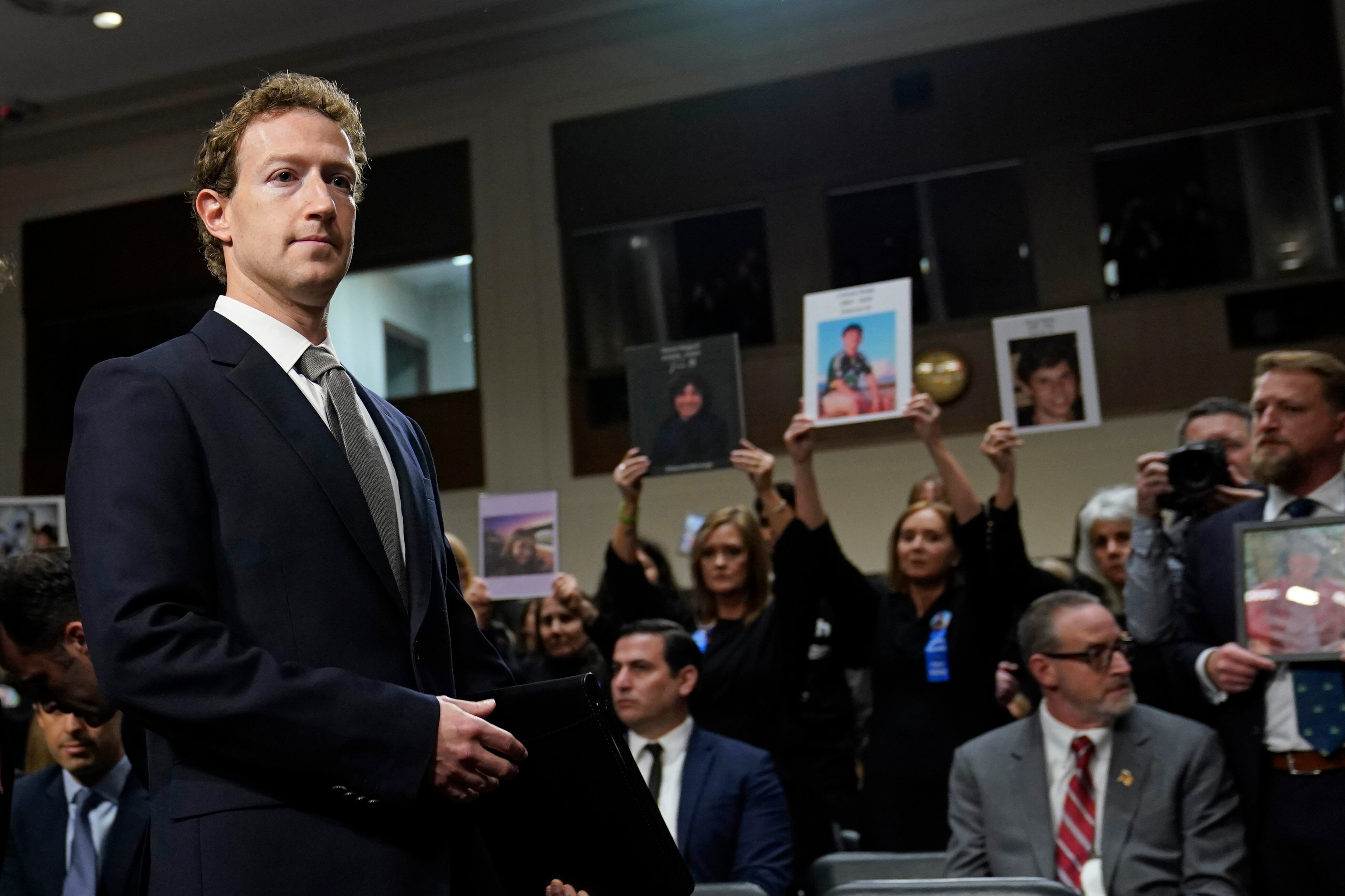
The heated hearing began with recorded testimony from kids and parents talking about being exploited on social media. Throughout the hours-long event, parents who lost children to suicide silently held up pictures of their dead kids.