The head of Russia's space agency said Monday that the Luna-25 spacecraft crashed into the moon after its engines failed to shut down correctly, and he blamed the country's decades-long pause in lunar exploration for the mishap.
The pilotless Luna-25 had been scheduled to land Monday while aiming to become the first spacecraft to touch down on the south pole of the moon, an area where scientists believe important reserves of frozen water and precious elements may exist.
Roscosmos Director General Yury Borisov said the spacecraft's engines were turned on over the weekend to put Luna-25 into a “pre-landing orbit" but did not shut down properly, plunging the lander onto the moon.
“Instead of the planned 84 seconds, it worked for 127 seconds. This was the main reason for the emergency,” Borisov told Russian state news channel Russia 24.
Roscosmos had contact with the spacecraft until 2:57 p.m. local time Saturday, when communication was lost and “the device passed into an open lunar orbit and crashed into the surface of the moon,” he said.
The lunar mission was Russia’s first since 1976, when it was part of the Soviet Union. Only three countries have managed successful moon landings: the Soviet Union, the United States and China.
“The negative experience of interrupting the lunar program for almost 50 years is the main reason for the failures,” Borisov said, adding “it would be the worst decision ever” for Russia to end the program now.
The Luna-25 was in a race with an Indian spacecraft launched on July 14 to be the first to reach the south pole. Both were expected to reach the moon between Aug. 21 and Aug. 23.
A previous Indian attempt to land at the moon's south pole in 2019 ended when the spacecraft crashed into the moon’s surface.
Luna-25 launched from the Vostochny Cosmodrome in Russia’s Far East on Aug. 10. The spaceport is a pet project of Russian President Vladimir Putin and key to his efforts to make Russia a space superpower.
Before the launch, Roscosmos said it wanted to show Russia “is a state capable of delivering a payload to the moon,” and “ensure Russia’s guaranteed access to the moon’s surface.”
Following the crash, the Russian space agency said the moon mission was about ensuring long-term “defense capability” as well as “technological sovereignty.”
“The race to develop the moon's natural resources has begun,” Borisov said Monday. “In the future, the moon will become an ideal platform for the exploration of deep space.”
Sanctions imposed on Russia since it launched a war in Ukraine nearly 18 months ago have affected its space program, making it more difficult to access Western technology.
The Luna-25 was initially meant to carry a small moon rover, but the idea was abandoned to reduce the weight of the craft for improved reliability, analysts said.
The lunar south pole is of particular interest to scientists, who believe the permanently shadowed polar craters may contain frozen water in the rocks that future explorers could transform into air and rocket fuel.
The U.S. Securities and Exchange Commission Monday laid out a proposal that would require businesses to disclose the emissions they produce. Kathleen Rogers, CEO & President at EARTHDAY.ORG, joined Cheddar News to break down the implications of this historic step.
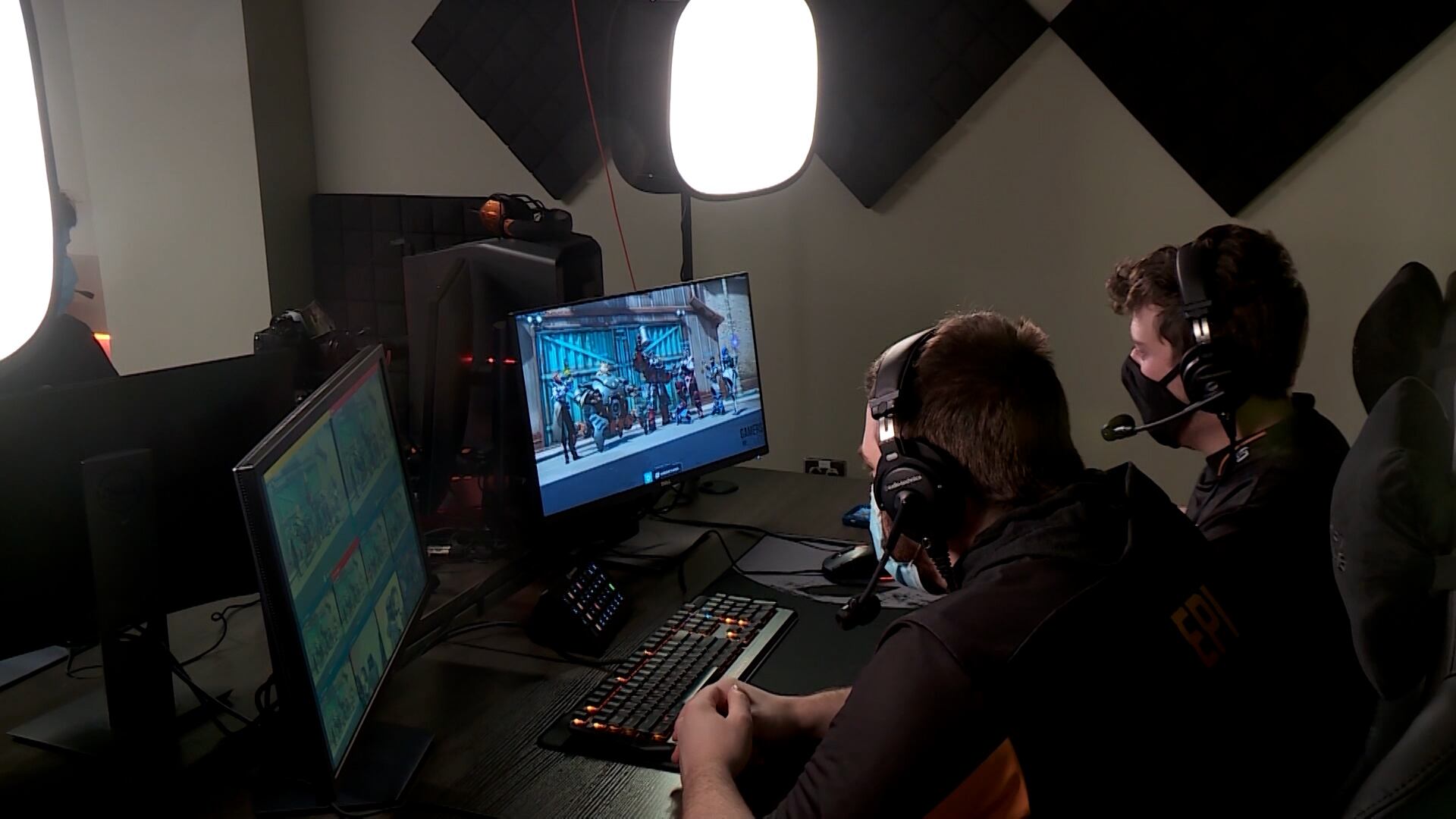
Deepwell Digital Therapeutics is a game development company looking to transform the way we look at video games — this time to improve health outcomes. Its goal is to create software to aid those who deal with conditions such as depression and ADHD. Company co-founder and co-CEO Ryan Douglas and co-founder Kate Edwards joined Cheddar News to talk about the technology is being used to help patients. "From a research perspective, the game industry itself has been well aware for many, many years of the kind of inherent, kind of anecdotal therapeutic value of playing games," said Edwards.
Catching you up on what you Need to Know on Mar 21, 2022, with updates on the Russian invasion in Ukraine, a Boeing 737-800 plane carrying 132 people crashed in China, Canadian Pacific rail workers on strike, another possible COVID surge, and the SEC's new climate rules for businesses.
The Bill Gates-founded Breakthrough Energy company invested $80 million in Verdox Inc. to facilitate efficient, lower-cost technolog to remove carbon from the air and emission sources. CEO of Verdox, Brian Baynes, joined Cheddar News to discuss the investment, how the company's tech works, and where he sees it going. "We anticipate that with technologies like ours, we potentially can get to the scale of about a million tons per year within 5-10 years," he said. "And then ultimately we need to be doing this at the scales of billions of tons per year and ultimately about 10 billion tons per year in the year 2050."
As the Russia's invasion of Ukraine continues, medical experts are worried conditions in active warzones will exacerbate the current pandemic — or even give rise to other contagions. Dr. Daniel Fagbuyi, a war veteran and former Obama administration biodefense appointee, joined Cheddar News to discuss the ongoing danger of COVID-19 on top of the war, as well as the potential for new variants to emerge. "I mean just large volumes of people definitely is a breeding ground. That's the worst case," he said. "Two things don't mix: war-conflict and a virus, a potential pandemic virus."
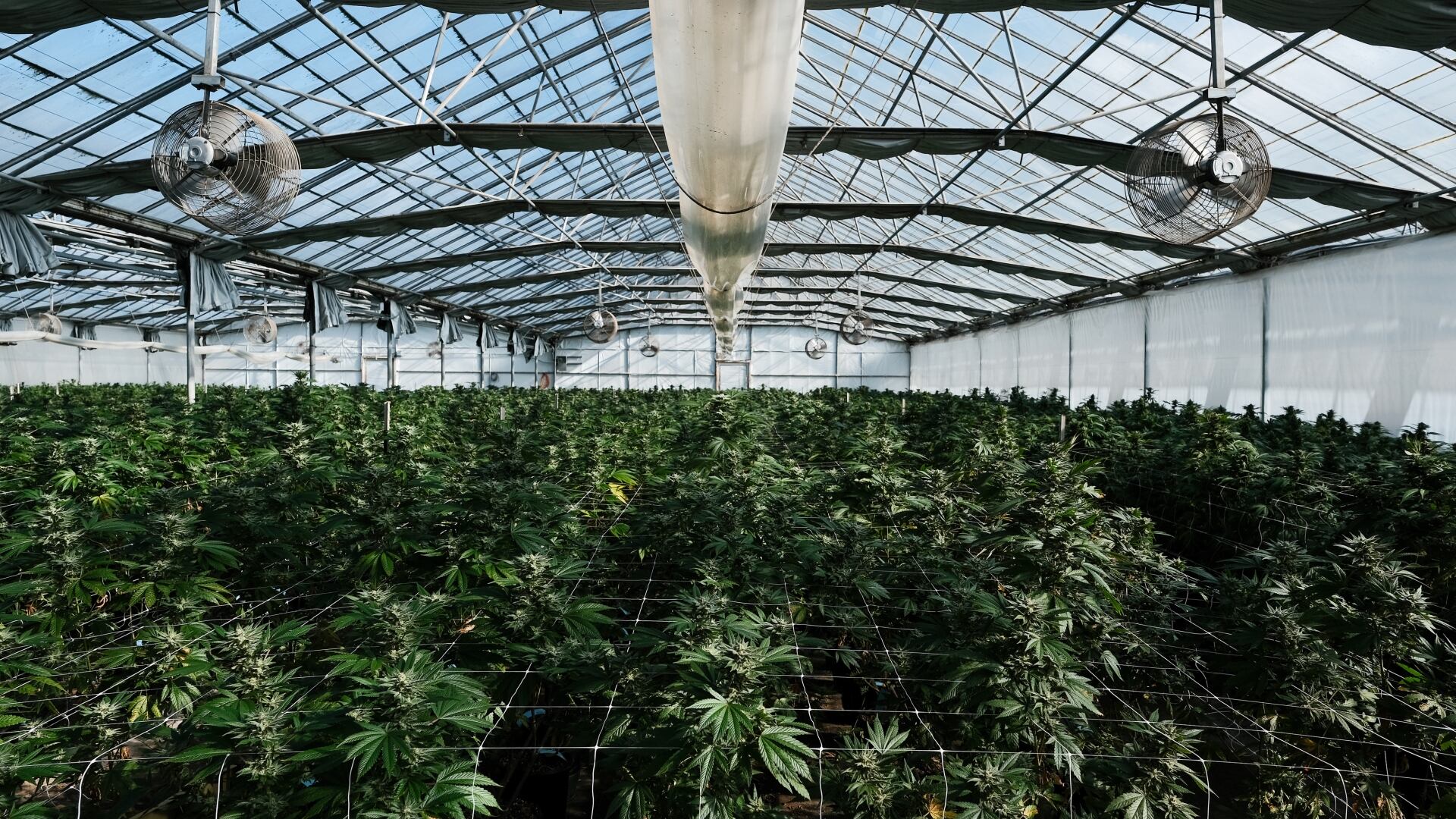
Medical cannabis company Akanda went public this week in what was the first traditional IPO of the month. Shares jumped about 163% in the stock's first day of trading. The London-based company says it hopes to supply medical cannabis products to wholesalers in international markets. Tej Virk, CEO of Akanda, joins Cheddar News' Closing Bell to discuss.