The head of Russia's space agency said Monday that the Luna-25 spacecraft crashed into the moon after its engines failed to shut down correctly, and he blamed the country's decades-long pause in lunar exploration for the mishap.
The pilotless Luna-25 had been scheduled to land Monday while aiming to become the first spacecraft to touch down on the south pole of the moon, an area where scientists believe important reserves of frozen water and precious elements may exist.
Roscosmos Director General Yury Borisov said the spacecraft's engines were turned on over the weekend to put Luna-25 into a “pre-landing orbit" but did not shut down properly, plunging the lander onto the moon.
“Instead of the planned 84 seconds, it worked for 127 seconds. This was the main reason for the emergency,” Borisov told Russian state news channel Russia 24.
Roscosmos had contact with the spacecraft until 2:57 p.m. local time Saturday, when communication was lost and “the device passed into an open lunar orbit and crashed into the surface of the moon,” he said.
The lunar mission was Russia’s first since 1976, when it was part of the Soviet Union. Only three countries have managed successful moon landings: the Soviet Union, the United States and China.
“The negative experience of interrupting the lunar program for almost 50 years is the main reason for the failures,” Borisov said, adding “it would be the worst decision ever” for Russia to end the program now.
The Luna-25 was in a race with an Indian spacecraft launched on July 14 to be the first to reach the south pole. Both were expected to reach the moon between Aug. 21 and Aug. 23.
A previous Indian attempt to land at the moon's south pole in 2019 ended when the spacecraft crashed into the moon’s surface.
Luna-25 launched from the Vostochny Cosmodrome in Russia’s Far East on Aug. 10. The spaceport is a pet project of Russian President Vladimir Putin and key to his efforts to make Russia a space superpower.
Before the launch, Roscosmos said it wanted to show Russia “is a state capable of delivering a payload to the moon,” and “ensure Russia’s guaranteed access to the moon’s surface.”
Following the crash, the Russian space agency said the moon mission was about ensuring long-term “defense capability” as well as “technological sovereignty.”
“The race to develop the moon's natural resources has begun,” Borisov said Monday. “In the future, the moon will become an ideal platform for the exploration of deep space.”
Sanctions imposed on Russia since it launched a war in Ukraine nearly 18 months ago have affected its space program, making it more difficult to access Western technology.
The Luna-25 was initially meant to carry a small moon rover, but the idea was abandoned to reduce the weight of the craft for improved reliability, analysts said.
The lunar south pole is of particular interest to scientists, who believe the permanently shadowed polar craters may contain frozen water in the rocks that future explorers could transform into air and rocket fuel.
Bill Nye the Science Guy is back but on an even smaller screen. America’s favorite science teacher has racked up more than eight million followers on TikTok, and he joined Cheddar News to talk about his success on the platform, having fun but also being serious about scientific topics like tackling climate change, and his newest hosting project "The End is Nye," a streaming show on Peacock that examines disasters — both natural and manmade. "There are six episodes. We have big disasters. Things go terribly wrong, and then we show you how things could have gone right," he explained.
You probably have your summer music playlist ready to to go, but you're probably not aware how an in-store shopping soundtrack may impact your experience. Spotify Advertising took a look at how audio affects small business shopping. Rochelle Sanchirico, Global Director of Scaled Business and Marketing at Spotify Advertising, joins Cheddar News to discuss.
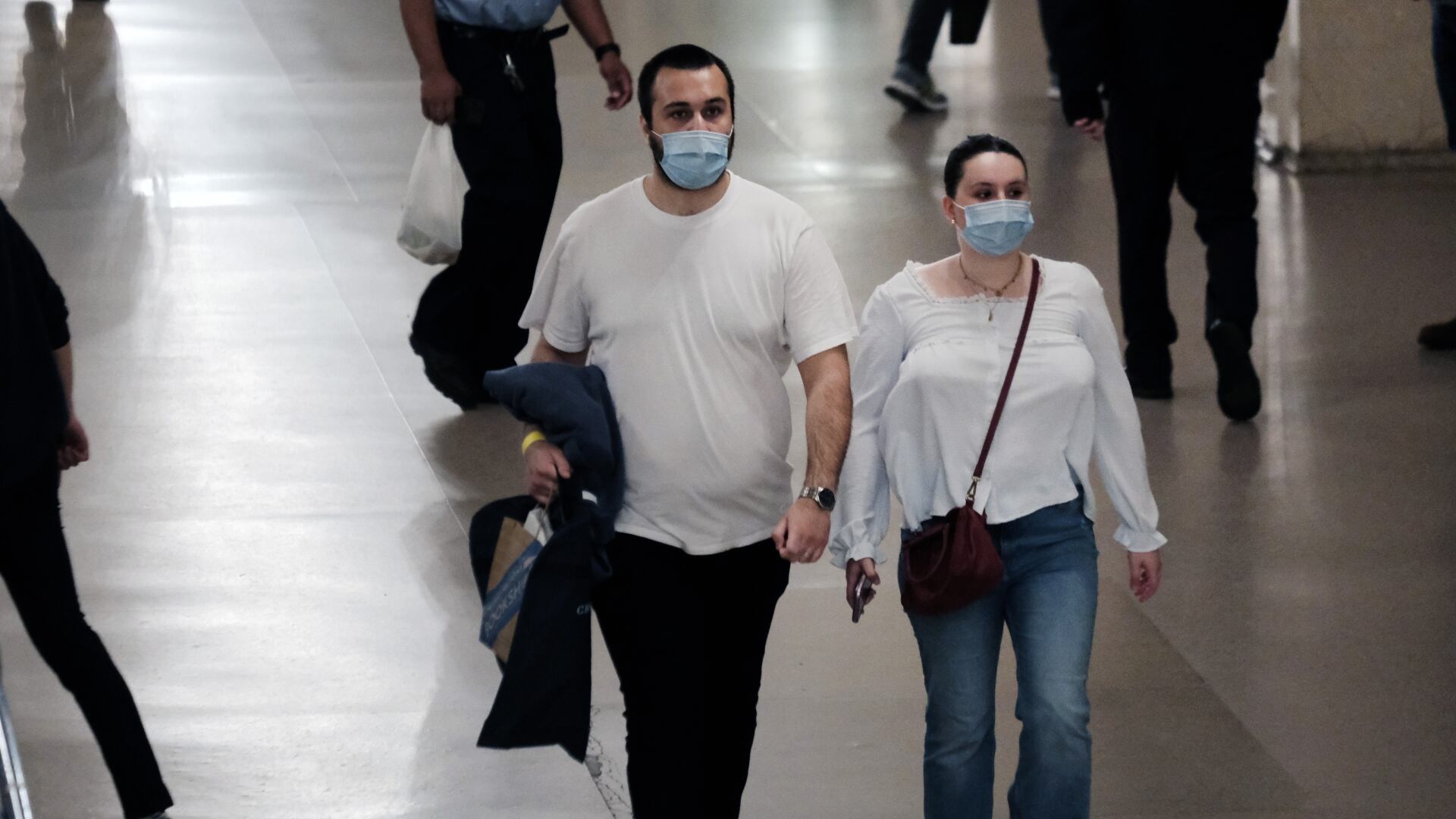
Summer travel season is just around the corner, as the U.S. is entering a fifth COVID-19 wave. Cheddar News speaks with Dr. Jen Caudle, Family Physician and Associate Professor at Rowan University on how to evaluate your vacation plans.
Catching you up on what you need to know on Wednesday, June 1, 2022, House lawmakers hold an emergency hearing on gun control measures in the wake of the Uvalde shooting, the Supreme Court temporarily blocks Texas' law stopping social media moderation, and the James Webb Space Telescope gets a new mission.
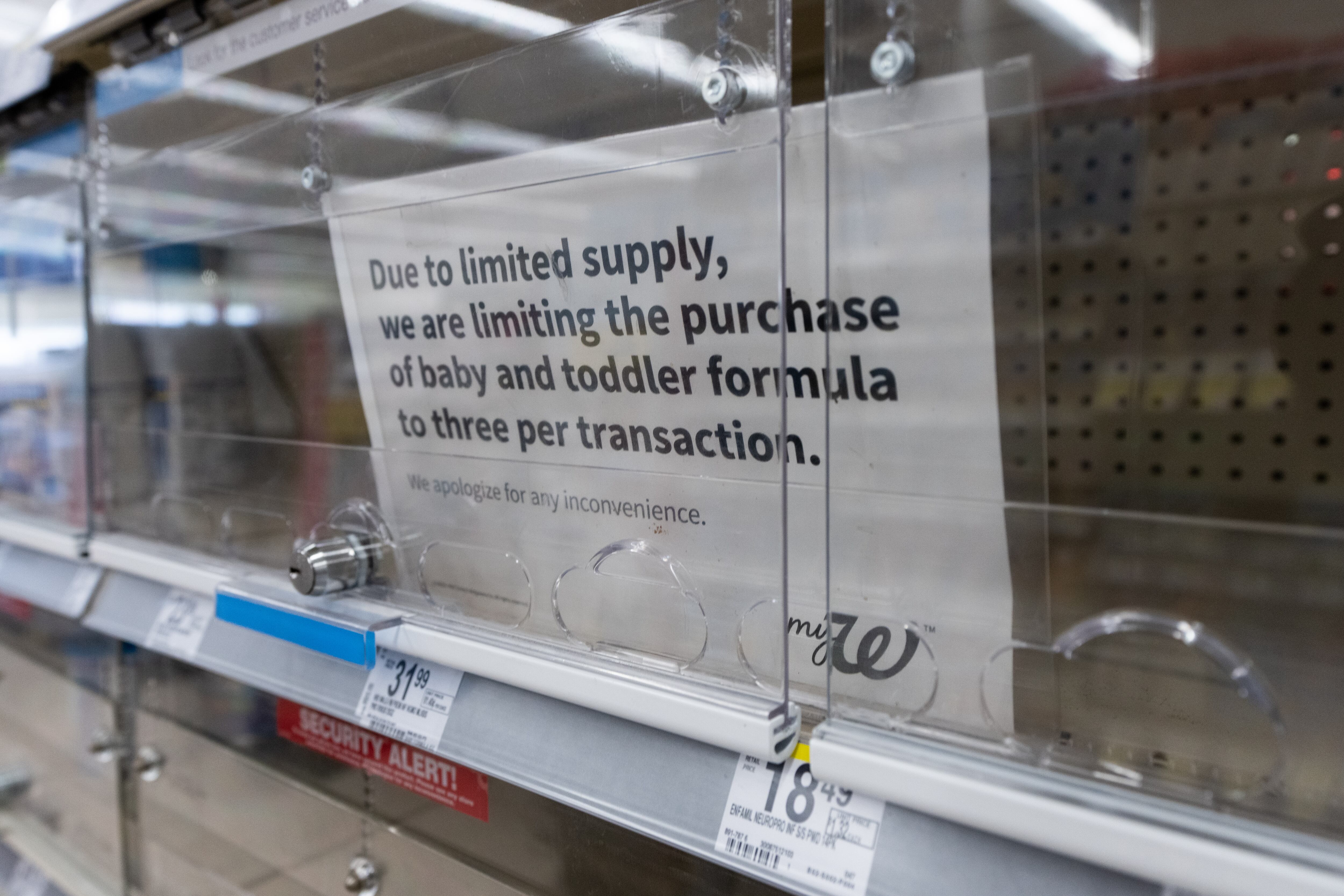
With the baby formula in the United States surging to an out-of-stock rate of 70 percent, the FDA has given Abbott permission to reopen its Michigan plant amid the crisis and authorized foreign imports. Professor Peter Pitts, a former FDA associate commissioner and current president of the Center for Medicine in the Public Interest, joined Cheddar News to discuss the ongoing shortage and its wide impact. “As difficult as things is in urban areas, they’re even worse in small communities and tribal areas where parents can't just go to the next store on the corner," he said. Pitts also noted that the Abbott factory was a "disaster" prior to its shutdown and that it would have been "regulatory malpractice" to have left it open.
Scientists are hoping that the simplest element in the universe — hydrogen — can be the solution to slowing down climate change. However, it does not come without cost. The process of making hydrogen could potentially add more CO2.
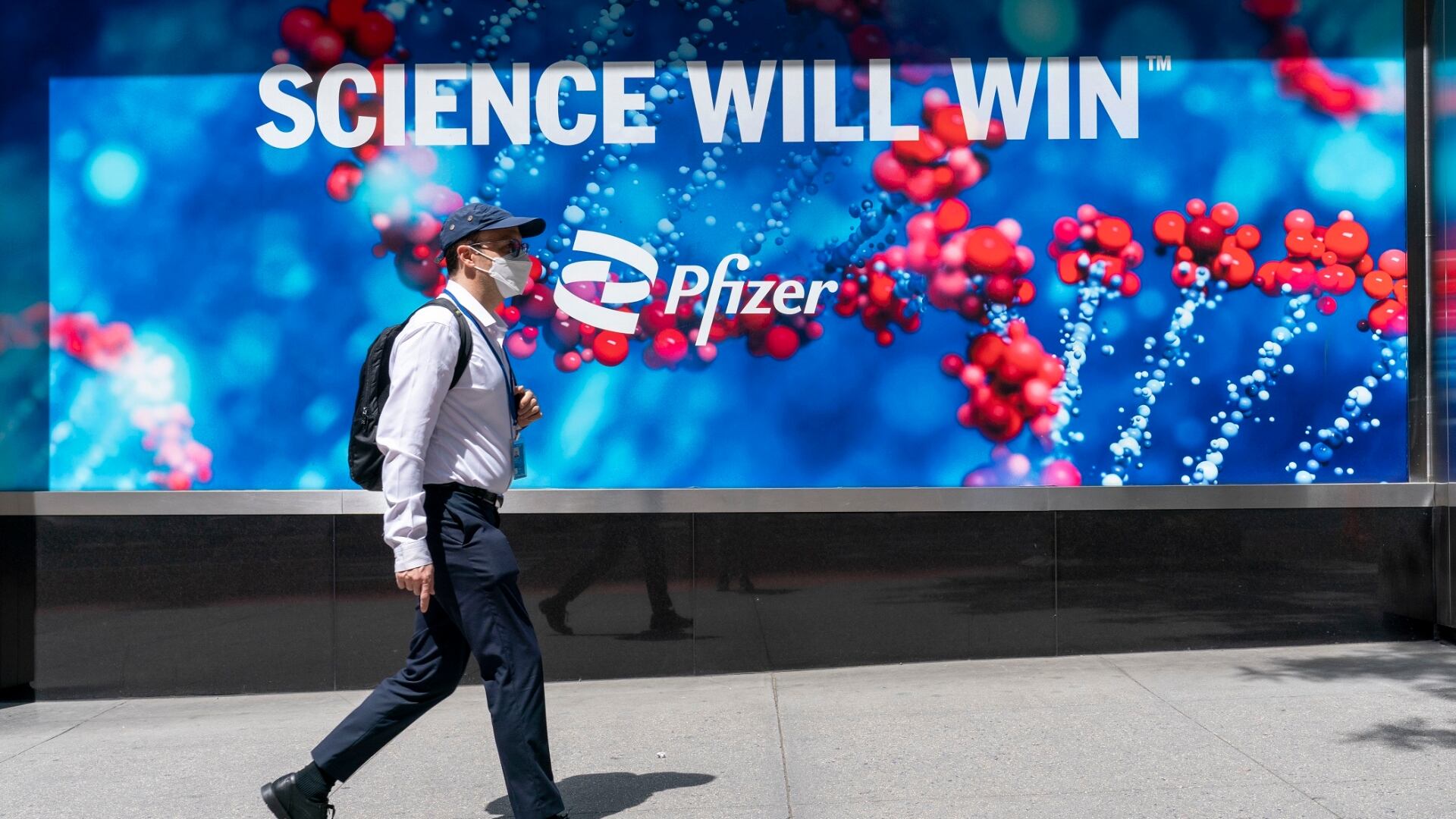
Pfizer said it will be shipping its vaccines at not-for-profit prices to 45 low-income countries. The pharmaceutical giant will be exporting 23 drugs, including those that treat cancer, heart conditions, autoimmune diseases, as well as COVID-19.
It's not a scene from a movie: an asteroid the size of Mount Everest is headed toward earth. It's bigger than 99% of the asteroids in our solar system. But Cheddar anchor Shannon Lanier says fear not. The giant rock will miss us by more than 2 million miles.