The head of Russia's space agency said Monday that the Luna-25 spacecraft crashed into the moon after its engines failed to shut down correctly, and he blamed the country's decades-long pause in lunar exploration for the mishap.
The pilotless Luna-25 had been scheduled to land Monday while aiming to become the first spacecraft to touch down on the south pole of the moon, an area where scientists believe important reserves of frozen water and precious elements may exist.
Roscosmos Director General Yury Borisov said the spacecraft's engines were turned on over the weekend to put Luna-25 into a “pre-landing orbit" but did not shut down properly, plunging the lander onto the moon.
“Instead of the planned 84 seconds, it worked for 127 seconds. This was the main reason for the emergency,” Borisov told Russian state news channel Russia 24.
Roscosmos had contact with the spacecraft until 2:57 p.m. local time Saturday, when communication was lost and “the device passed into an open lunar orbit and crashed into the surface of the moon,” he said.
The lunar mission was Russia’s first since 1976, when it was part of the Soviet Union. Only three countries have managed successful moon landings: the Soviet Union, the United States and China.
“The negative experience of interrupting the lunar program for almost 50 years is the main reason for the failures,” Borisov said, adding “it would be the worst decision ever” for Russia to end the program now.
The Luna-25 was in a race with an Indian spacecraft launched on July 14 to be the first to reach the south pole. Both were expected to reach the moon between Aug. 21 and Aug. 23.
A previous Indian attempt to land at the moon's south pole in 2019 ended when the spacecraft crashed into the moon’s surface.
Luna-25 launched from the Vostochny Cosmodrome in Russia’s Far East on Aug. 10. The spaceport is a pet project of Russian President Vladimir Putin and key to his efforts to make Russia a space superpower.
Before the launch, Roscosmos said it wanted to show Russia “is a state capable of delivering a payload to the moon,” and “ensure Russia’s guaranteed access to the moon’s surface.”
Following the crash, the Russian space agency said the moon mission was about ensuring long-term “defense capability” as well as “technological sovereignty.”
“The race to develop the moon's natural resources has begun,” Borisov said Monday. “In the future, the moon will become an ideal platform for the exploration of deep space.”
Sanctions imposed on Russia since it launched a war in Ukraine nearly 18 months ago have affected its space program, making it more difficult to access Western technology.
The Luna-25 was initially meant to carry a small moon rover, but the idea was abandoned to reduce the weight of the craft for improved reliability, analysts said.
The lunar south pole is of particular interest to scientists, who believe the permanently shadowed polar craters may contain frozen water in the rocks that future explorers could transform into air and rocket fuel.
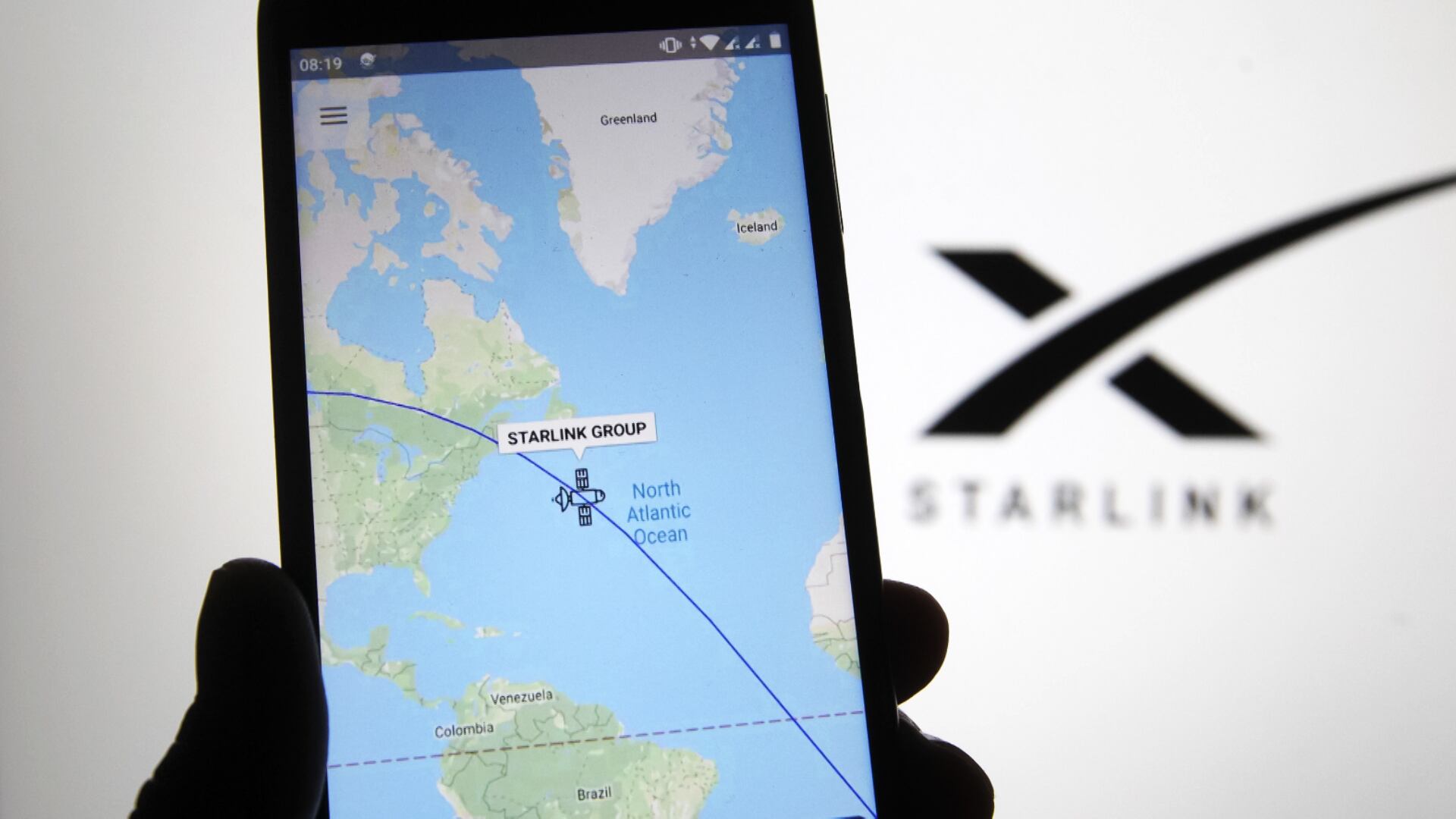
Amazon plans to launch its first prototype satellites for Project Kuiper, an internet-from-space venture, in 2022. It's the first major step in the e-commerce giant's plan to rival SpaceX by building a network of satellites in space, providing internet to rural, underserved communities around the world. Loren Grush, senior science reporter for the Verge, discusses the project and how it could transform internet access moving forward.
The FDA is assessing whether the Moderna vaccine can cause heart problems in adolescents. Professor Peter Pitts, founder of the Center for Medicine in the Public Interest and former FDA Associate Commissioner, discusses what the FDA is looking into and what it means for the millions of kids yet to be vaccinated.
Pfizer posted an earnings beat in its third quarter, with revenue soaring over 134% thanks to solid Covid-19 vaccine sales. Pfizer also raised its outlook for the full-year, expecting revenue to surpass $80 billion. Peter Andersen, CEO & founder of Andersen Capital Management, joined Cheddar Movers to discuss.
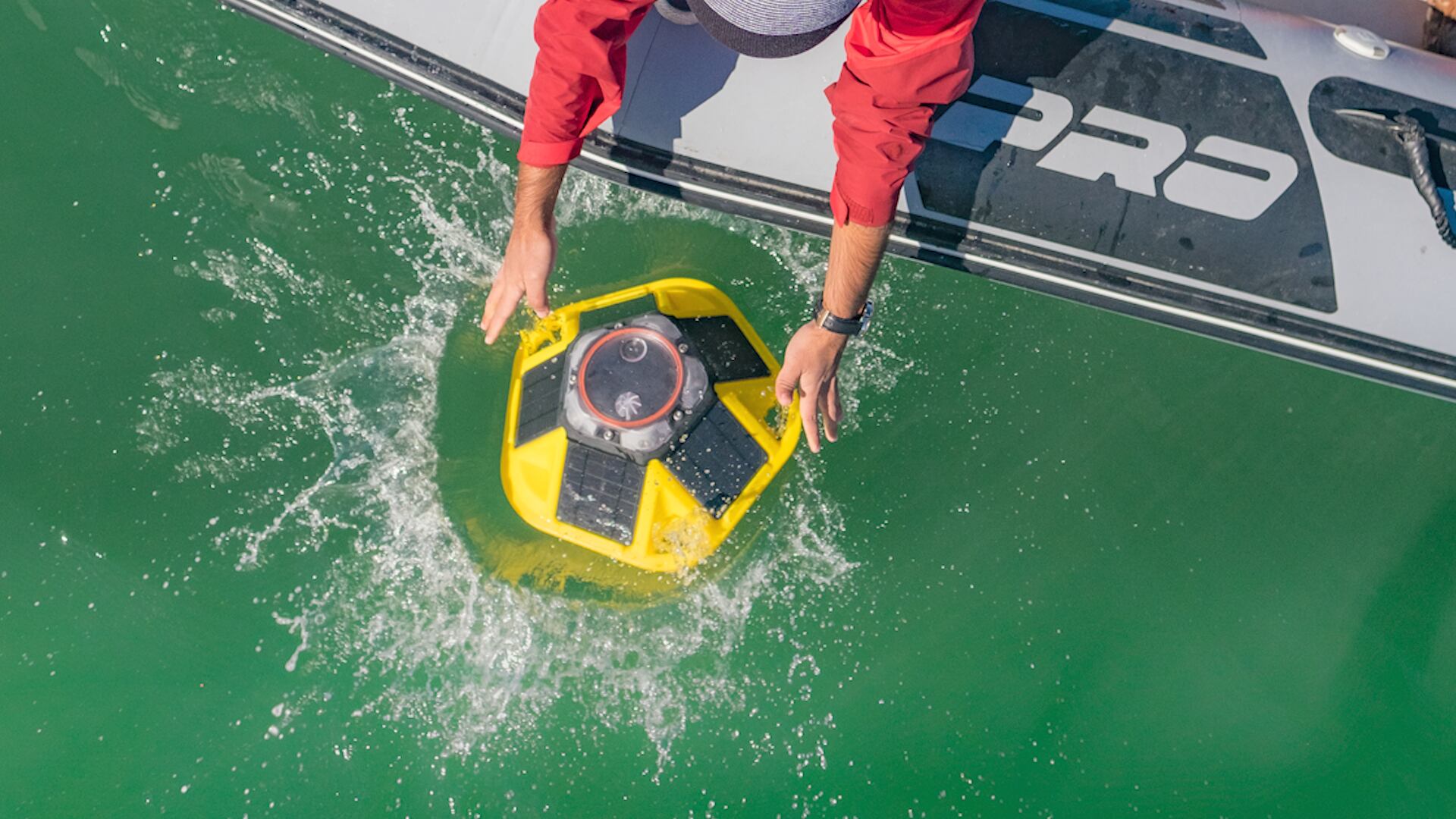
Cheddar gets a look at Curiosity Stream's 'Ancient Oceans'; Deep-sea biologist Heather Bracken-Grissom sheds light on some of the monsters that we can and cannot explain lurking in the darkness of the ocean's depths; Tim Janssen, CEO of Sofar Ocean, discusses Sofar Ocean's latest round of Series B funding, and how Sofar Ocean is helping connect all five oceans to help everything from climate change to the global shipping industry.
Tim Janssen, CEO of Sofar Ocean, joins 'Cheddar Reveals' to discuss Sofar Ocean's latest round of Series B funding, and how Sofar Ocean is helping connect all five oceans to help everything from climate change to the global shipping industry.
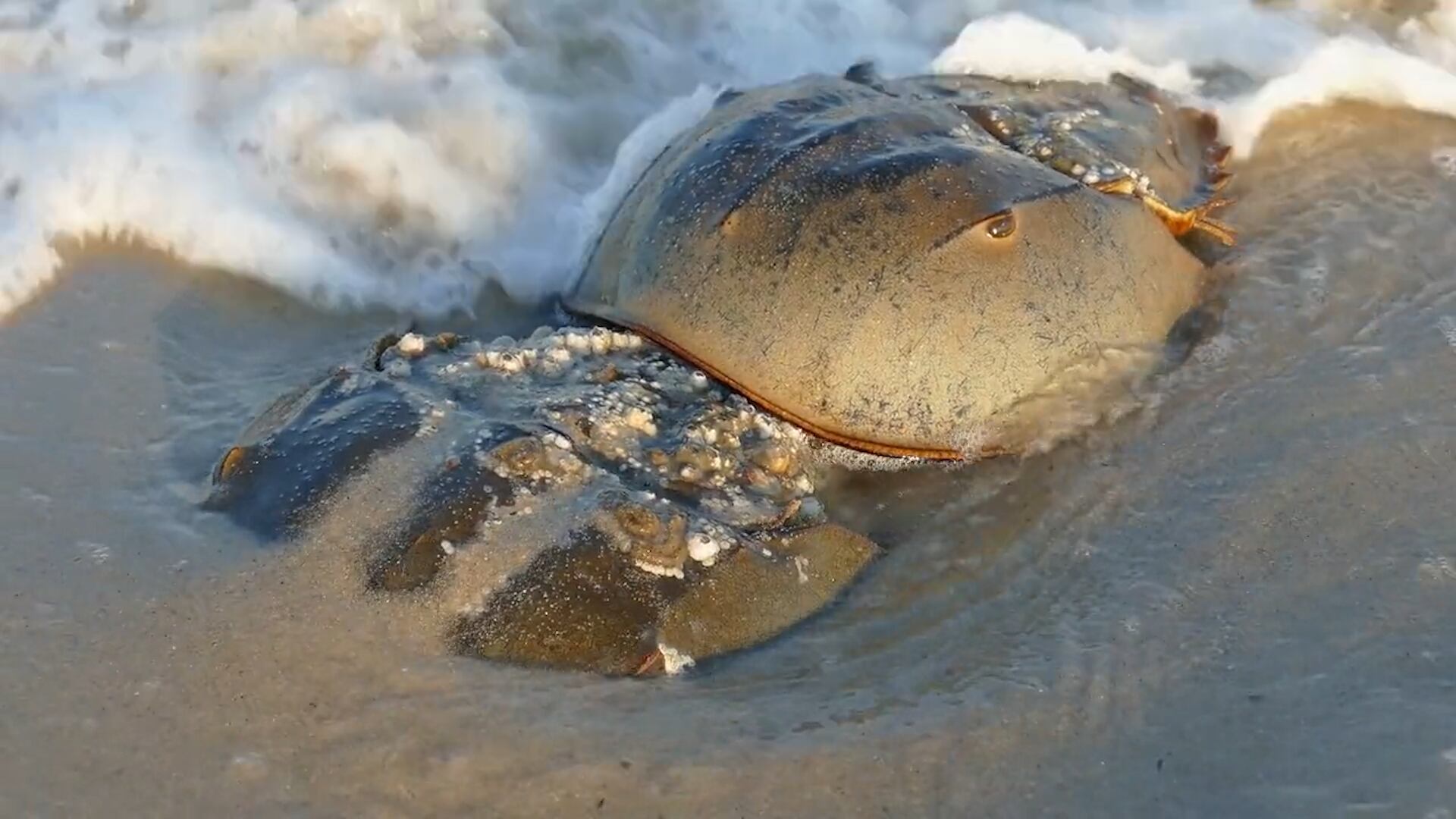
Deep-sea biologist Heather Bracken-Grissom joins 'Cheddar Reveals' to shed light on some of the monsters that we can and cannot explain lurking in the darkness of the ocean's depths.
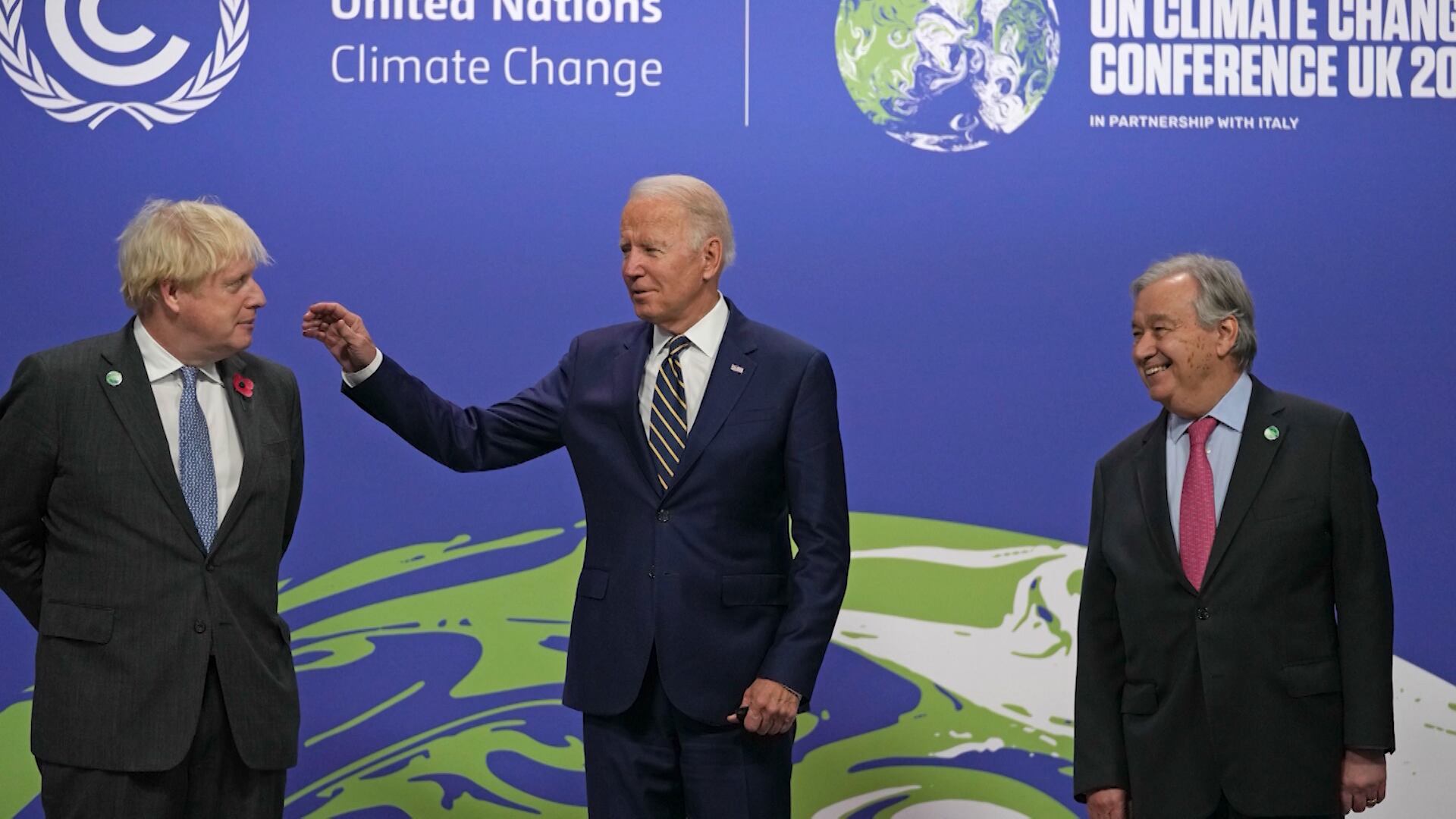
Leaders around the world have come together to discuss plans to bring action towards the Paris Agreement along with solutions on how to solve the evolving climate change crisis at the COP26 Summit. President and CEO of Center for International Environmental Law Carroll Muffett, joined Cheddar to discuss more.
Rachel Cleetus, the policy director and lead economist of the climate and energy program for the Union of Concerned Scientists, joined Cheddar to break down some of the key goals from the COP26 summit and why leaders must focus on the science of climate change instead of getting bogged down by petty politics and the fossil fuel industry. "The main thing they have to do, make sure we're cutting our emissions sharply within this decade because the science shows that we have to cut global emissions in half by 2030 if we're going to meet our goals of averting some of the most catastrophic impacts of climate change," she said.
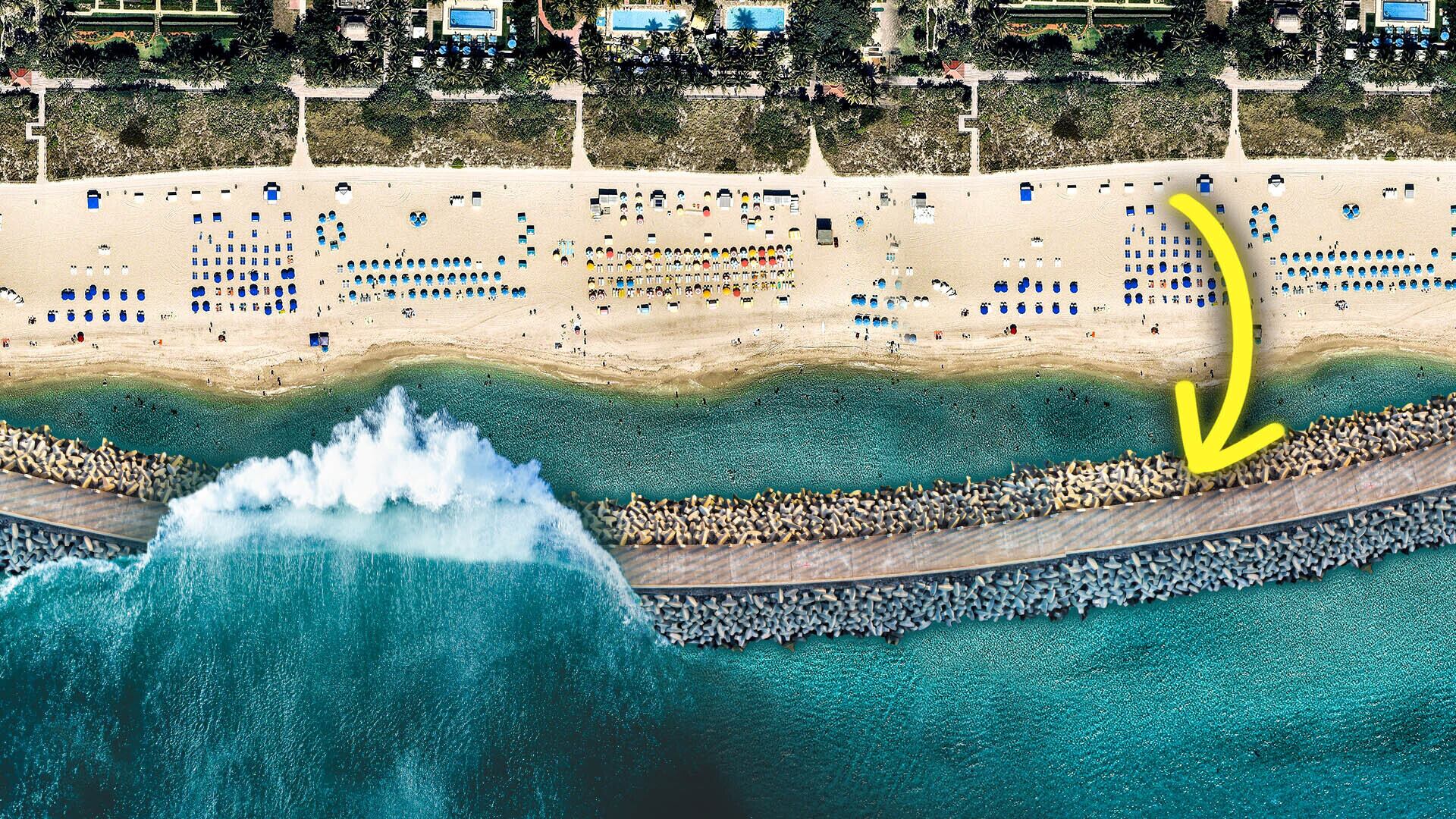
Coastal cities around the world are grappling with sea level rise. And building a seawall? Not so fast. While a sea wall can be effective in certain scenarios, it can make the effects of sea level rise worse. That’s why municipalities are looking into creative alternatives.