*By Hope King*
Roku is out with new hardware to help grow its...software business.
The streaming TV company launched two new wireless speakers Monday designed to work with pretty much only Roku TVs.
Roku says the speakers will only work with TVs made by its manufacturing partners ー such as TCL, Sharp, and Hisense ー and not with TVs plugged into a Roku box. But in reality, the company's VP of Product Management Mark Ely said they could be used with Bluetooth connected devices, such as a phone or tablet.
“They also include a Bluetooth radio…so you can stream and playback through the speaker,” he told me.
Pre-orders for the new Roku TV speakers began Monday with a promotional price of $150. The price will increase starting next week to $180. Shipping will begin in October when prices go up to $200. The wireless speakers also come with a TV remote and a touch remote, both with voice control only for Roku TV.
The announcement comes a few months after Roku saw its platform business surpass its device business, in term of percent of revenue, for the first time during the first quarter of this year.
The distinction of the speakers' compatibility may seem like a fine point, but for a company competing with evermore wireless speaker brands such as Sonos, and smart speakers from Amazon, Google, and Apple, it’s one that should be made. After all, how many connected speakers do people need in their homes, especially if they can’t all work together? To that end, Roku’s software inside the speakers could enable wider usage in the future.
“We’re always upgrading those systems,” said Ely. “Even the very first Roku TVs we shipped back in 2014 have the latest software.”
To be clear, Roku is not trying to compete directly with the growing smart speaker market here. The company instead is trying to make it easier for existing Roku customers to listen to music, shows, and movies through something other than their TV speakers.
“Our goal is to make Roku TVs the best TVs,” Ely said. “Sound is a critical part of that.” He went on to say that “great sound \[means\] a more immersive experience, and that drives our business overall.”
As of the end of the [first quarter,](https://ir.roku.com/static-files/8b04826b-95a6-49c4-82a6-c3e6ffa30f25) Roku saw platform revenue of $75.1 million ー about 55 percent of its total revenue and more than double what it was the year before.
Ely said he expects the new speakers to add to that growth because the company is focused on “delivering a great streaming experience \[through\] really innovative hardware products.”
“The better streaming experiences we can deliver, the more that drives platform engagement, and that drives the growth of our business,” said Ely.
Shares of Roku closed down about 1 percent Monday. The stock is up about 82 percent since it began trading on the NASDAQ last September.
For the full segment, [click here.] (https://cheddar.com/videos/roku-introduces-wireless-speakers-to-hardware-line-up)
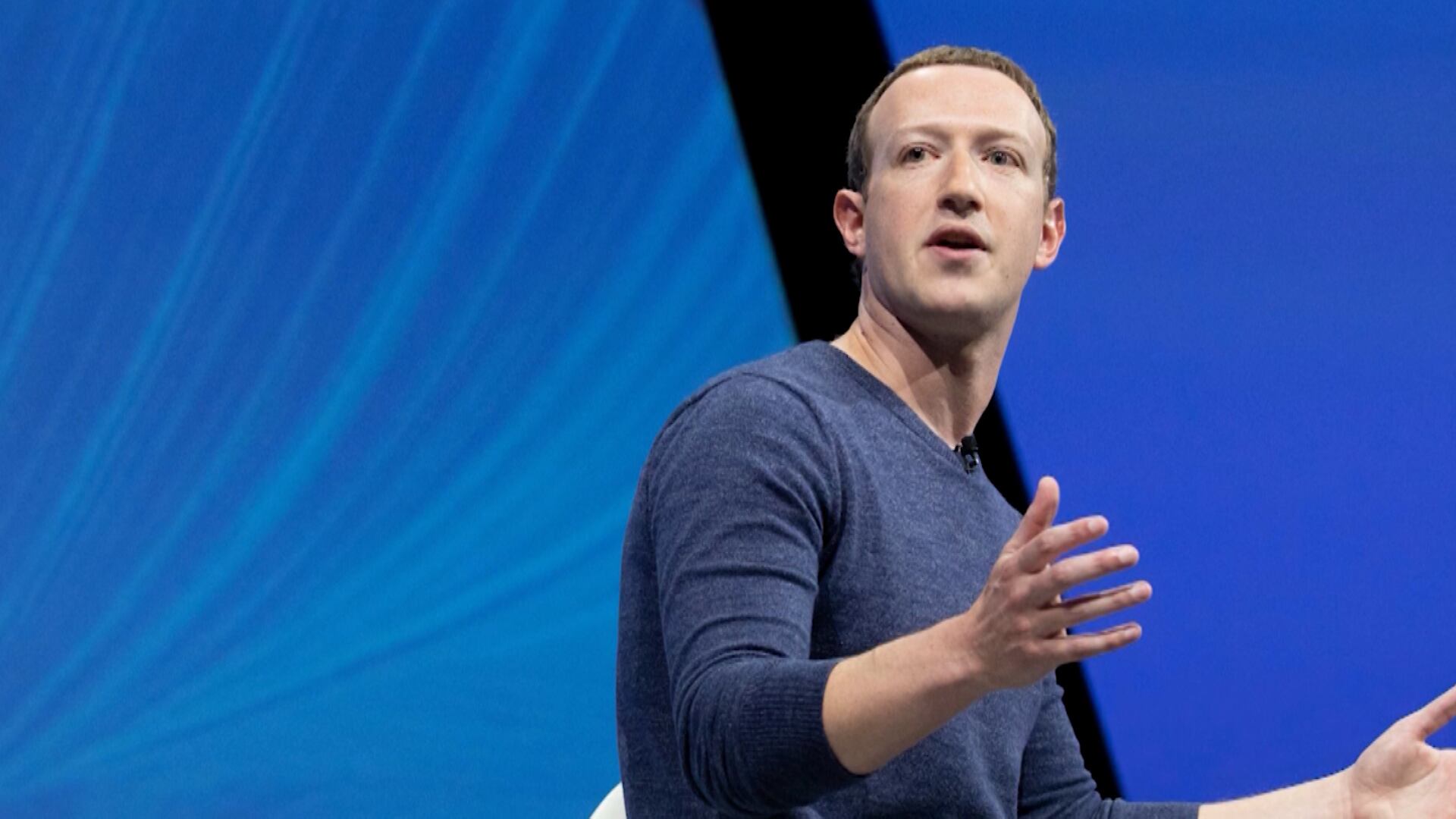
Rene Ritchie, independent tech analyst and co-founder of the Nebula Podcast, joins Cheddar News' Closing Bell, where he breaks down what investors will be looking for from Mark Zuckerberg this week and how the tech giants stack up when it comes to augmented reality and virtual reality products going forward.
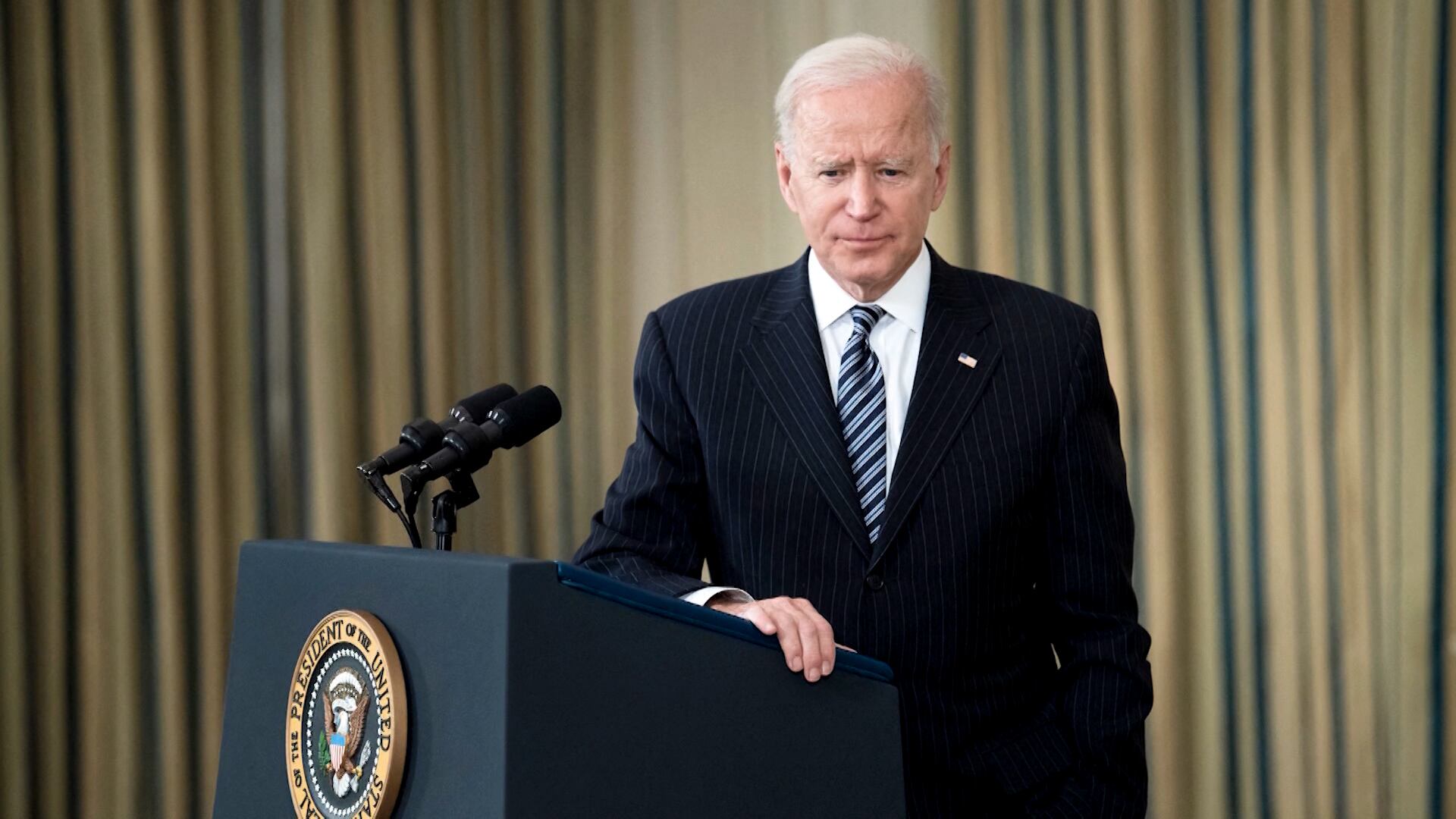
According to multiple reports, President Biden's upcoming executive order for the crypto marke would assign some government entities to study cryptocurrencies, stablecoins and NFT's with the goal of developing a workable regulatory framework. Douglas Borthwick, Chief Business Officer at INX, joins Cheddar News' Closing Bell, where he elaborates on what role the Biden administration would play under this order.
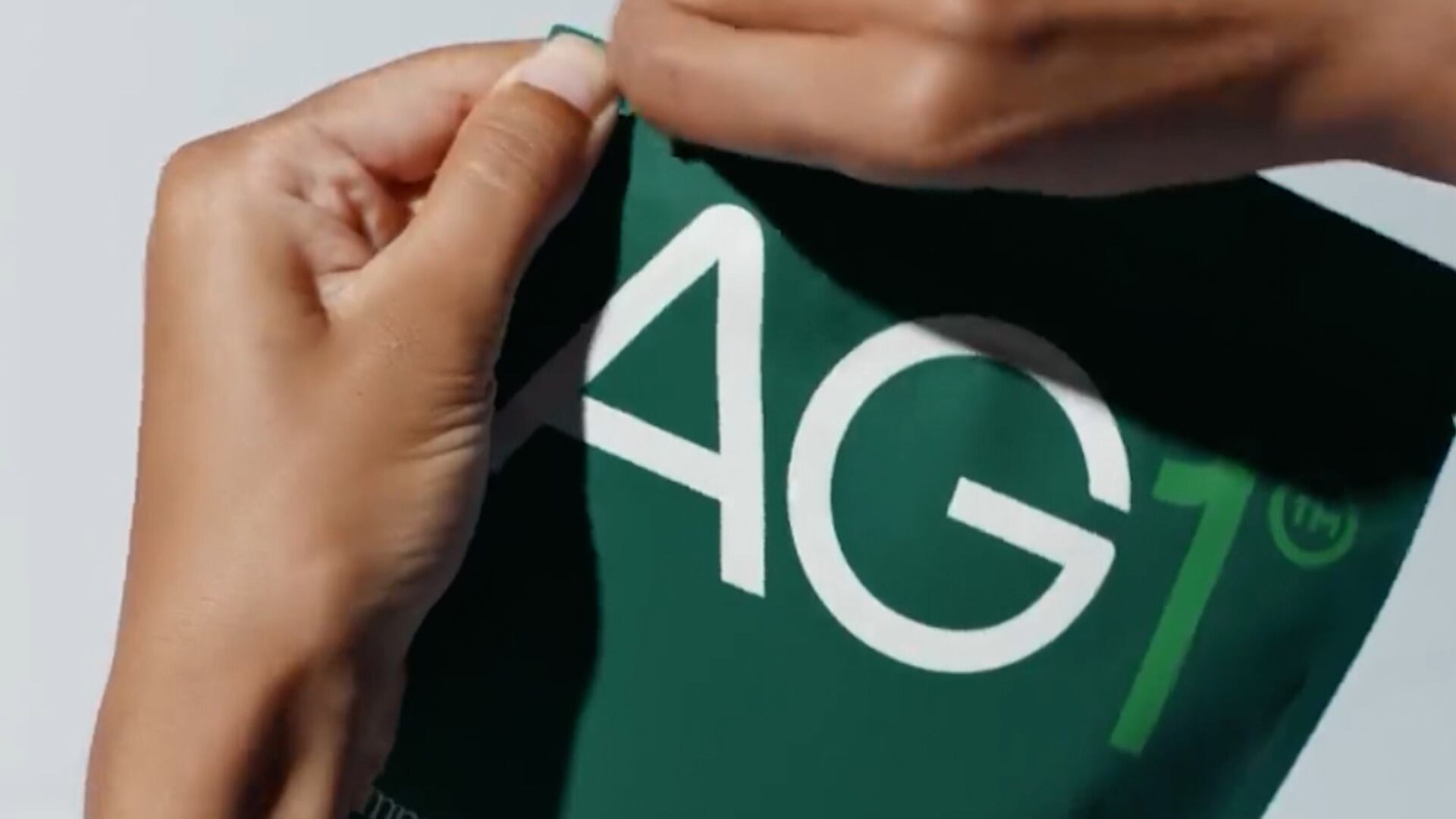
Nutritional supplement beverage company Athletic Greens has achieved unicorn status. The company announced a new $115 million funding round, bringing its valuation to $1.2 billion. The company's flagship product AG1 combines 75 different vitamins, minerals, and other nutrients into one daily serving. Athletic Greens says it is poised to reach the millions of consumers who are currently driving the health and wellness market's exponential growth. Athletic Greens founder and CEO Chris Ashenden joins Cheddar News' Closing Bell to discuss.
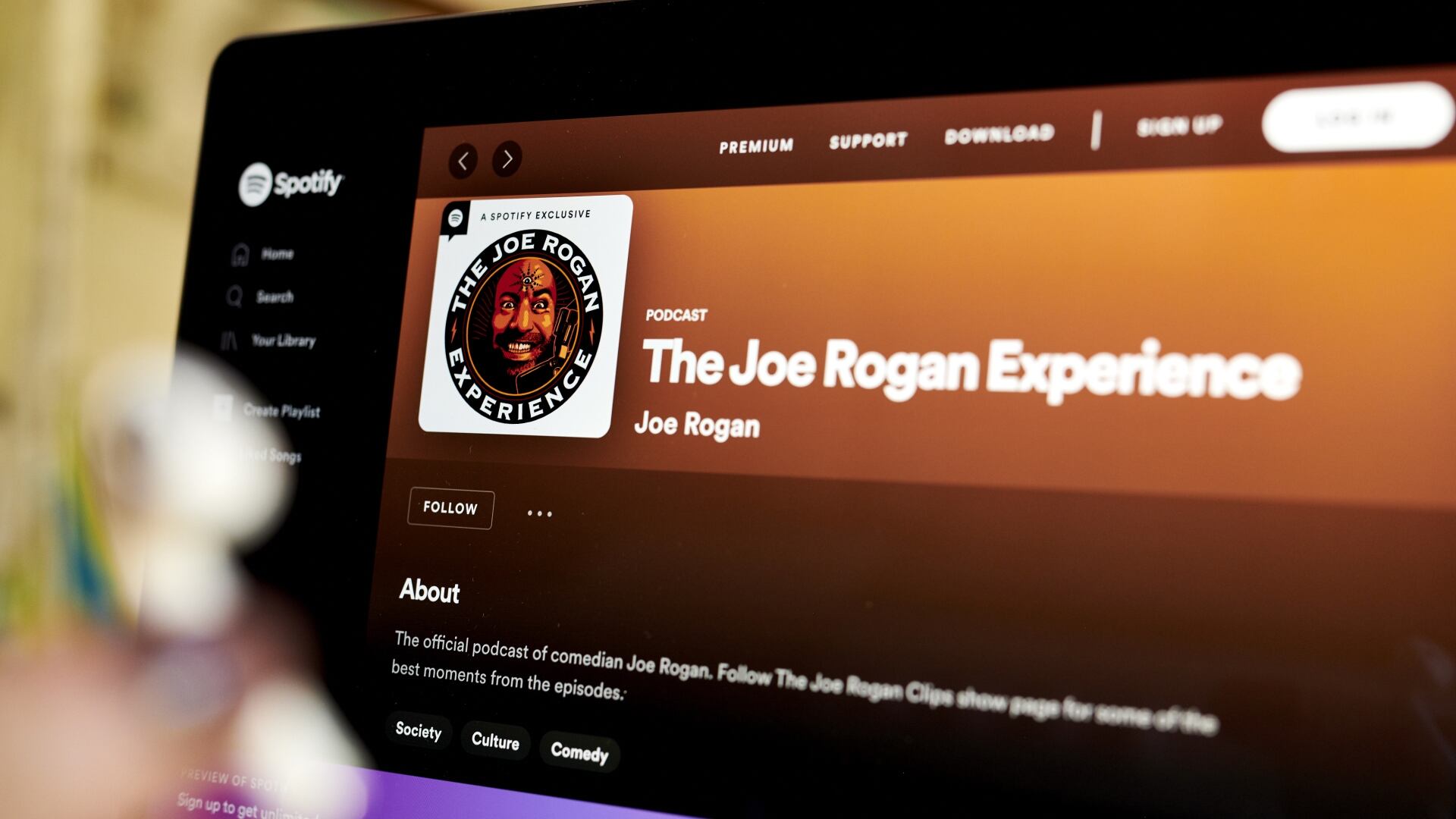
Is Spotify a platform for content creators, or is it a media company? The streaming giant may have to find an answer sooner rather than later amid a controversy involving its most popular podcast host, Joe Rogan. Rogan has hosted guests who have made false claims about COVID-19 vaccines, and in turn, some musicians like Neil Young and Joni Mitchell have removed their discographies from Spotify in protest. Rogan says he welcomes content advisories, and will balance out his guests going forward, but is it enough? And is Spotify liable in any way? John Freeman, Vice President of CFRA Research, joins Closing Bell to discuss Rogan's response to the controversy, whether Spotify should be considered a media company with responsibility for its content, and more.
The gaming industry has seen multiple large scales deals this month alone, including Microsoft's megadeal for Activision Blizzard. And, seemingly in response, rival Sony, picked up Bungie for $3.6 billion, a studio once owned by both Microsoft and Activision. The sector is reportedly on track to spend $150 billion on mergers and acquisitions just this year alone, a record-breaking total, according to investment firm Drake Star Partners. Michael Metzger, a partner at the firm specializing in technology, media, and communications, joined Cheddar to discuss the flurry of deals in the gaming space and what might be behind the hot M&A activity.
Ari Redbord, head of legal and government affairs and TRM Labs, joins Cheddar News to discuss why Facebook is ditching its crypto project and what that means for the space.
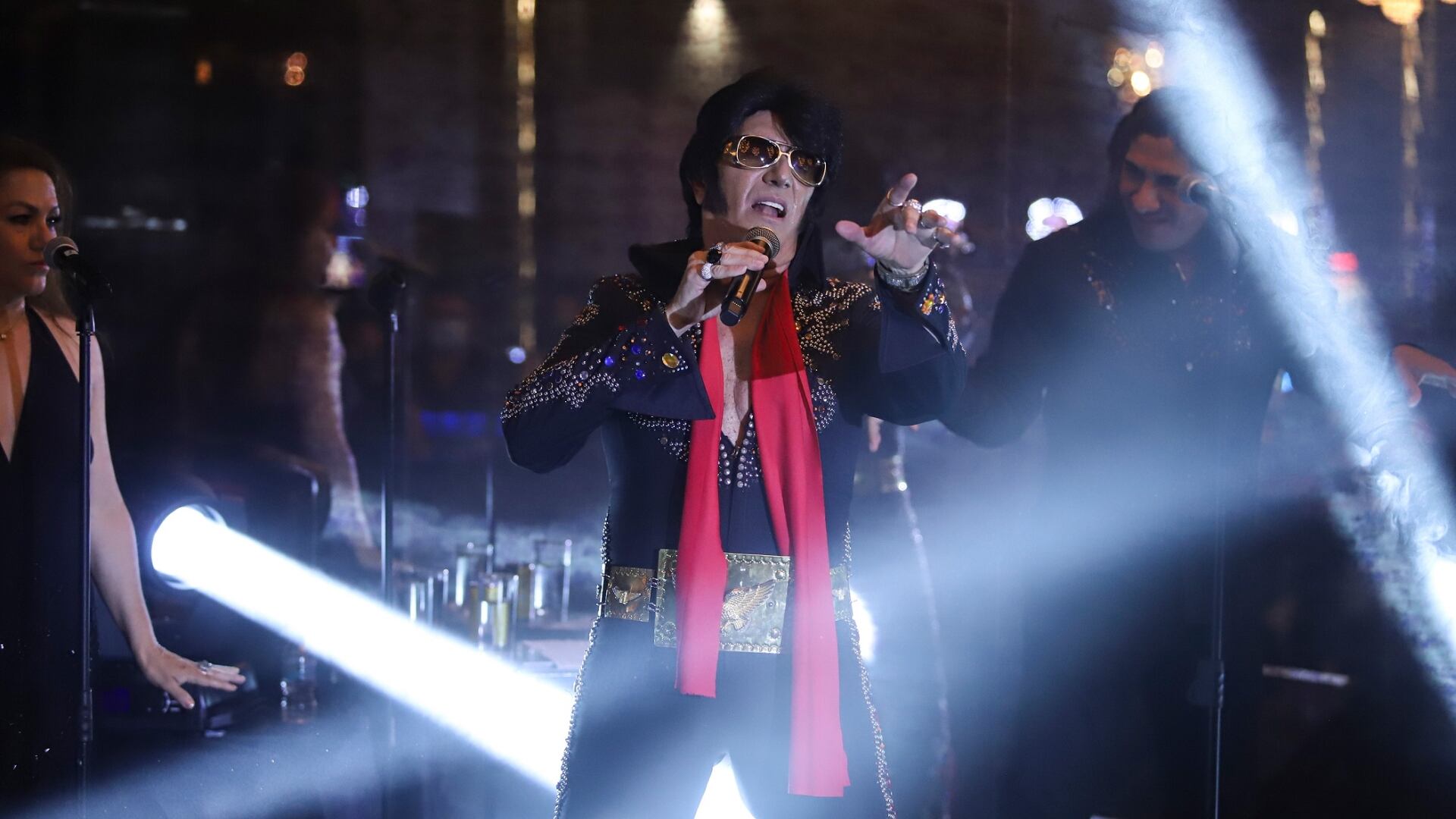
A virtual gathering in the online space, Decentraland, of Elvis Presley impersonators is looking to grab the Guinness World Record for most Elvis impersonators in one place after the record-keeping org recently approved the use of avatars as stand-ins for people.