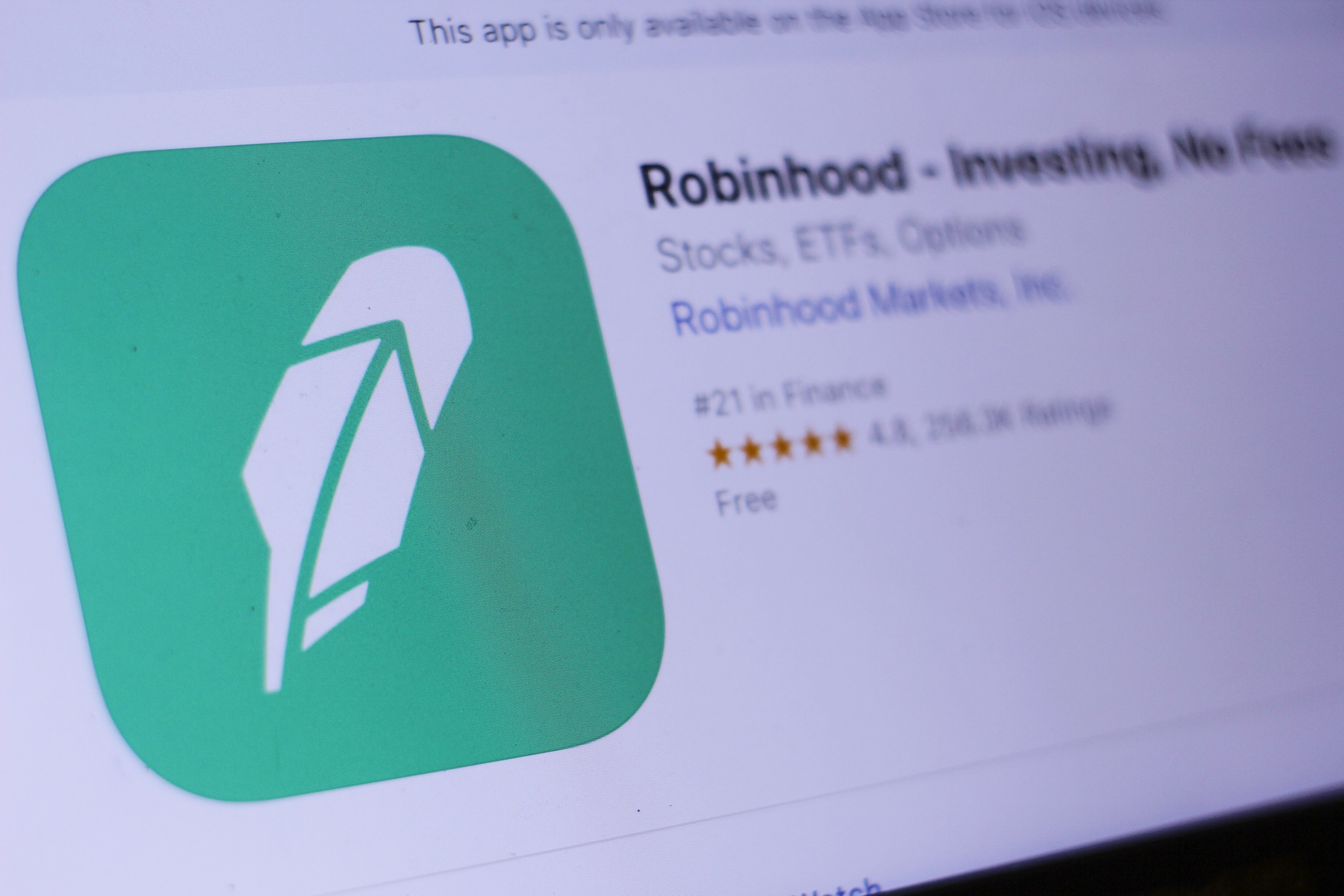
Robinhood has confirmed it's withdrawing its federal banking charter application with the U.S Office of the Comptroller of the Currency.
The fintech unicorn, known for its zero-commission stock trading service, has no plans to resubmit the application. Its approval would have allowed Robinhood to offer consumers its own banking services, rather than doing so in partnership with a smaller but fully regulated bank on the backend. CNBC first reported the news on Wednesday.
"We are voluntarily withdrawing our OCC application for a national bank charter," a Robinhood spokesman told Cheddar in an emailed statement Wednesday. "Robinhood will continue to focus on increasing participation in the financial system and challenging the industry to better serve everyone."
The withdrawal highlights a fast-growing industry of startups whose collective agile development strategy tends to be at odds with the highly regulated and slow-moving banking industry they're trying to shake up. But it isn't the first to pull its application: In 2017 SoFi halted the process of its application for an ILC, or industrial loan company license, from the Federal Deposit Insurance Corporation; and Square withdrew an ILC application last year, though it has resubmitted it and is currently awaiting a decision.
Being a bank can be a sustainable business model, allow a company to control its own destiny and scale within the regulated environment. But when a bank surpasses $10 billion in assets, it becomes subject to heightened regulatory requirements like stress tests and caps on interchange fees, which merchants pay whenever a customer uses a credit or debit card to make a purchase.
Robinhood doesn't disclose its assets under management. It currently has six million users, and in July it raised $323 million in a funding round valuing the startup at $7.6 billion.
Challenger banks, or fully-regulated, digital-first banks, have been popular in the UK and Europe, with Revolut, Monzo, and N26 soon expanding into the U.S. But American digital banks — like Chime, SoFi, MoneyLion, and Varo — have so far opted to partner with established banks in order to provide insured deposit services rather than become regulated entities themselves.