Rep. Frankel Says a 'Pink Wave' is Coming: Trump Is 'Best Recruiter' Democrats Have
*By Max Godnick and Christian Smith*
A [record number of women](https://www.politico.com/story/2018/03/08/women-rule-midterms-443267) are running for political office, and one congresswoman thinks America has one man to thank.
"The best recruiter we've had, his name is President Donald Trump," Rep. Lois Frankel (D-FL) said Wednesday in an interview on Cheddar.
"After the election in 2016, we have seen women agitated," she said. "They're raring to go."
Frankel, who has represented Florida's 21st Congressional District since 2013, cited 50 female Democratic candidates running in competitive swing districts, and predicted that her party could have between 25 and 40 new congresswomen in its ranks in 2019.
"Many of these women have never been in politics," she said. "Many are mothers ー they do not want their children growing up in the kind of environment they see that this president is creating."
Congresswoman Carolyn Maloney (D-NY) echoed Frankel's optimism in a separate interview on Cheddar Wednesday.
"We're going to elect women in record numbers," Maloney said; America is entering the "decade of the woman," she added.
In total, 257 women won party nominations for the House of Representatives and Senate for this year's midterms ー 235 for the House and 22 for the Senate.
For Frankel, it's not just a matter of winning and losing.
Frankel is the co-chair of the Bipartisan Women's Caucus and has championed legislation for women's rights, including the "Keeping Girls in School Act" and the "Pregnant Workers Fairness Act." But only a fraction of the policy proposals garner support from both sides of the aisle.
The biggest roadblock to bipartisan cooperation among women in Congress might be the lack of women across the aisle.
"Unfortunately for the Republicans they do not really have that many women," Frankel said. There are just 23 Republican women serving in the House of Representatives, compared to the body's 61 Democrats.
For full interview [click here](https://cheddar.com/videos/are-women-more-bipartisan-than-men).
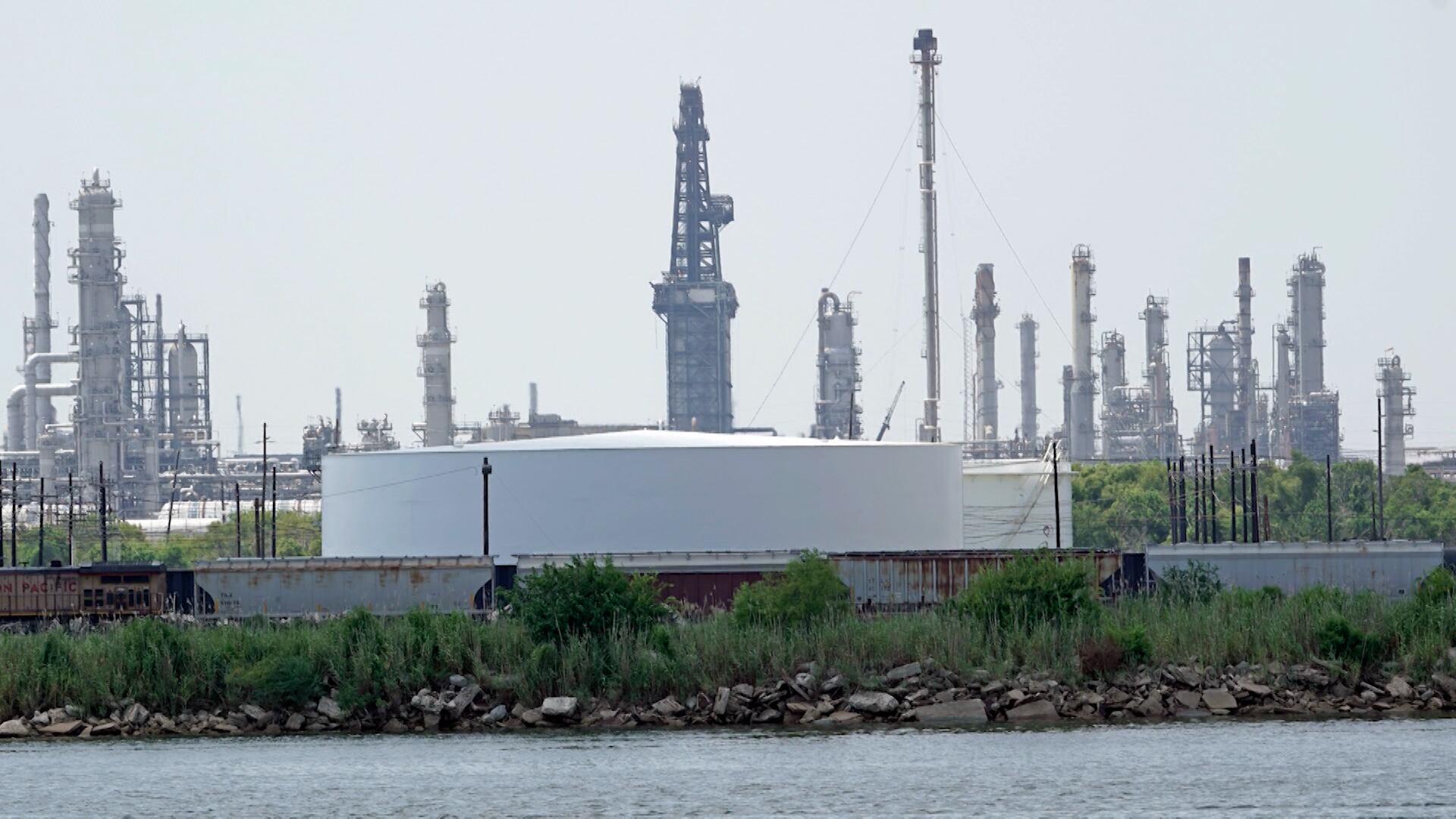
President Biden announced a ban on Russian oil and natural gas imports to the U.S. in response to its invasion of Ukraine, a move he warned could lead to an even greater surge in gas prices. The ban is prompting a conversation about the current oil production levels in the U.S. and whether or not the industry can ramp up production to soften the blow to American families at the gas pump. Clark Williams-Derry, Energy Finance Analyst with the Institute for Energy Economics and Financial Analysis, breaks down the state of the U.S. oil industry and how the ban might impact production levels here at home.
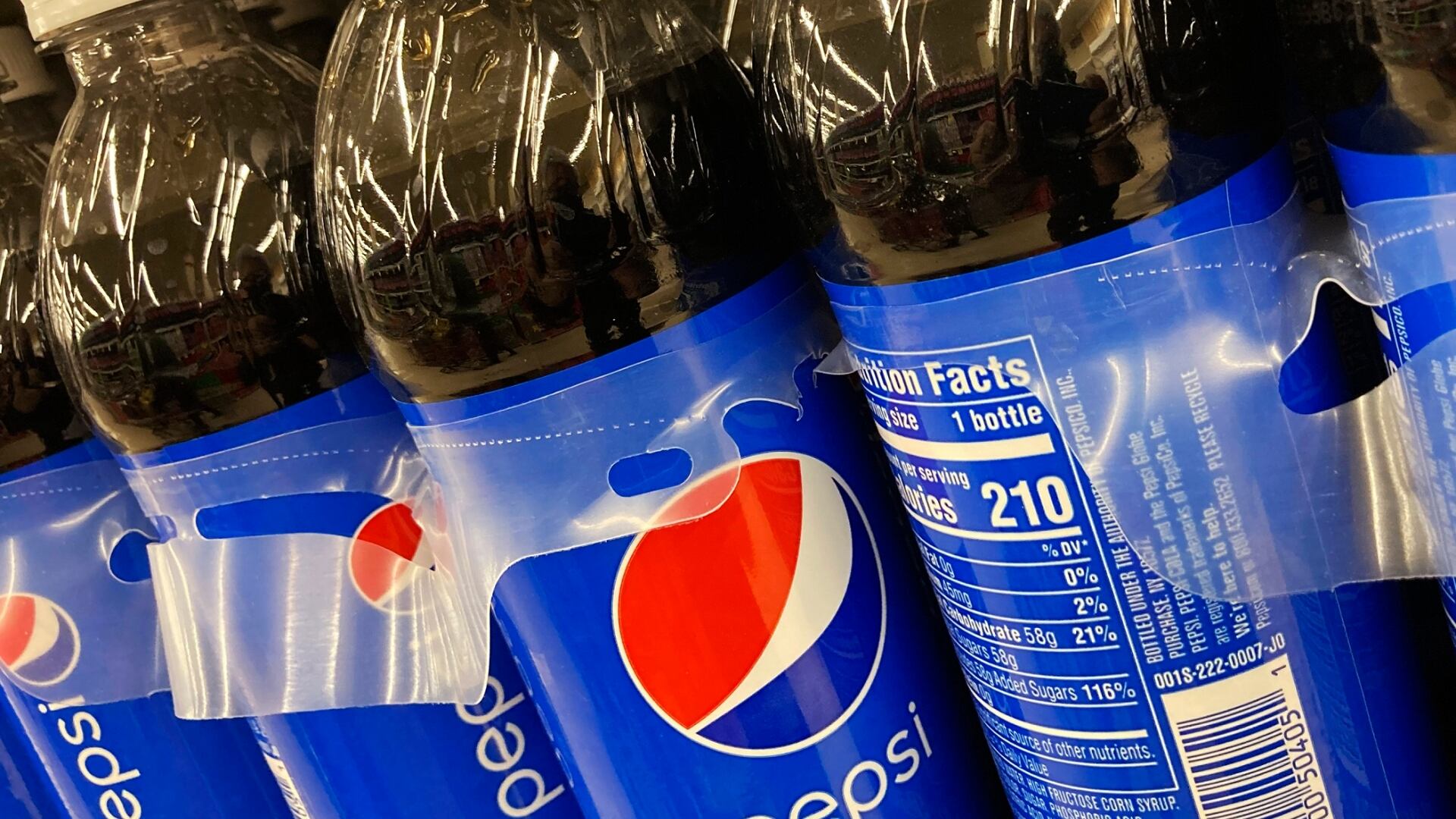
PepsiCo, Coca-Cola, McDonald’s, and Starbucks are the latest American food brands to have halted business operations in Russia after having faced scrutiny and criticism for originally failing to do so amid the country's invasion of Ukraine.
As Russia intensifies its war on Ukraine, President Biden announced a ban on oil imported from the aggressor nation. Critics of Russia have said this would be the best way to force Putin to pull back, but curbs on Russian oil exports are expected to send already skyrocketing oil and gas prices even higher, further impacting consumers, businesses, financial markets, and the global economy. Leslie Beyer, CEO of the Energy Workforce and Technology Council, joined Cheddar News' Closing Bell to discuss. "It's certainly going to increase pricing, but it is the right thing to do," she said. "The industry itself has already pulled out of the significant portion of its operations in Russia."
Sports Betting in the U.S. is booming. According to industry experts, we could see another boom this year as more states move towards statewide legalization of sports wagering. While this comes as huge news for fans, there are some very real concerns as to whether or not sports betting potentially poses a threat to public health. Senior Clinician at the Caron Treatment Centers, Eric Webber, joined Cheddar to discuss more.
The Biden administration has made gender policy a core part of how it governs. The president established the first Gender Policy Council. It's on the same level as the National Security Council, Domestic Policy Council and National Economic Council, putting the interests of women and other underserved groups at the table for the most important policy discussions.
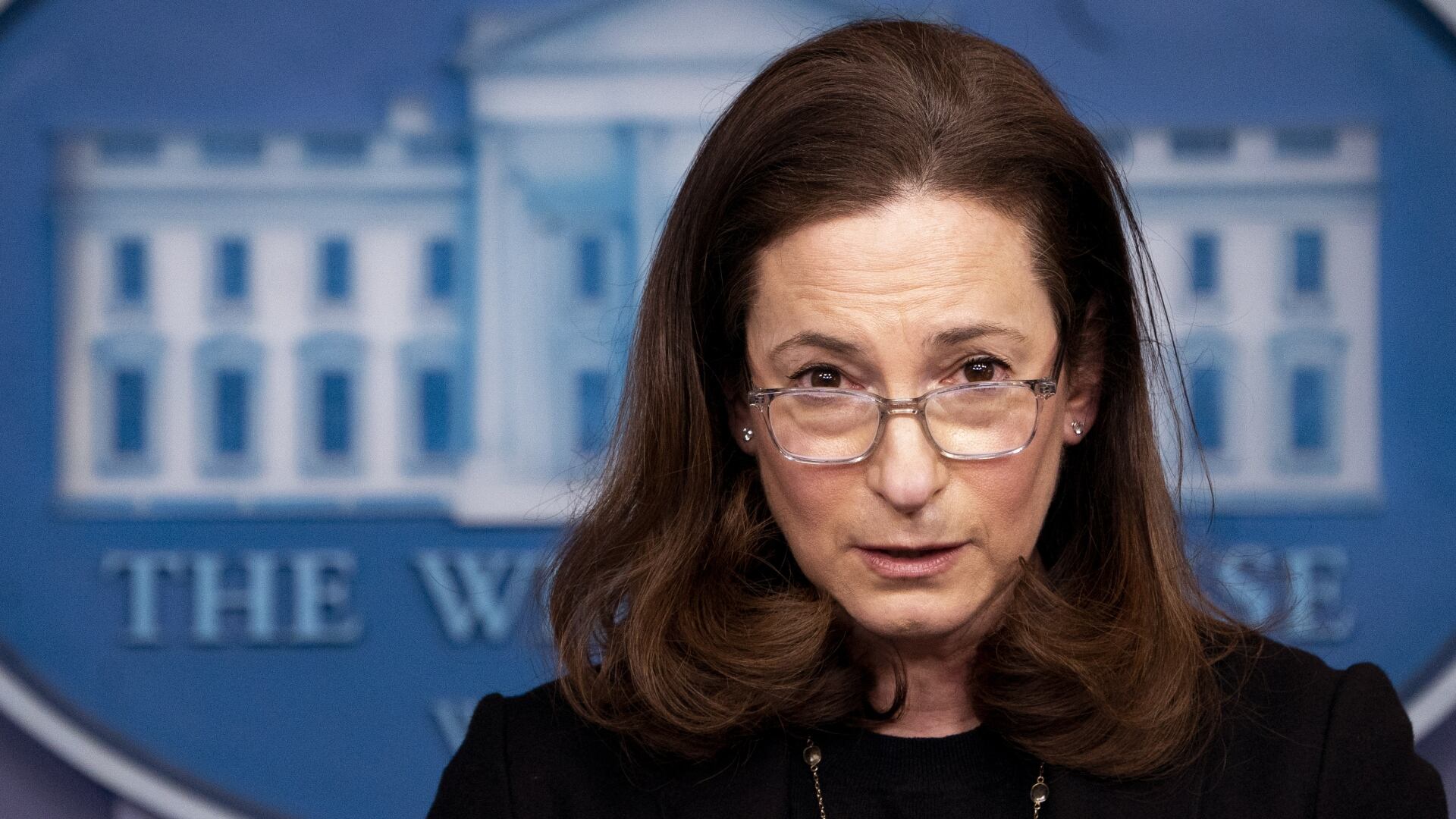
Cheddar News sat down with Jennifer Klein, executive director and co-chair of the White House Gender Policy Council, to discuss the council's work and its significance during Women's History Month.
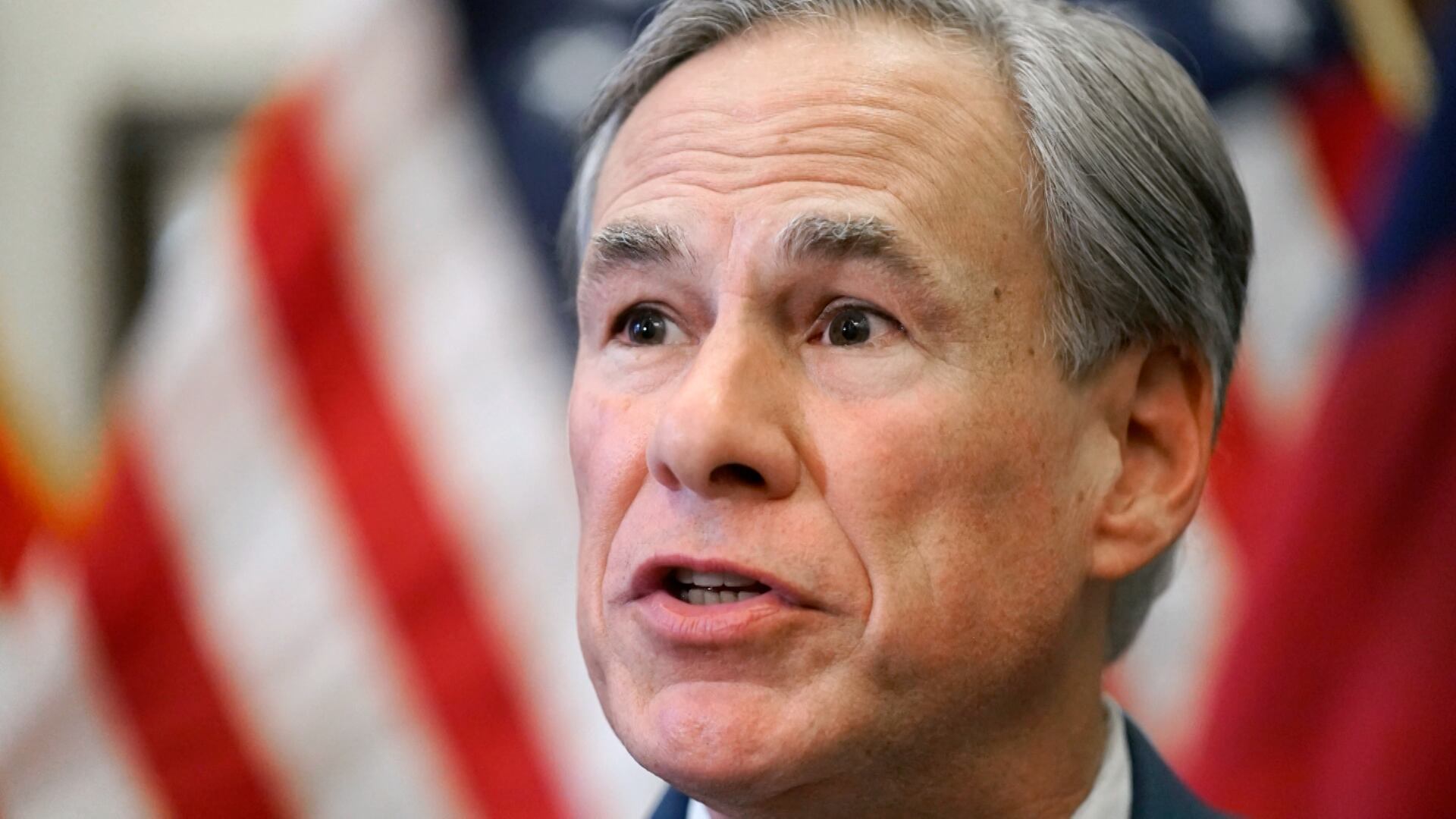
State Representative Jessica González, Vice Chair of the Texas House LGBTQ Caucus, joins Cheddar News to discuss the latest Texas anti-transgender directive.
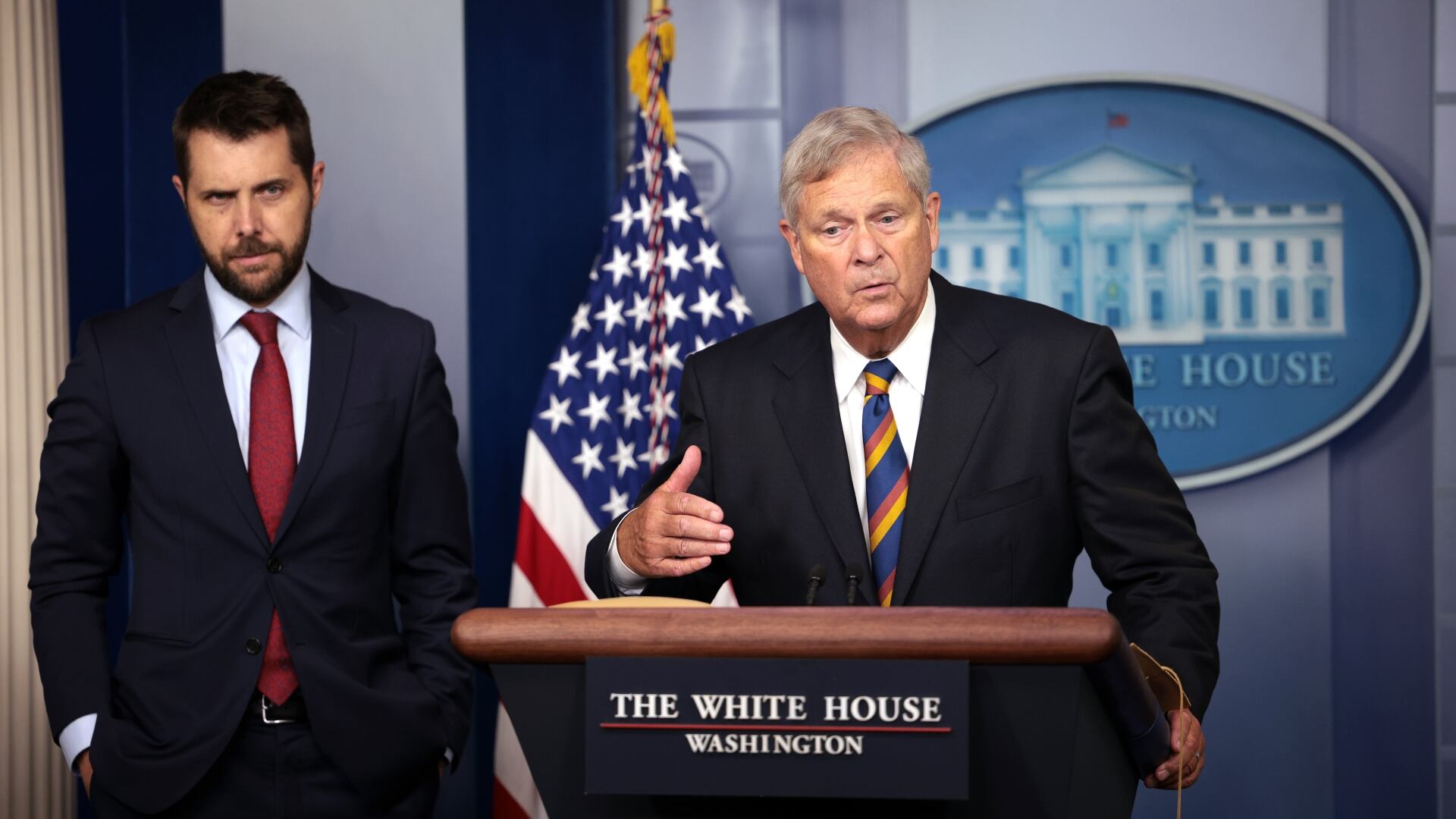
The United States Secretary of Agriculture, Tom Vilsack joins None of the Above to discuss the newly emerging conflict in Europe, what it means for agriculture in the states, dairy and meat consumption, and how the department is planning to promote climate-smart agriculture.
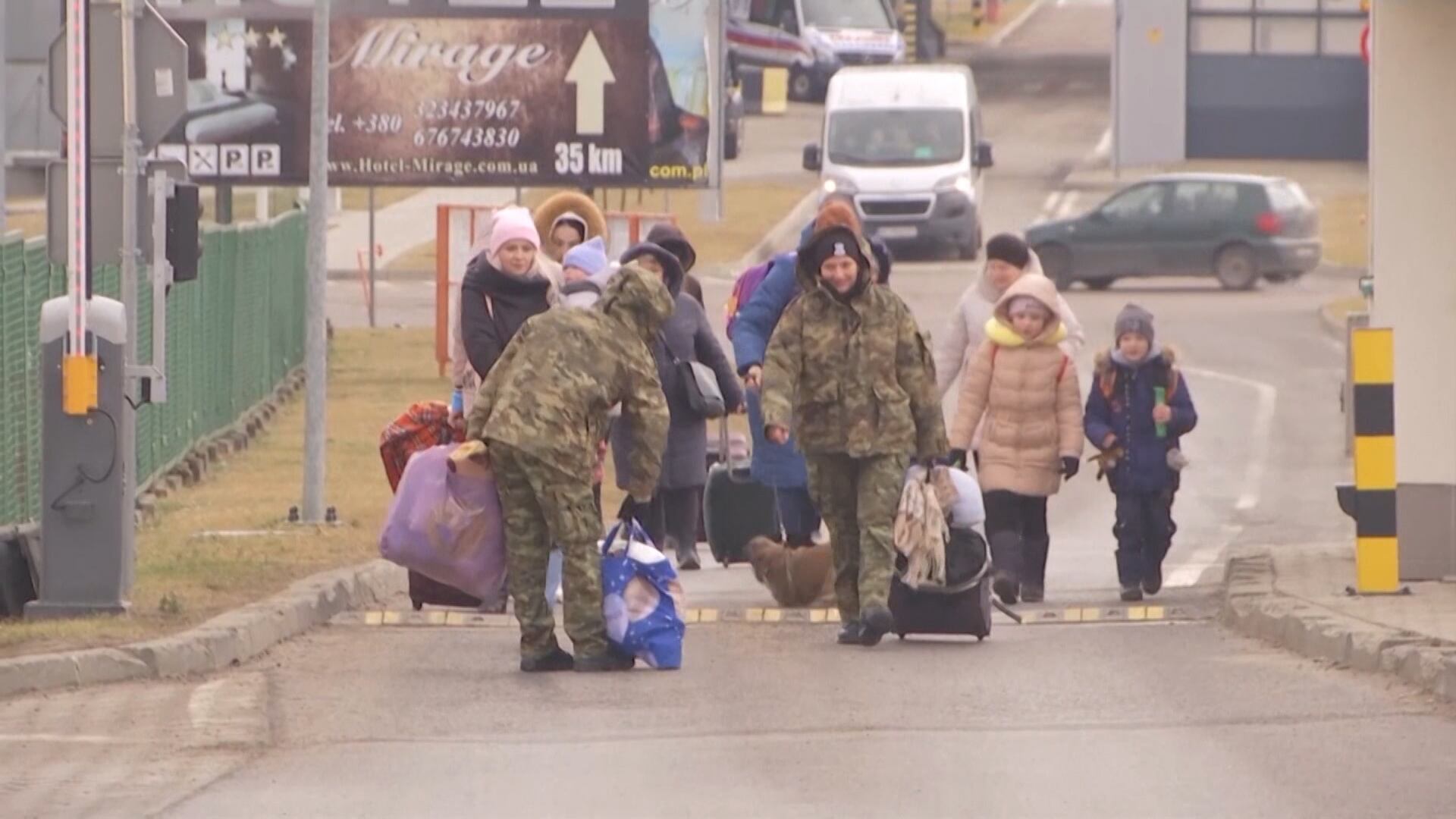
Tens of thousands of people have fled Ukraine in attempts to escape the Russian Invasion. According to the U.N. neighboring countries like Poland, Hungary, and even Romania have seen half a million refugees. While the hospitality is being welcomed by many, it also highlights the mistreatment of migrants and refugees from the Middle East and Africa. Professor of Philosophy and Director of Politics at Northeastern University Serena Parekh, joined Cheddar, to discuss more.
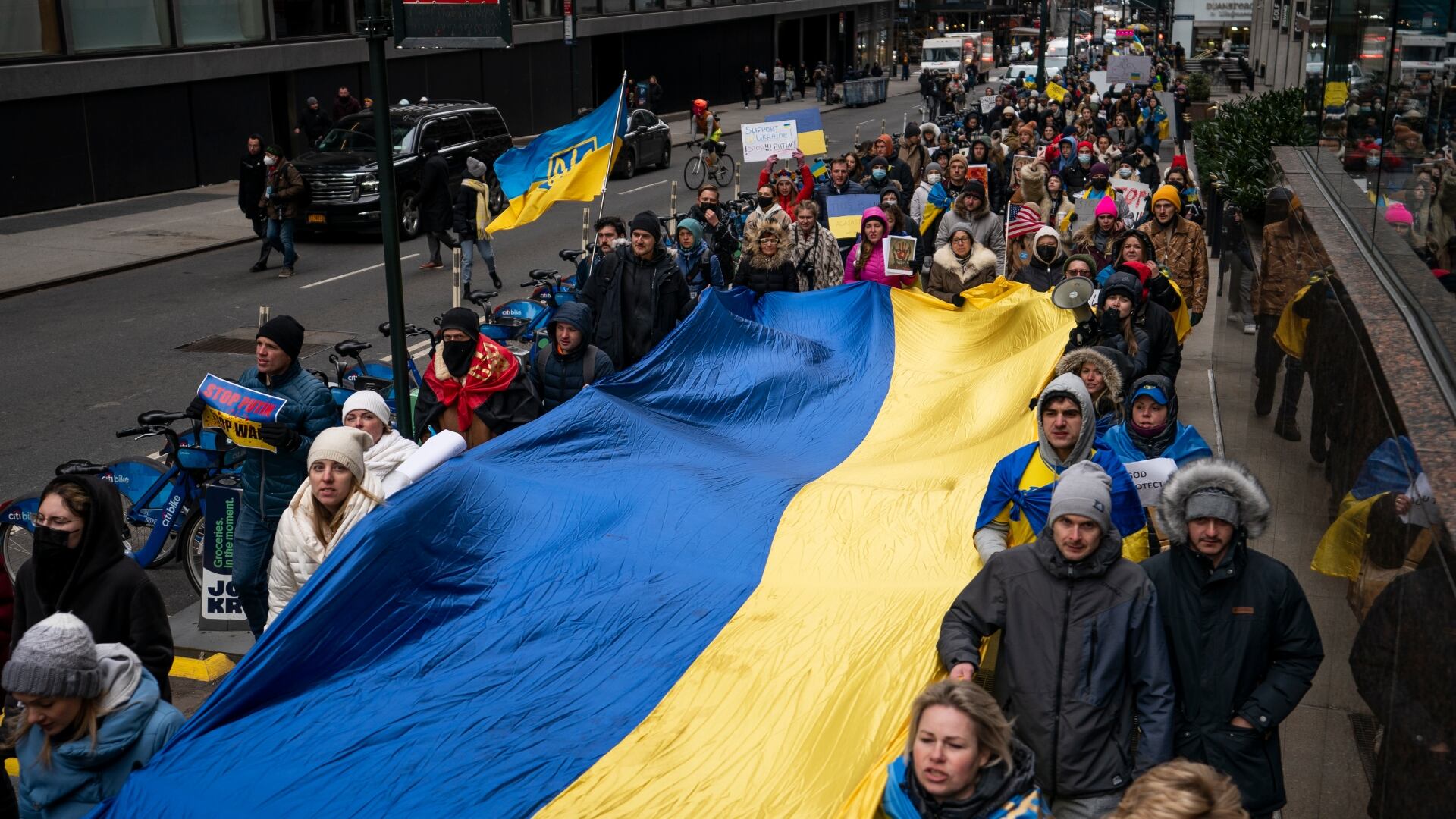
As Russia unleashed war in the country of Ukraine, global leaders have started inflicting punishment on Vladimir Putin's regime via commercial and financial penalties. According to President Joe Biden Putin's aggression is "a flagrant violation of international law and it demands a firm response from the international community".However, the main question is will these sanctions actually work. Partner at Jenner & Block LLP, Rachel Alpert, joined Cheddar to discuss more.