Rep. Debbie Dingell (D-MI) on What Facebook Regulation May Look Like
Mark Zuckerberg’s two marathon days of Congressional hearings, at the very least, may have shifted the conversation around regulation from a possibility to an inevitability.
While the Facebook CEO kicked off his House committee hearing Wednesday with the same opening statement he gave the Senate a day earlier, there were some revelations.
Zuckerberg admitted his own data was exposed to Cambridge Analytica and that Facebook does collect information on people who aren’t even Facebook users.
At the start of the week, there were still a lot of questions over whether regulation would actually happen. But after the two hearings, the tone shifted to what that regulation should look like.
Rep. Debbie Dingell (D-MI), who sits on the House committee that questioned Zuckerberg Wednesday, spoke to Cheddar before the hearing. She said the Honest Ads Act, which is meant to make online political ads more transparent and was brought up repeatedly at the hearings, “is just the beginning.” She pointed to European privacy laws as potential models legislators could follow.
“Yes, cultures are different,” she acknowledged, “but there are some very basic things there that I think we need to be looking at in the United States as well.”
Recent legislation in Europe, which goes into effect later this year, will force companies across industries to reveal what data they are collecting on customers and how they use it, as well as to notify users when their information has been breached. Policies to counter hate speech in the EU require companies to remove instances within a 24-hour time frame.
That particular point, though, could run up against the First Amendment in the U.S., according to The New Yorker’s contributing editor [Andrew Marantz](https://cheddar.com/videos/will-the-u-s-adopt-european-style-regulation).
The onus now lies on lawmakers to take what they may or may not have learned from Zuckerberg’s hearings and draw up appropriate regulations.
“The fact that we’re talking about this at all is a big shift,” said Marantz. “It does seem like we’re much closer to this kind of regulation being passed than we ever have been before.”
For full interview, [click here](https://cheddar.com/videos/rep-debbie-dingell-d-mi-previews-zucks-house-testimony).
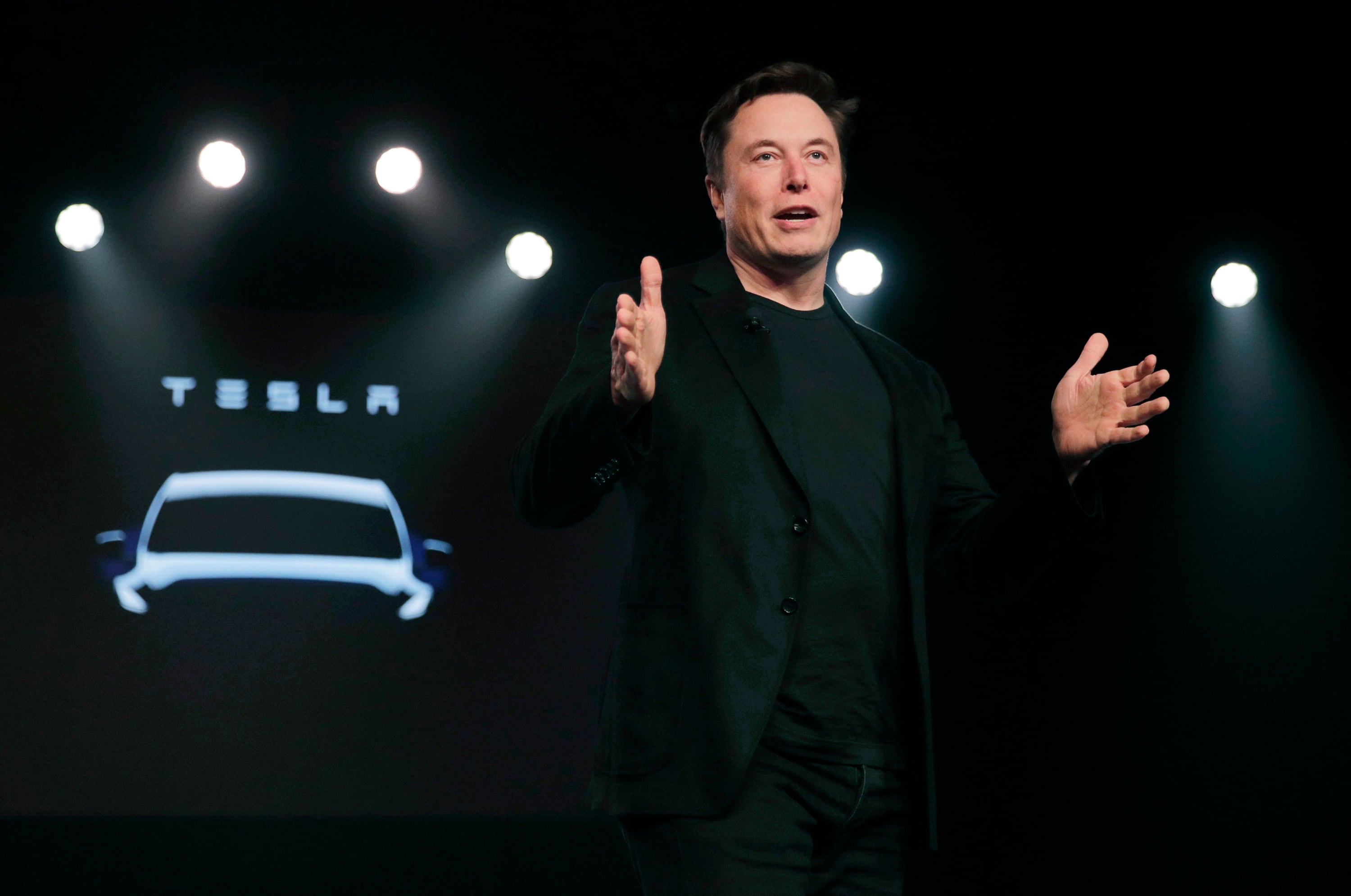
The State Department had been in talks with Elon Musk’s Tesla company to buy armored electric vehicles, but the plans have been put on hold by the Trump administration after reports emerged about a potential $400 million purchase. A State Department spokesperson said the electric car company owned by Musk was the only one that expressed interest back in May 2024. The deal with Tesla was only in its planning phases but it was forecast to be the largest contract of the year. It shows how some of his wealth has come and was still expected to come from taxpayers.
At 100 years old, the Goodyear Blimp is an ageless star in the sky. The 246-foot-long airship will be in the background of the Daytona 500 — flying roughly 1,500 feet above Daytona International Speedway, actually — to celebrate its greatest anniversary tour. Even though remote camera technologies are improving regularly and changing the landscape of aerial footage, the blimp continues to carve out a niche. At Daytona, with the usual 40-car field racing around a 2½-mile superspeedway, views from the blimp aptly provide the scope of the event.
You'll just have to wait for interest rates (and prices) to go down. Plus, this deal's a steel, the big carmaker wedding is off, and bribery is back, baby!
It’s a chicken-and-egg problem: Restaurants are struggling with record-high U.S. egg prices, but their omelets, scrambles and huevos rancheros may be part of the problem. Breakfast is booming at U.S. eateries. First Watch, a restaurant chain that serves breakfast, brunch and lunch, nearly quadrupled its locations over the past decade to 570. Fast-food chains like Starbucks and Wendy's added more egg-filled breakfast items. In normal times, egg producers could meet the demand. But a bird flu outbreak that has forced them to slaughter their flocks is making supplies scarcer and pushing up prices. Some restaurants like Waffle House have added a surcharge to offset their costs.
William Falcon, CEO and Founder of Lightning AI, discusses the ongoing feud between Elon Musk and Sam Altman, and how everyday people can use AI in their lives.
U.S. tariffs on steel and aluminum “will not go unanswered,” European Union chief Ursula von der Leyen vowed on Tuesday, adding that they will trigger toug
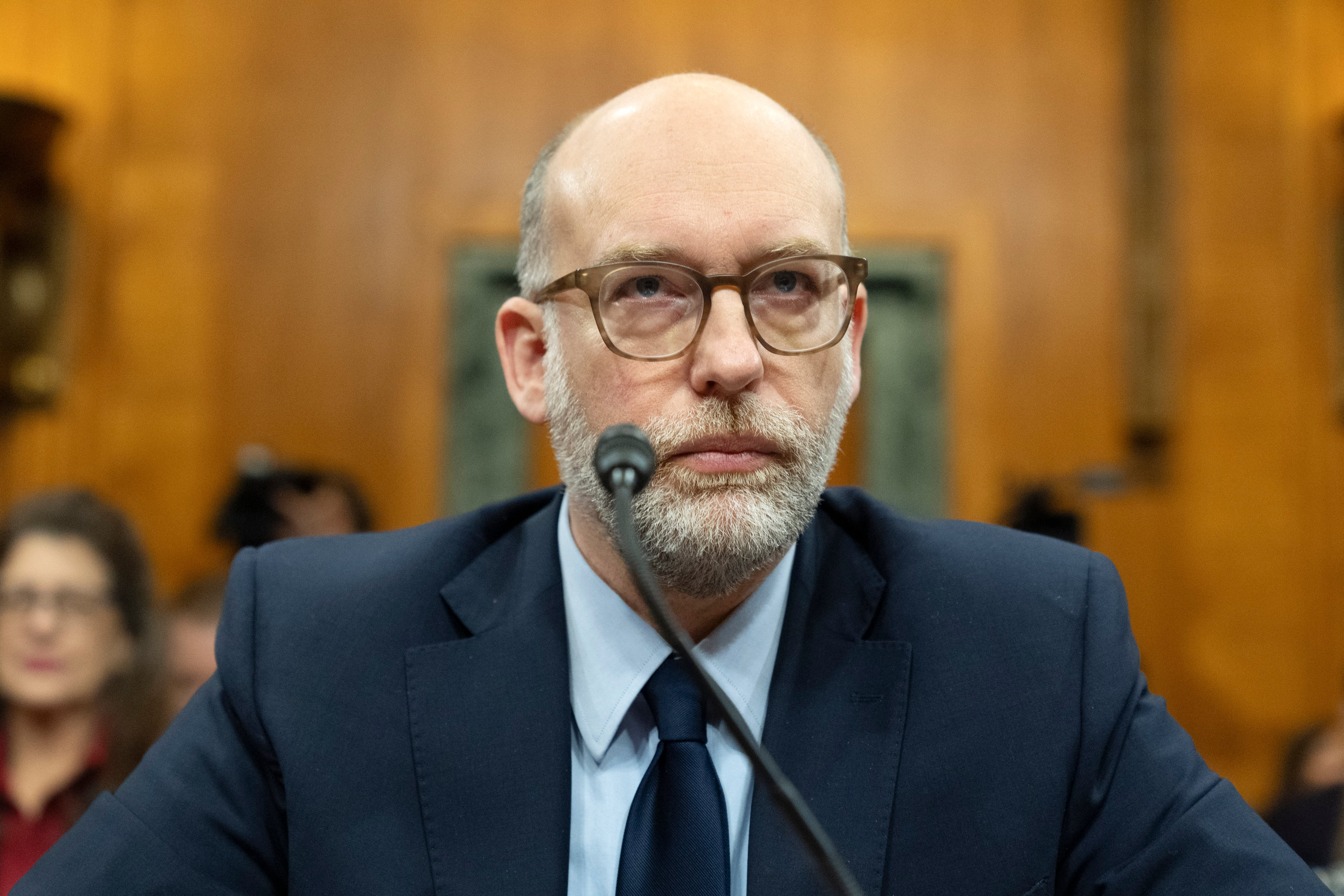
The Trump administration has ordered the Consumer Financial Protection Bureau to stop nearly all its work, effectively shutting down the agency that was created to protect consumers after the 2008 financial crisis and subprime mortgage-lending scandal. Russell Vought is the newly installed director of the Office of Management and Budget. Vought directed the CFPB in a Saturday night email to stop work on proposed rules, to suspend the effective dates on any rules that were finalized but not yet effective, and to stop investigative work and not begin any new investigations. The agency has been a target of conservatives since President Barack Obama created it following the 2007-2008 financial crisis.