Rep. Darren Soto Shares His Expectations For President Trump's First State Of The Union Address
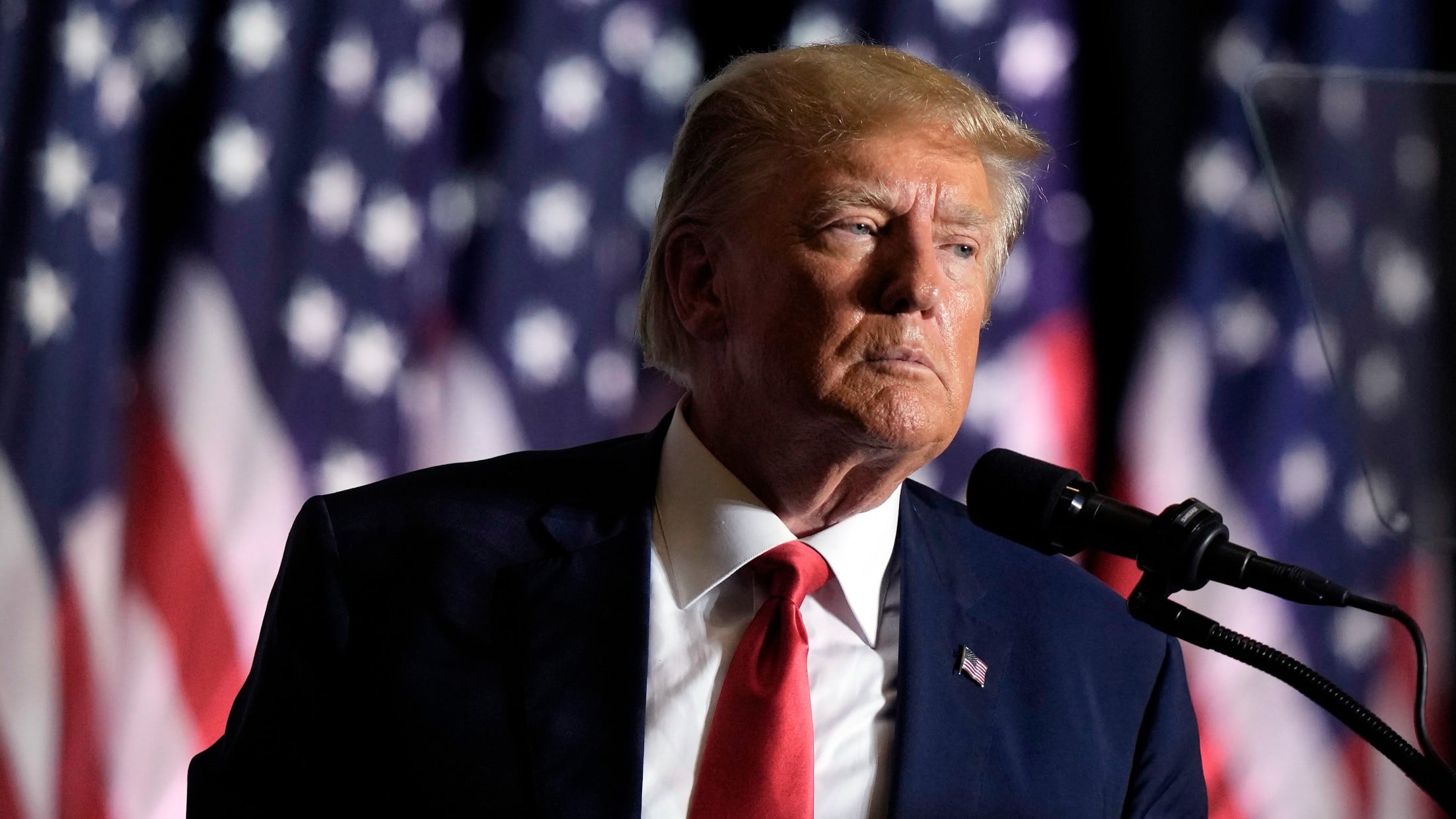
President Trump addresses a joint session of Congress tomorrow to deliver his first State of the Union speech, which will set the tone for the next year in American politics.
Congressman Darren Soto (D-FL) will be in the audience. He gives his take on what to expect from President Trump's first State of the Union address. He also discusses Democrats' decision to tap Massachusetts Representative Joe Kennedy to deliver the party's response to the address. Rep. Soto says he thinks it was a great decision and that Kennedy is "a strong progressive."
Rep. Soto also shares his take on the news that FBI Deputy Director Andrew McCabe is resigning from his position. Soto says that Special Investigator Robert Mueller needs to be able to complete the Russia investigation with no distractions, and that McCabe had "become a distraction."
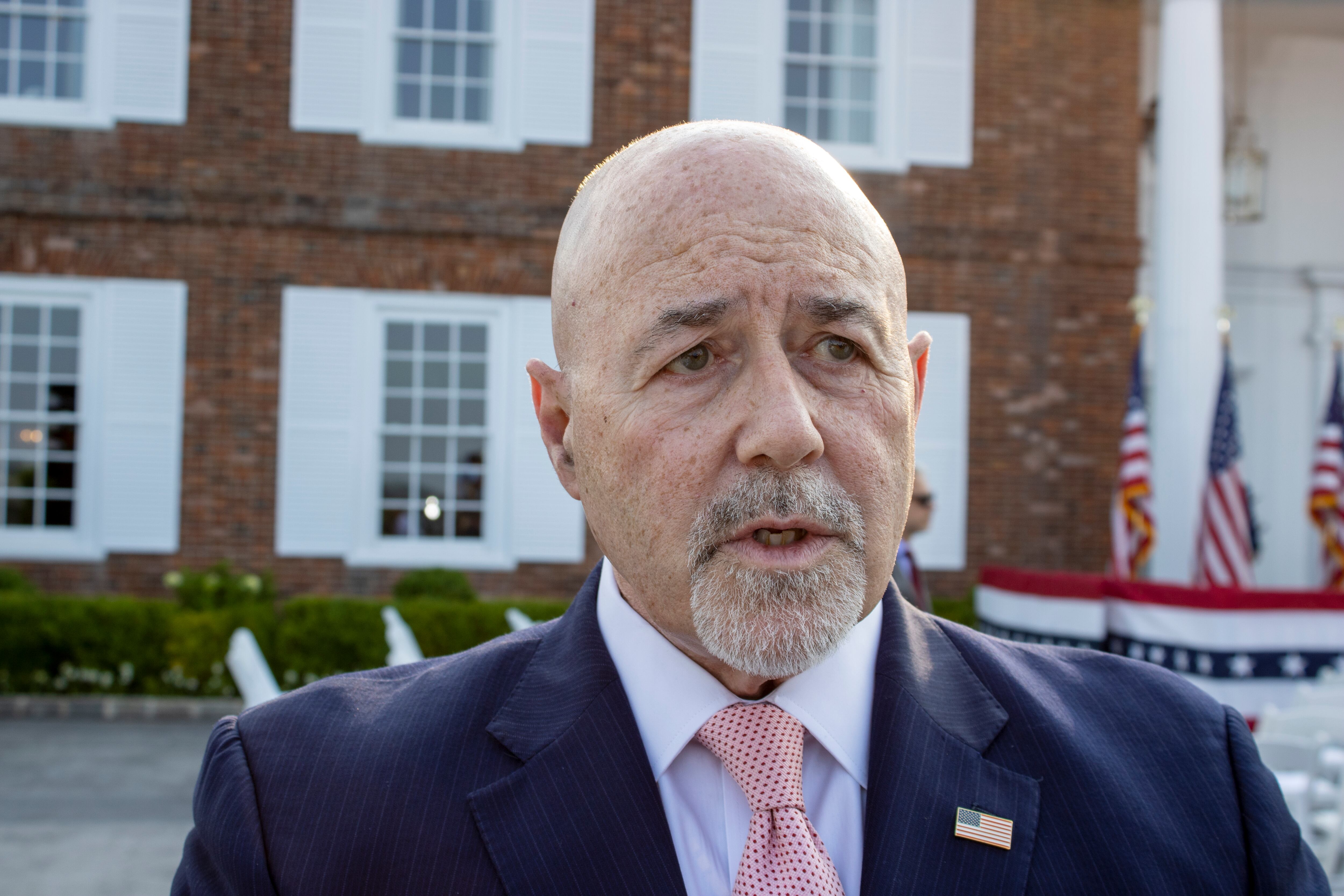
The lawyer for former NYPD commissioner Bernard Kerik turned over thousands of pages and documents to a special counsel as part of an investigation into Kerik's alleged involvement to overturn the results of the 2020 election.
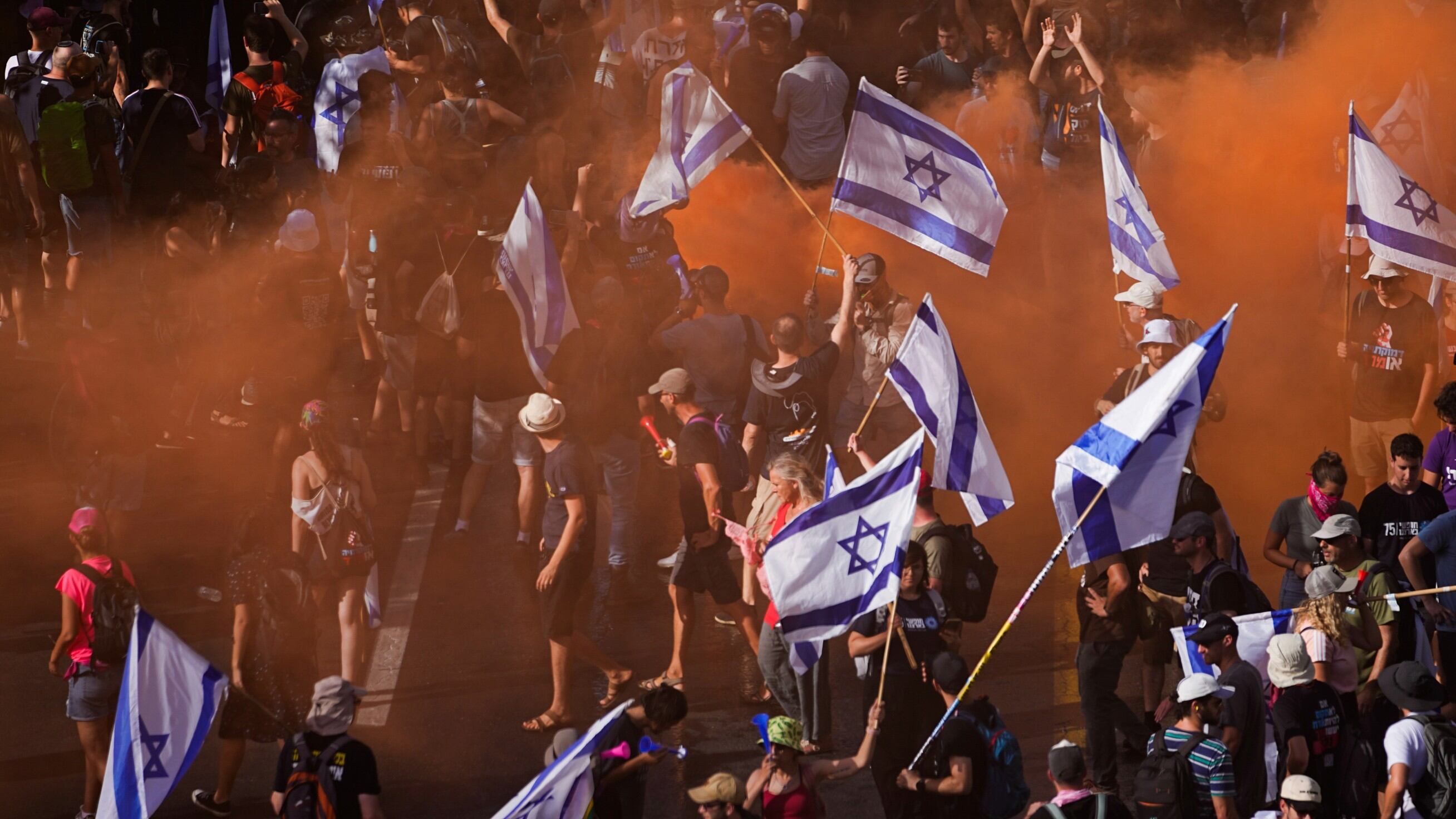
Israel’s parliament on Monday approved the first major law in Prime Minister Benjamin Netanyahu’s contentious plan to overhaul the country’s justice system, triggering a new burst of mass protests and drawing accusations that he was pushing the country toward authoritarian rule.
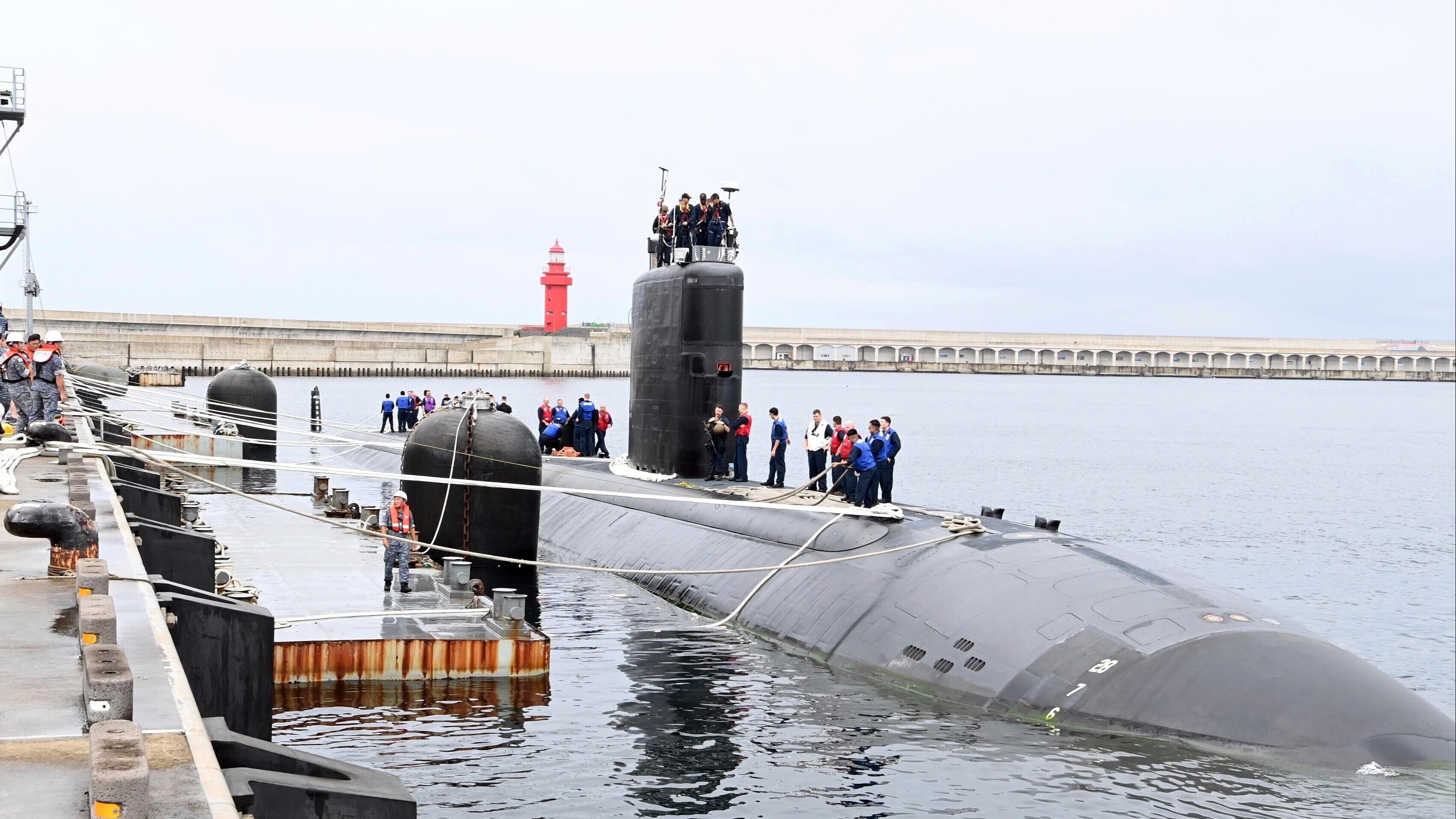
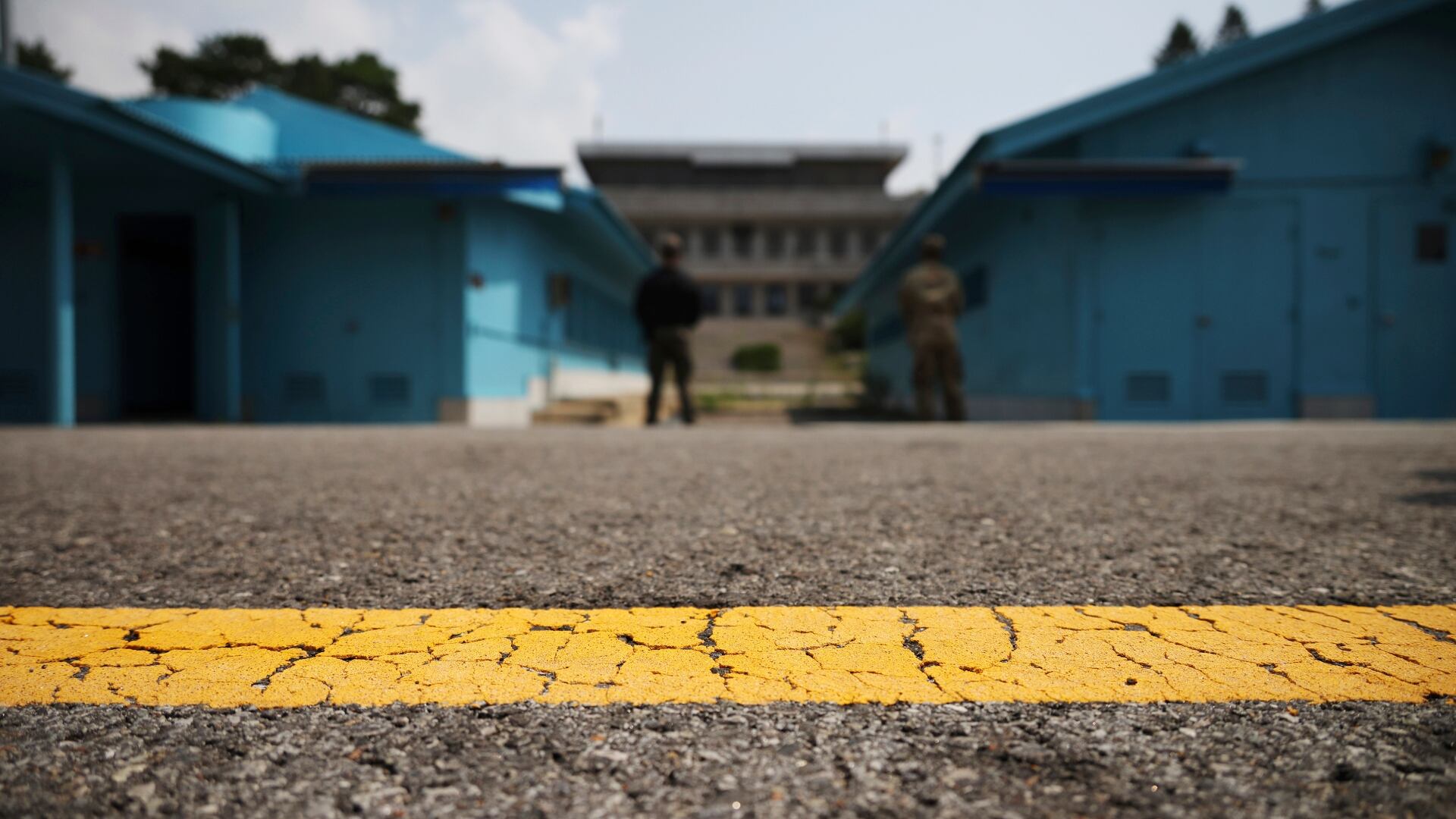
North Korea fired two short-range ballistic missiles into its eastern sea, South Korea’s military said Tuesday, adding to a recent streak in weapons testing that is apparently in protest of the U.S. sending major naval assets to South Korea in a show of force.
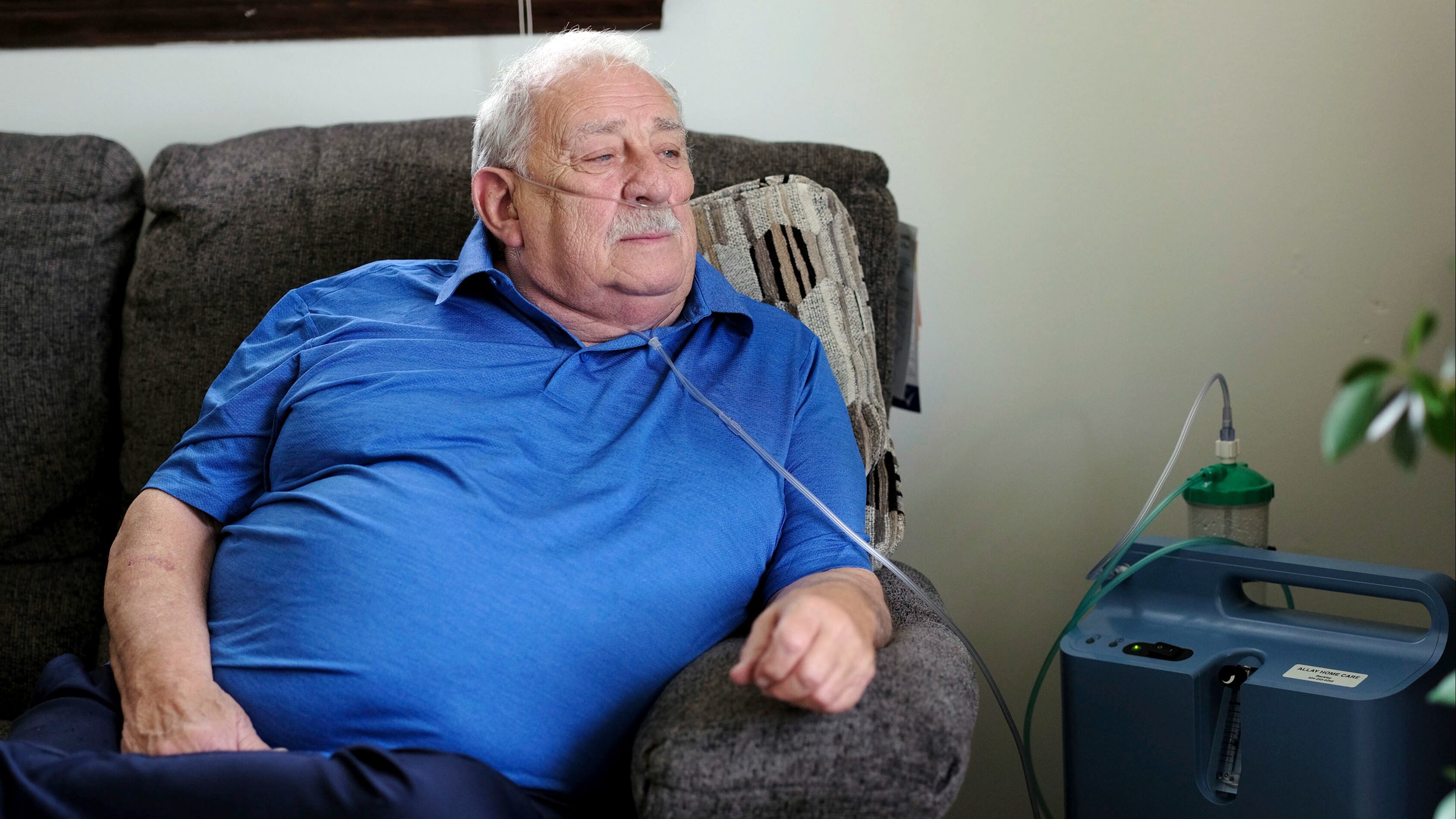
Now the federal Mine Safety and Health Administration has proposed a rule that would cut the current limit for silica exposure by half — a major victory for safety advocates. But there is skepticism and concern about the government following through after years of broken promises and delays.
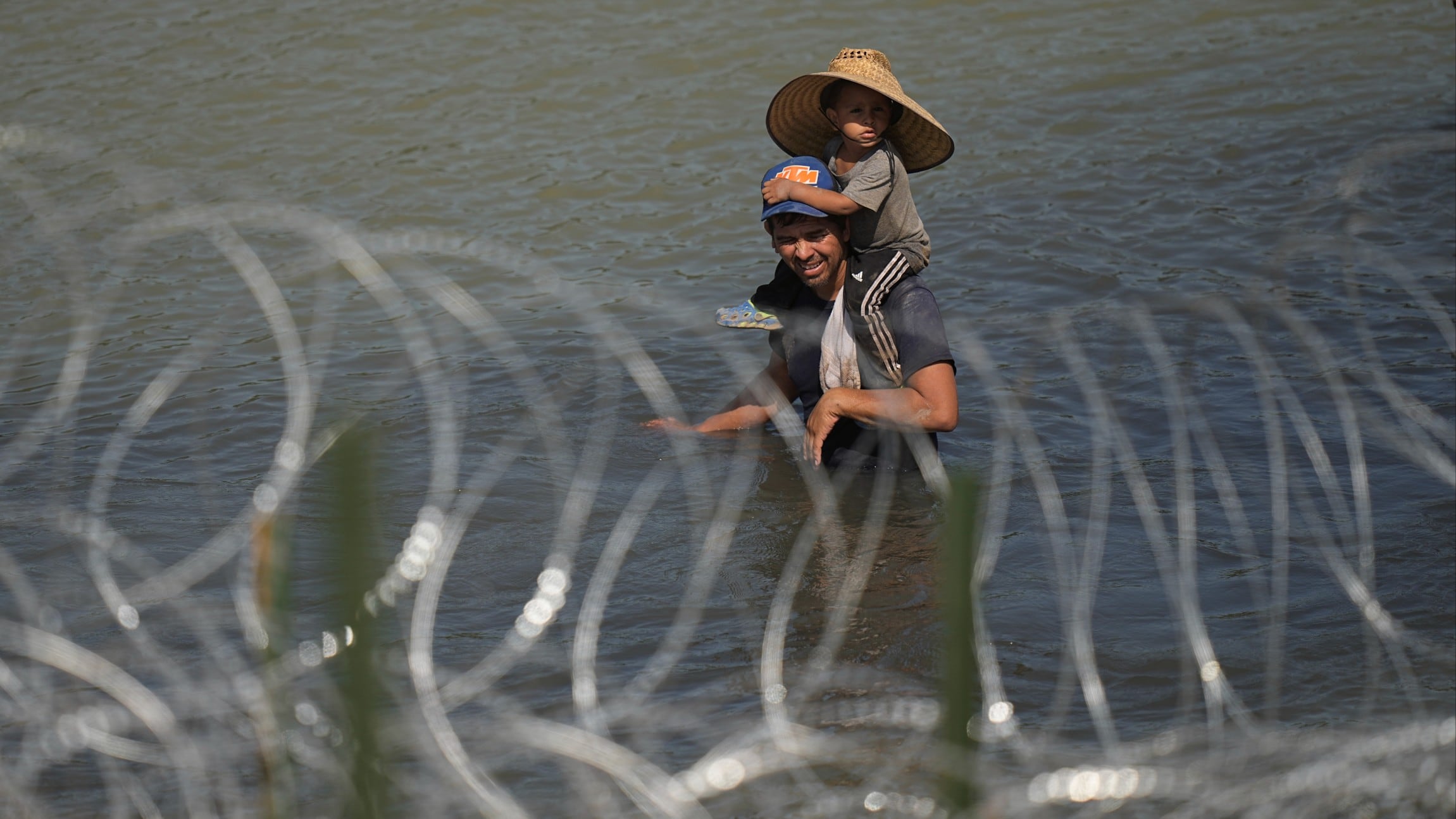
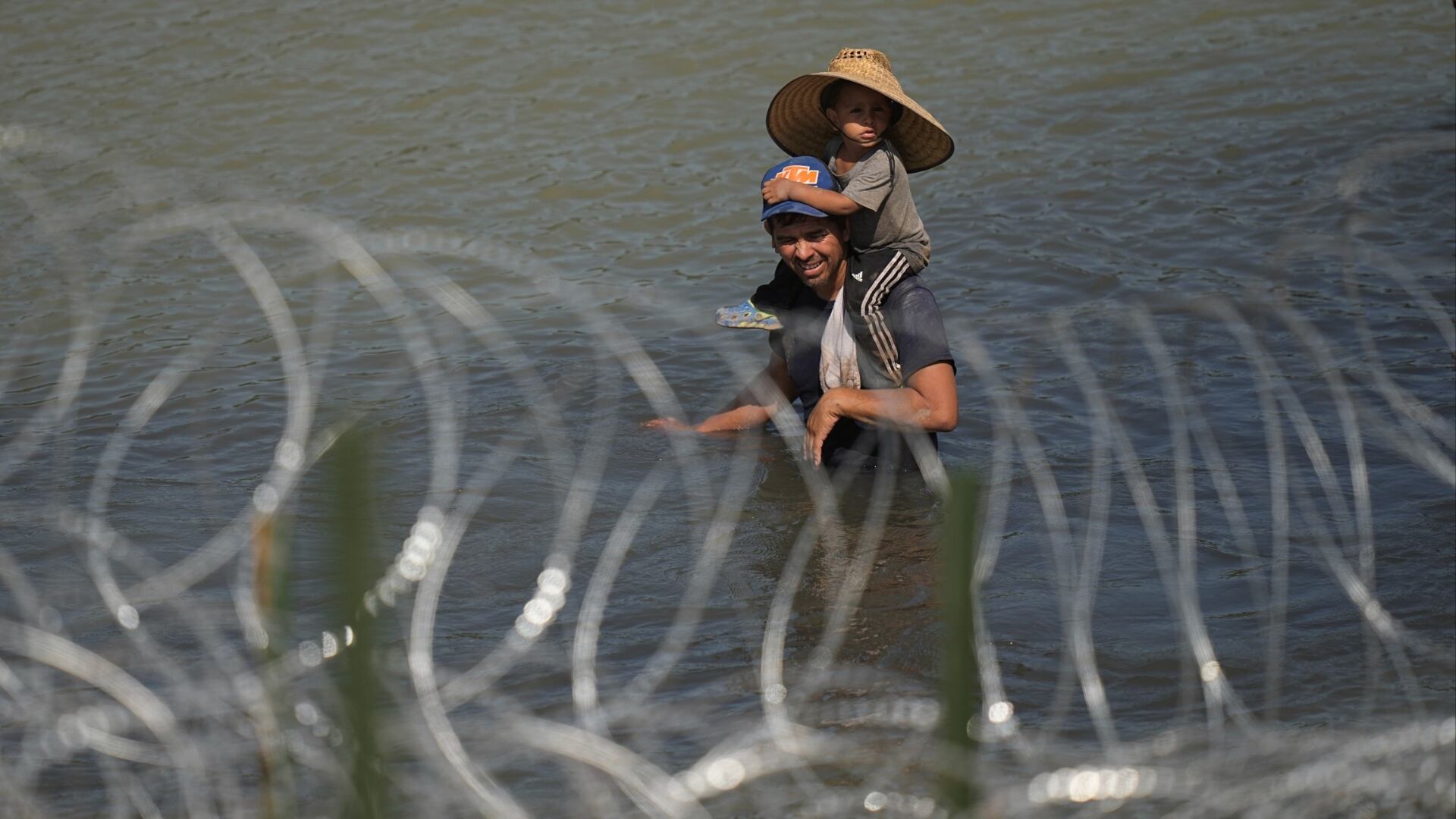
A state trooper's account of officers denying migrants water in 100-degree Fahrenheit (37.7 Celsius) temperatures and razor wire leaving asylum-seekers bloodied has prompted renewed criticism.