By David A. Lieb
A nationwide push to relax drug laws took a significant step forward Tuesday as five more states legalized marijuana for adults and voters made Oregon the first state to decriminalize the possession of small amounts of street drugs such as cocaine, heroin and methamphetamine.
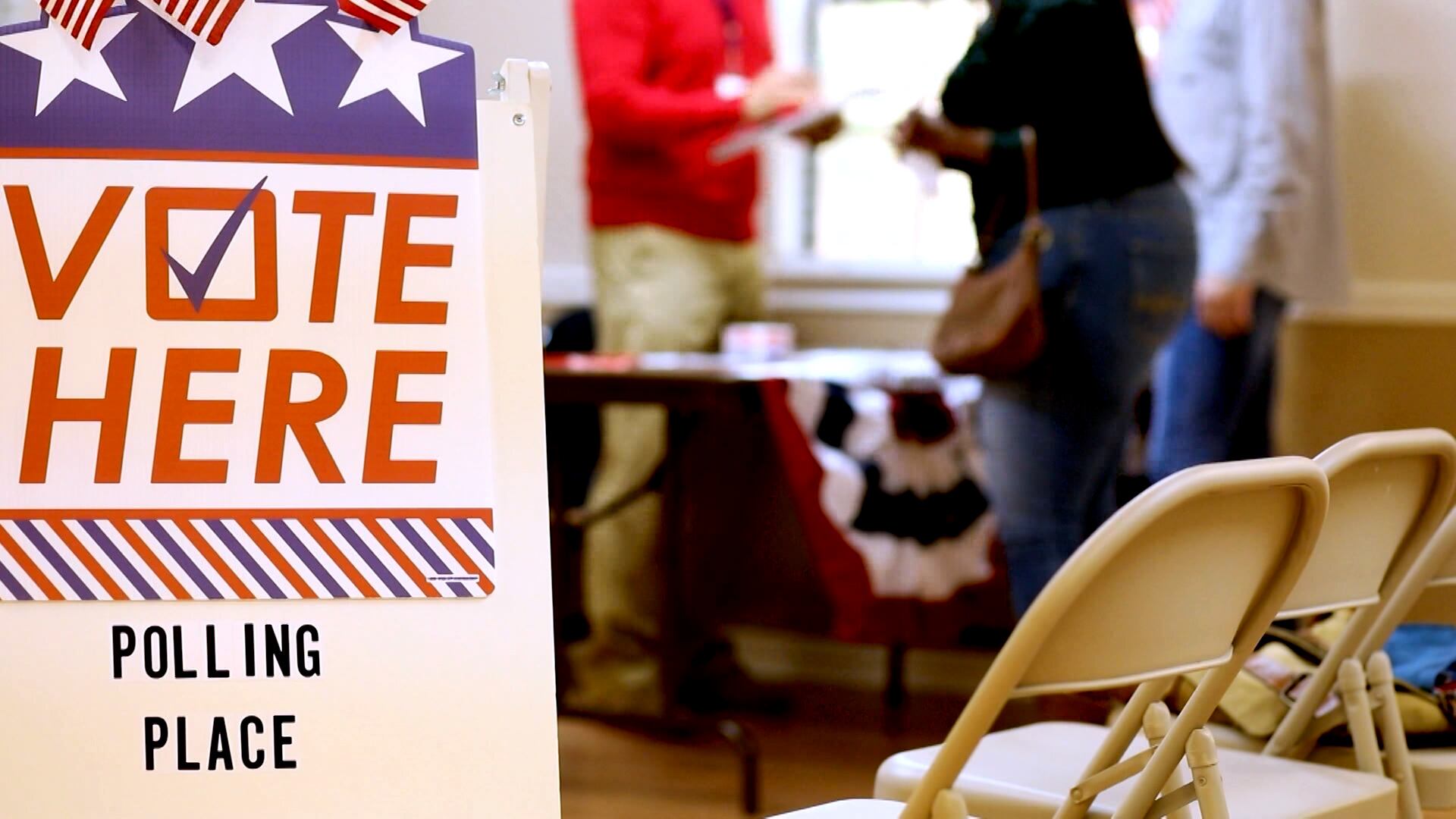
The drug measures were among 120 proposed state laws and constitutional amendments that were on the ballot in 32 states. They touched on an array of issues that have roiled politics in recent years — voting rights, racial inequalities, abortion, taxes and education, to name a few.
But none directly dealt with the dominant theme of 2020 — the coronavirus pandemic. That’s because the process to put measures on the ballot began, in most cases, before the virus surged to the forefront.
The Oregon drug initiative will allow people arrested with small amounts of hard drugs to avoid going to trial, and possible jail time, by paying a $100 fine and attending an addiction recovery program. The treatment centers will be funded by revenues from legalized marijuana, which was approved in Oregon several years ago.
“Today’s victory is a landmark declaration that the time has come to stop criminalizing people for drug use,” said Kassandra Frederique, executive director of the Drug Policy Alliance, which backed the measure.
The proposal was endorsed by the Oregon Democratic Party, as well as some nurses and physician associations. The Oregon Republican Party had denounced the drug decriminalization measure as radical, and some prosecutors called it reckless.
Oregon voters also approved a measure making the state the first to legalize the therapeutic use of psychedelic mushrooms.
Voters in New Jersey and Arizona approved measures legalizing marijuana for adults age 21 and older. In New Jersey, the Legislature now will have to pass another measure setting up the new marijuana marketplace. The Arizona measure also allows people convicted of certain marijuana crimes to seek expungement of their records. The passage of the measure signaled a change of attitudes after Arizona voters narrowly defeated a legal pot proposal in 2016.
South Dakota on Tuesday became the first state where voters authorized both recreational marijuana and medical marijuana via two separate initiatives in the same election. The legalization of recreational marijuana was approved by voters in Montana, and medical marijuana won approval in Mississippi.
A decade ago, recreational marijuana was illegal in all 50 states. Voters allowed it in Colorado and Washington in 2012, sparking a movement that already included 11 states and Washington, D.C., heading into Tuesday’s elections. Supporters hope additional victories, especially in conservative states, could build pressure for Congress to legalize marijuana nationwide.
Two states considered anti-abortion amendments with different results.
Louisiana voters passed a measure asserting there is no state constitutional right to abortion — something that could come into play if the U.S. Supreme Court overturns its Roe v. Wade decision that legalized abortion nationwide.
In Colorado, by contrast, voters defeated a measure to prohibit abortions after 22 weeks unless the pregnant woman’s life is endangered. Previous Colorado ballot initiatives to limit abortion also failed in 2008, 2010, and 2014.
Several states considered measures affecting voting rights.
Virginia voters passed a constitutional amendment taking power away from members of the Democratic-led Legislature to draw voting districts for themselves and members of Congress based on census results. It instead will create a bipartisan commission of lawmakers and citizens to develop a redistricting plan that the Legislature could approve or reject, but not change.
Virginia is the sixth state in the past two general election cycles to pass measures intended to prevent gerrymandering — a process in which politicians draw voting districts to benefit themselves or their political parties.
Voters in Missouri, who passed a redistricting reform measure in 2018, decided Tuesday to roll back key parts of it before it could be used next year. They passed a measure placed on the ballot by the Republican-led Legislature to repeal a nationally unique model that would have used a nonpartisan demographer to draw state House and Senate districts to achieve “partisan fairness” and “competitiveness.” The measure instead returns those duties to bipartisan commissions and drops “partisan fairness” and “competitiveness” to the end of the priority list.
In Florida, voters approved a measure gradually increasing the minimum wage to $15 an hour by 2026. The measure puts Florida in line with at least seven other states — California, Connecticut, Illinois, Maryland, Massachusetts, New Jersey and New York — and Washington, D.C., which already have enacted laws to gradually boost the minimum wage to $15 an hour.
In Mississippi, voters approved a proposal for a new state flag with a magnolia design. The vote came after legislators in June ended the use of a flag bearing a Confederate battle emblem. In Rhode Island, whose official name is “Rhode Island and Providence Plantations,” a proposal was leading to eliminate the final three words, which some say evoke a legacy of slavery.
Tax proposals were on the ballot in more than a dozen states. Tobacco tax hikes passed in Colorado and Oregon. Colorado voters also approved a slight income tax cut. Proposals to charge higher income taxes on the wealthy were trailing in Illinois but leading in Arizona, where the new revenue would fund pay raises for teachers and other school personnel. A California property tax increase on businesses remained close.
In California, Uber, Lyft, and other app-based ride-hailing and delivery services prevailed in their expensive fight to keep drivers classified as independent contractors. The ballot initiative pitted the powerhouses of the so-called gig economy, including DoorDash, Postmates, and Instacart, against labor unions. It was the most expensive California ballot measure ever — more than $220 million was spent, most by the gig companies.
The measure creates an exemption to a state law that would have made drivers eligible for benefits that come with being company employees. San Francisco-based Uber and Lyft had threatened to pull out of California if they lost.
Among the many California ballot proposals was one to repeal a 1996 initiative that prohibits affirmative action programs granting preferential treatment based on race, sex, color, ethnicity, or national origin in public employment, education, or contracting. It was trailing in the polls.
___
Associated Press writer Andrew Selsky contributed to this report.