FILE - A supermoon rises through clouds over the skyline of lower Manhattan, Aug. 1, 2023, as seen from West Orange, N.J. Stargazers are in for a double treat on Wednesday night, Aug. 30: a rare blue supermoon with Saturn peeking from behind. The cosmic curtain rises Wednesday night with the second full moon of August, the reason it’s considered blue. It’s dubbed a supermoon because it’s closer to Earth than usual, appearing especially big and bright. (AP Photo/Seth Wenig, File)
By Marcia Dunn
Stargazers are in for a double treat on Aug. 30: a rare blue supermoon with Saturn peeking from behind.
The cosmic curtain rises Wednesday night with the second full moon of the month, the reason it’s considered blue. It’s dubbed a supermoon because it’s closer to Earth than usual, appearing especially big and bright.
This will be the closest full moon of the year, just 222,043 miles (357,344 kilometers) or so away. That’s more than 100 miles (160 kilometers) closer than the Aug. 1 supermoon.
As a bonus, Saturn will be visible as a bright point 5 degrees to the upper right of the moon at sunset in the east-southeastern sky, according to NASA. The ringed planet will appear to circle clockwise around the moon as the night wears on.
If you missed the month’s first spectacle, better catch this one. There won’t be another blue supermoon until 2037, according to Italian astronomer Gianluca Masi, founder of the Virtual Telescope Project.
Clouds spoiled Masi's attempt to livestream the supermoon rising earlier this month. He’s hoping for clearer skies this time so he can capture the blue supermoon shining above St. Peter’s Basilica at the Vatican.
Weather permitting, observers don’t need binoculars or telescopes — “just their own eyes." said Masi.
“I’m always excited to admire the beauty of the night sky,” he said, especially when it features a blue supermoon.
The first supermoon of 2023 was in July. The fourth and last will be in September.
After two decades of engineering, over $10 billion, and a series of delays, the most powerful telescope built by NASA is finally scheduled to launch on Saturday. The James Webb Space Telescope was built to provide a fresh look at the universe by detecting light that is invisible to the human eye and to reveal new information about the universe's oldest stars and galaxies. Lou Strolger, observatory scientist and deputy head of instruments division, space telescope, joins Cheddar News.
Carlo and Baker kick off the weirdest week of the year with all the news you missed over the holiday weekend, including calls for the CDC to shorten its isolation window as Omicron sweeps through the country.
The 2022 Winter Olympics will be without some of hockey's biggest players. The NHL and the NHL Player's Association have agreed to not participate in the men's hockey tournament at the Games in Beijing next year. The league has been forced to postpone some games because of a rise in COVID-19 cases among players. Washington Post sports reporter Samantha Pell joins Cheddar News' Closing Bell to discuss what this could mean for the Winter Olympics and the sport of hockey.
The National Highway Traffic Safety Administration has opened a formal investigation into Tesla. The agency is looking into about 580,000 Tesla vehicles, and a feature called 'Passenger Play' which allows drivers to play video games on the center touch screen. The feature previously only worked when a vehicle was in park; but, the NHTSA says it has confirmed that the feature has been available while vehicles are in motion since December of 2020. iSeeCars.com executive analyst Karl Brauer joins Cheddar News' Closing Bell to discuss.
Baron Davis and Kate Hudson want you to bring cannabis home for the holidays. The cannabis-infused seltzer brand Cann released a new spot featuring the actress and former NBA player. The campaign comes hand in hand with Cann's launch of a new holiday bundle, which includes its product with Hudson's King Street Vodka. Davis and Hudson are also Cann investors. Cheddar cannabis reporter Chloe Aiello spoke to Davis about his involvement with the company and its new campaign.
Healthcare workforce management platform ShiftMed
recently announced a $45 million funding round.
The company's platform connects nurses and healthcare professionals to hospitals and other healthcare providers.
ShiftMed's new funding comes amid widespread labor shortages in the healthcare sector. The company's CEO Todd Walrath joins Cheddar News' Closing Bell to discuss.
Universities like UCLA, Yale, and Duke have announced they're implementing remote learning amid the COVID omicron variant surge, despite President Biden recommending that K-12 schools should continue in-person education. Jared C. Bass, senior director for Higher Education at American Progress, joined Cheddar to break down what institutions of higher education might be considering differently. "I think some universities are allowing periods of a bit of a respite to allow students to get testing and make sure when they do return back to campus that they're healthy," he noted.
Supply chain issues have become one of the biggest roadblocks for the U.S. EV market, with production woes likely to stunt the industry's growth in 2022. Rich Steinberg, electric vehicle expert and industry advisor, told Cheddar that the Biden administration investing in domestic mining for essential minerals used in battery manufacturing — such as lithium — could help alleviate the bottlenecks. "Some of those same materials are available domestically, they just haven't been prioritized," he said, noting the paradox between green tech and "dirty" mining. "The good news is that there are ways to extract those materials cleanly."
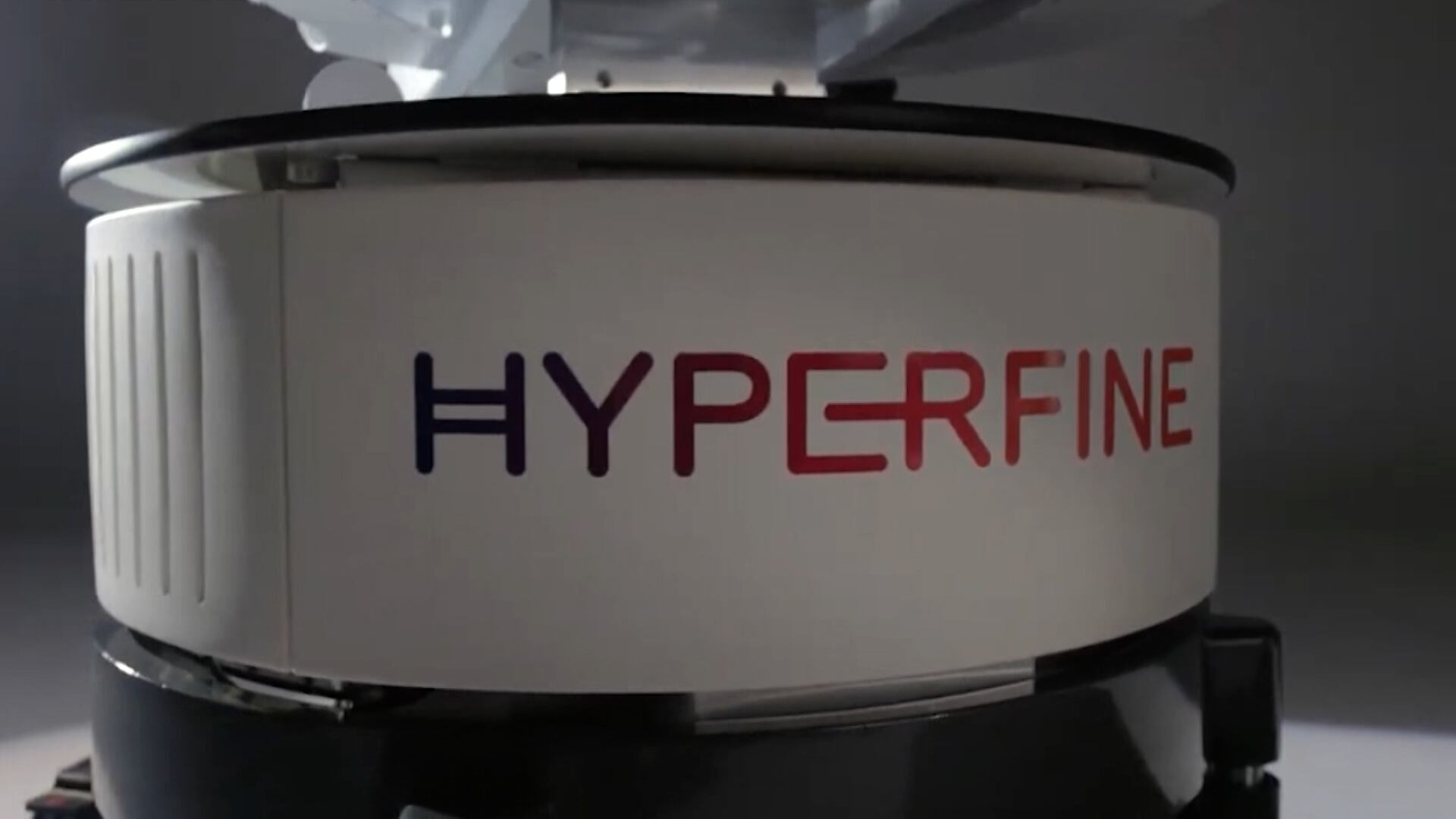
Hyperfine, the pioneer of the very first FDA-approved portable MRI device, made its public debut on the Nasdaq via a SPAC merger. CEO Dave Scott joined Cheddar's "Opening Bell" to discuss the IPO launch, the company's valuation at $580 million, and the impact of its machine called Swoop. "We can roll an MRI system, our MRI Swoop system, right into the room where you are, right up to your patient bedside, and scan you right there and get an image in less than an hour," he explained.
Dr. Rob Davidson, Executive Director of the Committee to Protect Health Care and an ER Physician in West Michigan, joins Cheddar News to break down the expectations of Pfizer's new COVID-19 treatment pill.