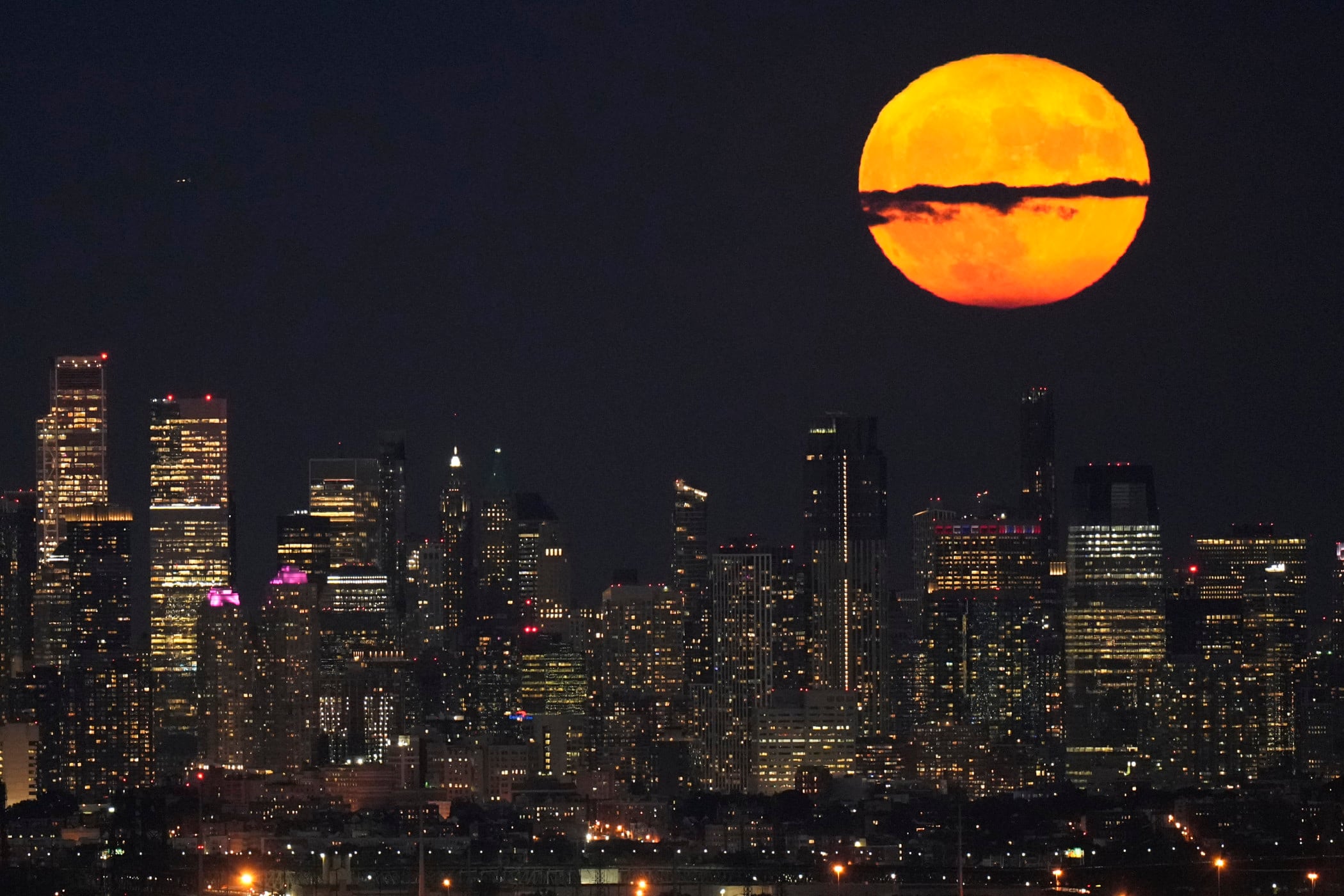
FILE - A supermoon rises through clouds over the skyline of lower Manhattan, Aug. 1, 2023, as seen from West Orange, N.J. Stargazers are in for a double treat on Wednesday night, Aug. 30: a rare blue supermoon with Saturn peeking from behind. The cosmic curtain rises Wednesday night with the second full moon of August, the reason it’s considered blue. It’s dubbed a supermoon because it’s closer to Earth than usual, appearing especially big and bright. (AP Photo/Seth Wenig, File)
By Marcia Dunn
Stargazers are in for a double treat on Aug. 30: a rare blue supermoon with Saturn peeking from behind.
The cosmic curtain rises Wednesday night with the second full moon of the month, the reason it’s considered blue. It’s dubbed a supermoon because it’s closer to Earth than usual, appearing especially big and bright.
This will be the closest full moon of the year, just 222,043 miles (357,344 kilometers) or so away. That’s more than 100 miles (160 kilometers) closer than the Aug. 1 supermoon.
As a bonus, Saturn will be visible as a bright point 5 degrees to the upper right of the moon at sunset in the east-southeastern sky, according to NASA. The ringed planet will appear to circle clockwise around the moon as the night wears on.
If you missed the month’s first spectacle, better catch this one. There won’t be another blue supermoon until 2037, according to Italian astronomer Gianluca Masi, founder of the Virtual Telescope Project.
Clouds spoiled Masi's attempt to livestream the supermoon rising earlier this month. He’s hoping for clearer skies this time so he can capture the blue supermoon shining above St. Peter’s Basilica at the Vatican.
Weather permitting, observers don’t need binoculars or telescopes — “just their own eyes." said Masi.
“I’m always excited to admire the beauty of the night sky,” he said, especially when it features a blue supermoon.
The first supermoon of 2023 was in July. The fourth and last will be in September.
Catching you up on the stories you need to know this morning, mass shooting victims testify on Capitol Hill, the White House outlines its plan to vaccinate kids younger than five years old, and we break down how to protect yourself from monkeypox.
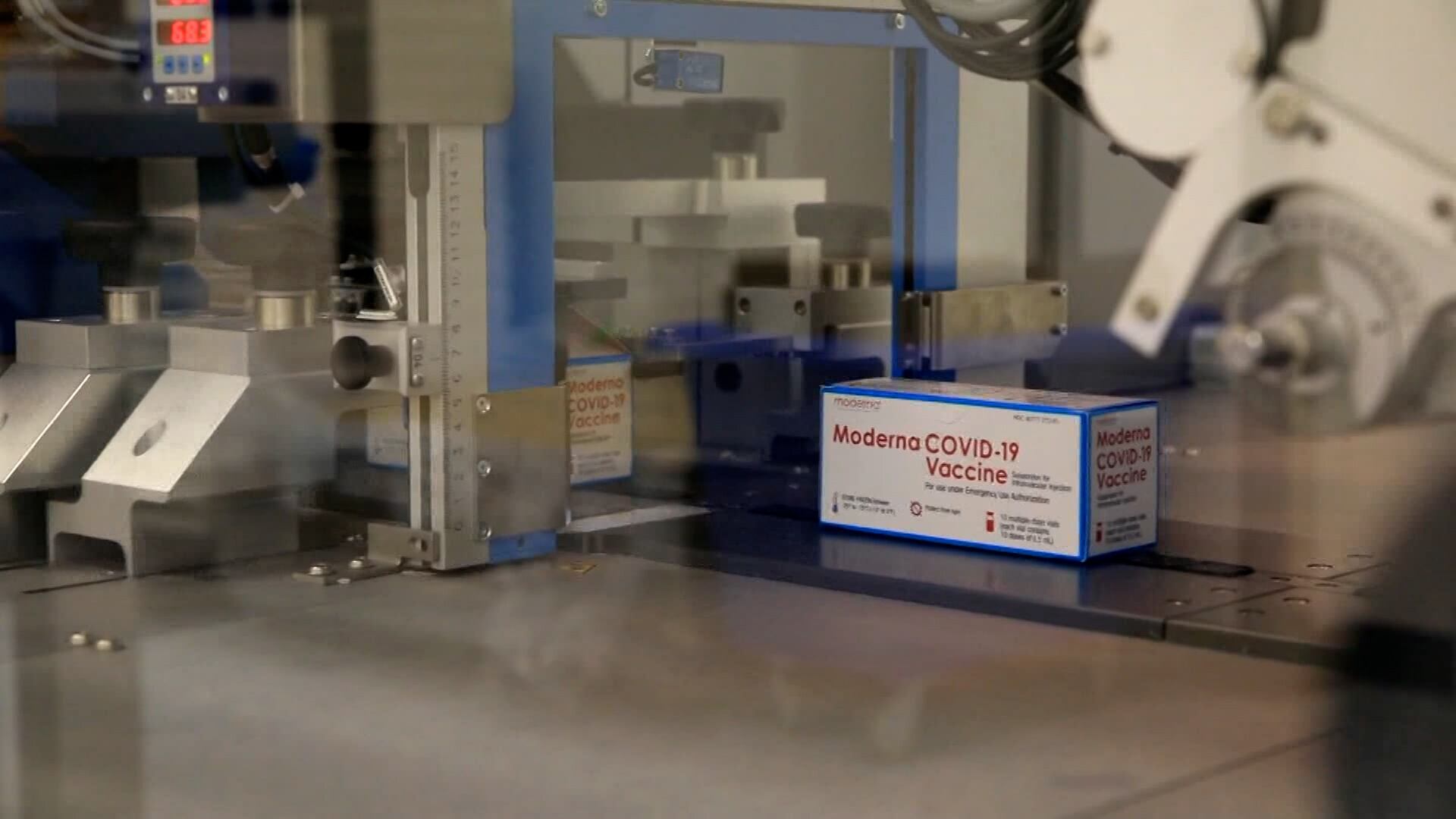
The pharmaceutical giant Moderna says its updated 'bivalent' booster shot provides a stronger immune response against the Omicron variant of COVID-19 specifically. This week, Moderna plans to submit preliminary data to U.S. health officials in the hopes that its new booster will be available later this summer. Dr. Sampson Davis, emergency medicine physician, joins Cheddar News to discuss.
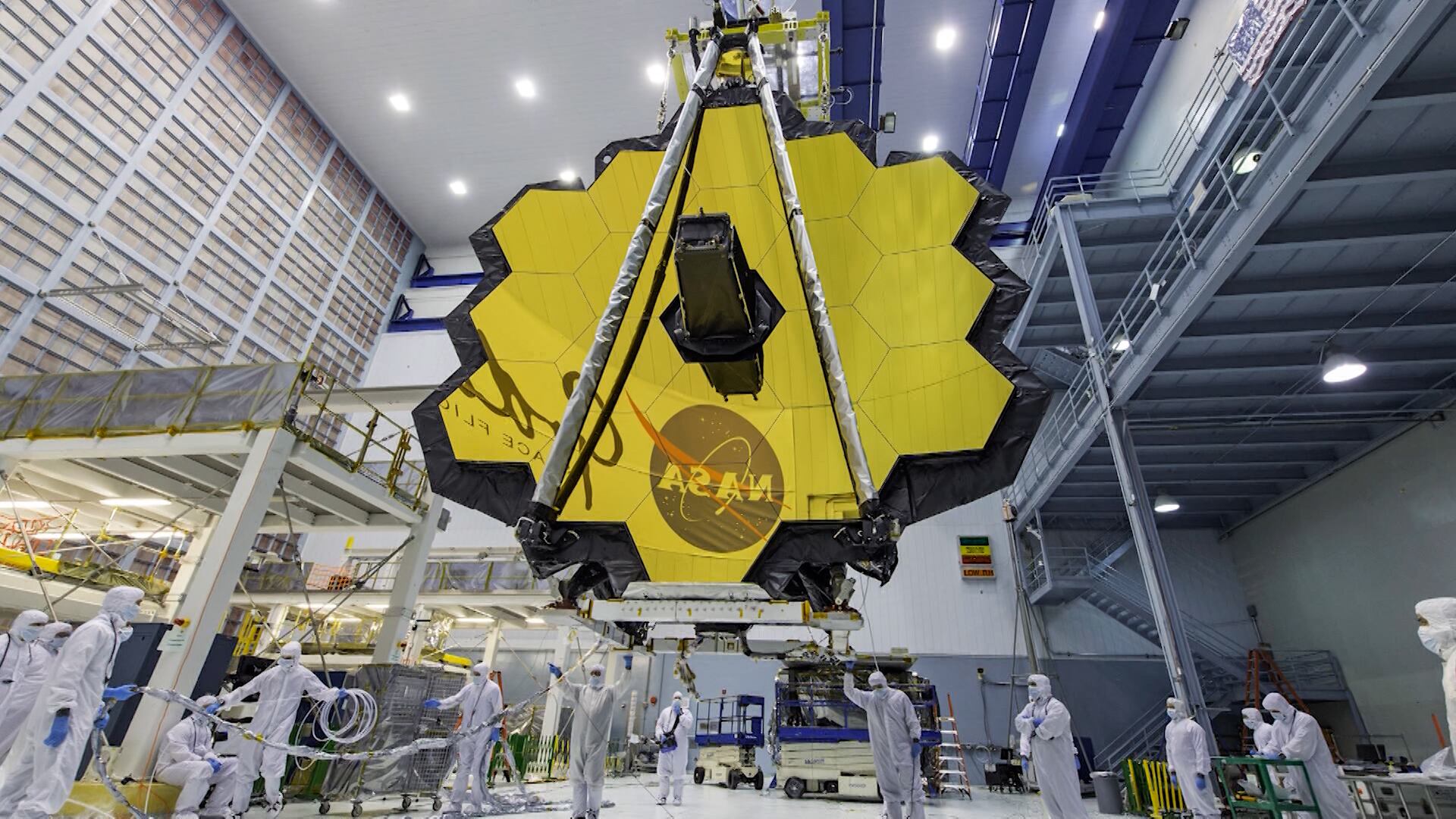
NASA has announced that the first official full-color images will be beamed back to Earth from the James Webb Telescope on July 12. Gregory L. Robinson, the director of the James Webb Space Telescope Program in the NASA Science Mission Directorate, joined Cheddar News to discuss the anticipated image drop. “We expect to see the universe different," he said. "Webb will allow us to see much, much clearer and deeper into the universe."
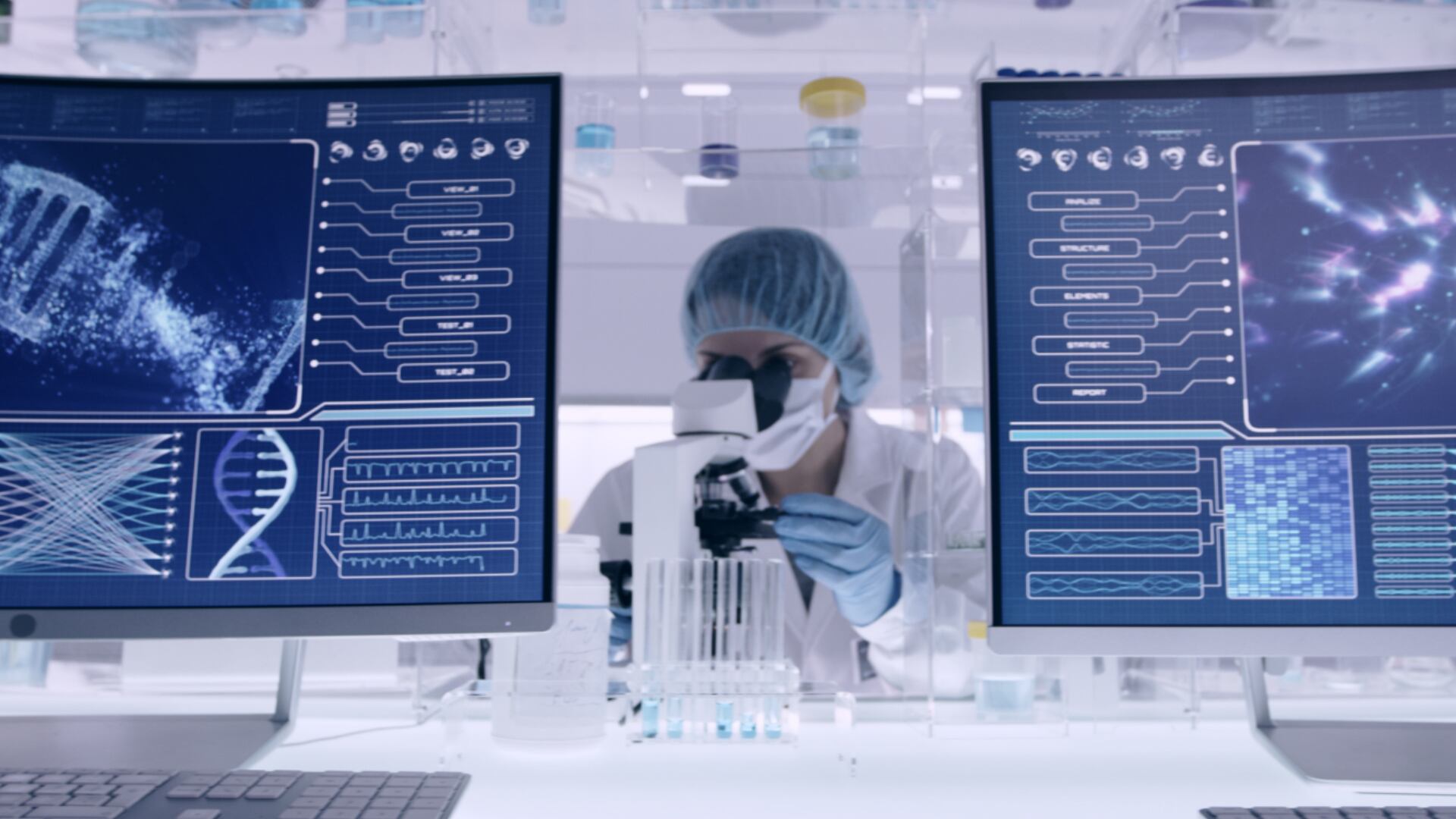
On this episode of Cheddar Reveals, Professor Laurence Hurst, Director of The Milner Centre for Evolution, discusses the mystery of human evolution that's still baffling scientists: why are humans still evolving, and why has the process sped up? Neville Sanjana, faculty member at NY Genome and New York University, breaks down the latest innovations in CRISPR genetic engineering and its applications from 'designer babies' to curing genetic conditions and diseases; Cheddar gets a look at Curiosity Stream's 'The Butterfly Effect.'
Neville Sanjana, faculty member at NY Genome and New York University, joins Cheddar Reveals to break down the latest innovations in CRISPR genetic engineering and its applications from 'designer babies' to curing genetic conditions and diseases.
Professor Laurence Hurst, Director of The Milner Centre for Evolution, joins Cheddar Reveals to discuss the mystery of human evolution that's still baffling scientists: why are humans still evolving, and why has the process sped up?
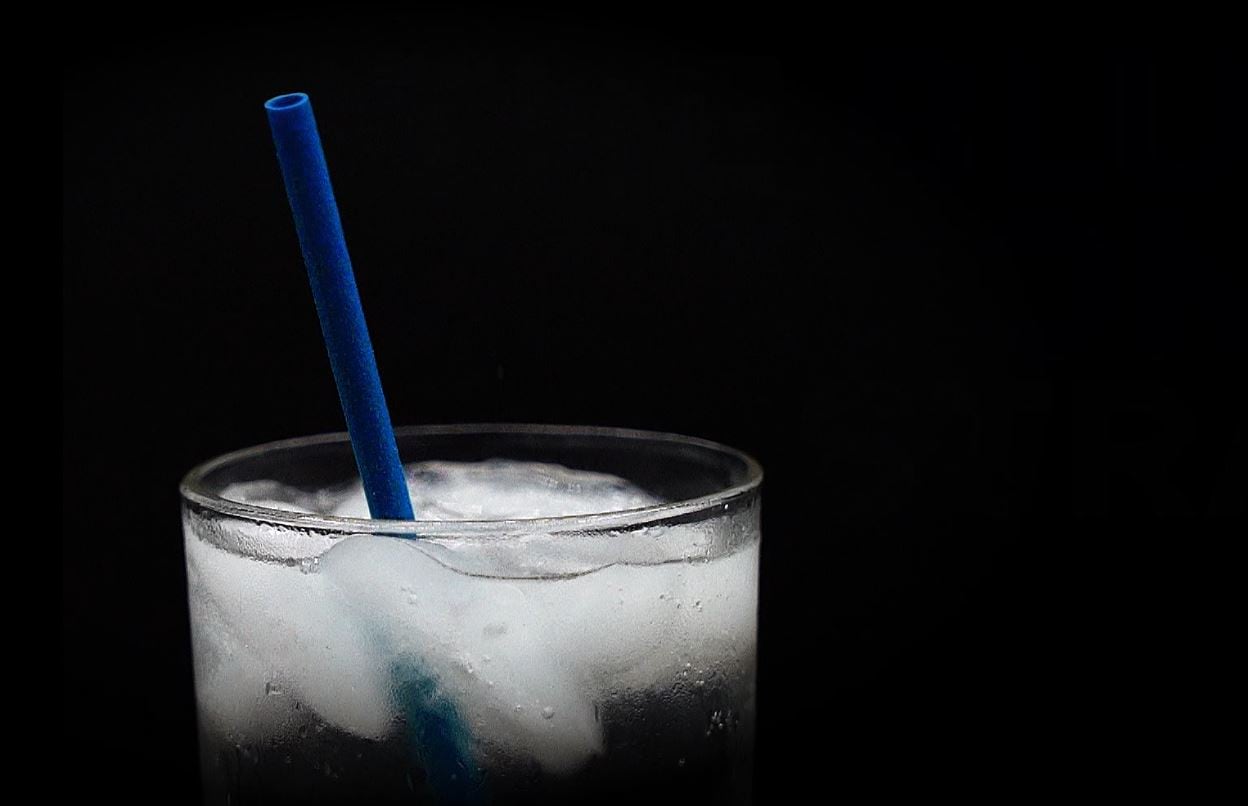
It can be tough to make sustainable choices, and even harder when sustainable materials don't hold up. Loliware has a solution to the plastic straw problem: its seaweed-based straws are stronger than paper alternatives and once used, can be composted and return to the earth or sea without causing harm. Sea Briganti, CEO of Loliware, joins Closing Bell to discuss the tech behind the straws, new product launches, and more.
Umbilical cord blood banking platform Anja Health raised $4.5 million dollars in a seed round led by Seven Seven Six, a venture capital firm founded by Reddit co-founder Alexis Ohanian. Anja Health offers a personalized, doctor-backed cord blood bank, which lets new parents freeze stem cells from their child's umbilical cord so they can be used to treat diseases in the future. It's a process Anja has called 'Hollywood's best-kept secret,' as celebrities like Kylie Jenner, Serena Williams, and more have all banked their umbilical cord blood. Kathryn Cross, the founder of Anja Health, joins Cheddar News' Closing Bell to discuss.
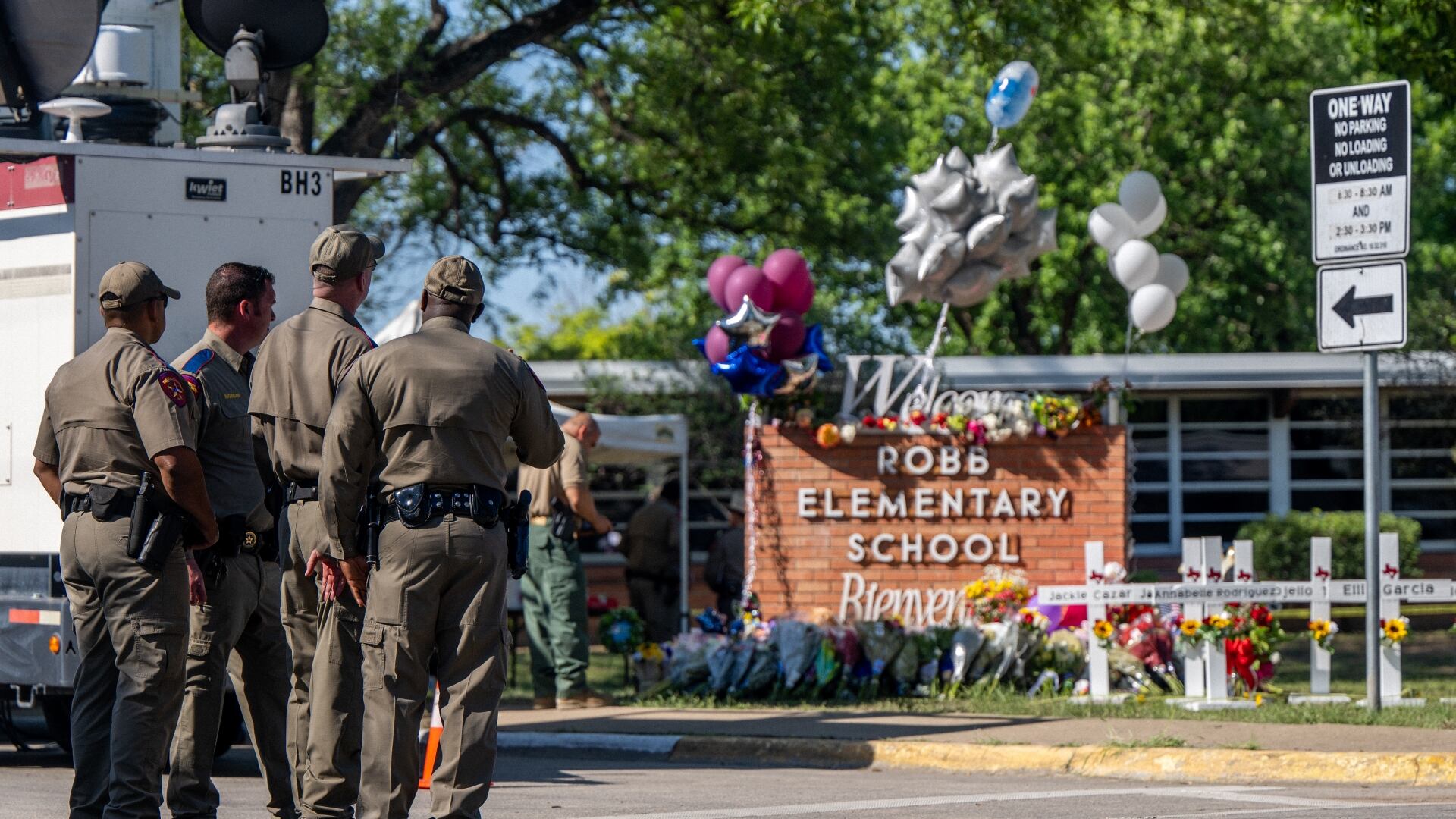
After learning that the suspect in the Uvalde school shooting posted about his intentions on Facebook, activists are urging social networks to make changes. Lena Derhally, a licensed psychotherapist and author of "The Facebook Narcissist," joined Cheddar News to discuss the role social media plays in school shootings. "They're not really invested in taking down hateful content," she said about social platforms."In regards to the shooting, it was 15 minutes before that actual threat. It would be pretty hard for a social media company to trace that threat that quickly. But what they can do better is take down threats and hateful content much faster and more than they're doing now."
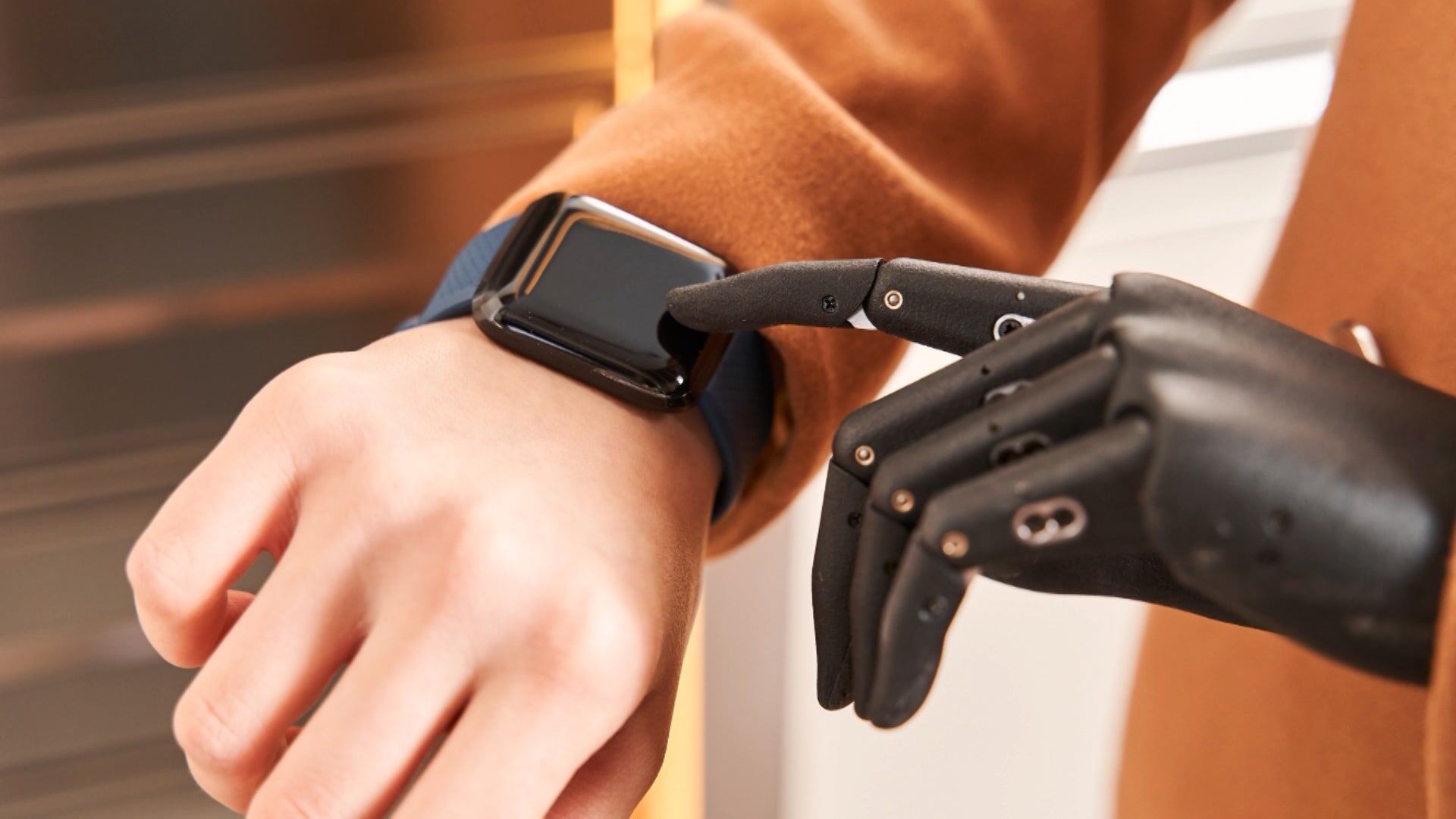
Esper Bionics CEO Dima Gazda breaks down how they're creating a mind-controlled bionic hand that guest smarter the more you use it, and what this innovation means for the future of the prosthetics industry.