By Marcia Dunn
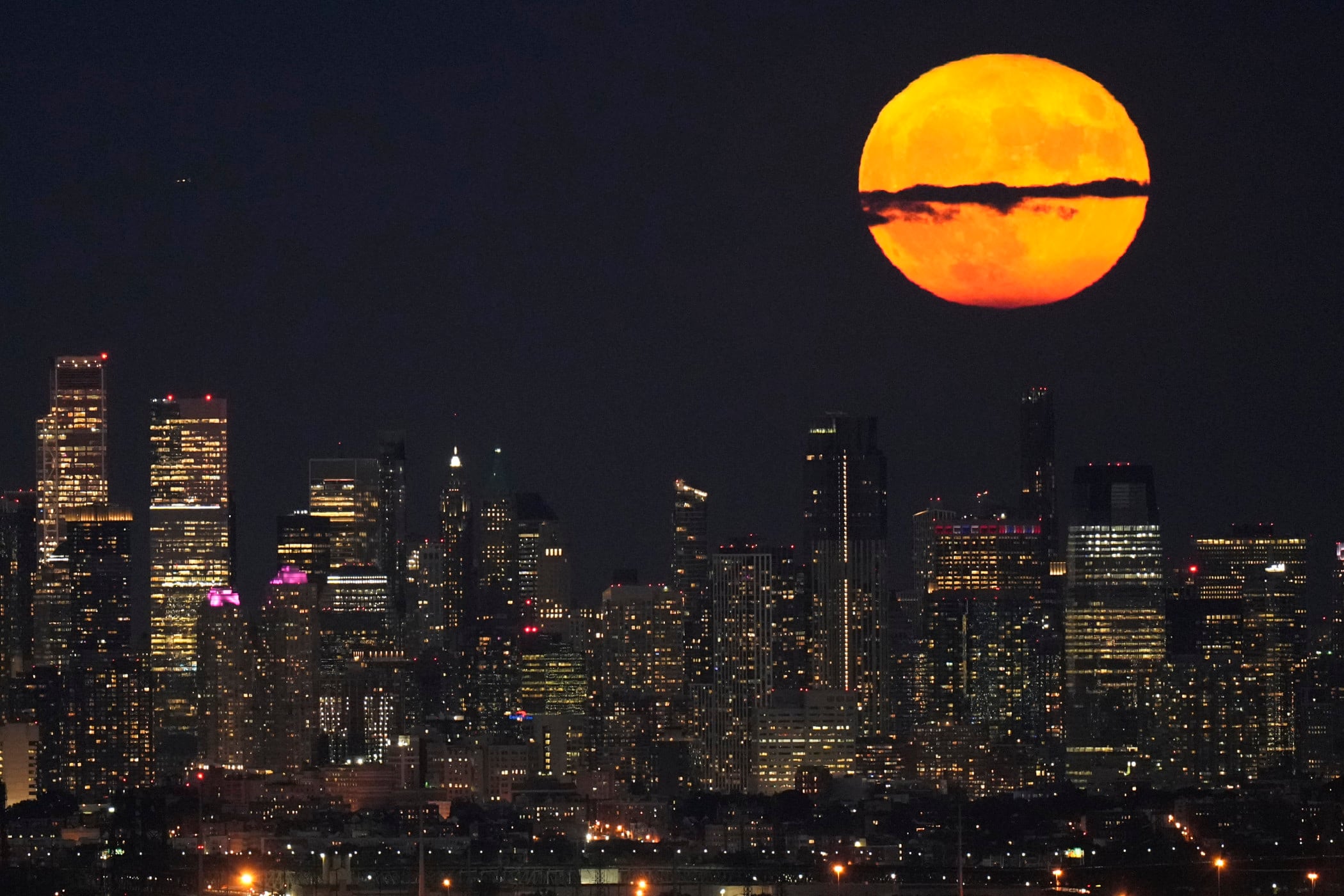
Stargazers are in for a double treat on Aug. 30: a rare blue supermoon with Saturn peeking from behind.
The cosmic curtain rises Wednesday night with the second full moon of the month, the reason it’s considered blue. It’s dubbed a supermoon because it’s closer to Earth than usual, appearing especially big and bright.
This will be the closest full moon of the year, just 222,043 miles (357,344 kilometers) or so away. That’s more than 100 miles (160 kilometers) closer than the Aug. 1 supermoon.
As a bonus, Saturn will be visible as a bright point 5 degrees to the upper right of the moon at sunset in the east-southeastern sky, according to NASA. The ringed planet will appear to circle clockwise around the moon as the night wears on.
If you missed the month’s first spectacle, better catch this one. There won’t be another blue supermoon until 2037, according to Italian astronomer Gianluca Masi, founder of the Virtual Telescope Project.
Clouds spoiled Masi's attempt to livestream the supermoon rising earlier this month. He’s hoping for clearer skies this time so he can capture the blue supermoon shining above St. Peter’s Basilica at the Vatican.
Weather permitting, observers don’t need binoculars or telescopes — “just their own eyes." said Masi.
“I’m always excited to admire the beauty of the night sky,” he said, especially when it features a blue supermoon.
The first supermoon of 2023 was in July. The fourth and last will be in September.
AI technology is increasing health awareness from the comfort of your smartphone. Cheddar News dives deep into how selfies can track health vitals.
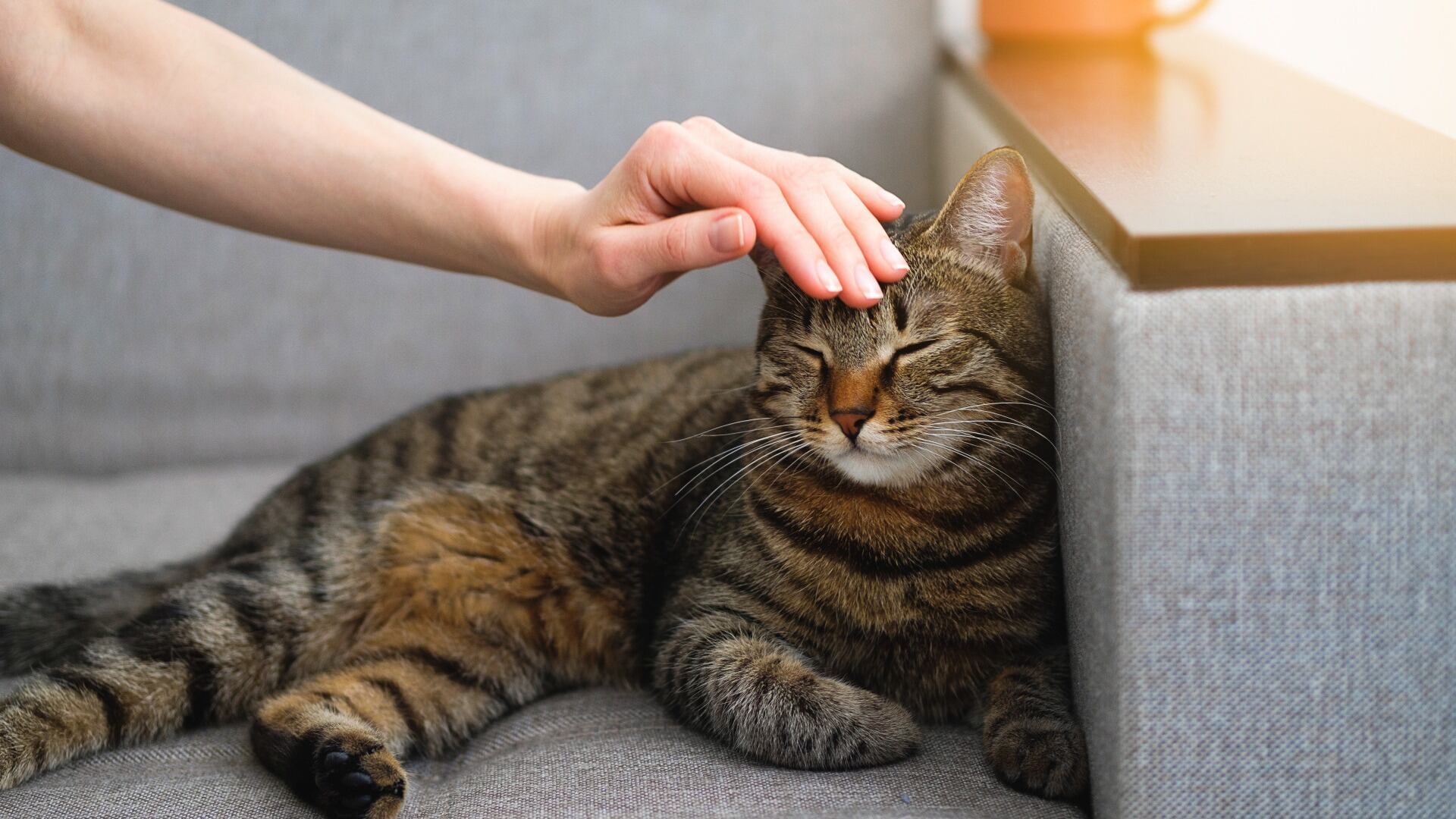
Alina Hauptman, a communications strategist at the Best Friends Animal Society, joined Cheddar News to discuss how pets can actually give a boost to your mental health.
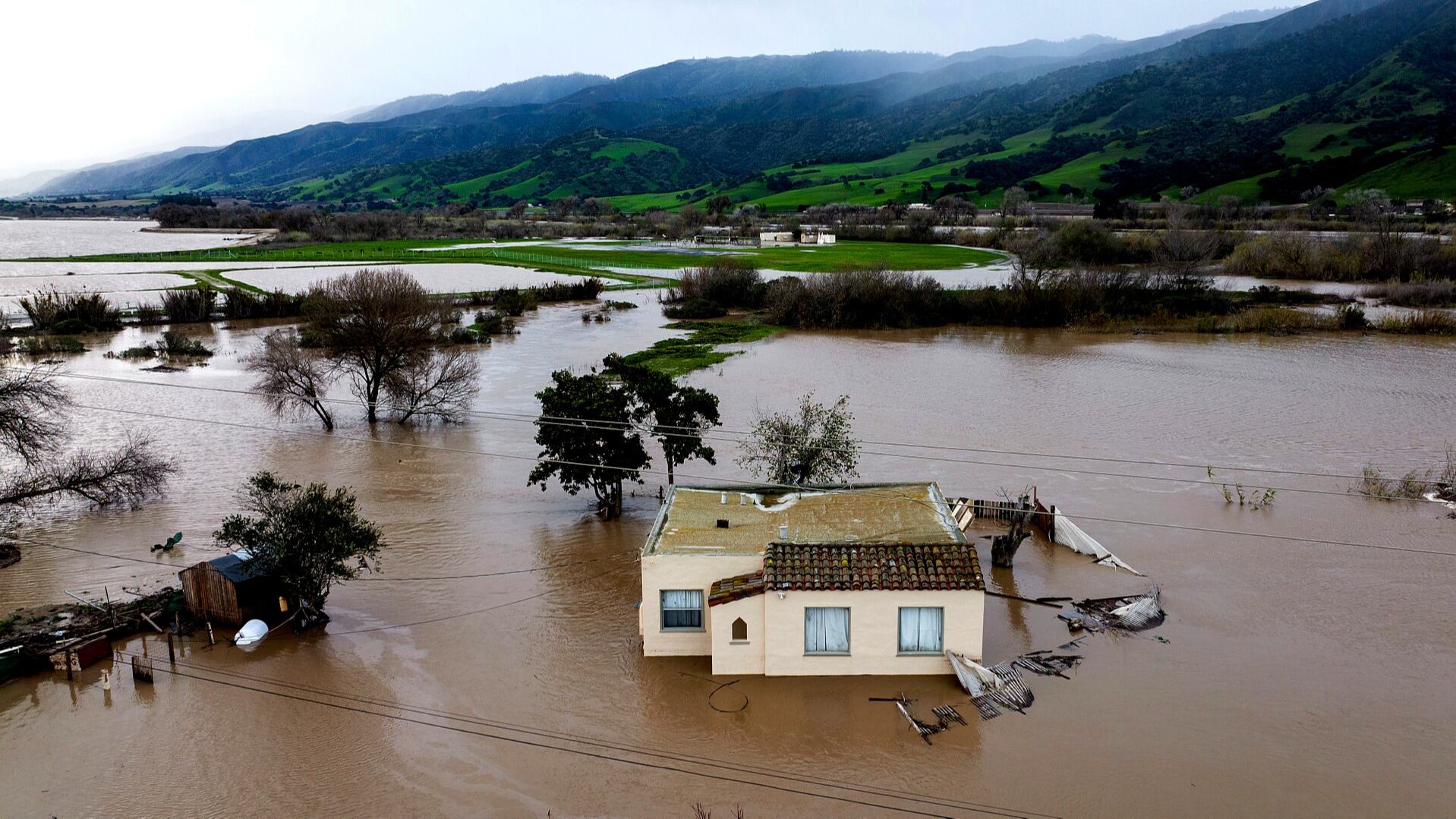
Michele Power, a meteorologist for News12, said that one explanation for this "parade of storms," at least in the United States, is a phenomenon called the "atmospheric river,:
Cheddar News explains how the way you brew coffee could contribute to global warming.
The beginning of the year is critical for those in need of blood transfusions as people tend to stop donating during the holidays. The winter in general also experiences a dropoff as donors get sick more frequently.
Dry January doesn't have to mean sober January — at least for the 21 percent of participants turning to cannabis or CBD to make it through the month.
SpaceX launched its Falcon 9 rocket to bring a powerful GPS satellite into orbit for the U.S. Space Force.
Moderna is applying for regulatory approval for its RSV vaccine, which it says has shown to be effective against the respiratory virus.
UN Secretary-General António Guterres on Wednesday called out ExxonMobil for withholding highly accurate predictions about the impact of climate change.
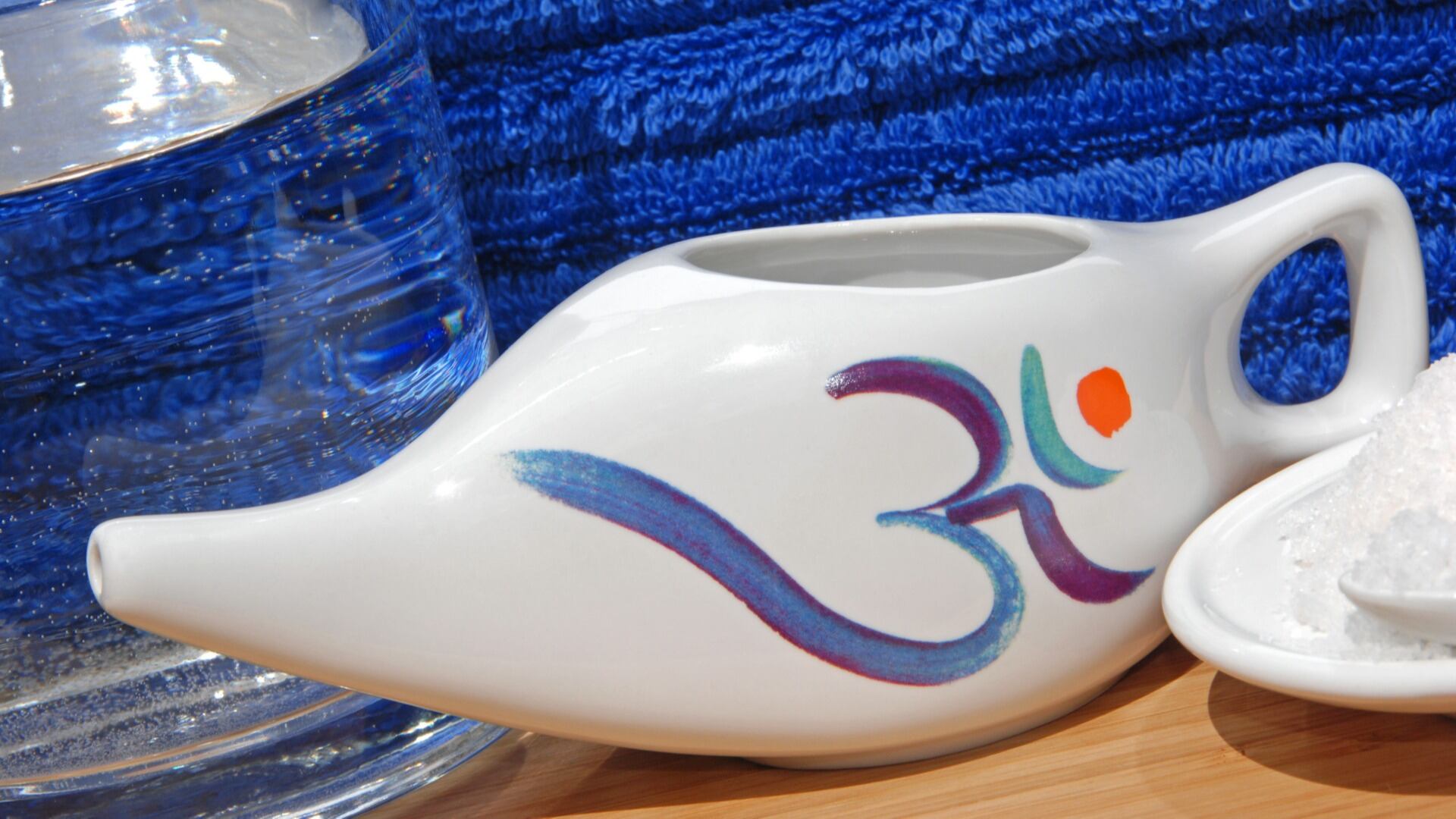
A new study has found that most Americans think it is okay to put tap water in medical devices such as humidifiers and neti pots, but experts say this is unsafe.