Rachel Zoe, the fashion designer, writer and tastemaker earned her multi-hyphenate status thanks in large part to her popular reality TV series "The Rachel Zoe Project", which ran for five seasons on Bravo.
Now however, Zoe said television isn't all that necessary to build a personal brand and authentically convey to consumers what works and what doesn't because social media is more resonant.
"TV very often is very produced and very scripted," Zoe told Cheddar's Hope King. "This is not scripted. This is just what's really happening, and I think it's important to people for me to really show people real life."
Her Instagram series, "Real Life With Rachel Zoe," recently won a Glossy Award for best use of Instagram.
In an interview with Cheddar sponsored by Netsuite, Zoe attempted to explain how she manages her businesses given all that she does.
"It's just constantly staying on top of what's happening," she said. "Staying on top of what's new, and staying in the conversation all the time."
Zoe's free daily email, "The Zoe Report," reaches more than 14 million readers a month, and her clothing line is available in over 200 stores.
For full interview, [click here](https://cheddar.com/videos/real-talk-with-rachel-zoe).
Jay Woods of Freedom Capital Markets shares thoughts on how the latest inflation report will impact the market, and why he expects a ‘cascade’ of IPOs if Reddit’s public debut goes well.
During AT&T's widespread outage Thursday, landline phones were a working alternative — which most of the U.S. does not have. Over half of Americans are estimated to have ditched landlines altogether.
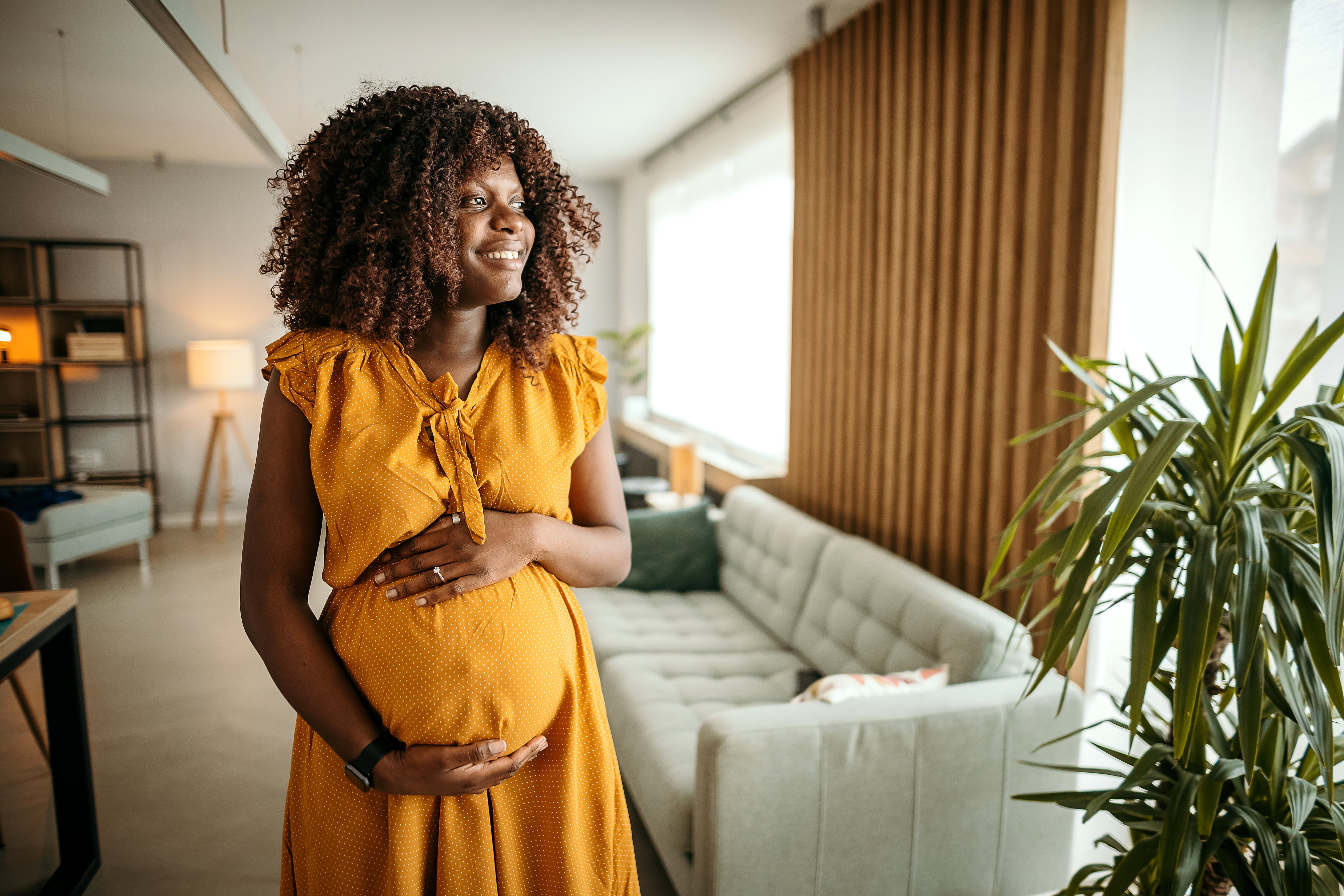
Jade Kearney Dube, Founder & CEO of She Matters talks the Symptom Tracker app, cultural competency for healthcare providers, and being a Black woman CEO looking for funding.
Ahead of April’s planned BitCoin halving, Bitfarms CEO Geoff Morphy shares why he thinks the crypto rally will continue, plus why you’ll see a broader adoption of clean energy for mining.
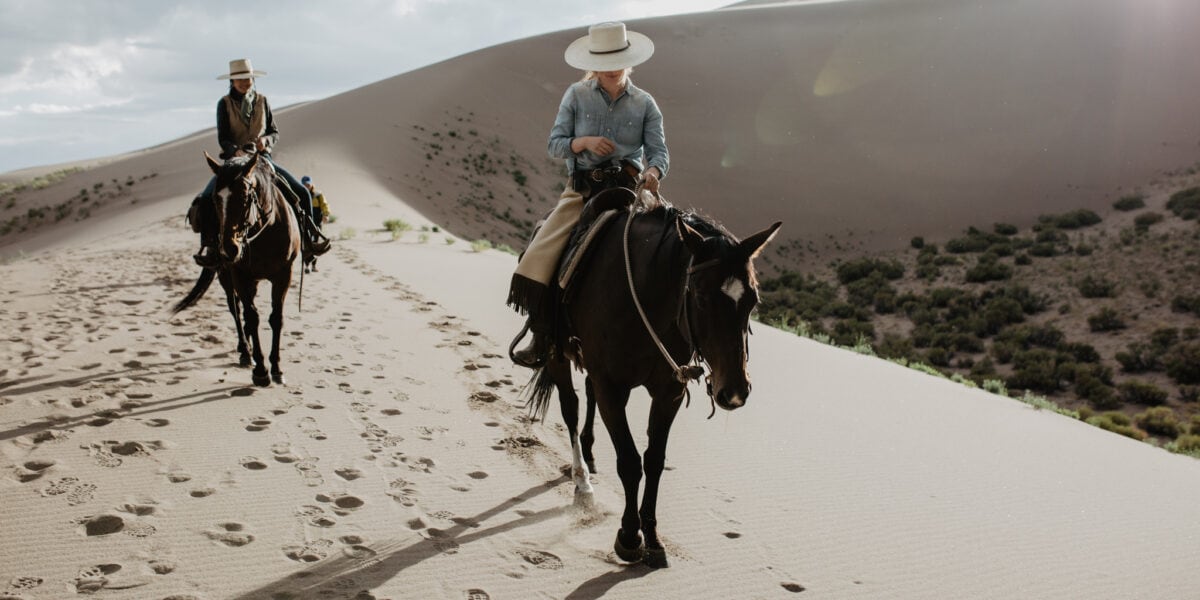
Did you know there's a big difference between a dude ranch and a working cattle ranch? Check out the new generation of ranches, and live out your cowboy dreams.
Lara Rhame, FS Investments chief U.S. economist, discusses the recent market highs, how the job market is in a ‘good place,’ and why rates staying higher for longer might not be a bad thing.